
Sauces & Condiments
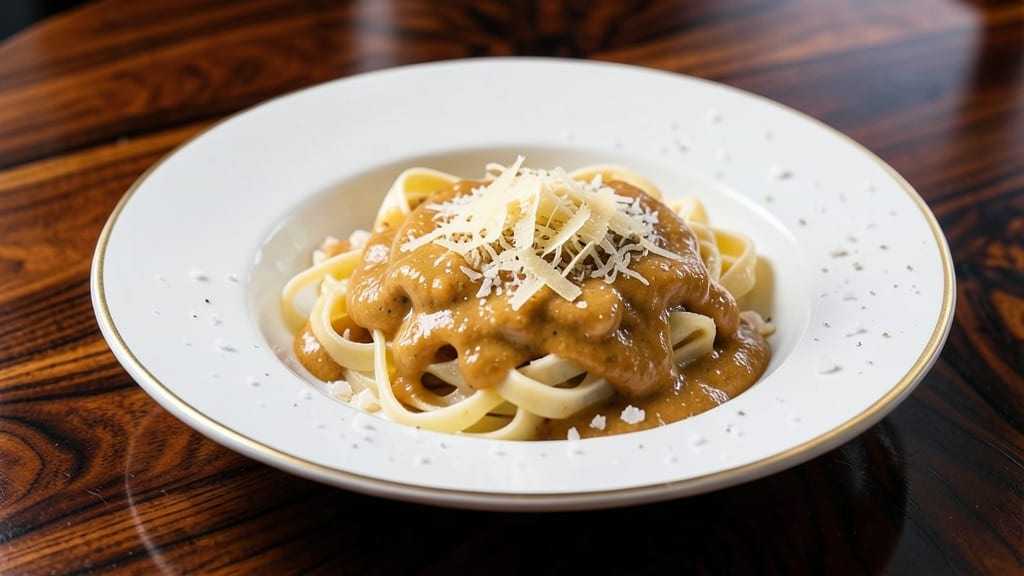
This Alfredo sauce recipe with Romano cheese transforms ordinary pasta into a luxurious meal with just five ingredients and 15 minutes of hands-on time.
The secret to velvety perfection lies in the combination of butter, heavy cream, and a blend of Parmesan and Romano cheeses—creating a sauce that's impossibly smooth without clumping. I've perfected this version after years of testing, ensuring the right balance of richness and tang that elevates any dish.
The magic happens when you melt the butter and garlic together before gradually whisking in the cream and cheeses. This gradual incorporation prevents lumps and creates a sauce that coats every strand of pasta like a silky blanket.
Romano cheese adds a sharp, nutty depth that cuts through the creaminess, making this sauce more complex than traditional versions. For best results, use freshly grated cheese—pre-shredded varieties contain anti-caking agents that can make the sauce grainy.
What you'll end up with is a sauce so rich and velvety it feels like a restaurant-quality secret. The texture is smooth enough to sip straight from the spoon but clings perfectly to pasta, ensuring every bite is decadent.
This recipe doubles easily, making it perfect for meal prep or entertaining. The sauce also reheats beautifully, maintaining its luxurious consistency without separating.
Store leftovers in an airtight container in the refrigerator for up to 5 days, or freeze for longer storage. When reheating, add a splash of warm water or milk to restore creaminess. This is the kind of sauce that turns simple pasta into an unforgettable meal—let's make it.
Ingredients for alfredo sauce recipe with romano cheese
Five ingredients, one luxurious sauce—elevate any pasta dish with this velvety creation.
| Ingredient | Amount | Notes |
|---|---|---|
| Unsalted Butter 🧈 | ¾ cup | Cold, cubed for gradual melting |
| Heavy Cream 🥛 | 1 ½ cups | Full-fat for velvety texture |
| Fresh Garlic Cloves 🧄 | 4 cloves | Minced for aromatic base |
| Parmesan Cheese 🧀 | ½ cup | Freshly grated, block preferred |
| Romano Cheese 🧀 | ½ cup | Freshly grated, sharp flavor |
| Diamond Crystal Kosher Salt 🧂 | ¼ tsp | Fine grain for balanced flavor |
| Freshly Ground Black Pepper 🌶️ | ¼ tsp | For subtle seasoning |
| Extra-Virgin Olive Oil 🫒 | 1 tbsp | For finishing drizzle |
The cheese blend makes all the difference. Romano adds that sharp, nutty depth while Parmesan provides creaminess—both must be freshly grated. Grocery store pre-shredded contains anti-caking agents that ruin the texture. For the best quality, grab a wedge of each from the deli counter (they usually grate it fresh right there). The butter should be cold when you start—this prevents immediate melting and helps create that silky emulsion. European-style unsalted butter like Plugrá or Land O'Lakes works perfectly, but any good-quality brand will do.
No Romano? Substitute with extra Parmesan plus a pinch of lemon zest—it mimics that bright, tangy note. Running low on heavy cream? Half-and-half plus a splash of whole milk keeps the sauce rich without being too heavy. Fresh garlic is non-negotiable here—the flavor is so much more vibrant than jarred. If you're short on time, minced jarred garlic works in a pinch, but it won't have the same depth. For a lighter version, reduce the butter to 0.5 cup and add an extra 0.25 cup of heavy cream, but trust me on keeping the full-fat version for that restaurant-quality mouthfeel.
This sauce reheats beautifully—just warm it gently on the stove with a splash of milk or water to restore creaminess. Store leftovers in an airtight container in the fridge for up to 5 days, or freeze for 3 months. I always double the batch because it disappears so fast. The sauce thickens as it cools, so thin with a little warm milk if needed when reheating. For extra richness, stir in a pat of cold butter at the end—it melts instantly and adds incredible depth.
Why You'll Love This Recipe
- Same sauce, endless uses: toss it with fettuccine for a quick weeknight meal, drizzle it over grilled chicken for a fancy-ish dinner, or even slather it on roasted veggies when you’re feeling wild. It’s the chameleon of sauces.
- Five-Ingredient Magic: I swear, this sauce comes together with just butter, cream, garlic, and those two cheeses—no fancy steps, no stress. You’ll be stirring while your pasta boils, not slaving over a hot stove for hours.
- Umami Bomb: That Romano cheese? It’s where the sauce gets its je ne sais quoi—sharp, nutty, and way more complex than plain Parmesan. A single clove of garlic (don’t overdo it) ties it all together like a perfect hug of flavor.
- Weeknight to Dinner Party: Same sauce, endless uses: toss it with fettuccine for a quick weeknight meal, drizzle it over grilled chicken for a fancy-ish dinner, or even slather it on roasted veggies when you’re feeling wild. It’s the chameleon of sauces.
Step-by-step instructions for Alfredo sauce with Romano cheese
Here's the professional method for creamy, lump-free perfection every time.
🍳 Step 1: Melt Butter and Garlic Slowly
Heat a medium saucepan over medium-low heat and add the 0.75 cup unsalted butter. Let it melt completely, stirring occasionally until it foams but doesn't brown. This gradual melting prevents burning and creates a smooth base.
Add the 4 minced fresh garlic cloves and cook for 1-2 minutes until fragrant but not browned. Watch carefully—garlic burns quickly and adds bitterness. Remove the pan from heat immediately after the garlic smells aromatic to preserve its sweetness.
🍳 Step 2: Add Cream and Cheese Gradually
Return the pan to medium-low heat and slowly pour in the 1.5 cups heavy cream. Stir constantly to prevent scorching at the bottom. Let the mixture simmer gently for 3-4 minutes until it begins to thicken slightly.
Reduce heat to low and gradually sprinkle in the 0.5 cup freshly grated parmesan cheese and 0.5 cup freshly grated romano cheese in small batches. Stir vigorously after each addition to prevent clumping. The cheese should melt completely into the cream, creating a velvety texture.
🍳 Step 3: Season and Finish
Add the 0.25 tsp diamond crystal kosher salt and 0.25 tsp freshly ground black pepper, stirring until fully dissolved. Taste and adjust seasoning if needed—this sauce should be rich but not overly salty.
Remove from heat and stir in the 1 tbsp extra-virgin olive oil. This final drizzle adds a subtle fruity note that balances the richness. The sauce should now coat the back of a spoon with a silky, glossy consistency. If it's too thick, whisk in 1-2 tablespoons hot water to reach your desired serving texture.
⏰ Step 4: Serve Immediately
Keep the sauce warm over low heat or transfer to a heatproof bowl set over a pot of simmering water. Serve immediately over hot pasta or use as a dipping sauce. The sauce will continue to thicken slightly as it cools, so adjust consistency before serving if needed.
For best results, toss the sauce with cooked fettuccine or tagliatelle right before serving. The residual heat from the pasta will help melt any remaining cheese crystals, creating that signature creamy coating. The Romano cheese adds a sharp, nutty depth that traditional Parmesan-only versions often miss.
Pro Tips For Making Alfredo Sauce Recipe With Romano Cheese
- Melt Butter Slowly: If you dump cold butter into the pan, you’ll end up with a split sauce—one where the cream curdles or the cheese clumps like regret. Instead, melt the butter over medium-low heat until it’s just warm to the touch (not sizzling), then add the garlic. This keeps everything smooth and prevents the heavy cream from breaking.
- Grind Cheese Fresh: Pre-shredded Romano and Parmesan are coated with anti-caking agents that turn your sauce into a grainy, sad sludge. Buy blocks of both, grate them yourself, and pulse the cheese in a food processor for a second or two—just enough to break up clumps without turning it into powder. Your sauce will be velvety, not gritty.
- Simmer, Don’t Boil: Once you add the cream, keep the heat at a whisper. A rolling boil will scramble the cream and turn your sauce into a sad, lumpy mess. You’re aiming for a gentle simmer—tiny bubbles at the edges, not a full-on party in the pot. If it gets too hot, pull it off the heat for 10 seconds and stir.
- Save the Garlic Starch: When you crush or mince your garlic, don’t toss the juice—it’s packed with flavor. After sautéing the garlic, press it against the pan with a spoon to release the liquid, then let it cook for 30 seconds before adding the cream. This step adds depth that skipping it will leave you wondering where the soul went.
Essential equipment for this recipe
Saucepan Essentials
Start with a medium saucepan that has a thick, heavy bottom—I love my All-Clad Stainless Steel—to prevent scorching. A wide base distributes heat evenly, crucial for smooth melting. Avoid non-stick pans here; they can react with acidic ingredients and compromise flavor. 🔥
For stirring, use a heatproof silicone spatula (like OXO Good Grips) or a wooden spoon—metal utensils can scratch your pan. A whisk comes in handy when incorporating the cheese to prevent clumping. I keep mine within arm's reach while cooking.
Cheese Graters
Freshly grated cheese makes all the difference, so invest in a high-quality grater. My go-to is the Microplane for its fine, consistent shreds. For larger batches, a box grater with multiple holes works well—just use the smallest side for cheese.
Never use pre-shredded cheese from bags; it contains anti-caking agents that ruin the sauce's texture. 🧀
Temperature Control Tools
A candy or deep-fry thermometer (like Thermoworks Thermapen) helps monitor the sauce's temperature—ideal range is 160-170°F. This prevents overheating, which can cause the sauce to separate.
For stovetop control, I use an induction burner (like GE Profile) for precise heat adjustments, but gas works too if you monitor closely.
Storage Containers
For leftovers, use glass airtight containers (I prefer Pyrex) to maintain freshness. They're microwave-safe and won't absorb flavors. Label containers with dates—this sauce keeps for 5 days in the fridge or 3 months in the freezer.
For freezing, portion into quart-sized freezer bags with 1 inch headspace to prevent expansion cracks. ❄️
Optional Upgrades
For a luxury touch, add a blender or immersion blender (like Ninja) to achieve ultra-smooth texture if any cheese lumps remain. A fine-mesh sieve helps strain out any unwanted bits for an ultra-silky finish.
For extra richness, keep a small bowl of cold butter nearby to stir in at the end—it melts instantly and adds depth.
Nutrition facts
Frequently asked questions
Why does Romano cheese make this Alfredo sauce different?
Romano adds a sharp, nutty depth that traditional Parmesan-only versions miss. The combination creates a more complex flavor profile—bright, tangy, and slightly salty—that cuts through the richness of the cream. This balance makes the sauce taste more sophisticated and restaurant-quality.
Can I make this sauce without heavy cream?
Yes, but the texture will be lighter. Replace the 1.5 cups heavy cream with 1 cup half-and-half plus 0.5 cup whole milk for a similar consistency. For extra richness, stir in 2 tablespoons sour cream at the end. The sauce will still be creamy but won't be as velvety.
What's the best way to fix a separated sauce?
If your sauce separates, whisk in 1-2 tablespoons hot water or milk until smooth. For extra insurance, stir in 1 tablespoon cold butter while whisking vigorously—this re-emulsifies the sauce instantly. Never add cold liquid directly to hot sauce; it can cause lumps.
How do I keep this sauce from getting too thick?
Start with medium-low heat and never let the sauce boil. For extra insurance, whisk in 1 tablespoon hot water or milk while cooking if it begins to thicken too quickly. The sauce will naturally thicken more as it cools, so adjust before serving if needed.
Can I use this sauce for dishes other than pasta?
This sauce works perfectly as a dip for bread or veggies, a topping for grilled chicken or fish, or even a creamy base for baked potatoes. For non-pasta uses, thin with a splash of warm milk or broth if needed to reach your desired consistency.