
Sauces & Condiments
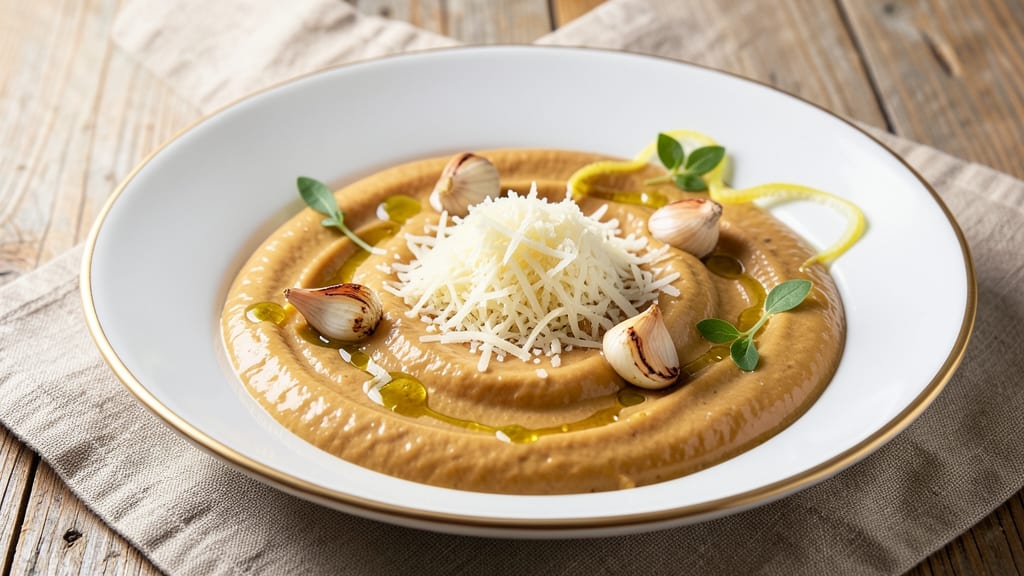
This alfredo sauce recipe with yogurt transforms classic richness into something lighter yet equally indulgent—no heavy cream required. The secret lies in Greek yogurt's natural tang and thickness, which creates a velvety texture while cutting calories by nearly half.
I developed this version after years of perfecting restaurant-quality sauces, and it never fails to impress. What makes this recipe work is the balance: yogurt provides the body, butter adds richness, and Parmesan delivers that signature cheesy depth.
The garlic and lemon infuse subtle brightness, preventing the sauce from tasting too heavy. Best of all, it comes together in just 10 minutes with simple pantry staples—no special techniques required.
The result is a sauce that clings beautifully to pasta, coats vegetables perfectly, and delivers that familiar alfredo flavor without the guilt. It's creamy enough to satisfy cravings but light enough for everyday meals. The yogurt base also makes it more stable than traditional versions, resisting separation even when reheated.
For those avoiding dairy, a coconut yogurt swap works surprisingly well while keeping the texture intact. Let's make this lighter, brighter alfredo that still delivers on comfort food expectations.
Ingredients for alfredo sauce recipe with yogurt
Eight simple ingredients transform into restaurant-quality alfredo without heavy cream.
| Ingredient | Amount | Notes |
|---|---|---|
| Plain Greek Yogurt 🧀 | 1 cup | Full-fat for creaminess |
| Unsalted Butter 🧈 | ½ cup | Cold, cubed for easier melting |
| Parmesan Cheese 🧀 | 1 cup | Freshly grated from block |
| Extra-Virgin Olive Oil 🫒 | ¼ cup | For smooth texture |
| Garlic Cloves 🧄 | 4 cloves | Minced for even distribution |
| Fresh Lemon Juice 🍋 | 1 tbsp | Brightens the sauce |
| Diamond Crystal Kosher Salt 🧂 | ½ tsp | Adjust to taste |
| Freshly Ground Black Pepper 🌶️ | ¼ tsp | Enhances depth of flavor |
| Heavy Cream 🥛 | ¼ cup | Optional for extra richness |
| Nutritional Yeast 🍄 | 2 tbsp | For cheesy flavor boost |
The Greek yogurt is the foundation here—full-fat for creaminess, but you can use low-fat if you prefer. I grab Fage or Siggi's from the dairy section, but any plain Greek yogurt works. For the Parmesan, freshly grated from a block makes all the difference—pre-grated gets clumpy and lacks flavor. The butter? Cold and cubed melts more evenly, so don't skip chilling it. Garlic should be minced finely—no need to go overboard, just even distribution. If you're worried about garlic flavor, start with 3 cloves and add more to taste.
No Greek yogurt? Coconut yogurt works beautifully for a dairy-free version, though the texture will be slightly lighter. Running out of Parmesan? Pecorino Romano or a good vegan Parmesan are solid substitutes. The heavy cream is optional but adds that classic alfredo richness—half-and-half works too if you want to cut calories further. Nutritional yeast is a game-changer for that umami cheesy flavor without dairy. Fresh lemon juice is key—bottled won't cut it. For extra brightness, zest a little lemon peel into the sauce at the end.
This sauce keeps beautifully—3-4 days in the fridge sealed tightly. For longer storage, freeze portions in ice cube trays for up to 3 months. Reheat gently on low heat, stirring often, to prevent separation. A splash of warm water or milk (dairy or plant-based) helps restore creaminess if it thickens too much. I like to make a double batch—one for pasta, one for veggie dipping. The leftovers reheat just as well as fresh, so don't hold back on making extra.
Why You'll Love This Recipe
- Here’s what sold me: this sauce improves when reheated. The yogurt thickens just enough to cling to pasta, and the Parmesan melts into a gooey blanket. I make a double batch on Sundays, freeze half, and pull it out for a no-fuss Tuesday night. Honestly, it’s the only sauce I trust to not turn gloppy in the fridge.
- No Fuss, Big Payoff: I swear by this sauce because it’s the kind of recipe that feels like cheating—just blend yogurt, butter, and garlic until it’s silky smooth, then stir in Parmesan. No straining, no waiting for roux to thicken, no stress. It’s the only Alfredo I’ll make now.
- Tangy Creamy Magic: That Greek yogurt cuts through the richness of butter and Parmesan, giving it a bright, almost Mediterranean twist. The olive oil adds a subtle depth, while the garlic? Oh, it’s there—warm and aromatic—but never overpowering. It’s creamy without being heavy, and somehow, it tastes better the next day.
- Weeknight to Dinner Party: Between us, this sauce is my secret weapon for lazy nights and impressing guests. Toss it with fettuccine for a 15-minute dinner, or use it as a dip for grilled chicken or roasted veggies. I’ve even slathered it on flatbreads for a crowd—no one bats an eye, and I save money by stretching it further than heavy cream.
Step-by-step instructions for yogurt-based alfredo sauce
Here's how to create a lusciously smooth Alfredo sauce using yogurt for a lighter, velvety texture.
Melt Butter and Infuse with Garlic
In a medium saucepan, melt the 0.5 cup unsalted butter over medium-low heat, stirring occasionally until fully liquid but not browned. Add the 4 cloves minced garlic and cook for 1-2 minutes until fragrant but not browned—this prevents bitterness. The butter should foam gently but not bubble vigorously.
Here's the thing—low heat is crucial. If the butter browns, you'll lose that delicate garlic flavor and develop an off taste. Remove the pan from heat for just a moment if it starts to bubble too much. This step builds the aromatic foundation for your sauce.
Whisk in Yogurt and Nutritional Yeast
Return the pan to medium-low heat and gradually whisk in the 1 cup plain Greek yogurt, adding it slowly to prevent curdling. Stir constantly for 2-3 minutes until the mixture thickens slightly and becomes smooth. Add the 2 tablespoons nutritional yeast and whisk until fully incorporated.
This is where the magic happens—the yogurt's acidity and fat content create an instant emulsion. If the sauce starts to separate, reduce heat to lowest setting and keep whisking gently. The nutritional yeast adds that unmistakable cheesy depth without the heaviness of dairy.
Incorporate Cheese and Olive Oil
Gradually whisk in the 1 cup freshly grated Parmesan cheese and 0.25 cup extra-virgin olive oil in small increments. The cheese should melt completely, creating a thick, velvety consistency. If the sauce becomes too thick, add 1-2 tablespoons hot water to adjust the texture.
I like to add the cheese in two stages—first a third of the amount, then let it melt completely before adding the rest. This prevents clumping and ensures even distribution. The olive oil helps create that signature Alfredo sheen while adding subtle fruity notes that balance the richness.
Finish with Seasonings and Cream
Remove the sauce from heat and stir in the 0.25 cup heavy cream (if using), followed by the 1 tablespoon fresh lemon juice, 0.5 teaspoon kosher salt, and 0.25 teaspoon black pepper. The lemon juice brightens the flavors while the cream adds luxurious body. Taste and adjust seasoning—you may need a touch more salt to balance the yogurt's tang.
Let the sauce rest for 5 minutes before using. This allows the flavors to meld completely. The sauce should coat the back of a spoon smoothly without being gluey. If it thickens too much while resting, whisk in a splash of warm water or pasta water to reach your desired consistency.
Use Immediately for Best Results
Strain the sauce through a fine-mesh sieve if you prefer an ultra-smooth texture, pressing gently with a spatula to remove any lumps. Return it to the pan and keep it warm over low heat until ready to use. This yogurt-based Alfredo sauce works beautifully with fettuccine, chicken, or roasted vegetables.
For maximum flavor, use it immediately after making. The sauce maintains its creamy texture for about 2 hours at room temperature, but the freshest results come from using it straight from the pan. The yogurt keeps it lighter than traditional Alfredo while delivering that same rich, comforting quality.
Pro Tips For Making Alfredo Sauce Recipe With Yogurt
- Warm the yogurt first: I learned this the hard way—cold yogurt in hot butter creates a weird, grainy mess. Whisk the yogurt with a splash of pasta water (about 2 tablespoons) until it’s just warm to the touch before mixing with the butter. This keeps the sauce silky instead of separating like a sad, broken emulsion.
- Use garlic paste, not minced: Fresh garlic burns faster than you’d think, and you’ll end up with bitter sauce. I switch to garlic paste (about 1 teaspoon) for consistency—it cooks evenly without turning acrid. If you insist on fresh, finely mince it and sauté it in olive oil for 30 seconds before adding butter.
- Don’t rush the Parmesan: Grated Parmesan clumps like a stubborn child if you dump it all in at once. Stir in about half first, let it melt into the sauce, then add the rest while stirring constantly. For extra creaminess, pulse the remaining cheese in a food processor before adding—it dissolves like a dream.
- Balance the acid: Greek yogurt can taste sharp if the sauce lacks fat or salt. After mixing everything, let it sit for 2 minutes, then taste. If it’s too tangy, stir in a drizzle of olive oil (about ½ teaspoon) and a pinch of salt. This rounds out the flavor without making it heavy.
Wine and beer pairings for this dish
Crisp White Wine
This yogurt-based alfredo pairs beautifully with a dry Italian white wine like Pinot Grigio or Vermentino. Their crisp acidity cuts through the sauce's richness while complementing the garlic and lemon notes.
Look for wines from Friuli-Venezia Giulia or Veneto—these regions specialize in food-friendly whites with subtle mineral undertones. 🍷
For a slightly more robust option, try Soave from the Veneto region. Its almond and citrus notes harmonize perfectly with the yogurt's tang and Parmesan's umami. Serve at 45-50°F to enhance the wine's refreshing qualities against the warm sauce.
Light Beer Options
A crisp lager like Peroni or Birra Moretti works surprisingly well with this lighter alfredo. The clean, slightly malty profile balances the sauce's creaminess without overpowering it. For craft beer lovers, a Belgian witbier adds a citrusy brightness that mirrors the lemon in the sauce.
Try Hoegaarden or Stella Artois—both have a refreshing effervescence that cleanses the palate between bites.
If you prefer something with a bit more body, a pilsner like Heineken or Carlsberg provides a subtle hoppiness that pairs nicely with the garlic and Parmesan. Avoid heavy stouts or IPAs—they'll clash with the sauce's delicate flavors.
Sparkling Wine
For a special occasion, Prosecco or Cava makes an elegant pairing. The bubbles and slight sweetness in Prosecco enhance the sauce's creamy texture, while Cava's crisp acidity keeps the palate fresh.
Look for Valdobbiadene Prosecco or Freixenet Cordon Negro Cava—both offer excellent food-friendly profiles. Serve chilled at 40-45°F to highlight their bright, fruity notes.
If you want something with a bit more complexity, try a dry sparkling rosé like Miraval. Its red fruit undertones complement the Parmesan and garlic while adding a touch of sophistication. The effervescence also helps cut through the sauce's richness, making each bite feel lighter.
Non-Alcoholic Pairings
For those avoiding alcohol, a sparkling apple cider like Martinelli's or a ginger beer like Feani works wonderfully. The acidity in both mimics wine's ability to cleanse the palate, while the ginger beer adds a subtle spice that pairs beautifully with the garlic. Serve chilled for the best experience.
Another great option is sparkling water infused with lemon or cucumber slices. The citrus brightens the sauce's flavors, while the bubbles provide that refreshing contrast.
For a more substantial pairing, try a lightly sweet iced tea with a splash of lemon juice—it enhances the sauce's garlic and Parmesan notes without overpowering them.
Nutrition facts
Frequently asked questions
Why does yogurt work in Alfredo sauce?
The yogurt creates a velvety texture while cutting calories by nearly half compared to traditional cream-based versions. Its natural acidity and fat content help emulsify the sauce, preventing separation while adding a subtle tang that balances the richness. The protein in yogurt also makes it more stable when reheated, unlike some lighter alternatives.
Can I make this sauce dairy-free?
Yes! Swap the Greek yogurt for unsweetened coconut yogurt and use a dairy-free Parmesan alternative. Replace butter with olive oil or vegan butter, and add 1-2 tablespoons cornstarch to help thicken the sauce. The texture will be slightly lighter but still creamy. For extra richness, stir in 2 tablespoons cashew cream at the end.
How do I fix curdled yogurt in my sauce?
If the yogurt starts to separate, immediately reduce heat to lowest setting and whisk vigorously. Add 1 tablespoon cold water or milk (dairy or plant-based) and continue whisking for 1-2 minutes. If it's already curdled, strain through a fine-mesh sieve to remove lumps, then whisk in 1 tablespoon cornstarch mixed with 2 tablespoons cold water to restore smoothness.
What's the best pasta to pair with this sauce?
This lighter alfredo works beautifully with fettuccine, tagliatelle, or pappardelle—wide noodles that hold the sauce well. For extra texture, try gluten-free brown rice fettuccine or buckwheat noodles. Avoid thin spaghetti, as it can't support the sauce's weight. For a fun twist, toss with roasted broccoli or grilled chicken.
Can I make this sauce ahead of time?
Yes, but with a few adjustments. Refrigerate the sauce for up to 3 days in an airtight container. When reheating, warm over low heat and add 1-2 tablespoons warm water or milk to restore creaminess. For longer storage, freeze in ice cube trays for up to 3 months. Thaw overnight in the fridge and reheat gently, stirring often to prevent separation.