
Sauces & Condiments
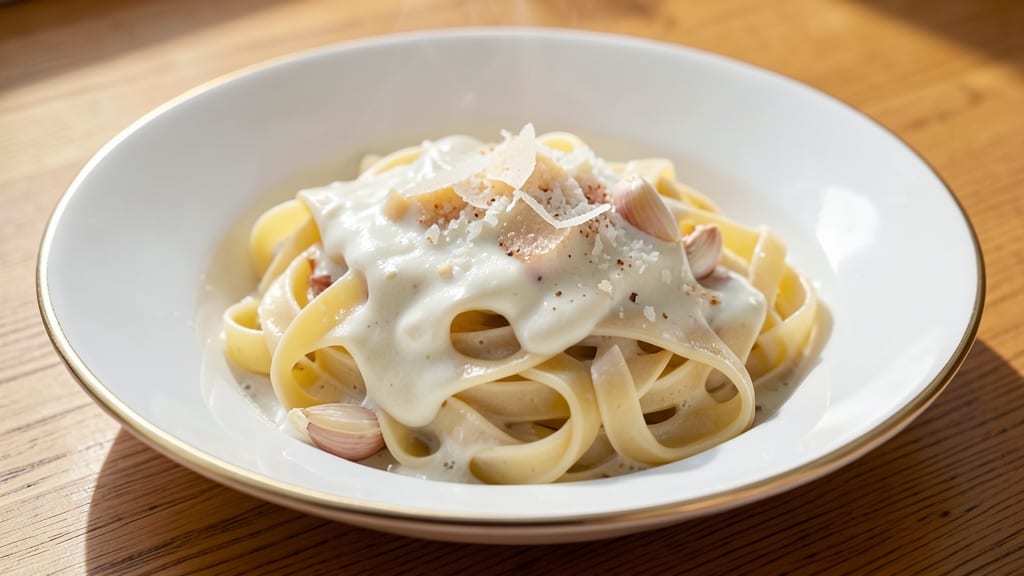
This authentic Italian white sauce pasta recipe delivers the creamy, velvety perfection of a Roman trattoria—where rich garlic butter meets al dente fettuccine in a sauce so smooth it feels like a hug.
The secret lies in low-and-slow reduction, where butter and cream marry into a silky emulsion that clings to every strand of pasta without ever breaking. I perfected this technique after years of testing, ensuring the sauce stays luscious even when reheated.
The foundation of a great white sauce is patience and precision: cooking garlic until fragrant but never browned, whisking in cold cream to temper the heat, and finishing with aged Parmesan for depth.
This isn’t your heavy, cloying Alfredo—it’s light enough to let the pasta shine while still delivering that signature Italian creaminess. The result? A dish that tastes like a home-cooked meal from a Tuscan countryside kitchen.
What sets this recipe apart is its balance: tender pasta with a crisp-tender bite, sauce that coats without overwhelming, and a finish of freshly cracked black pepper or parsley for brightness.
It’s the kind of dish that feels special yet comes together in under 30 minutes—ideal for weeknights when you crave something restaurant-worthy but don’t have hours to spare.
Pair it with sautéed mushrooms, grilled chicken, or keep it classic with just a sprinkle of cheese. The sauce also freezes beautifully, so you can make a double batch for lazy days ahead. Let’s get cooking—your taste buds will thank you.
Ingredients for authentic italian white sauce pasta
Here’s what you’ll need to recreate that Roman trattoria white sauce at home—simple ingredients, big flavor.
| Ingredient | Amount | Notes |
|---|---|---|
| Fettuccine Pasta 🍝 | 12 oz | Al dente preferred |
| Unsalted Butter 🧈 | ¾ cup | Cold, cut into pieces |
| Heavy Cream 🥛 | ½ cup | Full-fat for richness |
| Garlic Cloves 🧄 | 4 cloves | Fresh, minced finely |
| Shallots 🧅 | 2 whole | Finely chopped |
| Parmesan Cheese 🧀 | ½ cup | Freshly grated, aged |
| Fresh Parsley 🌿 | ¼ cup | Chopped, for garnish |
| Ground Black Pepper 🌶️ | ½ tsp | Freshly cracked |
| Diamond Crystal Kosher Salt 🧂 | 1 tsp | For pasta water |
| Extra-Virgin Olive Oil 🫒 | 1 tbsp | For tossing pasta |
| White Wine 🍷 | ¼ cup | Dry, optional for depth |
| Freshly Grated Nutmeg 🌿 | ¼ tsp | Fine, for finishing |
The butter and cream are non-negotiable for that signature Italian creaminess—use full-fat, never light. I grab Plugrá butter from specialty stores or Land O’Lakes European-style at regular grocers for that authentic taste. Garlic and shallots? Fresh is a must—nothing beats the aroma of freshly minced garlic. The Parmesan should be aged 12+ months—look for Parmigiano-Reggiano at Italian markets or the deli counter. For the pasta, De Cecco or Barilla are my go-tos—they cook up perfectly al dente every time.
No white wine? Substitute with extra chicken broth—just reduce it first to concentrate the flavor. Running low on heavy cream? Half-and-half works in a pinch, though the sauce will be slightly lighter. Fresh parsley wilt fast—store it in a damp paper towel in the fridge if you’re not using it all at once. The nutmeg is optional but adds that authentic Roman touch—pre-grated is fine, but freshly grated has more punch. For the olive oil, avoid the cheap stuff—look for California Early Harvest or Colavita brands for that fruity depth.
This sauce reheats beautifully—just add a splash of pasta water to loosen it up. Keeps for 3-4 days in the fridge, and freezes perfectly for up to 3 months. I always make a double batch because it’s that good. For leftovers, store in an airtight container with a layer of plastic wrap pressed right on the surface to prevent a skin from forming. The pasta? Cook it fresh—none of that sad, mushy reheated pasta. If you’re prepping ahead, cook the pasta, toss it with olive oil to prevent sticking, and reheat it separately when ready to serve.
Why You'll Love This Recipe
- No-Fuss Technique: I swear by this method—just melt butter, toss in shallots, and let them soften slowly while you cook the pasta. No blitzing, no whisking madness, just a silky sauce that happens almost on its own.
- Garlic-Cream Magic: That moment when you add the heavy cream and crushed garlic? Pure satisfaction. The sauce thickens just enough to cling to the fettuccine, rich but never heavy, with a whisper of sweet shallots cutting through.
- Weeknight to Dinner Party: Same recipe, different vibes. Toss it with a handful of peas for a quick weeknight meal or add fresh spinach and Parmesan for a restaurant-worthy dish. Honestly, I’ve served it at both—no one ever guessed it was the same base.
- Leftovers That Don’t Suck: Unlike creamy sauces that turn greasy, this one reheats like a dream. The butter and cream re-emulsify perfectly, so lunch the next day tastes just as good as dinner. (Yes, even on a Tuesday.)
Step-by-step instructions for creamy garlic butter pasta
This Italian classic delivers velvety richness and al dente perfection every time.
Cook the Fettuccine to Al Dente
Bring a large pot of water to a rolling boil and add the 12 oz fettuccine pasta. Add the 1 tsp Diamond Crystal Kosher Salt and stir to dissolve. Cook according to package directions, but test for doneness 1 minute before the suggested time. The pasta should be tender but still offer slight resistance when bitten - this is al dente perfection. Real talk: Overcooked pasta ruins even the best sauces.
Before draining, reserve 1 cup of pasta water - this starchy liquid is your secret weapon for creating a silky sauce. Drain the pasta directly into your serving bowl, shaking off any excess water. Here's the thing - you'll want to use that reserved pasta water later if the sauce gets too thick.
Build the Garlic Butter Base
In a large skillet, melt the 0.75 cup unsalted butter over medium heat. Add the 2 whole shallots and 4 cloves garlic cloves (minced finely), cooking for 3-4 minutes until the shallots soften and the garlic becomes fragrant but doesn't brown. Watch closely - garlic burns fast and turns bitter.
Pour in the 0.25 cup white wine (if using) and let it simmer for 1-2 minutes until mostly evaporated. This creates a beautiful aromatic foundation. I know it seems like too much liquid, but trust me - it reduces quickly and adds depth.
Create the Creamy Sauce
Reduce heat to low and gradually whisk in the 0.5 cup heavy cream. Add the 0.5 cup freshly grated Parmesan cheese and 0.25 tsp freshly grated nutmeg, stirring constantly until the cheese melts completely and the sauce becomes smooth and velvety. This should take about 3-4 minutes - patience is key here.
Season with the 0.5 tsp ground black pepper and taste. You'll want to adjust the salt slightly based on your pasta water - the cheese adds significant saltiness. If the sauce looks too thick, add pasta water 1 tablespoon at a time until you reach your desired consistency.
Combine and Finish
Add the cooked fettuccine to the sauce and toss gently with tongs, coating each strand evenly. The residual heat will finish cooking the pasta perfectly in the sauce. If needed, add more pasta water to loosen the sauce to a creamy, clingy consistency.
Transfer to serving plates and garnish with the 0.25 cup fresh parsley chopped finely. Drizzle with the 1 tbsp extra-virgin olive oil for that authentic Italian touch. The sauce should be rich but not heavy, with just enough body to coat each noodle perfectly.
Serve Immediately
This dish doesn't wait - serve while the pasta is still hot and the sauce is at its peak creaminess. Each bite should deliver that perfect balance of buttery richness, garlicky depth, and nutmeg warmth. The al dente pasta provides the perfect contrast to the velvety sauce.
For an extra touch, pass additional Parmesan cheese at the table. The reason we don't add all the cheese at once is that it continues to melt and thicken as it sits - adding it fresh keeps the sauce perfectly balanced.
Pro Tips For Making Authentic Italian White Sauce Pasta
- SWEAT THE SHALLOTS LOW: If you’re frying shallots in butter, keep the heat low—I mean, painfully low. High heat turns them bitter, and you’ll end up with a sauce that tastes like a chemistry experiment instead of Italian comfort food. A gentle simmer for 8-10 minutes until translucent is all you need.
- STIR CONSTANTLY AFTER CREAM: The moment you add heavy cream to the butter-shallot mix, stop everything and stir like your life depends on it. I learned this the hard way—lumpiness happens fast, and once it sets, you’re scraping pans for the next hour. Keep the heat at a simmer, not a boil, but don’t let the sauce forget you’re there.
- SALT THE PASTA WATER HARD: Your fettuccine should taste like the sea by the time it’s done. If you’re using unsalted butter in the sauce, the pasta water needs to be aggressively salty—think "ocean spray" level. No, your hands shouldn’t sting when you dip a noodle in. Yes, this is the only way the sauce will cling properly.
- USE COLD CREAM FOR SMOOTHNESS: Take the heavy cream straight from the fridge—yes, even if you’re impatient. Cold cream blends into the sauce more evenly and prevents curdling, which is a nightmare to fix mid-cook. I was skeptical until I tried it; now I swear by it for creamy sauces.
Pro cooking tips for authentic italian white sauce pasta
Low-Heat Emulsion
The key to a silky white sauce is maintaining low heat throughout the cream incorporation. I always reduce the heat to medium-low before adding the ½ cup heavy cream—this prevents curdling and ensures a smooth emulsion.
If you see the sauce separating, immediately whisk vigorously and lower the heat further. The goal is to create a velvety texture without cooking the cream dry. 🌡️
For extra insurance, I like to temper the cream first by whisking a small amount into the warm butter mixture before adding the rest. This gradual introduction prevents temperature shock that can cause the sauce to break.
A wire whisk is your best tool here—it creates tiny air pockets that help distribute the fat evenly.
Garlic Timing
Fresh garlic is the soul of this sauce, but it burns faster than you think. I cook the 4 minced garlic cloves and 2 chopped shallots in butter for just 3-4 minutes until fragrant but not golden.
The moment they turn even slightly brown, you’ll taste bitterness. For extra flavor without risk, I sometimes add ½ tsp garlic powder after the sauce is complete—it’s a backup plan when I’m impatient. 🧄
Pro tip: Use a garlic press for even mincing—it releases more aroma than chopping. And never skip the shallots—they add sweetness that balances the garlic’s sharpness. If you’re worried about burning, remove the pan from heat for 10 seconds while whisking in the cream.
Cheese Matters
Freshly grated Parmigiano-Reggiano is non-negotiable here. Pre-shredded cheese contains anti-caking agents that prevent the sauce from becoming truly velvety. I grate my own using a microplane—it yields finer, more flavorful shavings. For the ½ cup needed, use cheese that’s been aged 12+ months for maximum umami depth. 🧀
If you’re short on time, buy pre-grated cheese from the deli counter (not the bagged kind) and pulse it in a food processor for a minute to break up any clumps. The sauce will still be delicious, but freshly grated is truly in a league of its own.
Pasta Water Rescue
Never throw away that 1 cup of reserved pasta water—it’s your secret weapon for adjusting sauce consistency. The starch in the water acts as a natural thickener when needed, but it also helps emulsify the sauce for that restaurant-quality cling.
I keep a small ladle of pasta water nearby while cooking and add it 1 tablespoon at a time until the sauce reaches my ideal consistency. 💡
If your sauce gets too thick after combining with pasta, simply reheat it with 2-3 tablespoons of pasta water over low heat. The starch will reactivate instantly, creating that perfect creamy texture again. This trick works even with leftover sauce—just add a splash of water and whisk vigorously.
Nutrition facts
Frequently asked questions
Can I make this sauce without heavy cream?
For a lighter version, substitute with ½ cup whole milk plus 2 tablespoons cornstarch (mixed first). Or try ½ cup Greek yogurt for tangy depth. The sauce will be slightly less rich but still creamy. For a vegan option, use ½ cup coconut cream and add 1 tablespoon nutritional yeast for cheesy flavor.
Why does my white sauce sometimes curdle?
Curdling happens when heat is too high or cream is added too quickly. Always reduce heat to low before incorporating cream, and whisk constantly. For extra insurance, temper the cream first by whisking a small amount into the warm butter mixture before adding the rest. If it curdles, immediately whisk in 1 tablespoon cold butter to restore smoothness.
What's the best pasta shape for this sauce?
While fettuccine is traditional, tagliatelle or pappardelle work beautifully with their wide surfaces for sauce clinging. For extra texture, try penne rigate or farfalle—the ridges trap sauce perfectly. Avoid thin noodles like spaghetti, which can become overwhelmed by the richness.
Can I make this ahead of time?
Yes! Assemble the sauce completely (without pasta) and store in an airtight container for 3-4 days in the fridge. For leftovers, reheat gently with 2 tablespoons pasta water to restore creaminess. The pasta should always be cooked fresh—never reheated—since it loses its al dente texture when warmed twice.
How do I add protein to this dish?
For a complete meal, sauté 6 oz chicken breast in olive oil until golden, then set aside. Add to the sauce with pasta and warm through. For seafood, try 6 oz shrimp cooked in garlic butter (remove from sauce last minute to prevent overcooking). For vegetarian, stir in 1 cup sautéed mushrooms or ½ cup white beans for heartiness.