
Sauces & Condiments
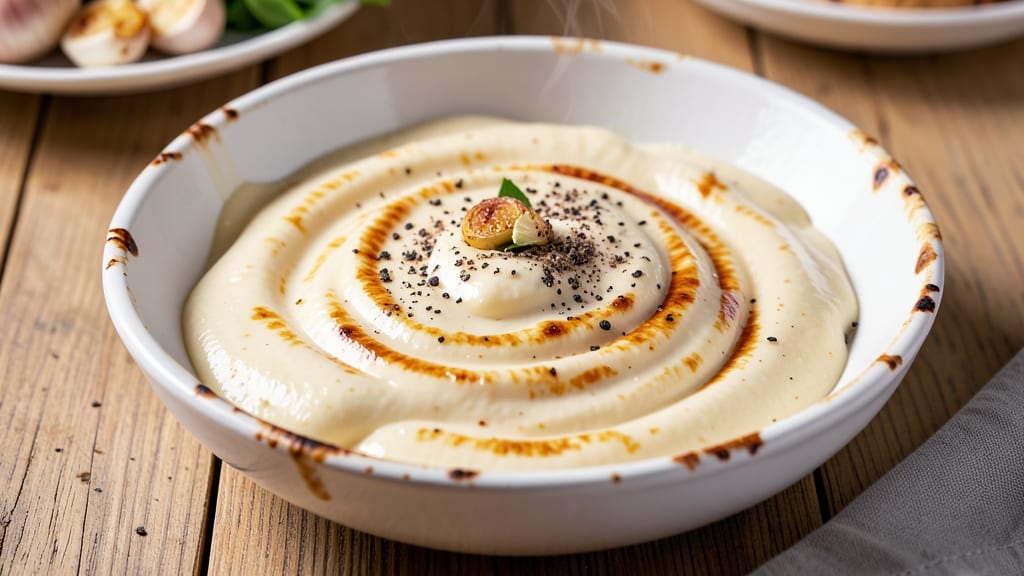
This alfredo sauce recipe with milk delivers restaurant-quality creaminess without heavy clumps or cream cheese. The secret lies in a proper roux and gradual milk incorporation, creating a velvety texture that coats pasta perfectly.
I've perfected this version over years of testing—it's the one that finally convinced even the biggest Alfredo skeptics in my family.
The magic starts with equal parts butter and flour cooked until golden, then slowly whisking in warm milk to prevent lumps. A touch of garlic and nutmeg adds depth, while black pepper brings just the right kick.
What sets this apart is how smoothly it clings to fettuccine, creating that signature creamy blanket without being overly rich.
What you'll end up with is a sauce that's silky, rich, and perfectly balanced—not too heavy, not too thin. It reheats beautifully for leftovers and freezes well for future pasta nights.
The best part? It uses simple pantry staples and comes together in just 20 minutes, making it perfect for weeknight dinners.
This version works equally well with chicken, shrimp, or as a creamy vegetable sauce. The key is patience during the thickening process—rushing leads to lumps, but taking your time guarantees that velvety perfection. Let's make this sauce!
Ingredients for alfredo sauce recipe milk no cream cheese
Eight simple ingredients transform into velvety perfection—no cream cheese needed.
| Ingredient | Amount | Notes |
|---|---|---|
| Unsalted Butter 🧈 | ½ cup | Cold, cut into small cubes |
| All-Purpose Flour 🌾 | ½ cup | For smooth roux |
| Whole Milk 🥛 | 2 cups | Warm, not boiling |
| Garlic Cloves 🧄 | 2 cloves | Minced, for depth |
| Ground Nutmeg 🌿 | ¼ tsp | Freshly grated preferred |
| Ground Black Pepper 🌶️ | ¼ tsp | Freshly cracked |
| Sea Salt 🧂 | ½ tsp | Diamond Crystal preferred |
| Extra-Virgin Olive Oil 🫒 | 1 tbsp | For finishing, optional |
The butter and flour are your foundation. Use European-style butter if you can—it has higher fat content, which means richer sauce. King Arthur flour works best for a smooth roux, but any all-purpose will do. The milk matters too—whole milk gives the best creaminess, but 2% works in a pinch. I always grab organic milk from Whole Foods or Trader Joe's—it's richer and less likely to curdle. For the garlic, freshly minced is non-negotiable—jarred minced garlic has a metallic taste that ruins everything.
No whole milk? Half-and-half or light cream works, but the sauce will be heavier. Fresh nutmeg is ideal, but ground works at half the amount. If you're missing the olive oil, a splash of heavy cream at the end adds richness. The key to avoiding lumps is patience—whisk the milk in slowly, drop by drop at first, then gradually. If you rush, you'll end up with floury bits. Pro tip: Warm the milk first—just until it's steaming, not boiling. Cold milk creates lumps every time.
This sauce keeps beautifully. Store in an airtight container in the fridge for up to 5 days, or freeze for 3 months. I like to portion it into ice cube trays—perfect for future pasta nights. When reheating, add a splash of milk to loosen it up. The sauce actually improves after a night in the fridge as the flavors meld. For extra richness, stir in a little more milk or butter when reheating—just don't overdo it or it'll get watery.
Why You'll Love This Recipe
- No Cream Cheese Needed: I’ll be real—this sauce proves you don’t need fancy shortcuts. Just butter, flour, and milk (plus garlic for that oh yeah moment), and you’ve got a velvety, nutmeg-kissed sauce that rivals store-bought. The flour-to-butter ratio is forgiving, so even if you eyeball it, it’ll still taste spot-on.
- Garlic Butter Magic: That moment when you toss in the minced garlic? Pure satisfaction. It sizzles just enough in the butter to add depth without overpowering, while the nutmeg gives it this warm, cozy finish. It’s the kind of flavor that makes you pause mid-stir and think, “Wait, is this really homemade?”
- Weeknight Dinner Hero: Between us, this sauce is my secret weapon for fettuccine nights when I’m too tired to measure cream cheese. Double the batch, toss it with pasta, and you’ve got leftovers for lunch—no reheating drama, just rich, creamy goodness every time. (Yes, even on a Tuesday night.)
- Budget-Friendly Luxury: Honestly, this recipe is the best way to stretch your grocery budget without sacrificing taste. Whole milk and butter make it feel indulgent, but it costs a fraction of what you’d spend on heavy cream or pre-made sauces. Plus, the ingredients last—so you’re not scrambling for substitutes every time you cook.
Step-by-step instructions for velvety Alfredo sauce
Here's how to make a silky, creamy alfredo without cream cheese—just rich, flavorful milk and proper technique.
Make a Smooth Roux with Butter and Flour
Melt the 0.5 cup unsalted butter in a medium saucepan over medium-low heat. Let it bubble gently, then immediately whisk in the 0.5 cup all-purpose flour. Stir constantly for 2-3 minutes until the mixture turns a pale golden color and smells nutty—this is your roux.
Watch closely here: if the roux darkens too quickly, you'll get a bitter flavor. Keep the heat low and whisk vigorously to prevent lumps. The roux should coat the back of a spoon smoothly, with no graininess. This forms the foundation of your sauce, so take your time getting it right.
Cook the Garlic and Seasonings
Reduce the heat to low and add the 2 minced garlic cloves. Cook for 30-45 seconds until fragrant but not browned—you want aroma, not bitterness. Immediately add the 0.25 tsp ground nutmeg, 0.25 tsp ground black pepper, and 0.5 tsp sea salt, stirring to combine.
Here's the thing—nutmeg adds warmth that balances the richness. Don't skip it. The spices should dissolve completely into the roux. If you notice any specks of pepper or nutmeg remaining, stir for another 10 seconds to ensure full integration.
Gradually Add Warm Milk
Slowly pour in the 2 cups warm whole milk while whisking constantly. Add it in a thin, steady stream—about ½ cup at a time—to prevent lumps from forming. Keep whisking vigorously for 3-4 minutes until the sauce thickens noticeably and coats the whisk.
The sauce should look glossy and thicken like heavy cream. If it's too thin after a few minutes, simmer gently for another 2 minutes to reduce. Never let it boil—this causes the milk to curdle. Stir frequently to distribute heat evenly.
Finish and Adjust Consistency
Remove the sauce from heat and stir in the 1 tbsp extra-virgin olive oil (if using). This adds a subtle fruity note that cuts through the richness. Taste and adjust seasoning—you might need a pinch more salt or pepper. For extra silkiness, blend with an immersion blender for 10-15 seconds to break up any tiny flour particles.
If the sauce is too thick, thin it with 1-2 tablespoons warm milk until it coats the back of a spoon smoothly. For serving, keep it warm over low heat or transfer to a thermos. This sauce is best used immediately on fettuccine or chicken, where it'll cling beautifully without clumping.
Pro Tips For Making Alfredo Sauce Recipe Milk No Cream Cheese
- Cook Low and Slow: Once you add the milk, drop the heat to a gentle simmer—not a rolling boil. I learned this the hard way when my sauce curdled like cottage cheese after I got impatient. Let it bubble softly for at least 10 minutes; the longer it cooks, the richer and silkier it gets.
- Toast the Flour First: Melt the butter over medium heat, then whisk in the flour and cook it for 1-2 minutes until it turns a light golden brown—this adds depth. Skipping this step leaves your sauce tasting flat, like you forgot the garlic entirely.
- Strain the Milk: Use cold milk straight from the fridge, and strain it through a fine-mesh sieve before adding it to the roux. Cold milk prevents lumps, and straining removes any sediment that can make your sauce grainy. (Yes, it’s extra work, but your sauce will thank you.)
- Infuse the Garlic: Instead of mincing raw garlic into the sauce, sauté 2-3 whole cloves in the butter until they’re golden and fragrant—about 2 minutes—before adding the flour. This avoids that harsh, overpowering garlic taste while packing in flavor. Remove the cloves afterward; they’re done their job.
Common mistakes when making your alfredo sauce recipe milk no cream cheese
Roux Overcooking
The biggest mistake I see is letting the roux turn brown or darken too quickly. When you cook butter and flour together, the goal is a pale golden color—not a deep amber. Overcooking creates a bitter, nutty flavor that ruins the delicate balance of your sauce.
I’ve ruined more Alfredo than I’d admit by walking away for just a minute while the roux darkened. Keep the heat medium-low and whisk constantly to maintain that perfect pale gold. 🌡️
Cold Milk Disaster
Using cold milk straight from the fridge is a recipe for lumps. Cold milk creates a shock to the roux, causing the flour to clump instead of dissolving smoothly. Always warm your milk to steaming but not boiling—just enough to feel slightly warm to the touch.
I learned this the hard way when my first batch turned into a grainy mess. A quick 30-second microwave zap (or stovetop warming) makes all the difference.
Rushing the Milk Addition
Pouring milk too quickly into the roux is another common mistake. The sauce needs time to emulsify properly, which happens gradually. Add the milk slowly, about ½ cup at a time, while whisking vigorously.
If you dump it all in at once, you’ll end up with floury bits that no amount of whisking will fix. Think of it like making a smoothie—patience prevents clumps.
Skipping the Warmth Step
Many recipes call for simmering the sauce, but the real secret is letting it rest off the heat for a few minutes. After adding the milk, let the sauce sit uncovered for 2-3 minutes before tasting. This allows the starches to fully hydrate and thicken naturally.
Skipping this step often results in a sauce that’s either too thin or too gluey. Trust me, that extra wait time makes all the difference in texture.
Over-Salting Early
Seasoning too early is a trap I’ve fallen into more than once. The flavors in Alfredo sauce develop as it cooks, so adding all the salt upfront can make the final dish taste flat or one-dimensional.
Instead, add half the salt during the roux stage and taste again at the end, adjusting as needed. The same goes for nutmeg and pepper—build the flavor gradually. A little goes a long way, and you can always add more later.
Ignoring the Olive Oil Finish
Many recipes stop at the milk, but the final touch—1 tablespoon of extra-virgin olive oil—elevates the sauce from good to restaurant-quality. This isn’t just for flavor; it adds a silky mouthfeel that prevents the sauce from feeling too heavy.
If you skip it, the sauce can taste flat or overly rich. Stir it in at the very end, and you’ll notice the difference immediately. 🫒
Nutrition facts
Frequently asked questions
Why does this recipe use milk instead of cream?
Milk creates a lighter, more balanced sauce without the heaviness of cream. The whole milk provides enough fat for creaminess while keeping the texture smooth and clump-free. Plus, it's more budget-friendly and works perfectly when combined with the proper roux technique. The key is warming the milk first—this prevents lumps and helps the flour emulsify smoothly.
Can I make this sauce without butter?
Yes, but the flavor and texture will differ significantly. For a dairy-free version, use 2 tablespoons olive oil instead of butter for the roux, but you'll need to add 1 tablespoon cornstarch mixed with 2 tablespoons cold water to help thicken the sauce properly. The sauce will be lighter but still delicious. For best results, use unsalted butter—it gives the sauce a richer flavor without adding extra salt.
How do I fix lumps if they form?
If you see lumps while adding milk, immediately remove the pan from heat and vigorously whisk with a hand mixer or immersion blender for 30-60 seconds. For stubborn lumps, strain the sauce through a fine-mesh sieve into a clean pot, then return to low heat while stirring constantly. The secret is patience—adding milk too quickly is the #1 cause of lumps. Always warm your milk first to prevent this issue entirely.
Can I use this sauce for dishes other than pasta?
This versatile sauce works beautifully with grilled chicken, shrimp, roasted vegetables, or even as a creamy dip for breadsticks. For proteins, reduce the sauce slightly longer to achieve a thicker consistency that clings well. When using as a dip, thin it with a splash of milk if needed. The nutmeg and garlic flavors complement both savory and slightly sweet dishes perfectly.
What's the best way to reheat leftovers?
Reheat gently on the stovetop over low heat, stirring frequently with a splash of milk to restore creaminess. Microwave in 30-second intervals, stirring between each, to prevent drying out. For extra richness, add 1 tablespoon butter or cream while reheating. Never boil—this causes the sauce to separate. Store leftovers in an airtight container for up to 5 days or freeze for 3 months.