
Sauces & Condiments
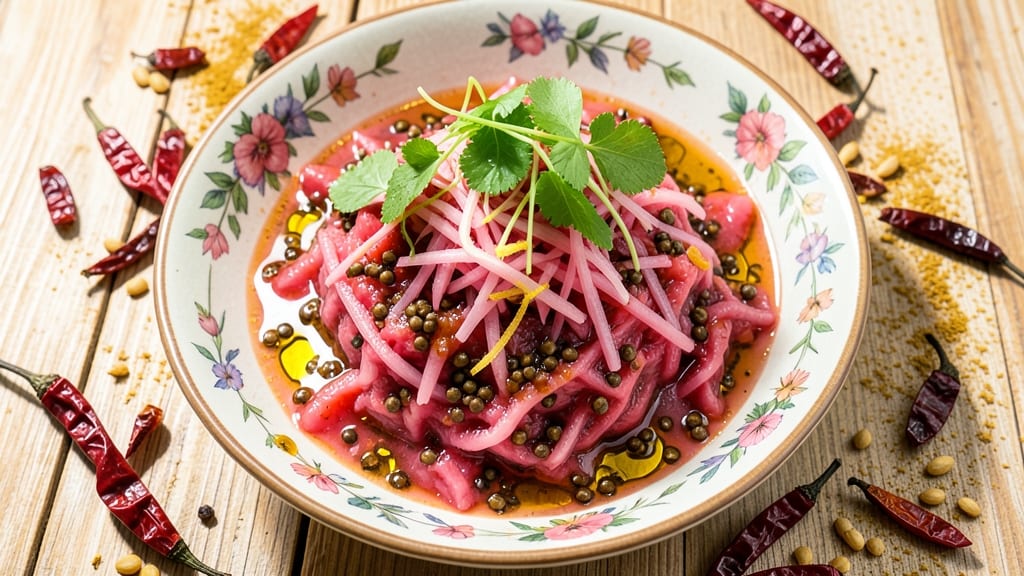
This achar sauce recipe transforms simple vegetables into a bold, tangy condiment that elevates curries, snacks, and grilled meats with every bite. The fermentation process unlocks deep, complex flavors—think crispy radishes, sweet mango, and fiery chilies all working together in perfect harmony.
What makes this sauce special is its versatility: use it as a side, a topping, or even a marinade, and you’ll never go back to store-bought versions.
The foundation of great achar lies in balancing sweet, spicy, and tangy notes, achieved through a mix of dried spices like mustard seeds, turmeric, and fenugreek. These spices infuse the vegetables with warmth and depth, while the mustard oil adds a rich, nutty aroma that’s hard to resist.
The key to success? Patience—letting the mixture ferment for at least 24 hours allows the flavors to meld into something truly extraordinary.
By the time you’re done, you’ll have a sauce that’s crispy on the edges, tangy from the fermentation, and packed with layers of flavor that cut through rich dishes.
It’s the kind of condiment that turns ordinary meals into something memorable—whether you’re drizzling it over dal, pairing it with samosas, or using it as a marinade for grilled chicken. The best part?
It keeps well in the fridge for weeks, so you can enjoy the fruits of your labor long after the cooking is done.
Ready to take your meals to the next level? This achar sauce is your secret weapon for adding bold, tangy crunch to everything from street food to gourmet dishes. Let’s get started on creating something truly special.
Ingredients for achar sauce
Nine simple ingredients transform into a tangy, crunchy condiment perfect for curries and snacks.
| Ingredient | Amount | Notes |
|---|---|---|
| Mustard Seeds 🌿 | 2 tbsp | Yellow or brown variety |
| Dried Red Chilies 🌶️ | 1 tbsp | Kashmiri or cayenne for heat |
| Turmeric Powder 🧄 | 1 tsp | Freshly ground preferred |
| Fenugreek Leaves 🌿 | ½ cup | Fresh, packed loosely |
| Mustard Oil 🫒 | ½ cup | Cold-pressed, unrefined |
| Radishes 🥕 | 1 lb | Small, firm, peeled |
| Mango Powder 🍈 | 2 tbsp | Or 1 ripe mango, grated |
| Asafoetida 🌿 | ¼ tsp | Hing powder, crushed |
| Salt 🧂 | 1 ½ tsp | Adjust to taste |
| Sugar 🍯 | 1 tbsp | White or jaggery |
Mustard oil is the soul of achar—grab the cold-pressed kind from Indian grocery stores (the ones that smell intense and nutty). If you can't find it, vegetable oil works in a pinch, but the flavor won't be quite the same. For the radishes, small, firm ones (like cherry radishes) hold up best during frying. The fenugreek leaves? Fresh is non-negotiable here—dried loses its earthy punch. If you can't find mango powder, grate a ripe mango and dry it in the sun for a homemade version.
No mustard oil? Sesame oil or coconut oil are decent substitutes, but add 1 tsp of mustard powder to mimic the aroma. Skip the asafoetida? Double the garlic powder for a similar depth. For the chilies, Kashmiri gives color without heat, while cayenne brings the fire. The sugar balances the tang—jaggery adds caramel notes if you're feeling fancy. Pro tip: Toast the mustard seeds and dried chilies in the oil first for maximum flavor.
This sauce gets better with time—ferment for 3-5 days in a warm spot for deeper flavors. Store in a clean, airtight jar in the fridge for up to 2 months. The longer it sits, the tangier it gets. For extra crunch, add a handful of fried gram flour before sealing. Freezes beautifully for 3 months—just thaw at room temp before using.
Why You'll Love This Recipe
- Pantry Magic: I swear by this sauce—no fresh produce needed. Just crack open your spice cabinet, toast the mustard seeds in mustard oil until they pop, and you’re halfway there. The dried chilies and fenugreek leaves add depth without a single trip to the market.
- Fiery Comfort: That first hit of mustard oil and red chilies? Pure satisfaction. The turmeric mellows it out just enough so it’s bold but not overpowering—like a spicy hug for your taste buds. Honestly, I’ve seen grown men reach for seconds.
- Every Meal Upgrade: Slather it on dosas, mix it into dal, or drizzle it over roti—it’s my secret weapon for turning simple meals into something special. Even my picky teenage nephew asks for it now. (Yes, even on a Tuesday night.)
- Lasts All Week: Make a big batch and store it in the fridge—it only gets better with time. A little goes a long way, so your wallet stays happy, and you’re always ready for a quick flavor boost. Between us, I’ve had this sauce for three weeks now.
Step-by-step instructions for achar sauce
Here's how to make this vibrant, tangy condiment that brings bold flavor to any dish.
Prepare the Radish Mixture
Start by grating the 1 pound of radishes into fine shreds using a box grater or food processor. You want them as small as possible—think almost like a paste. Transfer the grated radishes to a clean bowl and set aside. This texture is crucial for that signature achar consistency, so don't rush this step.
Add the 2 tablespoons of mango powder and the 1 tablespoon of sugar to the radish mixture. Mix well to combine completely. The mango powder adds natural sweetness and tanginess that balances the sharpness of the radishes. If you're using fresh mango instead, grate it finely and mix it in now along with the sugar.
Toast the Spices and Aromatics
Heat the ½ cup of mustard oil in a heavy-bottomed pan over medium heat. Once the oil is shimmering but not smoking, add the 2 tablespoons of mustard seeds. Let them sizzle for about 1 minute until they begin to pop and turn golden. This is your signal to add the 1 tablespoon of dried red chilies and the ½ cup of fenugreek leaves. Stir constantly for another 2-3 minutes until the chilies darken slightly and the fenugreek leaves wilt.
Lower the heat to medium-low and add the 1 teaspoon of turmeric powder and ¼ teaspoon of asafoetida. Stir for 30 seconds until the turmeric dissolves completely and the mixture smells aromatic. The asafoetida will add that unmistakable umami depth that makes this sauce so special. Remove the pan from heat and let the spice mixture cool for 5 minutes—this prevents the oil from separating later.
Combine and Simmer
Return the spice mixture to the pan and add the radish-mango mixture along with 1½ teaspoons of salt. Stir well to combine, then increase the heat to medium-high. Let the mixture cook for 8-10 minutes, stirring frequently, until it thickens and the raw taste of the radishes disappears. You're looking for a glossy, jam-like consistency—this is when the flavors meld beautifully.
Taste and adjust the seasoning if needed. If it's too sharp, add a pinch more sugar. If it needs more tang, you can add a splash of lemon juice or vinegar. The sauce should be bold, slightly sweet, and packed with that signature crunchy texture from the radishes.
Cool and Store
Transfer the achar sauce to a clean, dry jar and let it cool completely at room temperature. Once cooled, seal the jar tightly and store it in the refrigerator. This sauce keeps well for up to 2 weeks, though I find it gets even better after a day or two as the flavors deepen.
Use this versatile sauce to elevate curries, sprinkle over snacks like pakoras or samosas, or even mix it into salads for a tangy kick. The balance of sweet, spicy, and umami makes it a pantry staple that transforms ordinary dishes into something extraordinary.
Pro Tips For Making Achar Sauce
- CRANK THE OIL TEMPERATURE: Mustard seeds burn faster than you’d think—get your mustard oil smoking hot (just before it starts popping) before adding them. I learned this the hard way after ending up with bitter, charred seeds that ruined the whole batch.
- SOAK THE CHILIES: Toss dried red chilies in warm water for 10 minutes before grinding—it softens them and prevents a gritty texture in your sauce. (Yes, even if you’re impatient like me, this small step makes a real difference.)
- SKIP THE FENUGREEK BUNCH: Fresh fenugreek leaves wilt fast and turn bitter if overcooked. Add them only at the very end, just to wilt slightly—no need to fry them like onions. Overcooking turns them into a sad, bitter mess.
- USE LESS TURMERIC: Achar sauce doesn’t need much turmeric—start with ¼ teaspoon and adjust. Too much turns the sauce yellow and overpoweringly bitter. (Your future self will thank you for tasting as you go.)
Essential equipment for perfect results
Must-Have Tools
First up, you’ll need a heavy-bottomed stainless steel pan—I swear by my All-Clad—to toast the spices without burning them. Mustard oil has a low smoke point, so medium heat is key.
A box grater or food processor is essential for achieving that perfect fine radish texture. If you’re making this often, invest in a fine-disk attachment for your processor to save time. 🌡️
Spice Toasting Kit
For toasting spices, a small cast-iron skillet works wonders—it retains heat and adds a smoky depth to the oil. I keep a spice mortar and pestle handy to crush dried chilies and fenugreek leaves before adding them to the oil.
This step is where the magic happens, so don’t skip it! A fine-mesh strainer also comes in handy if you want to remove any larger bits after toasting. 🌶️
Fermentation Gear
Fermentation is where the tangy goodness develops, so you’ll need clean, airtight glass jars—I love Le Parfait jars for their wide mouths and tight seals. A small glass bowl with a clean kitchen towel draped over it works perfectly for the initial fermentation process if you’re not using jars.
For long-term storage, vacuum-sealed bags extend shelf life to 3 months in the freezer. 🥫
Texture Control Tools
A slotted spoon helps drain excess oil after frying the radishes for that signature crunch. For extra texture, a small frying pan and a tongs are great for quickly frying gram flour or rice flour to sprinkle on top before sealing.
If you’re feeling fancy, a mandoline ensures uniform radish slices for a professional look. 💫
Safety Essentials
Mustard oil is potent—always work near a ventilated area or under an exhaust fan to avoid fumes. A digital kitchen scale ensures precise measurements, especially for fenugreek leaves and asafoetida.
Keep a small bowl of water nearby for any accidental oil splatters. And finally, rubber gloves protect your hands from the heat and spice oils. 🛡️
Nutrition facts
Frequently asked questions
What vegetables can I substitute for radishes in this achar?
Radishes give achar its signature crunch, but you can use carrots, beets, or turnips for a different texture. For a sweeter profile, try green mango or unripe papaya—just adjust the sugar to balance the tartness.
How do I know when the achar is fermented enough?
Fermentation time depends on your climate, but aim for 3-5 days in a warm spot. The sauce will develop a tangy aroma and slight bubbles. Taste it daily—when the flavors deepen and the radishes soften slightly, it's ready. Too long? The taste becomes overly sour.
Can I make achar without mustard oil?
Yes! Use sesame oil or coconut oil instead, but add 1 tsp mustard powder to mimic the aroma. For a lighter option, try sunflower oil, though the flavor won't be as rich. Always toast the oil with spices first to enhance flavor.
Why did my achar turn out too spicy?
Over-toasting the chilies or using too many can make achar too fiery. For milder heat, reduce dried chilies to ½ tbsp or swap in Kashmiri chilies (color without heat). Balance with extra mango powder or sugar. Taste as you go!
How can I use achar in non-Indian dishes?
Drizzle over grilled meats, mix into pasta sauces, or fold into salad dressings for a tangy kick. Try it with tacos, burgers, or even popcorn for a bold snack twist. The sweet-spicy balance works globally!