
Sauces & Condiments
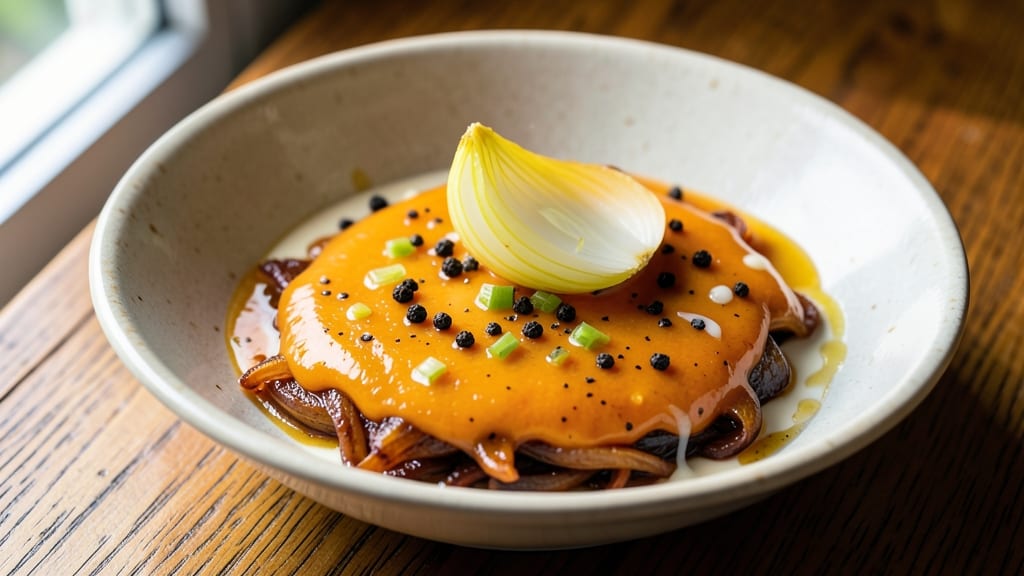
This bangus sauce recipe transforms simple ingredients into a vibrant, tangy condiment that elevates milkyfish dishes to restaurant-quality. The secret lies in balancing calamansi’s bright acidity with creamy coconut milk and a touch of vinegar, creating a sauce that’s both bold and versatile.
I’ve perfected this recipe to deliver a smooth, well-rounded flavor with just the right crunch from a celery crown garnish—no blender required for the classic version.
The sauce builds flavor through slow simmering, allowing garlic and onions to develop depth before adding the signature tangy kick of vinegar and calamansi. This method ensures every spoonful delivers a perfect harmony of sweet, sour, and umami notes, making it ideal for dipping, drizzling, or mixing into dishes.
What sets this apart is the ability to adjust heat levels to your preference—spicy or mild, it’s all in your hands.
What you’ll end up with is a glossy, aromatic sauce that clings beautifully to crispy fried bangus, transforming a simple meal into a celebration of Filipino flavors. The celery crown adds a refreshing crunch that cuts through the richness, while the creamy base ensures every bite feels indulgent.
This sauce keeps well in the fridge for up to a week, so you can make a batch and enjoy it all week long.
Perfect for serving with fried bangus, grilled seafood, or even as a tangy dressing for salads, this recipe bridges tradition and convenience. The process is straightforward, but the result is undeniably restaurant-worthy—proof that homemade can taste even better than takeout. Let’s make this sauce!
Ingredients for bangus sauce
Nine simple ingredients create this restaurant-style tangy sauce for crispy bangus.
| Ingredient | Amount | Notes |
|---|---|---|
| Calamansi Juice 🍋 | ½ cup | Freshly squeezed, about 4-5 calamansi |
| White Vinegar 💧 | ¼ cup | White or cane vinegar preferred |
| Coconut Milk 🥥 | 1 can | Full-fat for creaminess, 13.5 oz can |
| Yellow Onion 🧅 | 1 whole | Thinly sliced, about 1 cup |
| Garlic Cloves 🧄 | 6 cloves | Minced, about 1 tbsp |
| Celery Stalk 🥬 | 1 whole | Thinly sliced for garnish |
| Chili Peppers 🌶️ | 1-2 whole | Silicon or bird's eye, adjust to taste |
| Granulated Sugar 🍚 | 1 tbsp | Balances acidity |
| Salt 🧂 | 1 tsp | Kosher or sea salt |
| Olive Oil 🫒 | 1 tbsp | For sautéing onions and garlic |
Calamansi is the star here—Asian markets usually carry it fresh, but if you can't find it, lime or lemon juice works in a pinch (use half the amount). The coconut milk should be full-fat for that creamy texture—don't skimp. For the chili peppers, silicon or bird's eye gives authentic heat, but any chili will do. I like toasting the garlic cloves in the olive oil first (just until fragrant) to deepen their flavor—worth the extra minute. The celery crown is all about that fresh crunch, so grab the freshest stalk you can find.
No calamansi? Lime or lemon juice works, but you'll need about half the amount to match the tartness. Running low on coconut milk? Heavy cream plus 1 tbsp coconut extract mimics the flavor (though it won't be identical). The vinegar is non-negotiable for that signature tang, but if you're avoiding it, rice vinegar at double the amount can substitute. For heat control, remove the seeds from the chili peppers before adding them—this keeps the sauce mild but flavorful. The sugar balances the acidity, so don't skip it unless you're using a very sweet calamansi.
This sauce keeps beautifully in the fridge for up to 1 week, so make a batch and enjoy it all week. The flavors actually improve after sitting overnight as everything melds together. For serving, I like to drizzle it over crispy fried bangus or use it as a tangy dip for grilled seafood. The celery crown garnish stays crisp if you add it right before serving—no need to prep it ahead. If you make extra, freeze it in ice cube trays for perfect single-serving portions later.
Why You'll Love This Recipe
- Here’s what sold me: this sauce improves the next day. The flavors meld even better, and a quick reheat with a splash of water makes it just as rich. I keep a jar in the fridge for emergencies—whether it’s a last-minute appetizer or a quick fix for takeout cravings. Budget-friendly? Absolutely. Reliable? You bet.
- Pantry Magic: I swear by this sauce because it’s all about what’s already in my cupboard. No fancy shopping trips—just calamansi juice for that bright kick, a splash of vinegar for tang, and coconut milk to round it out. Honestly, I’ve made it three times this month, and every time, I’m reminded why I never bother with store-bought.
- Garlic-Vinegar Bliss: That first bite? Chef’s kiss. The garlic cloves, lightly fried until golden, mingle with the sharpness of white vinegar and the citrus punch of calamansi—it’s like a little flavor explosion. Between us, the onion adds this sweet, caramelized depth that makes it impossible to stop dipping.
- Weeknight Workhorse: This sauce is my go-to for lazy nights, potlucks, or when my in-laws drop by unannounced. Drizzle it over grilled bangus, toss it with rice and veggies, or even use it as a marinade. It’s the kind of dish that feels special but doesn’t require hours in the kitchen—(yes, even on a Tuesday night).
Step-by-step instructions for bangus sauce
Here's how to make this bright, tangy sauce that brings out bangus's best flavors.
Sauté the Onions and Garlic
Heat the 1 tablespoon Olive Oil in a medium saucepan over medium heat. Add the 1 whole Yellow Onion and cook for 5-6 minutes until softened and translucent. You'll know it's ready when the onions release their sweet aroma and start turning golden around the edges.
Add the 6 cloves Garlic Cloves and the 1-2 whole Chili Peppers (seeds removed if you prefer less heat). Stir for 1-2 minutes until the garlic becomes fragrant and lightly golden. Watch carefully—garlic burns fast, so keep the heat steady and stir often. This aromatic base is the foundation of the sauce's flavor.
Build the Tangy Base
Pour in the 0.5 cup Calamansi Juice and 0.25 cup White Vinegar. Stir well and let the mixture simmer for 3-4 minutes until it reduces slightly and becomes more concentrated. You'll notice the sauce thicken just a bit and the tangy aroma intensify. This step balances the richness of the coconut milk with bright acidity.
Add the 1 tbsp Granulated Sugar and 1 tsp Salt, stirring until fully dissolved. Taste the mixture—it should be pleasantly tart and slightly sweet. If you want more heat, add a pinch of salt or a dash of vinegar. This is where you can adjust the sauce to your preference before adding the coconut milk.
Finish with Creamy Coconut Milk
Reduce the heat to low and slowly pour in the 1 can Coconut Milk, stirring gently to combine. Let the sauce simmer for 5-7 minutes until it thickens slightly and becomes velvety smooth. You'll see the sauce coat the back of a spoon, indicating it's reached the perfect consistency for serving.
Taste again and adjust seasoning if needed. The sauce should be creamy, tangy, and balanced—not too sweet or overly acidic. If it's too thick, add 1-2 tablespoons of water to loosen it. Remove from heat and let it sit for 2-3 minutes to allow the flavors to meld completely.
Garnish and Serve
Transfer the sauce to a serving bowl. Thinly slice the 1 whole Celery Stalk and sprinkle it on top for a refreshing crunch. The celery adds a subtle freshness that cuts through the richness of the coconut milk and balances the tangy flavors.
Serve the sauce immediately over grilled bangus or use it as a dipping sauce for fish fillets. The warm, creamy sauce pairs perfectly with the smoky, flaky texture of bangus. If you're making it ahead, store it in the refrigerator for up to 2 days and reheat gently before serving to preserve its creamy texture.
Pro Tips For Making Bangus Sauce
- Simmer Slowly: I learned this the hard way—rushing the sauce on high heat turns it into a thin, bitter mess. Keep the heat at a gentle simmer (medium-low) once the coconut milk is in, and let it cook for at least 10 minutes. This lets the flavors meld without curdling or losing their brightness.
- Strain the Onions: Yes, even if you’re impatient like me. Finely mince the onions instead of chopping them, then strain them through a fine-mesh sieve before adding to the sauce. This removes excess moisture and prevents that watery, weak base that ruins the balance of calamansi and vinegar.
- Balance the Acid: Start with half the calamansi juice and vinegar, then taste as you go. The sauce should be tangy but not overwhelming—if it’s too sharp, a splash of coconut milk smooths it out. I’ve burned my mouth twice trying to fix an over-acid sauce, so adjust gradually.
- Toast the Garlic: Sauté the minced garlic in oil for 30 seconds until it’s golden, not brown. This deepens the flavor without bitterness, and it prevents that raw garlic taste that fights with the calamansi’s brightness. Skip this, and you’ll wonder why your sauce lacks depth.
Best sauces and condiments for bangus sauce
Classic Filipino Style
This sauce channels the soul of Filipino cuisine with its signature tangy-sweet balance. The combination of calamansi juice and white vinegar creates that signature sinigang-style tanginess, while the coconut milk adds a creamy richness reminiscent of adobo dishes.
I like toasting the garlic cloves first—just until fragrant—to deepen their flavor, which is a common technique in Filipino cooking. 🌶️
Spicy Kick Options
For those who love heat, add 1-2 whole chili peppers (like silicon or bird's eye) directly to the simmering onions and garlic. Remove seeds for mild heat or keep them for a fiery kick.
If you prefer a smoother heat, blend the sauce after cooking and strain it through a fine-mesh sieve. I often add a pinch of ground black pepper at the end for extra depth.
Creamy Variations
Want a richer sauce? Swap half the coconut milk with heavy cream for a velvety texture. For a lighter version, reduce the coconut milk to ½ can and add ¼ cup water to balance the tang.
I’ve also experimented with yogurt (¼ cup) for a tangy, creamy twist—it adds a subtle probiotic kick too!
Sweet and Tangy Balance
The 1 tablespoon sugar is key to balancing the acidity, but you can adjust it based on your calamansi’s sweetness. If using lime or lemon juice, reduce sugar to ½ tablespoon—citrus fruits tend to be sweeter.
For a caramelized touch, add 1 teaspoon brown sugar and simmer the onions longer until golden. 🍯
Storage and Reheating
Store leftovers in an airtight container in the fridge for up to 1 week. The flavors actually improve as they meld! To reheat, warm gently on the stovetop over low heat with a splash of water or coconut milk to restore creaminess.
Avoid microwaving—it can break the sauce’s silky texture. Freeze in ice cube trays for single-serving portions.
Nutrition facts
Frequently asked questions
Can I make this sauce without calamansi?
Yes! If you can't find calamansi, use lime or lemon juice instead, but reduce the amount to ¼ cup since citrus is sweeter. For extra tang, add 1 extra tablespoon of vinegar. The sauce will still taste delicious—just slightly different in brightness.
How spicy should the sauce be?
Adjust the heat to your taste! Remove seeds from chili peppers for mild heat, or keep them for a fiery kick. For a smoother sauce, blend after cooking and strain. If you love spice, add an extra ½ teaspoon of chili flakes at the end.
Can I use coconut milk substitutes?
For a lighter version, replace half the coconut milk with heavy cream or Greek yogurt (¼ cup). If you're avoiding dairy, use cashew cream (blend soaked cashews with water) for a neutral flavor. The sauce will still be creamy but with a slightly different texture.
How long does the sauce keep, and how do I reheat it?
Store in an airtight container in the fridge for up to 1 week. Reheat gently on the stovetop over low heat with a splash of water or coconut milk to restore creaminess. Never microwave—it can make the sauce grainy. For long-term storage, freeze in ice cube trays for single servings.
What’s the best way to serve this sauce?
Drizzle it over crispy fried bangus or use it as a dipping sauce for grilled seafood. It also works as a tangy dressing for salads or a marinade for chicken. For extra flair, garnish with thin celery slices or a sprinkle of chopped chives. The sauce’s creamy texture pairs perfectly with rich, fried, or grilled proteins.