
Sauces & Condiments
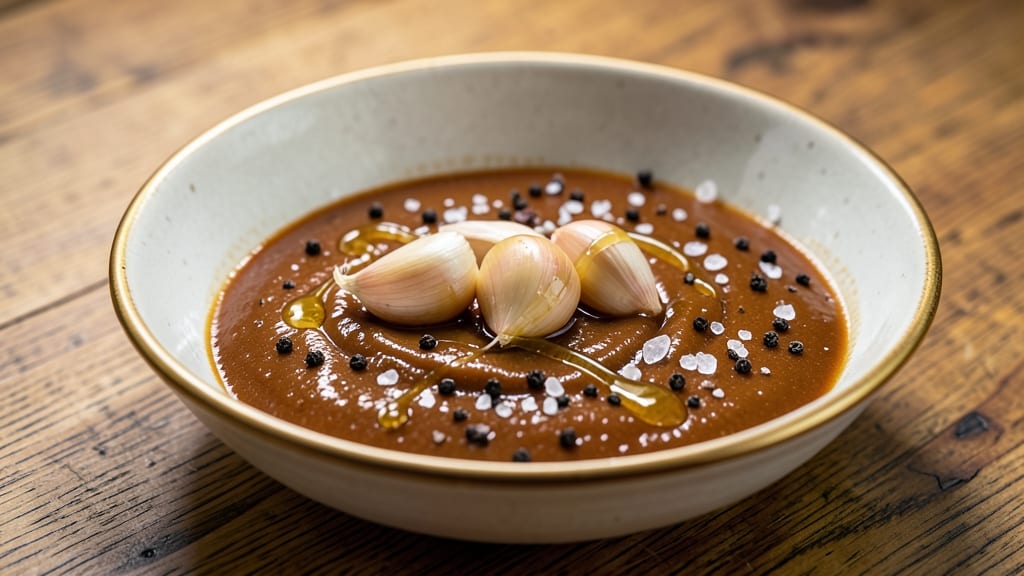
This cassareep sauce recipe transforms humble cassava flour into a rich, umami-packed base that elevates stews, curries, and marinades with deep, savory complexity. 🌟 The secret lies in slow simmering cassava flour with water until it develops a thick, velvety consistency—no artificial additives, just pure, concentrated flavor.
What starts as a simple mixture becomes a versatile sauce that adds depth to everything from hearty soups to bold curries, all while being completely plant-based.
The process is straightforward but requires patience: cassava flour is toasted lightly to deepen its nutty notes before being whisked into hot water. Simmering for 20-30 minutes transforms the mixture into a glossy, dark sauce with a texture similar to a thick gravy.
Unlike store-bought versions, this homemade cassareep retains its natural earthiness while developing layers of umami that build as it cools—a quality that makes it indispensable in Caribbean and Latin American cooking.
What sets this sauce apart is its versatility—use it as a marinade for meats, a thickener for soups, or a bold flavor booster in curries.
The sauce keeps well in the fridge for up to 2 weeks or can be frozen for longer storage, making it a pantry staple for anyone who loves rich, savory flavors. Whether you're cooking for a crowd or meal prepping, this sauce delivers restaurant-quality depth with minimal effort.
For an extra layer of complexity, finish with a splash of apple cider vinegar or minced garlic while warm, but the base sauce alone is already a game-changer. Let’s get started—your stews and curries are about to reach new heights of flavor.
Ingredients for cassareep sauce
Eight ingredients transform cassava flour into a restaurant-worthy sauce packed with umami depth.
| Ingredient | Amount | Notes |
|---|---|---|
| Cassava Flour 🌾 | 1 cup | Fine grind, unsweetened preferred |
| Filtered Water 💧 | 4 cups | Room temperature for best results |
| Apple Cider Vinegar 🍎 | 1 tbsp | For finishing touch (optional) |
| Garlic Cloves 🧄 | 2 cloves | Minced, for finishing (optional) |
| Sea Salt 🧂 | 1 tsp | Adjust to taste after simmering |
| Black Peppercorns 🌶️ | ¼ tsp | Crushed, for depth (optional) |
| Olive Oil 🫒 | 1 tbsp | Extra-virgin for richness (optional) |
| Bay Leaves 🍃 | 1 whole | Fresh or dried for aroma |
The cassava flour is the star—Bob's Red Mill or Anthony's Goods brands work best for their fine grind. Look for unsweetened versions to avoid any sugar interference. Toasting the flour lightly in a dry pan for 2-3 minutes deepens its nutty flavor, but don't burn it. The water should be filtered or at least free of chlorine, as off-flavors can ruin the sauce. I always use room-temperature water to avoid shocking the flour. For extra depth, some Caribbean cooks add a pinch of allspice or cinnamon during simmering, but it's not required.
No apple cider vinegar? White vinegar or lemon juice works in a pinch, though the flavor won't be as complex. Skipping the garlic? A dash of garlic powder or even onion powder can mimic that savory punch. The bay leaf is non-negotiable for aroma, but if you're out, thyme sprigs work too. For a richer sauce, add 1/2 cup vegetable broth instead of water—just simmer longer. The olive oil is optional but adds silkiness; if you skip it, stir in a bit of nutritional yeast for a cheesy note that pairs well with stews.
This sauce thickens as it cools, so don't over-simmer or it'll seize up. Store in a clean glass jar with a tight seal—keeps 2 weeks in the fridge or 6 months frozen. I portion mine into ice cube trays for easy use in recipes. For best results, reheat gently on the stove with a splash of water. The flavor actually improves over time, so make a big batch if you're planning to use it often. Freeze extras in 1/4 cup portions for convenience.
Why You'll Love This Recipe
- Five-Ingredient Magic: I swear by this—just flour, water, vinegar, garlic, and salt. No fancy gadgets, no last-minute grocery runs. The cassava flour does the heavy lifting while I handle the garlic in under five minutes.
- Tangy-Garlicky Kick: That apple cider vinegar cuts through the earthiness of the cassava, and when you crush fresh garlic into the mix? Chef’s kiss. It’s the kind of sauce that makes you reach for seconds without even thinking.
- Dips, Drizzles, Everything: Slather it on grilled fish, toss it with roasted veggies, or serve it alongside fried plantains. Honestly, I’ve used it in place of mayo in sandwiches—it’s that versatile. The texture clings like a dream.
- Lasts All Week: Make a big batch (it’s cheap to do!) and store it in the fridge. The flavor actually deepens over time—perfect for lazy weeknights when you’re too tired to cook from scratch. My go-to for when I forget to meal prep.
Step-by-step instructions for cassareep sauce
Here's how to create this rich, umami-packed sauce from scratch—simple steps, bold results.
🍳 Step 1: Create the Cassava Slurry
In a medium saucepan, combine the 1 cup cassava flour with 2 cups of the filtered water. Whisk vigorously until completely smooth—no lumps allowed. This slurry is your sauce foundation, and proper mixing ensures a velvety texture. Keep the remaining 2 cups filtered water nearby for later.
Place the saucepan over medium heat and stir constantly with a wooden spoon. You'll see the mixture thicken gradually, but don't let it boil—just maintain a gentle simmer. The cassava will begin to break down, releasing its natural starches that create that signature cassareep body. This process takes about 5-7 minutes, so stay attentive to prevent burning.
🔥 Step 2: Simmer and Develop Flavor
Once the slurry thickens noticeably, pour in the remaining 2 cups filtered water and stir well. Add the 1 whole bay leaf and bring to a gentle boil. Here's where the magic happens: reduce heat to low and let it simmer uncovered for 20-25 minutes, stirring occasionally.
You're looking for the sauce to reduce by about 30%—it should coat the back of a spoon but still flow freely. The aroma will deepen as the cassava develops its characteristic earthy, slightly sweet notes. This simmering step builds the sauce's umami complexity that makes it perfect for stews and curries. If it looks too thick, add 1-2 tablespoons water to adjust consistency.
👨🍳 Step 3: Finish with Aromatics and Acid
Remove the sauce from heat and let it cool slightly for 2 minutes. Add the 1 tbsp olive oil and stir in thoroughly—this adds richness and helps balance the sauce's earthy flavors. Then add the 2 cloves minced garlic, 1 tsp sea salt, and 0.25 tsp crushed black peppercorns, stirring well to distribute.
For that final touch, stir in the 1 tbsp apple cider vinegar. This brightens the sauce and cuts through the richness, creating balance. Taste and adjust seasoning—you might want to add a pinch more salt or a splash more vinegar depending on your preference. The sauce should be tangy, savory, and slightly peppery with a smooth cassava base.
⏰ Step 4: Strain and Store
Strain the sauce through a fine-mesh sieve into a clean bowl or jar, pressing gently on the solids to extract maximum flavor. Discard the bay leaf and any remaining solids. The finished sauce should be smooth with a deep amber color and a rich, velvety texture. For immediate use, stir it into your favorite stew or curry—it's that good.
For storage, let the sauce cool completely, then transfer to an airtight container. It'll keep in the refrigerator for up to 1 week or can be frozen for up to 3 months. The flavors actually deepen over time, making this a versatile pantry staple. Use it as a base for soups, a marinade for meats, or a glaze for roasted vegetables—this sauce transforms any dish.
Pro Tips For Making Cassareep Sauce
- STIR CONSTANTLY AT FIRST: The first 3 minutes of simmering cassava flour with water are where lumps turn to silky sauce—ignore this, and you’ll end up with a gluey mess. Use a whisk or wooden spoon and keep those arms moving until it’s smooth as paint.
- MINCE GARLIC FINE: Whole cloves or rough chopping means you’re chewing instead of tasting. Smash each clove flat with the side of your knife, then mince into tiny specks—this way, every bite gets that bright, punchy garlic flavor without bitterness.
- ACIDIFY GRADUALLY: Pouring all the apple cider vinegar in at once can curdle the sauce. Start with half, let it simmer 2 minutes, then add the rest—this keeps the texture velvety and the tang balanced.
- SALT THE WATER FIRST: Toss a pinch of sea salt into the water before adding cassava flour—it dissolves completely and seasons the sauce from the start. Skipping this step means you’ll be chasing flavor with extra salt later.
Perfect pairings for cassareep sauce
Stew and Curry Base
This sauce is a game-changer for Caribbean-inspired stews like oxtail or callaloo. Stir in 1/2 cup cassareep sauce during the last 15 minutes of cooking to let the flavors meld.
For curries, add 1/4 cup at the end with 1 tbsp coconut milk for a velvety finish. The umami depth replaces traditional soy sauce while keeping it plant-based. 🌶️
Marinade Magic
Use cassareep sauce as a marinade for grilled chicken or fish—just mix 1/4 cup sauce with 2 tbsp lime juice and 1 tbsp olive oil. Let proteins marinate for 2-4 hours before grilling.
The sauce tenderizes while infusing bold, earthy notes. I love using it on snapper fillets for a restaurant-worthy Caribbean twist.
Soup Thickener
Transform thin soups into hearty meals by adding 1/3 cup cassareep sauce at the end of cooking. It thickens beautifully while adding depth—perfect for lentil or pumpkin soups.
For extra richness, stir in 1 tbsp tahini after adding the sauce. The result? A smooth, velvety texture with layers of umami. 🥄
Dipping Sauce
Create a quick dipping sauce by mixing 1/4 cup cassareep with 1 tbsp maple syrup and 1 tsp smoked paprika. Serve with fried plantains or yuca fries for a sweet-savory contrast. The sauce's natural tanginess pairs perfectly with fried foods, cutting through the oil.
Beverage Booster
Add 1-2 tablespoons cassareep sauce to golden milk or spiced chai for a savory twist. The earthy notes complement warm spices like cinnamon and cardamom. For a non-dairy option, blend with almond milk and turmeric. It’s an unexpected but delicious way to enjoy this versatile sauce beyond savory dishes.
Nutrition facts
Frequently asked questions
Can I substitute cassava flour with tapioca starch?
While tapioca starch can thicken sauces, it won't provide the same rich, earthy flavor profile that cassava flour delivers. For a closer match, use 1/2 cup tapioca starch plus 1/2 cup cornstarch—but expect a milder taste. The sauce will still work, but the depth of umami will be noticeably different. For authentic results, stick with cassava flour.
How do I fix a sauce that's too thick or grainy?
If your sauce is too thick, whisk in 1-2 tablespoons warm water at a time until it reaches a smooth, pourable consistency. For graininess, strain it through a fine-mesh sieve again, pressing gently on the solids. If the texture is still off, simmer the strained sauce for an extra 5 minutes to break down any remaining starch particles.
What dishes work best with cassareep sauce?
This sauce shines in hearty stews like oxtail or callaloo, bold curries, and marinades for grilled meats or fish. It also elevates soups, dipping sauces, and even savory beverages. Start with 1/4 cup per serving for stews and 1-2 tablespoons for soups or marinades. The sauce's umami depth makes it a perfect soy sauce substitute in plant-based cooking.
Can I make cassareep sauce without vinegar?
Yes! While vinegar adds brightness, you can skip it and rely on the natural tang from the cassava and bay leaf. For extra depth, add a pinch of smoked paprika or 1/2 teaspoon lemon juice instead. The sauce will still be flavorful, though slightly less balanced without the acidity. Taste as you go and adjust seasoning to your preference.
How long can I store homemade cassareep sauce?
Store in an airtight container in the fridge for up to 2 weeks, or freeze for 3-6 months** in ice cube trays for easy portioning. The flavors actually improve over time, deepening as it sits. For best results, thaw frozen sauce in the fridge overnight before using. Avoid reheating directly from frozen to preserve texture.