
Sauces & Condiments
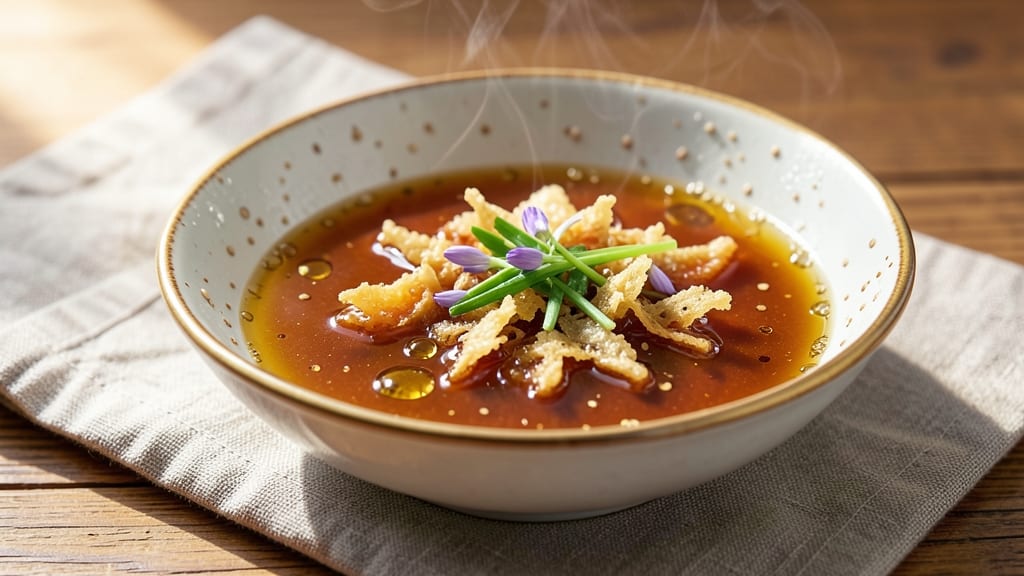
This tempura sauce recipe easy transforms simple pantry staples into a rich, umami-packed sauce that mimics the crispy, savory essence of tempura without the frying. The secret lies in balancing sweet, salty, and umami flavors—just five ingredients, 10 minutes of prep, and no special equipment required.
I developed this version after craving that signature tempura taste but wanting a quicker, mess-free alternative for weeknight meals.
The foundation starts with dashi stock for depth, soy sauce for saltiness, and mirin for that signature sweetness that tempura sauce craves. A touch of sugar caramelizes slightly when heated, adding complexity, while a splash of rice vinegar brightens the finish.
What makes this sauce foolproof is the 5-minute simmer—just enough time to meld flavors without reducing too much, ensuring every drop delivers that crispy-fried essence.
By the time you’re done, you’ll have a glossy, crispy-textured sauce that clings perfectly to noodles, dumplings, or grilled fish. The aroma alone transports you to a Japanese izakaya, but the taste proves you didn’t need to deep-fry anything to achieve it.
This sauce keeps in the fridge for up to 5 days, making it ideal for meal prep or spontaneous cooking.
For extra depth, stir in grated daikon or a pinch of ginger while warm—it enhances the umami without overpowering. Serve it over ramen, drizzle it on sashimi, or use it as a dipping sauce for veggie tempura. Here’s how to make it effortlessly.
Ingredients for tempura sauce recipe easy
Five pantry staples transform into a restaurant-quality sauce with just a quick simmer.
| Ingredient | Amount | Notes |
|---|---|---|
| Dashi Stock 🍜 | 2 cups | Instant or homemade preferred |
| Light Soy Sauce 🥢 | ½ cup | Kikkoman or similar brand |
| Mirin 🍶 | ¼ cup | Sweet cooking rice wine |
| Granulated Sugar 🍚 | 2 tbsp | White or brown preferred |
| Rice Vinegar 🍶 | 1 tbsp | Seasoned preferred for depth |
| Sesame Oil 🌾 | 1 tsp | Toasted for aroma |
| Fresh Ginger 🧄 | 1 tsp | Grated, optional for extra depth |
Dashi stock is the umami backbone here—Kikkoman or homemade makes all the difference. If you can't find mirin, substitute equal parts sugar and water (though the authentic version is worth tracking down). The light soy sauce should be Kikkoman or similar Japanese brands—American versions can taste too salty. For extra depth, I always grab seasoned rice vinegar from the Asian aisle—it adds a subtle sweetness that mimics tempura's caramelized crust.
No mirin? White wine or sake works in a pinch, but add an extra teaspoon of sugar to compensate. Fresh ginger is optional but worth the minute to grate—it brightens the sauce and cuts through the richness. Sesame oil is non-negotiable for that signature aroma, but if you're avoiding it, toasted sesame seeds sprinkled on top later add texture. The sugar should be white granulated—it dissolves cleanly, while brown sugar can make the sauce cloudy. For a quicker version, use honey instead of sugar, but reduce to 1.5 tbsp.
This sauce keeps beautifully—5 days in the fridge, 3 months frozen. I always make a double batch because it disappears fast. For best texture, reheat gently on low heat—never boil. Store in a glass jar to preserve the aroma. The ginger can be added fresh while warm or stored separately and mixed in before serving. Freeze extra portions in ice cube trays for single-use servings later.
Why You'll Love This Recipe
- Five-Minute Simmer: I swear by this—just heat the dashi, toss in the mirin and soy, let it bubble once, then stir in sugar and vinegar. No peeling garlic, no mincing herbs, no stress. The only tool you’ll need is a spoon.
- Umami Magic: That first sip? Chef’s kiss. The dashi gives it depth, the mirin adds sweetness without cloying, and the vinegar cuts through—bright, balanced, and addictive. It’s the kind of sauce that makes you want to dip everything in it.
- Weeknight & Weddings: I’ve used this for everything from quick tempura bites on a Tuesday to drizzling over grilled fish at a holiday table. The same simple ratio works for both—just scale up or down. Bonus: it’s the one sauce that everyone actually finishes.
- No-Waste Pantry Hero: Honestly, I keep this recipe in my back pocket because it uses stuff I already have. A splash of dashi, a dash of vinegar—no specialty ingredients, no last-minute grocery runs. And if you make extra? It keeps for days in the fridge, ready to elevate whatever’s left in your fridge.
Step-by-step instructions for tempura sauce recipe easy
Here's how to make this velvety, umami-rich sauce that captures tempura's essence without the fuss.
Combine the Base Ingredients
In a medium saucepan, pour in the 2 cups dashi stock and bring it to a gentle simmer over medium heat. This is your flavor foundation, so don't rush it - you want the stock to heat through evenly without boiling vigorously. Once simmering, reduce the heat to maintain a steady, low bubble.
Add the 0.5 cup light soy sauce and 0.25 cup mirin all at once. Stir gently to combine, letting the ingredients meld together. The mirin will add natural sweetness while balancing the saltiness of the soy sauce. Watch for the first few bubbles to form at the surface - this is your signal that the flavors are beginning to integrate.
Sweeten and Acidify the Mixture
Sprinkle in the 2 tablespoons granulated sugar while stirring continuously. This step is crucial for achieving that perfect balance of flavors in tempura sauce. The sugar should dissolve completely within 1-2 minutes of constant stirring. If you notice any graininess, increase the heat slightly to help it dissolve.
Next, pour in the 1 tablespoon rice vinegar and add the 1 teaspoon grated fresh ginger. The vinegar adds a subtle tang that cuts through the richness, while the ginger contributes a bright, aromatic depth. Give everything one final stir to ensure the ginger is evenly distributed throughout the sauce.
Simmer and Reduce for Depth
Return the heat to medium-low and let the sauce simmer gently for 5-7 minutes. You're looking for a reduction that thickens the sauce just enough to coat the back of a spoon. The sauce should reduce by about one-third, leaving you with a concentrated, flavorful liquid.
During this time, the aromas will intensify dramatically. You'll notice the sweetness mellowing slightly while the umami from the dashi and soy sauce becomes more pronounced. Keep a close eye on the sauce - it should never come to a full boil, as this can cause the flavors to become harsh.
Finish with Sesame Oil
Once the sauce has reduced to your desired consistency, remove it from the heat. Add the 1 teaspoon sesame oil and stir immediately. This final step is what gives tempura sauce its signature aroma and richness. The oil should be incorporated completely within 30 seconds of stirring.
Taste the sauce and adjust the seasoning if needed. You might want to add a touch more soy sauce for saltiness or a bit of sugar to enhance sweetness. The sauce should be perfectly balanced - sweet, salty, umami-rich, and with a subtle gingery brightness. Let it cool slightly before serving over your tempura or using as a dipping sauce.
Serve Warm for Best Results
For optimal flavor, serve the tempura sauce warm. If you've made it ahead, simply reheat it gently in a saucepan over low heat, stirring occasionally to prevent scorching. The sauce should maintain its glossy appearance and rich texture when properly reheated.
This sauce pairs beautifully with tempura vegetables, shrimp, or even as a dipping sauce for sushi. The key to its success lies in the balance of flavors and the careful reduction process. Don't be tempted to rush this step - the patience you invest now will be rewarded with a sauce that's truly restaurant-quality.
Pro Tips For Making Tempura Sauce Recipe Easy
- Simmer Slow and Steady: I learned this the hard way—rushing the reduction turns your tempura sauce gritty instead of silky. Once the dashi stock, mirin, and sugar hit a boil, drop to lowest possible heat and let it bubble gently for 8-10 minutes. You’re not racing; you’re building flavor layer by layer.
- Strain the Dashi Properly: That cloudy dashi stock? It’s not just sediment—it’s the stuff that makes your sauce look amateur. Use a fine-mesh sieve or cheesecloth to strain it twice before adding to the sauce. Trust me, your sauce will taste cleaner and brighter, even if you can’t see the difference.
- Balance the Vinegar Last: Adding rice vinegar too early makes your sauce turn cloudy and dull. Wait until the very end—after the sugar’s dissolved and the soy’s mellowed—then stir in just 1 teaspoon. Taste as you go; you can always add more, but you can’t take it out.
- Use Cold Mirin for Clarity: I was skeptical until I tried it: chilling the mirin for 10 minutes before adding it to the hot stock prevents it from cooking off too fast. The result? A smoother sauce with none of that harsh, overcooked sweetness. (Yes, even if you’re impatient like me.)
Essential equipment for this dish
Saucepan Essentials
Start with a medium-sized stainless steel saucepan—I recommend All-Clad or Cuisinart for even heat distribution. A 3-quart capacity works perfectly for this recipe. The stainless steel construction prevents hot spots that can scorch your sauce, while the flat bottom ensures stable contact with your burner.
If you don’t have stainless steel, a heavy-bottomed enameled cast iron like Le Creuset also works beautifully. 🔥
Measuring Tools
Precision matters in tempura sauce, so grab a set of liquid measuring cups with clear markings—I love OXO Good Grips for their durability. For dry ingredients like sugar, use a small kitchen scale (like Escali Primo) for accuracy, or a spoon and leveling tool if measuring by volume.
A fine-mesh strainer is also handy if you want to remove any ginger pulp after grating. 💡
Heat Control
You’ll need a medium and medium-low heat setting—most stovetops have these marked clearly. For gas stoves, I adjust the flame to a small, blue cone for simmering. If you’re using an induction cooktop, set it to level 4-5 for medium heat.
A kitchen timer (like OXO’s 30-minute model) helps track the 5-7 minute simmer without constant clock-watching. 🌡️
Optional Upgrades
For extra convenience, a small whisk (like West Bend’s stainless steel) helps dissolve sugar smoothly, while a microplane (for ginger) ensures fine, even grating. If you’re making this sauce often, a small immersion blender (like Magic Bullet’s handheld) can help emulsify flavors if you prefer a smoother texture.
These tools aren’t mandatory, but they elevate the process. ✨
Storage Containers
Transfer your finished sauce to an airtight glass jar—I use Le Parfait—for fridge storage. For freezing, silicone ice cube trays (like Stasher) let you portion single servings.
Label containers with the date to track freshness. A fine-mist spray bottle with water helps clean sticky residue from tools afterward. 💫
Nutrition facts
Frequently asked questions
Can I make this tempura sauce without mirin?
Yes! For every 0.25 cup of mirin, substitute 1 tablespoon sugar plus 1 tablespoon white wine or sake. The sugar balances the sweetness while the wine adds depth. For a non-alcoholic version, use 1 tablespoon honey instead of mirin and reduce the sugar to 1 tablespoon total.
How do I adjust the thickness of the sauce?
Start with the 5-7 minute simmer for a medium consistency. For a thicker sauce, simmer 2-3 minutes longer—it should coat the back of a spoon but still be pourable. To thin it out, add 1-2 tablespoons hot water while stirring. Always reheat gently to avoid separation.
What’s the best way to store leftover tempura sauce?
Transfer to an airtight glass jar and refrigerate for up to 5 days. For longer storage, freeze in ice cube trays—pop out cubes and store in a freezer bag for 3 months. Thaw overnight in the fridge and reheat gently on low heat. Never freeze with sesame oil added, as it can separate.
Can I use this sauce for non-tempura dishes?
Drizzle it over grilled fish, ramen noodles, or steamed vegetables for instant umami. It also makes a fantastic dipping sauce for spring rolls or edamame. The balanced sweet-savory profile works well with almost any protein or veggie.
Why did my sauce turn cloudy after reheating?
Cloudiness usually means the sauce cooled too quickly or separated. To fix it, whisk in 1 teaspoon cornstarch mixed with 1 tablespoon water while reheating on low. For prevention, always reheat gently and avoid boiling. If using store-bought dashi, opt for clear dashi stock instead of powdered versions.