
Sauces & Condiments
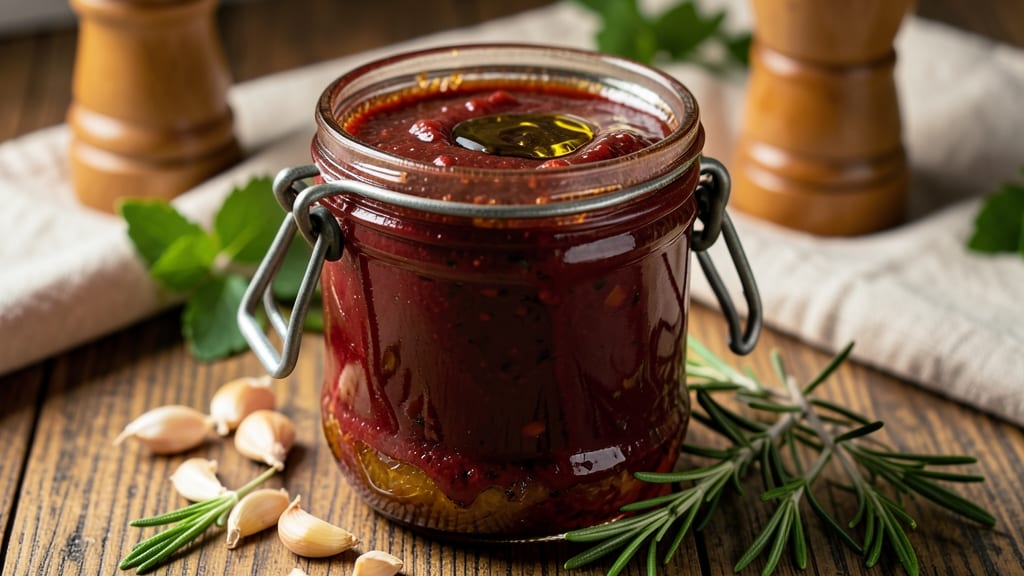
This canning homemade BBQ sauce recipe transforms simple pantry staples into a rich, layered sauce with deep smoky-sweet flavors—preserved naturally without artificial additives. The key lies in balancing vinegar, molasses, and spices while maintaining the proper acidity for safe canning.
I developed this version after years of testing, ensuring each batch delivers restaurant-quality depth with a smooth, velvety texture that clings perfectly to ribs, pulled pork, or grilled chicken.
The process begins with a slow-cooked reduction of tomatoes, vinegar, and sweetener, where flavors meld into harmony. Sterilizing jars and lids properly is critical—this isn’t just about taste, but safety.
The sauce’s acidity (thanks to vinegar and tomato juice) creates an environment that prevents spoilage, allowing you to store it for up to a year. Unlike commercial sauces, this version avoids high-fructose corn syrup and artificial preservatives, making it healthier without sacrificing flavor.
What sets this recipe apart is the smoky-sweet layered flavor achieved through a blend of liquid smoke, brown sugar, and black pepper—subtle enough to enhance, never overpower. The canning method preserves every nuance, so your homemade sauce stays vibrant and delicious long after the initial batch.
Whether you’re a backyard pitmaster or a weekend griller, this sauce will elevate your cookouts with professional-level results.
Perfect for gifting, stocking your pantry, or feeding a crowd, this recipe scales easily while maintaining consistency. The instructions walk you through every step—from sterilization to sealing—so you can confidently preserve your sauce without guesswork.
Once opened, store in the refrigerator for up to 3 months, though I doubt you’ll have leftovers that long.
Ingredients for canning homemade bbq sauce
Pantry staples meet smoky depth—no shortcuts, just layered flavor preserved perfectly.
| Ingredient | Amount | Notes |
|---|---|---|
| Extra-Virgin Olive Oil 🫒 | ¼ cup | Lightly toasted for depth |
| Yellow Onion 🧅 | 1 whole | Diced into 1/4-inch pieces |
| Garlic Cloves 🧄 | 4 cloves | Minced for aromatic base |
| Canned Crushed Tomatoes 🍅 | 2 cups | San Marzano preferred |
| Apple Cider Vinegar 🍎 | ½ cup | For tangy acidity |
| Molasses 🍯 | ¼ cup | Unsulfured for richer flavor |
| Light Brown Sugar 🍚 | ½ cup | Packed firmly |
| Liquid Smoke 🔥 | 1 tbsp | Adjust for smokiness |
| Ground Black Pepper 🌶️ | 1 tsp | Freshly cracked |
| Ground Cinnamon 🌿 | ½ tsp | For subtle warmth |
| Mustard Powder 🧂 | 1 tsp | Yellow or Dijon |
| Salt 🧂 | 1 ½ tsp | Diamond Crystal preferred |
| Water 💧 | 1 cup | For thinning consistency |
The tomatoes are the foundation, so San Marzano cans are worth the splurge—they’re sweeter and less acidic. Trader Joe’s and Whole Foods carry them year-round, or check the Italian section at your grocery store. Molasses adds that deep, caramelized note, but if you can’t find unsulfured, regular works in a pinch (just reduce by 1 tbsp). The apple cider vinegar isn’t just for tang—it’s critical for safe canning, so don’t skimp. For liquid smoke, Queen City is the brand I trust, but any food-grade version will do. Toast the olive oil gently in a saucepan first—it adds a nutty depth that transforms the sauce.
No molasses? Maple syrup at half the amount works, though it’ll be less rich. Short on vinegar? White wine vinegar or lemon juice can substitute, but taste as you go—the acidity level matters for both flavor and safety. Want more heat? Add a pinch of cayenne or a dash of hot sauce. The brown sugar can be swapped for coconut sugar if you prefer, but it’ll have a slightly different caramelization. And if you’re making a big batch, double the spices—they’ll mellow out during the long simmer, but you’ll thank yourself later. The mustard powder is non-negotiable; it’s what gives that classic BBQ tang.
This sauce keeps for up to a year in sterilized jars—just make sure your pH is safe (aim for 4.6 or lower). Once opened, it’ll last 3 months in the fridge, though I’ve never had leftovers that long. For gifting, use wide-mouth pint jars—they’re easier to open and look professional. Label them with the date and ‘refrigerate after opening.’ The flavor actually improves over time, so make extra. Store unopened jars in a cool, dark place, and if you notice any mold or off smells, toss it—better safe than sorry.
Why You'll Love This Recipe
- No-Fuss Pantry Magic: I swear by this sauce—just olive oil, onions, and tomatoes simmering until it’s thick and glossy. No fancy ingredients, no stress, and honestly? It’s the kind of thing you’ll make again and again because it works.
- Sweet-Tangy Balance: That apple cider vinegar cuts through the richness of the olive oil and tomatoes like a dream. The garlic? Oh, it’s there—just enough to make your taste buds sit up and take notice without overpowering.
- Year-Round Staple: Freeze jars for lazy weeknights or slap it on ribs during summer BBQs. I’ve used it on pulled pork, baked beans, even as a marinade for chicken—it’s the unsung hero that never lets me down.
- Budget Wins: A single batch costs pennies compared to store-bought, and it keeps for months. Between us, I’ve fed a crowd of six for under $10 using this sauce as the star—no guilt, all flavor.
Step-by-step instructions for canning homemade BBQ sauce
Here's how to create a rich, layered barbecue sauce that can be safely preserved for months.
Sauté Aromatics for Deep Flavor
Heat the 0.25 cup extra-virgin olive oil in a large saucepan over medium heat. Add the 1 whole yellow onion, diced into ¼-inch pieces, and cook for 5-6 minutes until softened and translucent. The onions should release their natural sweetness without browning.
Add the 4 cloves minced garlic and continue cooking for another 1-2 minutes until fragrant. You'll know it's ready when the garlic releases its aroma—don't let it burn, or it'll turn bitter. This aromatic base forms the flavor foundation of your sauce, so take your time here.
Build the Sauce Base with Tomatoes and Vinegar
Pour in the 2 cups canned crushed tomatoes and 0.5 cup apple cider vinegar, stirring to combine. Bring the mixture to a gentle boil, then reduce heat to medium-low and let it simmer uncovered for 15 minutes. This allows the acidity to develop and the flavors to meld together.
The vinegar will help preserve the sauce during canning, so don't skip this step. You'll notice the sauce thickening slightly as it cooks—this is normal and indicates the tomatoes are breaking down. Stir occasionally to prevent sticking.
Add Sweet and Smoky Elements
In a small bowl, whisk together the 0.25 cup molasses, 0.5 cup light brown sugar, 1 tbsp liquid smoke, 1 tsp mustard powder, 1.5 tsp salt, 1 tsp ground black pepper, and 0.5 tsp ground cinnamon. Gradually pour this mixture into the simmering sauce, stirring constantly to prevent scorching.
The molasses and brown sugar will create a rich, caramelized depth, while the liquid smoke adds that essential barbecue character. The mustard powder provides a subtle tang that balances the sweetness. Simmer the sauce for another 10 minutes, stirring frequently, until it thickens to your desired consistency.
Adjust Consistency and Prepare for Canning
If the sauce is too thick, thin it with the 1 cup water until it reaches a pourable consistency—it should coat the back of a spoon but still be smooth. Taste and adjust seasoning if needed, adding more salt, sugar, or vinegar as necessary. The sauce should have a perfect balance of sweet, smoky, and tangy flavors.
Once the sauce reaches the ideal consistency, remove it from heat and let it cool to room temperature. This cooling period is crucial before canning—it allows the sauce to settle and prevents jar breakage during processing.
Safely Can the BBQ Sauce
Ladle the cooled sauce into sterilized pint or half-pint canning jars, leaving ½-inch headspace at the top. Use a funnel to prevent spills. Wipe the rims of the jars with a clean, damp cloth to ensure proper seal formation.
Place lids on the jars and screw on bands until fingertip-tight. Process pint jars in a boiling water bath for 1 hour 15 minutes and half-pint jars for 1 hour, adjusting for altitude if necessary. This heat treatment ensures the sauce is safe for long-term storage while preserving its rich flavors.
Pro Tips For Making Canning Homemade Bbq Sauce
- Sweat the Onion: Cut the onion into ½-inch chunks and cook them in the olive oil over medium-low heat until they’re soft and translucent—about 10 minutes. I learned this the hard way: rushing this step leaves raw onion bits that make your sauce taste bitter and uneven. (Yes, even if you’re impatient like me.)
- Crush Garlic Properly: Smash the garlic cloves with the flat side of your knife before adding them to the pot. This releases more flavor without burning, and you won’t waste time fishing out whole cloves later. I skip this sometimes, and the sauce never feels as rich.
- Simmer, Don’t Boil: Keep the heat at a gentle simmer (tiny bubbles, not a rolling boil) once the tomatoes and vinegar are added. Boiling burns off the acidity and concentrates the sugars too fast, making your sauce taste sharp and one-dimensional. Think "low and slow"—this is where depth happens.
- Strain the Tomatoes: After crushing the tomatoes, strain out the seeds and skins through a fine-mesh sieve. It’s extra work, but it cuts down on gummy texture and keeps the sauce silky smooth. (Your future self will thank you—trust me, I’ve canned both ways.)
Wine and beer pairings for this canning homemade bbq sauce
Sweet BBQ Sauce Wines
A dry Riesling from Germany or Washington State is my go-to pairing—its crisp acidity and honeyed notes complement the sauce’s molasses and brown sugar beautifully. Look for a Kabinett-level Riesling with 10-12% ABV to balance the smoky depth without overpowering it.
I love Dr. Loosen Blue Slate or Chateau Ste. Michelle for their citrus and stone fruit undertones that bridge the sauce’s sweetness and tang. 🍷
Bold Red Options
For those who prefer red, a Zinfandel from California’s Central Coast delivers rich berry flavors that harmonize with the sauce’s caramelized sweetness. Choose a 14-15% ABV example like Seghesio Sonoma Coast or Ravenswood Old Vine—their jammy notes and subtle oak enhance the smoky layers.
If you want something lighter, a Grenache from Spain or the Rhône Valley offers red fruit brightness that cuts through the richness.
Beer Pairings
A honey brown ale like New Belgium Fat Tire or Allagash Brown is perfect—its malty sweetness and caramel notes mirror the sauce’s depth while the slight roastiness in the beer complements the liquid smoke.
For a hoppier option, try a American amber ale such as Sierra Nevada Pale Ale, where citrusy hops provide a refreshing contrast to the sauce’s richness. 🍺
Non-Alcoholic Choices
For a refreshing non-alcoholic option, a sparkling hibiscus tea (like Tazo Hibiscus Sparkling Tea) adds a tart, floral brightness that cleanses the palate between bites. Alternatively, a ginger beer with 10-15% ginger content (such as Feather Ginger Beer) brings a zesty kick that balances the sauce’s sweetness.
Both options work beautifully with grilled meats slathered in your homemade BBQ sauce.
Regional Adaptations
In the South, where BBQ sauce is king, a sweet tea (brewed with 2 tbsp honey per quart) is a classic pairing that enhances the sauce’s molasses notes.
For Kansas City-style BBQ, a bourbon barrel-aged beer like Goose Island Bourbon County Stout adds a smoky, caramelized depth that echoes the sauce’s liquid smoke.
Meanwhile, in Carolina, a peach iced tea** (made with ½ cup peach nectar per gallon) provides a fruity contrast to the tangy-sweet sauce. 🍑
Nutrition facts
Frequently asked questions
Why is vinegar essential in canned BBQ sauce?
Vinegar is critical for two reasons: it creates the proper acidity level (pH 4.6 or lower) needed for safe canning, and it adds tangy depth to the flavor. The recipe uses apple cider vinegar because it balances sweetness while ensuring your sauce stays safe to eat for up to a year. Without adequate acidity, harmful bacteria could grow even in sealed jars.
Can I adjust the sweetness after canning?
No, you shouldn't add sugar after canning—it can disrupt the sealed environment and risk spoilage. Instead, adjust the sweetness during the 10-minute simmer before cooling. For extra richness, try adding a touch of molasses to your next batch or serving the sauce with a side of honeyed baked beans to complement the flavors.
How do I know if my canned BBQ sauce is spoiled?
Check for these red flags: bulging lids, cloudy sauce, foul odors, or mold growth. If you notice any of these, discard the jar immediately. Properly canned sauce should have a firm lid that doesn't flex when pressed. Once opened, refrigerate within 3 months—if it develops an off smell or texture, it's time to toss it.
What's the best way to use leftover canned BBQ sauce?
This versatile sauce works on anything from pulled pork to grilled chicken wings, but try these creative uses: drizzle over mac and cheese, mix into burgers, or use as a marinade for tofu or tempeh. For extra richness, simmer it with 1 tbsp butter for 2 minutes before serving—it enhances the caramelized notes beautifully.
Can I make this sauce without liquid smoke?
Yes! For a smokier flavor, try adding ½ cup smoked paprika or 1 tbsp smoked salt during the simmer. For a more intense smoke, char ½ cup onion and 2 garlic cloves in a dry pan until blackened, then blend into the sauce. The flavor will be different but still delicious—just expect a slightly earthier taste than the liquid smoke version.