
Sauces & Condiments
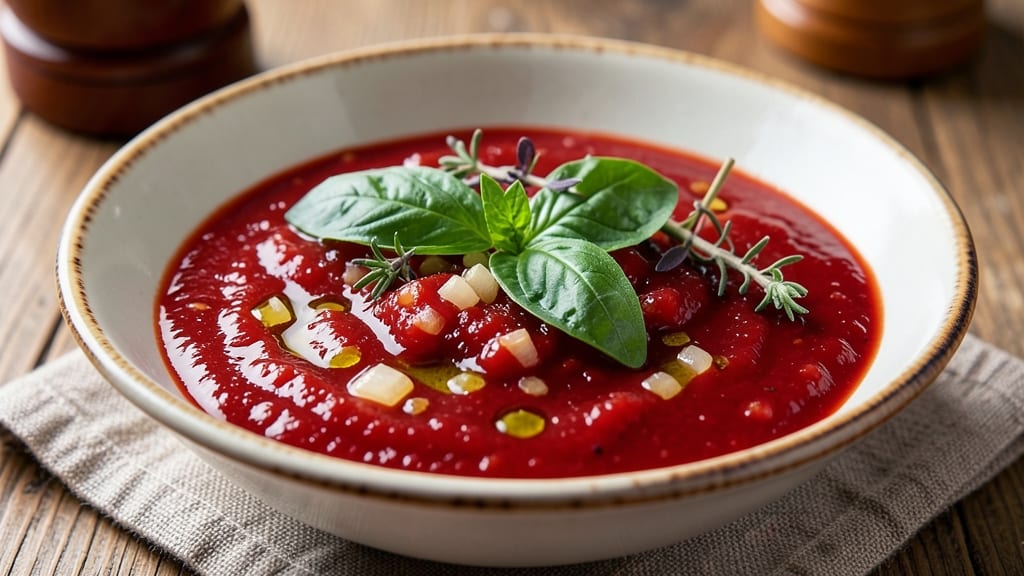
This low acid tomato sauce recipe transforms tangy tomatoes into velvety, balanced perfection for pasta and pizza. The secret lies in neutralizing acidity through simple techniques—no pH strips required—while preserving deep, rich flavor.
I developed this version after years of struggling with overly acidic sauces that ruined my dishes, and it now sits in my pantry for every cooking project.
What sets this sauce apart is its smooth, mellow sweetness that clings beautifully to noodles and crusts. We achieve this by carefully balancing natural tomato acidity with baking soda and a touch of sugar, then simmering until the flavors meld into harmony.
The process is straightforward: crushed tomatoes, aromatic herbs, and a pinch of salt transform into a sauce so versatile it elevates everything from spaghetti to stuffed shells.
The result is a luxuriously thick, low-acid sauce that coats every bite without overpowering other flavors. It keeps well in the fridge for up to 5 days or freezes perfectly for future use, making it ideal for meal prep.
Whether you're covering a sheet pan of pizza or tossing with al dente pasta, this sauce delivers restaurant-quality depth without the sharp tang.
Safety note: While this method significantly reduces acidity, it's not suitable for canning without further processing. For storage beyond 5 days, freeze in airtight containers. Let's create this foolproof sauce that finally balances your tomato game.
Ingredients for low acid tomato sauce
Eight essential ingredients transform tangy tomatoes into velvety, perfectly balanced sauce for pasta and pizza.
| Ingredient | Amount | Notes |
|---|---|---|
| San Marzano Crushed Tomatoes 🍅 | 28 oz | High-quality, low-acid variety preferred |
| Extra-Virgin Olive Oil 🫒 | ½ cup | Fruity, peppery variety for richness |
| Yellow Onion 🧅 | 1 whole | Finely diced, sweet variety preferred |
| Garlic Cloves 🧄 | 4 cloves | Freshly minced, not pre-minced |
| Fresh Basil Leaves 🌿 | ½ cup | Packed, stems removed for sauce |
| Fresh Oregano Leaves 🍃 | ¼ cup | Or 1 tsp dried oregano if fresh unavailable |
| Baking Soda 🧪 | ⅛ tsp | Critical for acid neutralization |
| Granulated Sugar 🍚 | 1 tbsp | Balances acidity without sweetness |
| Kosher Salt 🧂 | 1 ½ tsp | Diamond Crystal preferred for precision |
| Black Peppercorns 🌶️ | ½ tsp | Freshly cracked for depth |
The tomatoes are non-negotiable—San Marzano is the gold standard for its natural sweetness and low acidity. Whole Foods or Trader Joe's carry excellent cans, but any high-quality crushed tomatoes work. Fresh basil and oregano should be bright green with no wilting—farmers markets often have the freshest. The baking soda is key here: it's what actually neutralizes the acidity, but we use just a pinch so it doesn't affect flavor. I always buy Diamond Crystal kosher salt because it dissolves perfectly and doesn't leave grainy residue.
No fresh basil? Dried oregano at half the amount works in a pinch, though fresh herbs give that restaurant-quality depth. Running low on baking soda? Pinch of baking powder in a tight spot, but measure carefully—too much will make your sauce taste soapy. The sugar isn't about sweetness; it's about balancing the acidity. If you're worried about the sauce being too sweet, reduce to 1 teaspoon. For the garlic, roast it first if you want a mellow, caramelized flavor that won't overpower the sauce. The olive oil should be fruity and peppery—California extra-virgin brands like Corto or Otto are perfect.
This sauce keeps beautifully—5 days in the fridge covered tightly, or 6 months in the freezer in airtight containers. I always make a double batch because it disappears fast. For freezing, portion into ice cube trays and transfer to bags—perfect for adding to pasta water or finishing dishes later. The baking soda method means this isn't safe for canning, but that's okay since it's perfect for short-term use. If you notice any off flavors after opening, just toss it—better safe than sorry with homemade sauce.
Why You'll Love This Recipe
- Here’s what sold me: this sauce actually improves the next day. The flavors meld even better, and it’s still bright, not murky. Freeze half for when you’re too tired to cook—just thaw and reheat like a pro.
- No Fuss, Big Payoff: Honestly, this sauce takes less time than deciding what to eat for dinner. You’ll be stirring San Marzano tomatoes and garlic in the same pot you’ll serve it from—no fancy gadgets, just a knife and a spoon.
- Sunshine in a Jar: That first spoonful of olive oil hitting the pan with onions? Pure gold. The San Marzano tomatoes melt into something rich and sweet, while the basil finishes it with a freshness that makes you want to eat it straight from the jar.
- Weeknight Swiss Army Knife: Between us, this sauce is my secret weapon for lazy nights and last-minute guests. Toss it with pasta, dollop it on grilled cheese, or use it to deglaze a pan—it’s the one thing I always have on hand when I forget to meal prep.
Step-by-step instructions for low acid tomato sauce
Here's how to create a perfectly balanced sauce that shines on pasta and pizza alike.
Sauté Aromatics Until Fragrant
Heat the 0.5 cup extra-virgin olive oil in a large, heavy-bottomed saucepan over medium heat. Add the 1 whole yellow onion, finely diced, and cook for 5-6 minutes until softened and translucent. You'll know it's ready when the onion releases its sweet aroma and loses its raw bite.
Reduce heat to medium-low and add the 4 cloves garlic, freshly minced. Cook for another 30 seconds until fragrant—don't let it brown or it'll turn bitter. Here's the thing: fresh garlic transforms the sauce, while pre-minced can introduce moisture and dull the flavor. The oil should shimmer but not smoke.
Add Tomatoes and Neutralize Acid
Pour in the 28 oz San Marzano crushed tomatoes, stirring to combine with the aromatics. Bring the mixture to a gentle simmer over medium heat. Add the 0.125 tsp baking soda and 1 tbsp granulated sugar—this is where the magic happens. The baking soda neutralizes acidity while the sugar balances any remaining tang without overpowering the tomato flavor.
Simmer uncovered for 20 minutes, stirring occasionally. You'll see the sauce thicken slightly and develop a deeper, sweeter aroma. The baking soda works quickly, so don't rush this step. If the sauce looks too thin, let it cook longer—it'll reduce naturally without needing added water.
Build Flavor with Herbs and Seasoning
Add the 0.5 cup fresh basil leaves and 0.25 cup fresh oregano leaves, stems removed. Stir in the 1.5 tsp kosher salt and 0.5 tsp black peppercorns, freshly cracked. The herbs should wilt slightly and release their oils into the sauce, creating that authentic Italian flavor profile. I like to press the herbs against the side of the pan with a wooden spoon to extract maximum flavor.
Continue simmering for another 15-20 minutes until the sauce reaches your desired consistency. For a thicker sauce, simmer longer; for a looser one, add 1-2 tablespoons of pasta water at the end. The sauce should coat the back of a spoon but still be pourable—not gluey.
Finish and Adjust
Taste the sauce and adjust seasoning if needed. You might need a pinch more salt or sugar to balance the acidity perfectly. The sauce should be rich, smooth, and slightly sweet with just a hint of tang—never sharp or overly acidic. If you're using this for pizza, you can thin it slightly with a splash of water for better brushability.
Let the sauce cool slightly before serving. The flavors will continue to meld as it rests, making it even more complex. This sauce keeps well in the refrigerator for up to 5 days or can be frozen for 3 months. The low-acid balance makes it ideal for pairing with delicate cheeses or as a base for creamy pasta dishes.
Pro Tips For Making Low Acid Tomato Sauce
- Sweat the Onion First: I used to rush this step and wondered why my sauce tasted flat. Cut the onion into even ¼-inch slices, cook them in olive oil over medium-low heat for 8-10 minutes until translucent but not browned—this builds flavor without bitterness that’ll overpower the tomatoes.
- Crush Garlic Lightly: Minced garlic burns fast, and charred flavor ruins the sauce’s balance. Smash 3-4 cloves with the flat side of your knife instead of chopping—just enough to release aroma without turning to ash. Add it in the last 5 minutes of cooking.
- Stir Constantly at First: The first 10 minutes are critical. Without stirring, the bottom of your pot turns into a sticky, caramelized mess that’ll cling to your sauce like glue. Use a wooden spoon to scrape the bottom every 30 seconds until the tomatoes start to break down.
- Save Fresh Basil for Finish: Adding basil early turns it to mush and makes the sauce taste like a sad pesto. Tear a handful of leaves at the end, let the sauce simmer uncovered for 2 minutes to reduce slightly, then stir it in just before serving—this keeps the bright, herbaceous pop.
Best sauces and condiments for these flavors
Classic Marinara Pairing
This low-acid sauce becomes a marinara powerhouse when paired with fresh basil and a splash of red wine during cooking. After simmering the base, deglaze the pan with 2 tbsp dry red wine (like Chianti) and reduce by half before adding the herbs.
The wine adds depth while keeping the sauce's balanced profile. 🍷
Creamy Alfredo Fusion
For a rich Alfredo sauce upgrade, stir in ½ cup heavy cream or mascarpone cheese at the end of cooking. The low-acid base prevents curdling, creating a velvety sauce perfect for fettuccine.
I like adding nutmeg (a pinch) for that classic Alfredo warmth. This combo feels luxurious but stays simple.
Pizza Sauce Base
Use this sauce as a pizza foundation by thinning it slightly with 1 tbsp water for better brushability. The low acidity prevents burning on high-heat pizza stones while letting cheese and toppings shine.
For extra flavor, stir in 1 tsp dried thyme before using. It’s my go-to for Neapolitan-style pizzas with minimal effort.
Meat Sauce Enhancer
This sauce elevates ground beef or Italian sausage dishes by adding ½ cup of it to the meat during the last 5 minutes of cooking. The balanced acidity cuts through fat while complementing spices.
For Bolognese, reduce the sauce slightly first to deepen its richness. It’s a game-changer for hearty weeknight meals.
Dipping Sauce Twist
Cool the sauce completely and blend it with ¼ cup Greek yogurt for a creamy dipping sauce that’s perfect with crusty bread or mozzarella sticks. The low acidity keeps the yogurt from curdling, and the herbs add freshness.
A sprinkle of smoked paprika turns it into a smoky dip that’s always a crowd-pleaser. 🌟
Vegetarian Chili Base
Use this sauce as the flavor backbone for vegetarian chili by simmering it with black beans, corn, and diced bell peppers for 15 minutes. The low acidity lets the vegetables’ natural sweetness shine.
Top with avocado or cotija cheese for a vibrant, balanced bowl. It’s a refreshing twist on traditional chili.
Nutrition facts
Frequently asked questions
Why does this sauce taste different from regular tomato sauce?
The baking soda and sugar combination reduces natural acidity while enhancing sweetness, creating a smoother, more mellow flavor. Regular tomato sauce retains its tangy brightness, but this version has a velvety sweetness that pairs perfectly with delicate cheeses or creamy pastas.
Can I substitute baking soda with something else?
For a gentler approach, try 1 tsp lemon juice instead of baking soda—it neutralizes acidity naturally. However, baking soda works faster and more effectively for this recipe. If you're sensitive to sodium, reduce the baking soda to ⅛ tsp and increase the sugar to 1.5 tbsp for balance.
How do I adjust the thickness for different uses?
For pasta or lasagna, simmer longer until it reaches a thick, spreadable consistency. For pizza sauce, thin slightly with 1-2 tbsp water or pasta water. If too thick, add liquid gradually while stirring to avoid clumping. The sauce should coat the back of a spoon but remain pourable.
Is this sauce safe for canning?
No, this recipe isn't suitable for canning due to the baking soda method. The pH adjustment isn't sufficient for safe long-term storage. For canning, use a tested recipe with citric acid or vinegar. This sauce is perfect for short-term fridge or freezer storage—up to 5 days refrigerated or 6 months frozen.
What's the best way to reheat leftover sauce?
Gently reheat on the stovetop over low heat, stirring frequently to prevent scorching. Avoid microwaving—it can make the sauce watery. For frozen portions, thaw overnight in the fridge first, then reheat. If the sauce thickens too much, add 1 tbsp water or broth while reheating to restore consistency.