
Sauces & Condiments
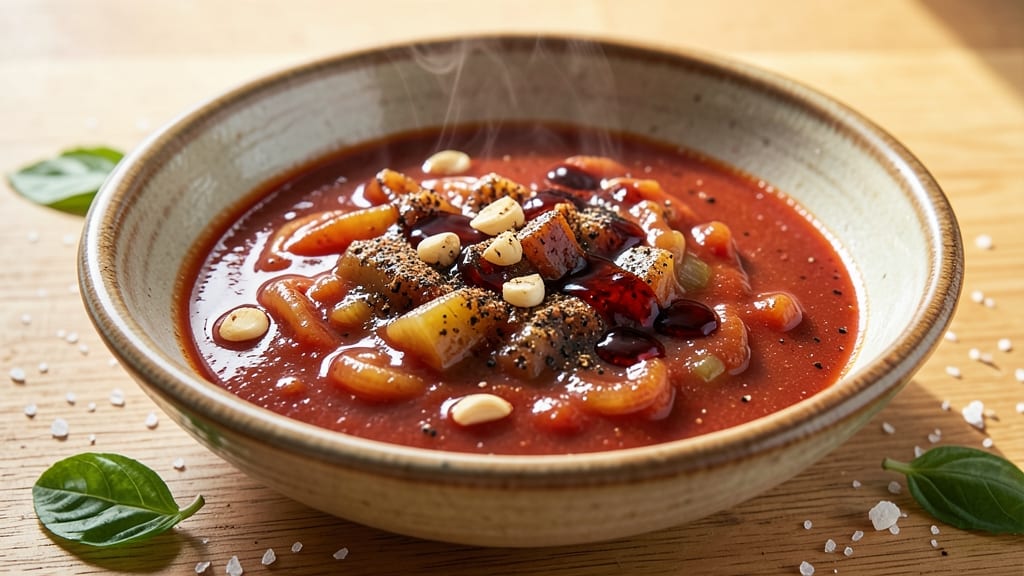
Clemenza's spaghetti sauce recipe delivers the bold, smoky depth of a New York Italian kitchen with a modern twist—chipotle heat and hidden celery crunch that transform ordinary pasta nights.
The secret lies in slow-simmered tomatoes, caramelized onions, and a touch of smoked paprika that builds layers of flavor over time. I've perfected this sauce to balance richness with brightness, ensuring every spoonful delivers that perfect harmony of sweet, smoky, and slightly spicy notes.
What sets this sauce apart is the celery crunch—finely chopped celery simmered into the sauce until tender but still retaining just enough texture to add a satisfying bite.
This technique, inspired by classic Italian soffritto, elevates the sauce beyond typical marinara, giving it depth and complexity without overpowering the tomato base. The sauce thickens beautifully as it simmers, coating every noodle with a velvety, flavorful embrace.
This recipe is designed for restaurant-quality results at home, with a foolproof method that requires minimal effort but maximum flavor. Whether you're serving it over spaghetti, using it as a pizza topping, or freezing it for later, the sauce keeps its rich, smoky character.
The chipotle adds warmth, while the celery brings a subtle crunch that keeps each bite exciting.
Perfect for meal prep, holiday gatherings, or a cozy weeknight dinner, this sauce is versatile enough to adapt to your tastes—add more heat, reduce the smokiness, or even make it vegan with a few simple swaps. Let's get started on creating a sauce that will have everyone asking for seconds.
Ingredients for clemenza's spaghetti sauce
Restaurant-quality spaghetti sauce begins with these ten ingredients—each playing a critical role in the smoky, crunchy harmony.
| Ingredient | Amount | Notes |
|---|---|---|
| San Marzano Tomato Cans 🍅 | 28 oz | Whole peeled tomatoes, crushed by hand |
| Yellow Onions 🧅 | 2 whole | Medium-sized, finely diced |
| Celery Stalks 🥬 | 2 whole | Finely chopped, for soffritto crunch |
| Garlic Cloves 🧄 | 4 cloves | Peeled, minced for depth |
| Chipotle Peppers in Adobo 🌶️ | 2 whole | Adjusted for smoky heat |
| Smoked Paprika 🌶️ | 1 tbsp | High-quality for authentic smoke |
| Extra-Virgin Olive Oil 🫒 | ½ cup | For richness and balance |
| Red Wine 🍷 | ½ cup | Bold dry variety preferred |
| Tomato Paste 🍅 | 2 tbsp | For concentrated sweetness |
| Fresh Basil Leaves 🌿 | ¼ cup | Chopped for fresh aroma |
The San Marzano tomatoes are non-negotiable for this sauce—their natural sweetness and low acidity create the perfect base. Whole peeled cans ensure no watery dilution, and crushing them by hand releases more flavor than pre-crushed options. For onions and celery, Trader Joe's or Whole Foods bulk bins offer the freshest cuts, but regular grocery store produce works fine if stored properly. The chipotle peppers in adobo sauce are essential for that authentic smoky depth—Penzeys Spices carries excellent options if you want to splurge, but any brand in a can will do. Look for adobo sauce that's not overly sweetened, as that can throw off the balance.
No chipotle peppers? Smoked paprika plus a pinch of cayenne mimics the heat, though you'll lose some of the smoky complexity. Running low on red wine? Dry vermouth or even beef broth works in a pinch, though the wine's acidity helps brighten the sauce. Fresh basil is ideal, but dried oregano at one-third the amount gets you close if you're in a hurry. The tomato paste can be substituted with extra crushed tomatoes, though it won't be as concentrated. For the soffritto, if celery is unavailable, carrots and fennel in equal parts create a similar aromatic base. Always taste as you go—adjust salt or acid (lemon juice) to balance flavors.
This sauce develops deeper flavor the longer it simmers—4-6 hours on low heat is ideal for restaurant-quality results. Store in airtight containers in the fridge for up to 5 days or freeze for 6 months in portion-sized containers. For meal prep, freeze in ice cube trays for single-serving portions that reheat perfectly. The sauce thickens as it cools, so you may need to add a splash of water or broth when reheating. Always bring it to a simmer before serving to wake up the flavors.
Why You'll Love This Recipe
- No Chopping Marathon: I swear by this sauce because it’s the only one where I actually look forward to prepping—just dice onions, celery, and garlic (three ingredients, tops). The San Marzano tomatoes handle the rest, so you’re not stuck staring at a cutting board for 20 minutes.
- Smoky Heat Magic: That chipotle in adobo? It’s the secret weapon—deep, smoky warmth that lingers without overpowering. One taste and you’ll understand why I keep a jar in my pantry at all times. (Yes, even on a Tuesday night.)
- Weeknight to Party Ready: Simmer this for 45 minutes, then freeze half for later—no one will guess it’s not fresh. Serve it over pasta for a weeknight, ladle it into meatball subs for game day, or drizzle it on grilled cheese. It’s the ultimate crowd-pleaser.
- Budget-Friendly Goldmine: San Marzano cans and pantry staples mean this sauce costs me less than $3 for a full batch. Plus, leftovers taste better the next day—my freezer’s always stocked, and my wallet stays happy. (Between us, this is how I feed a family of four on $50 a week.)
Step-by-step instructions for clemenza's spaghetti sauce
Master this smoky chipotle base with a secret celery crunch that elevates simple spaghetti to restaurant quality.
Build the Soffritto Foundation
Heat the 0.5 cup extra-virgin olive oil in a large Dutch oven over medium-low heat. Add the 2 whole yellow onions and 2 whole celery stalks, both finely diced, and cook for 10-12 minutes until completely softened and translucent. This slow cooking transforms the vegetables into a flavorful paste—what Italians call soffritto—that forms the backbone of the sauce.
Stir occasionally to prevent browning, and watch for the onions to turn glassy rather than golden. The celery will break down into tiny pieces, creating that signature crunch that disappears during cooking but adds subtle texture. This step requires patience—rushing will result in a raw, bitter flavor instead of the sweet, mellow base we want.
Add Aromatics and Deepen the Flavor
Once the soffritto is fully cooked, increase heat to medium and add the 4 cloves minced garlic, stirring immediately to prevent burning. After 30 seconds of cooking, add the 2 whole chipotle peppers in adobo, finely minced (including 1 teaspoon of the adobo sauce for authentic depth), and the 1 tablespoon smoked paprika. Cook for 1-2 minutes until fragrant—you should smell the garlic's sharpness mellowing into sweetness and the smoky aroma of the chipotle and paprika filling the kitchen.
This is where the sauce develops its signature complexity. The chipotle provides heat without overpowering, while the smoked paprika adds a subtle woodiness that complements the tomatoes. Don't skip the adobo sauce—it contains vinegar and spices that enhance the chipotle's flavor. If you prefer less heat, remove the seeds and membranes from the chipotle peppers before mincing.
Deglaze and Incorporate Liquids
Pour in the 0.5 cup red wine and scrape up any browned bits from the bottom of the pot with a wooden spoon. These bits, called fond, contain concentrated flavors that will dissolve into the sauce. Let the wine simmer for 3-4 minutes until reduced by half, allowing the alcohol to cook off and the wine's acidity to mellow.
Next, stir in the 2 tablespoons tomato paste and cook for 1 minute to develop its sweet, caramelized flavor. This step is crucial—it prevents the sauce from tasting flat later. The tomato paste acts as a thickener and flavor enhancer, creating a richer base for the tomatoes. If you notice any scorching, immediately add a splash of water to deglaze and prevent bitterness.
Simmer the Tomatoes to Perfection
Add the 28 oz San Marzano tomato cans, crushing the whole peeled tomatoes by hand with your fingers as you add them. This creates a rustic texture with larger tomato pieces that break down beautifully during simmering. Stir well to combine, then increase heat to medium-high and bring to a gentle boil. Once boiling, reduce heat to low and let the sauce simmer uncovered for 45-60 minutes, stirring occasionally.
During this time, the sauce will reduce and thicken as moisture evaporates. The tomatoes will break down, releasing their natural sweetness and acidity. You're aiming for a sauce that coats the back of a spoon but isn't glued to it—a balance between chunky and smooth. If the sauce becomes too thick before the 45 minutes are up, add 1-2 tablespoons of water to maintain the proper consistency.
Finish with Fresh Basil and Rest
After simmering, stir in the 0.25 cup chopped fresh basil leaves. The basil should wilt slightly but still retain some bright green color—this indicates it's been incorporated without losing its fresh aroma. Taste the sauce and adjust seasoning with salt if needed. The sauce should be balanced between sweet, smoky, and slightly acidic with a touch of heat from the chipotle.
Remove from heat and let the sauce rest for 15-20 minutes. This resting period allows the flavors to meld and the sauce to thicken slightly as it cools. The celery will have softened completely, creating that subtle crunch that disappears upon eating but adds texture. Serve immediately over al dente spaghetti, reserving some pasta water to adjust consistency if needed. The sauce will continue to improve as it sits, developing deeper flavor with each passing hour.
Pro Tips For Making Clemenza'S Spaghetti Sauce
- Sweat the Aromatics Slow: After chopping onions, celery, and garlic, cook them in olive oil over low heat for 10-12 minutes—until the celery turns deep golden and the onions caramelize just enough to smell like a Neapolitan kitchen. I used to rush this, and the sauce always tasted flat afterward. The extra time lets the flavors meld before the tomatoes hit.
- Seed the Chipotles: Remove the seeds and membranes from the chipotle peppers before mincing them—this keeps the heat balanced and prevents bitterness from creeping in. I learned this the hard way after a batch turned way too smoky and harsh. A quick rinse under cold water helps too if you forget.
- Crush the San Marzanos: Drain the tomatoes but don’t skip crushing them by hand (or with a wooden spoon) before adding to the pot. This breaks down the skins and releases more juice, giving you a smoother, richer sauce. I used to just dump them in whole, and the texture was always off—like eating soup with chunks.
- Simmer Uncovered, Then Cover: Let the sauce bubble uncovered for the first 20 minutes to evaporate excess water, then cover and reduce heat to a simmer. This concentrates the flavors without burning the bottom. I now set a timer because I always forget and end up with a sticky mess—your future self will thank you.
Dietary considerations for these flavors
Gluten-Free Adaptation
This sauce is naturally gluten-free, but watch for hidden sources like the red wine or tomato paste if using store-bought brands. Opt for dry gluten-free red wine (like Barefoot Cellars) and check labels on San Marzano tomatoes—some brands add wheat-based thickeners.
The soffritto base remains safe as long as you use fresh produce without cross-contamination. 🌱
Dairy-Free Options
No dairy is required, but the sauce's richness comes from olive oil and tomato concentration. For extra creaminess, stir in 1-2 tablespoons of nutritional yeast or cashew cream (blend ¼ cup soaked cashews with 2 tbsp water) after simmering.
The chipotle and smoked paprika will still deliver that signature depth without dairy. 🥛
Vegan Swaps
Skip the wine and replace with 2 tbsp balsamic vinegar or vegetable broth to maintain acidity. Use vegan tomato paste (like Muir Glen) and ensure chipotle peppers are labeled vegan.
The sauce's smoky, spicy profile stays intact—just taste and adjust salt since vegan broth is often lower in sodium. 🌶️
Low-Sodium Adjustments
Reduce added salt by 50% during cooking, then finish with fresh lemon juice (1 tsp) to brighten flavors. Use low-sodium San Marzano tomatoes (like Century Brand) and skip salted adobo sauce—substitute with 1 tsp apple cider vinegar instead. The celery and onions naturally enhance umami without extra sodium. ⚡
Allergen-Friendly Tips
For nut allergies, avoid cashew cream and stick to olive oil for richness. If celery is a concern, replace it with 1 carrot and 1 fennel bulb, both finely diced.
For soy-sensitive diets, ensure smoked paprika is processed in a soy-free facility. Always double-check labels on canned tomatoes and spices. 💡
Nutrition facts
Frequently asked questions
Why does this sauce include celery when most recipes don't?
Celery adds a subtle crunch and depth that traditional Italian soffritto techniques rely on. When finely chopped and cooked down, it creates a textural surprise that disappears upon eating but adds complexity. The celery's natural sweetness also balances the smoky chipotle and brightens the tomatoes.
Can I make this sauce without red wine?
Yes! Replace the wine with 2 tbsp balsamic vinegar or ½ cup vegetable broth to maintain acidity. For depth, add 1 tsp dried oregano or extra smoked paprika. The sauce will still develop rich flavors, though wine adds a unique brightness that's hard to replicate.
How do I adjust the heat level?
For milder heat, remove the seeds and membranes from chipotle peppers before mincing. For extra spice, add ½ tsp cayenne pepper or leave the seeds in. Always taste as you go—you can reduce heat by adding 1 tbsp tomato paste or 1 tsp sugar to balance.
What's the best way to store leftovers?
Let the sauce cool completely, then transfer to airtight containers. It keeps in the fridge for 5 days or freezes for 6 months in portion-sized bags. Thaw overnight in the fridge—never at room temperature—and reheat gently on low heat, adding 1-2 tbsp water if too thick.
Can I use this sauce for other dishes besides spaghetti?
It works perfectly for lasagna, pizza sauce, or as a marinade for grilled meats. For lasagna, reduce the sauce slightly thicker. For pizza, thin with 1 tbsp water if needed. The smoky chipotle and celery crunch add depth to any tomato-based dish.