
Sauces & Condiments
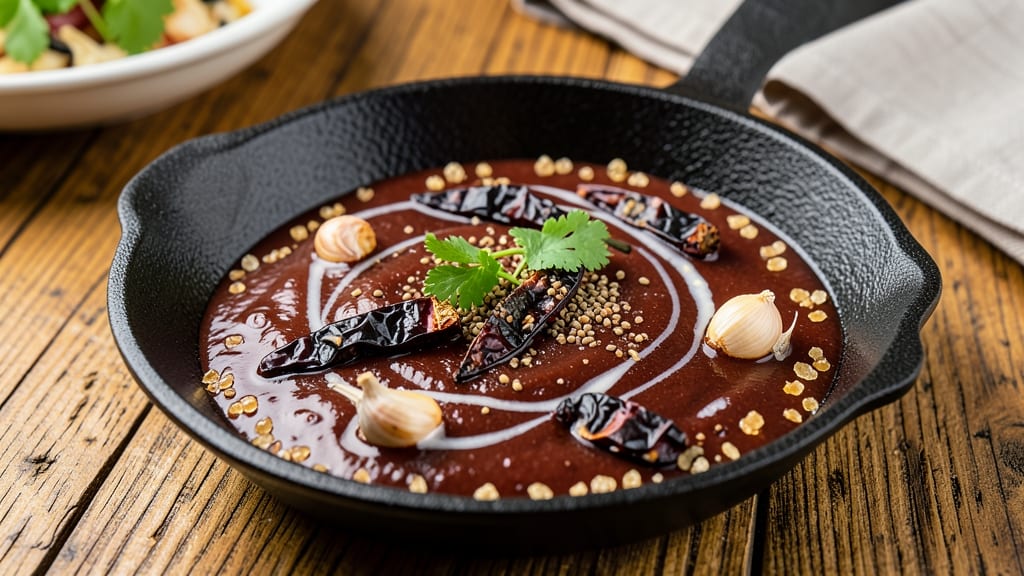
This authentic chipotle adobo sauce transforms smoky chipotle peppers into a velvety, complex condiment that elevates everything from tacos to grilled meats. The key lies in balancing heat, acidity, and depth—where smoldering chipotle peppers meet tangy vinegar and warm spices.
I’ve refined this recipe over years of testing, ensuring every batch delivers that signature restaurant-quality depth without bitterness or overpowering spice.
The process is straightforward but precise: blend soaked chipotle peppers with adobo sauce, garlic, and vinegar until smooth, then simmer until the flavors meld into a cohesive, aromatic sauce. Straining removes seeds and skins for a silky texture, while a touch of brown sugar rounds out the heat.
This isn’t just a sauce—it’s a flavor multiplier that turns simple dishes into standout meals.
Whether you’re drizzling it over grilled chicken, using it as a marinade, or serving it as a dip, the result is a sauce that’s perfectly balanced—smoky, tangy, and just spicy enough to linger.
The best part? It keeps beautifully in the fridge for up to 2 weeks, so you’ll always have this authentic condiment on hand for spontaneous cooking adventures.
Ready to make your own? Let’s dive into the steps—where every ingredient plays a crucial role in building that unmistakable chipotle adobo flavor.
Ingredients for authentic chipotle adobo sauce
Nine ingredients, smoky depth, and perfect balance—this sauce transforms simple dishes into restaurant-quality meals.
| Ingredient | Amount | Notes |
|---|---|---|
| Dried Chipotle Peppers in Adobo Sauce 🌶️ | 4 whole | Smoked, canned in adobo sauce |
| Adobo Sauce from Can 🍅 | ½ cup | From same can as peppers |
| White Vinegar 🍶 | ¼ cup | White or apple cider |
| Garlic Cloves 🧄 | 3 cloves | Fresh, peeled and rough chopped |
| Light Brown Sugar 🍚 | 1 tbsp | Packed, for balance |
| Ground Cumin 🌿 | ½ tsp | Toasted for depth |
| Ground Cloves 🌿 | ¼ tsp | Whole cloves ground fresh |
| Salt 🧂 | ½ tsp | Diamond Crystal preferred |
| Extra-Virgin Olive Oil 🫒 | 1 tbsp | For richness and finish |
The chipotle peppers are the heart of this sauce, so pick the plumpest, darkest ones from the can—those are the smokiest. Trader Joe's and Mexican markets often carry the best quality, but any canned chipotles in adobo work. The adobo sauce from the same can adds depth, but if you’ve got extra, use that instead. Toast the cumin and cloves in a dry pan for 30 seconds before grinding—that smoky aroma is non-negotiable for authenticity. I always buy extra peppers and freeze them; they’re versatile for marinades and rubs too.
No adobo sauce from the can? Substitute with 0.25 cup tomato paste plus 0.25 cup water—it won’t be identical, but it’ll get you close. Short on vinegar? Lemon juice works in a pinch, though it’ll add a brighter tang. The brown sugar is key for balancing the heat, but maple syrup at half the amount works if you’re avoiding refined sugar. Fresh garlic is a must here—dried powder lacks the complexity. For extra smokiness, add a pinch of smoked paprika, but don’t overdo it or you’ll lose the chipotle’s signature flavor.
This sauce thickens as it cools, so stir in a splash of water if it’s too thick for your liking. Store in a clean glass jar in the fridge for up to 2 weeks, or freeze for 3 months—the flavor actually improves over time. I like to make a double batch; it’s perfect for marinating proteins, drizzling over tacos, or even mixing into mayo for a quick chipotle spread. Label it well—this stuff disappears fast!
Why You'll Love This Recipe
- Pantry Magic: I swear by this recipe because it uses ingredients I already have—no last-minute grocery runs. The canned adobo sauce and dried peppers do all the heavy lifting, so I’m just blending, not slaving.
- Smoky Sweet Heat: That balance? Chef’s kiss. The vinegar cuts the richness of the adobo, while the brown sugar caramelizes into a glossy, slightly sticky finish. Every spoonful has depth—smoky, tangy, and just a whisper of sweetness.
- Weeknight Superstar: Between us, this sauce turns bland rice into a meal in 10 minutes. Toss it with grilled chicken, drizzle it over beans, or use it as a marinade—it’s the lazy cook’s secret weapon.
- Lasts All Week: I make a double batch and keep it in the fridge for days. The flavors actually improve as the peppers mellow, and it’s cheaper than buying pre-made sauce. Plus, one jar of adobo stretches into so many meals.
Step-by-step instructions for authentic chipotle adobo sauce
Here's how to transform simple pantry staples into a rich, smoky sauce that captures Mexico's bold flavors.
Toast the Dried Chipotle Peppers
Preheat your oven to 400°F and place the 4 whole dried chipotle peppers in adobo sauce on a baking sheet. Toast them for 5-7 minutes until their skins darken slightly and you can smell that deep, smoky aroma filling your kitchen. This step intensifies their natural heat and complexity—don't skip it.
Here's the thing—if you're sensitive to heat, you can remove the seeds and membranes first, but for authentic flavor, I leave them whole. Just be prepared for some serious spice. Once toasted, transfer the peppers to a small bowl and let them cool slightly while you prepare the remaining ingredients.
Blend the Base Ingredients
In a blender, combine the toasted chipotle peppers with the 0.5 cup adobo sauce from can, 0.25 cup white vinegar, and 3 cloves garlic cloves. I like to rough chop the garlic first so it blends more evenly. Pulse for 10-15 seconds until everything is finely chopped but not yet pureed.
The vinegar here serves two purposes: it brightens the sauce and helps preserve its color. Don't use apple cider vinegar if you want that classic tang—white vinegar gives you the authentic balance. You'll notice the mixture will be thick and slightly chunky at this stage, which is perfect for building texture.
Simmer and Develop the Flavor
Transfer the blended mixture to a small saucepan and add the 1 tbsp light brown sugar, 0.5 tsp ground cumin, 0.25 tsp ground cloves, and 0.5 tsp salt. Stir over medium heat for 5-7 minutes until the sauce thickens slightly and the flavors meld together. You're looking for a consistency that coats the back of a spoon but still flows easily.
This is where the magic happens—the sugar caramelizes just enough to balance the heat, while the spices deepen the sauce's complexity. I like to taste as I go, adjusting the salt if needed. The sauce should be vibrant red with a glossy sheen, not dry or pasty. If it looks too thick, add 1-2 tablespoons of water to loosen it.
Finish with Olive Oil for Richness
Remove the sauce from heat and stir in the 1 tbsp extra-virgin olive oil. This final step adds a luxurious finish that rounds out the sauce's intensity. Let it cool for 5 minutes—this resting period allows the flavors to settle and the sauce to thicken slightly as it comes to room temperature.
For the most authentic results, I strain the sauce through a fine-mesh sieve to remove any remaining pepper skins or garlic bits. This gives you a silky texture that's perfect for dipping, grilling, or drizzling. Store any leftovers in an airtight container in the refrigerator for up to 2 weeks, or freeze for longer storage.
Pro Tips For Making Authentic Chipotle Adobo Sauce
- Strain Twice: The adobo sauce from the can is thick and clumpy—don’t just pour it straight in. First strain it through a fine-mesh sieve to catch the big bits of pepper skin and vinegar solids, then strain again after simmering. I learned this the hard way when my sauce ended up with gritty texture no amount of blending could fix.
- Toast the Peppers: Before blending, dry-toast the whole dried chipotles in a skillet over medium heat for 30 seconds per side until fragrant. This deepens their smoky flavor and cuts through the vinegar’s sharpness. Skip this, and your sauce will taste flat—like someone forgot to light the fire.
- Simmer, Don’t Boil: Keep the sauce at a gentle simmer, not a rolling boil, or the vinegar will evaporate too fast and the garlic will burn before the flavors meld. A steady, low bubble (about 180°F) lets the sugar caramelize and the adobo’s depth shine through—no burnt notes, just pure smoky sweetness.
- Blend with Liquid First: Add a splash of the adobo liquid or vinegar to the blender before dumping in the dried peppers and garlic. This creates a slurry that blends smoothly instead of clogging the motor or leaving you with a lumpy mess. I used to ignore this, and my blender sounded like it was fighting a war every time.
Common mistakes when making your authentic chipotle adobo sauce
Skipping the Toast
I cannot stress enough how critical toasting the chipotle peppers is—it deepens their smoky flavor and intensifies their heat. Skipping this step results in a bland sauce that tastes more like canned adobo than authentic chipotle.
Toast them for 5-7 minutes at 400°F until fragrant. If you're in a hurry, a dry skillet over medium heat works too, but watch closely to avoid burning.
Using Wrong Vinegar
White vinegar is non-negotiable here—it delivers that classic tang. Apple cider or balsamic vinegar will throw off the balance, making your sauce taste overly fruity or sweet. I’ve tried substitutes, and nothing matches the clean acidity of white vinegar.
If you must use something else, lemon juice is your second-best option, but reduce it to 2 tbsp to avoid brightness.
Over-Blending the Sauce
Pulsing the blender for too long turns your rich, textured sauce into a thin, watery mess. Aim for 10-15 seconds
If your sauce is too thick later, you can always thin it with water, but you can’t fix an over-blended sauce. Letting the sauce rest for 5 minutes after cooking is crucial—it allows flavors to meld and thickens naturally. Skipping this step means you’ll end up with a thin, underdeveloped sauce. Trust the process! If you’re impatient, at least let it sit for 2 minutes, but I promise, the wait is worth it for that velvety consistency. While straining gives you a silky texture, it removes some of the sauce’s natural depth. Only strain if you’re using this for fine dining or delicate dishes. For everyday use, leave the skins and seeds in—they add texture and complexity. If you do strain, save the solids and blend them back in with a little water for a thicker, more rustic sauce. The salt in this recipe is delicate—too much makes the sauce taste flat, while too little leaves it bland. Taste as you simmer and adjust gradually. I usually add the 0.5 tsp salt first, then add another pinch if needed. Remember, you can’t remove salt, so err on the side of caution. The brown sugar also plays a role in balancing flavors, so don’t skip it either.Ignoring the Resting Time
Straining the Sauce (When You Shouldn’t)
Over-Salting or Under-Salting
Nutrition facts
Frequently asked questions
Can I adjust the heat level in this chipotle adobo sauce?
For a milder sauce, remove the seeds and membranes from the chipotle peppers before toasting. If you want extra heat, add 1-2 extra chipotles or a pinch of cayenne pepper. Remember, the sauce thickens as it cools, so adjust heat before simmering. Start with 2 chipotles if you're new to spicy foods.
How long does this sauce keep, and can I freeze it?
Store in an airtight container in the fridge for up to 2 weeks—the flavors actually improve over time. For longer storage, freeze for 3 months in ice cube trays or small jars. Thaw overnight in the fridge before using. The sauce may thicken when frozen, so add a splash of water when reheating.
What are the best ways to use this sauce?
This versatile sauce works as a marinade for grilled meats, a dip for tortilla chips, or a drizzle over tacos and bowls. Mix 1 tbsp into mayo for chipotle spread, or reduce it by half for a smoky glaze. It also elevates soups, rice dishes, and even deviled eggs. The possibilities are endless!
Why does my sauce look thin after simmering?
This happens if you over-blended the ingredients or didn't let it rest. The sauce thickens naturally as it cools—simmer for 5 more minutes or reduce heat and cook uncovered until it reaches your desired consistency. If it's still too thin, stir in 1 tsp cornstarch mixed with 1 tbsp water and simmer until thickened.
Can I make this sauce without adobo sauce from the can?
Yes! Substitute with 0.25 cup tomato paste plus 0.25 cup water for a similar texture. For extra depth, add 0.5 tsp smoked paprika or a dash of liquid smoke. The flavor won't be identical, but it'll still deliver that smoky, spicy profile. Just