
Sauces & Condiments
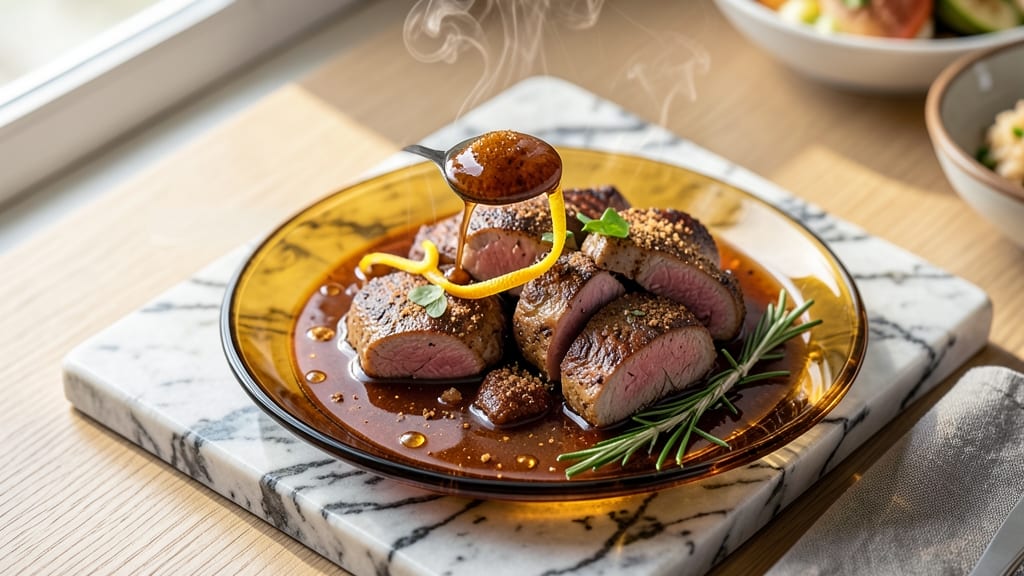
Bigarade sauce transforms desserts with its fragrant blend of bitter orange, floral notes, and balanced sweet-tart complexity—perfect for drizzling over pastries, poaching fruit, or enhancing seafood. This recipe unlocks the secret to authentic flavor using just five core ingredients: bitter orange juice, zest, vinegar, sugar, and a whisper of cinnamon. The sauce's versatility makes it a pantry staple, but the real magic lies in achieving the ideal harmony between citrus brightness and floral depth.
The process begins with reducing bitter orange juice and vinegar to create a concentrated base, then infusing it with zest and spices for aromatic layers. Unlike commercial versions, this homemade version avoids artificial flavors while delivering restaurant-quality results.
The key is patience—simmering until the sauce thickens just enough to coat a spoon, ensuring every drizzle clings beautifully without overwhelming the dish.
What sets this bigarade sauce apart is its dual-purpose brilliance: it elevates both sweet and savory dishes. Drizzle it over vanilla bean ice cream for a sophisticated finish, or use it as a glaze for roasted duck or grilled shrimp.
The sauce keeps well in the refrigerator for up to 2 weeks or can be frozen for longer storage, making it an effortless way to add Mediterranean flair to any meal.
For best results, taste as you go—adjusting sugar or vinegar to suit your preference for sweetness or acidity. The final product should be glossy, fragrant, and complex enough to stand alone as a condiment. Once mastered, this sauce becomes your secret weapon for turning ordinary desserts into extraordinary experiences.
Ingredients for bigarade sauce
Five ingredients transform into a fragrant, citrusy glaze that elevates desserts and seafood effortlessly.
| Ingredient | Amount | Notes |
|---|---|---|
| Bitter Orange Juice 🍊 | 1 cup | Freshly squeezed preferred |
| White Wine Vinegar 💧 | ½ cup | Dry variety for balance |
| Granulated Sugar 🍚 | ½ cup | White or raw preferred |
| Bitter Orange Zest 🍊 | 1 tbsp | Finely grated, no pith |
| Ground Cinnamon 🌿 | ¼ tsp | Freshly ground preferred |
| Orange Blossom Water 🌸 | 1 tsp | Pure, food-grade only |
Bitter orange juice is the heart of this sauce—look for fresh bottles at specialty stores or make your own by juicing bitter oranges (they're sweeter than regular oranges). If you can't find bitter orange juice, substitute blood orange juice, though it'll have a slightly different floral depth. White wine vinegar should be dry and aged—avoid sweet or flavored varieties. The zest needs to be finely grated (a microplane works best) to avoid bitterness from the pith. For orange blossom water, Middle Eastern or Mediterranean markets often carry it, or order online from specialty spice shops.
No bitter orange juice? Substitute grapefruit juice at half the amount, but expect a more tart result. Short on orange blossom water? A pinch of rose water adds floral notes, though it's subtler. The sugar can be swapped for honey or maple syrup—just reduce the liquid slightly to compensate. For a deeper spice profile, add a pinch of cardamom or vanilla bean scrapings. The sauce should thicken as it reduces, so if it's too thin, simmer uncovered until it coats the back of a spoon—just don't overcook or it'll turn bitter.
This sauce keeps beautifully in the fridge for 2 weeks, sealed in an airtight jar. For longer storage, freeze in ice cube trays—perfect for single-use portions. If it thickens too much, whisk in a splash of warm water. The flavor actually improves over time, so make extra. It's worth noting that the sauce's aroma is as important as its taste—let it sit at room temperature for 10 minutes before serving to release those floral notes fully.
Why You'll Love This Recipe
- Five-Ingredient Magic: I swear by this recipe—just bitter orange juice, vinegar, sugar, zest, and cinnamon. No fancy techniques, no last-minute grocery runs. Honestly, the hardest part is waiting for it to steep while you stir.
- Bright & Warm: That first sip? Tart, sweet, and spiced all at once—the bitter orange cuts through richness while the cinnamon lingers like a hug. It’s the kind of flavor that makes you reach for seconds without thinking.
- Dresses Up Everything: Slather it on grilled chicken, drizzle over roasted veggies, or toss with couscous. Even a simple cheese plate feels fancy with this in the mix. (Yes, even on a Tuesday night.)
- Lasts All Week: Make a big batch—it keeps in the fridge for days without losing its punch. I’ve used the same jar for tacos, salads, and even a glaze for fish. Budget-friendly? Absolutely. Waste-free? Even better.
Step-by-step instructions for bigarade sauce
This aromatic glaze comes together in minutes with just a few ingredients you likely already have.
Combine Liquids and Sugar in a Saucepan
In a medium saucepan, combine the 1 cup bitter orange juice, 0.5 cup white wine vinegar, and 0.5 cup granulated sugar. I like to use a heavy-bottomed pan here—it helps prevent scorching while we bring everything to a boil. Stir just until the sugar dissolves completely, which should take about 2-3 minutes over medium heat.
This initial combination is where the foundational flavors develop. The acidity from the vinegar will help balance the sweetness, while the bitter orange juice provides that signature floral-citrus character. Don't walk away—you want to keep an eye on this mixture so it doesn't boil over before the sugar fully integrates.
Simmer Until Thickened
Once the sugar is fully dissolved, increase the heat to medium-high and bring the mixture to a full boil. Then immediately reduce the heat to medium-low and let it simmer uncovered for 10-12 minutes. You're looking for the sauce to reduce by about one-third, until it coats the back of a spoon and has thickened to a syrupy consistency.
Here's where the magic happens: the liquid will reduce dramatically, concentrating the flavors and creating that glossy, glaze-like texture perfect for drizzling. You'll notice the aroma become more intense as the citrus and floral notes develop. If the sauce starts to darken too quickly, reduce the heat slightly—you want a rich amber color, not burnt caramel.
Incorporate Zest and Spices
Remove the pan from heat and stir in the 1 tablespoon bitter orange zest and 0.25 teaspoon ground cinnamon. Let the mixture sit off the heat for 5 minutes to allow the spices to infuse fully. This resting period is crucial—it lets the cinnamon release its aromatic oils and the zest soften slightly, preventing any bitterness from the pith.
I always give the sauce this brief rest before adding the orange blossom water. The heat from the simmering process can sometimes make the zest release bitter compounds, and this cooling period helps mellow those flavors. The cinnamon will develop its warm, earthy notes during this time, adding depth to the final product.
Finish with Orange Blossom Water
Return the pan to low heat and carefully stir in the 1 teaspoon orange blossom water. This is where the sauce truly transforms—it adds that delicate floral note that makes bigarade sauce so special. Simmer gently for just 1-2 minutes, stirring constantly, until the mixture is fully combined and heated through.
Be mindful of the heat here. Orange blossom water has a low boiling point and can evaporate quickly if the heat is too high. You want to warm it through without letting it boil off. The sauce should now have a beautiful amber hue with a glossy sheen, ready to drizzle over desserts or use as a glaze.
Strain and Cool for Best Results
Line a fine-mesh strainer with cheesecloth or a coffee filter and carefully strain the sauce into a clean bowl or jar. This step removes any zest particles and creates a silky-smooth texture. I find that even the finest grated zest can leave tiny bits that might affect the texture of your final application.
Let the sauce cool to room temperature before using it. The flavors will continue to meld as it cools, and the consistency will thicken slightly, making it perfect for drizzling over pastries, fruit tarts, or even as a glaze for roasted nuts. If you need to use it immediately, simply reheat gently over low heat, stirring constantly to prevent scorching.
Pro Tips For Making Bigarade Sauce
- Simmer Slow and Steady: I learned this the hard way—rushing the reduction turns your bigarade sauce into vinegary sludge. Keep the heat at a gentle simmer (barely bubbling) and let it thicken naturally. If you’re impatient like me, you’ll end up with a sauce that’s all sharpness and no depth.
- Use Fresh Zest Only: Store-bought zest is fine, but bitter orange zest loses its punch fast. If you’re using dried or old zest, skip it—it’ll taste like sawdust. Grate it fresh right before adding, and don’t overdo it: a teaspoon is plenty for 1 cup of sauce.
- Balance the Vinegar: White wine vinegar is acidic, and if you’re not careful, it’ll overpower the bitter orange. Taste as you go and adjust with sugar gradually—start with half the recipe’s amount, then add more. You’re aiming for tangy, not puckery.
- Strain for Smoothness: After simmering, let the sauce cool slightly, then strain it through a fine-mesh sieve to remove zest bits. (Yes, even if you love texture—this sauce is elegant, not rustic.) If you’re short on time, a cheesecloth works, but it’ll take a little longer to press out all the liquid.
Wine and beer pairings for these flavors
Sweet Dessert Pairings
Bigarade sauce shines as a drizzle over vanilla bean ice cream or panna cotta, where its floral notes complement creamy textures beautifully. I like to warm the sauce slightly before drizzling—just enough to release its aroma without melting the ice cream.
For fruit-based desserts, try it over poached pears or baked apples to enhance their natural sweetness with a citrusy brightness. 🍮
Savory Seafood Glaze
This sauce transforms grilled shrimp or seared scallops into a restaurant-worthy dish. Brush it on lightly during the last 2 minutes of cooking to create a glossy finish. The acidity cuts through the richness of seafood while the floral notes add unexpected elegance.
I often pair it with garlic butter for a dual-flavor experience that guests will rave about.
Wine Pairings
A dry Riesling from Germany or Alsace is my go-to wine pairing—its crisp acidity and citrus undertones mirror the sauce's flavors. For a red option, try a Pinot Noir with bright fruit notes that won't overpower the delicate floral profile.
Avoid heavy, oaked wines like Cabernet Sauvignon, as they'll clash with the sauce's brightness. 🍷
Beer Pairings
For beer lovers, a Belgian Witbier like Hoegaarden offers the perfect balance with its coriander and citrus notes. Alternatively, a dry hopped pale ale with subtle floral hops complements the sauce's aroma beautifully. Avoid malty or dark beers—they'll compete with the sauce's complexity rather than enhance it.
Unexpected Savory Uses
Don't limit bigarade sauce to desserts! Use it as a glaze for roasted duck or as a marinade for grilled chicken. The acidity tenderizes the meat while the floral notes add sophistication.
I've even used it as a dipping sauce for spring rolls, where its sweet-tart profile pairs perfectly with fresh herbs and crunchy vegetables.
Storage-Friendly Pairings
When storing leftovers, keep the sauce in an airtight jar in the fridge for up to 2 weeks. Its versatility makes it perfect for make-ahead desserts—simply drizzle over chilled pastries before serving.
For longer storage, freeze in ice cube trays and thaw as needed, ensuring you always have this flavorful condiment ready for any dish. ✨
Nutrition facts
Frequently asked questions
Can I substitute bitter orange juice with regular orange juice?
The flavor will be completely different—regular orange juice lacks the floral, slightly bitter depth that makes bigarade sauce special. For a closer alternative, try blood orange juice (use half the amount) or grapefruit juice, but expect a more tart result. The key is that bitter orange's unique profile can't be replicated with standard citrus.
How do I know when the sauce is thick enough?
The sauce is ready when it coats the back of a spoon smoothly and leaves a visible trail when you lift it. Aim for a consistency between syrup and honey—thick enough to cling but still pourable. If it's too thin, simmer uncovered for another 2-3 minutes until reduced.
Can I make this sauce without orange blossom water?
Yes, but the floral aroma will be missing. Substitute with 1/4 teaspoon rose water (food-grade only) or 1/8 teaspoon vanilla extract for a different but still pleasant note. The sauce will still work well, though the authentic Mediterranean character will be altered.
Why did my sauce turn cloudy after refrigerating?
Cloudiness usually means the sugar didn't fully dissolve during cooking or the sauce cooled too quickly. To fix it, gently reheat the sauce over low heat, stirring constantly until clear, then cool again. For next time, make sure the sugar is completely dissolved before reducing and let the sauce cool gradually.
How much sauce should I make for a dessert platter?
This recipe yields about 1.5 cups—perfect for a standard dessert platter. For individual servings, 1-2 tablespoons per person is ideal. If you're glazing seafood, 2-3 tablespoons per pound of protein works well. The sauce's concentrated flavor means you need less than you might expect!