
Sauces & Condiments
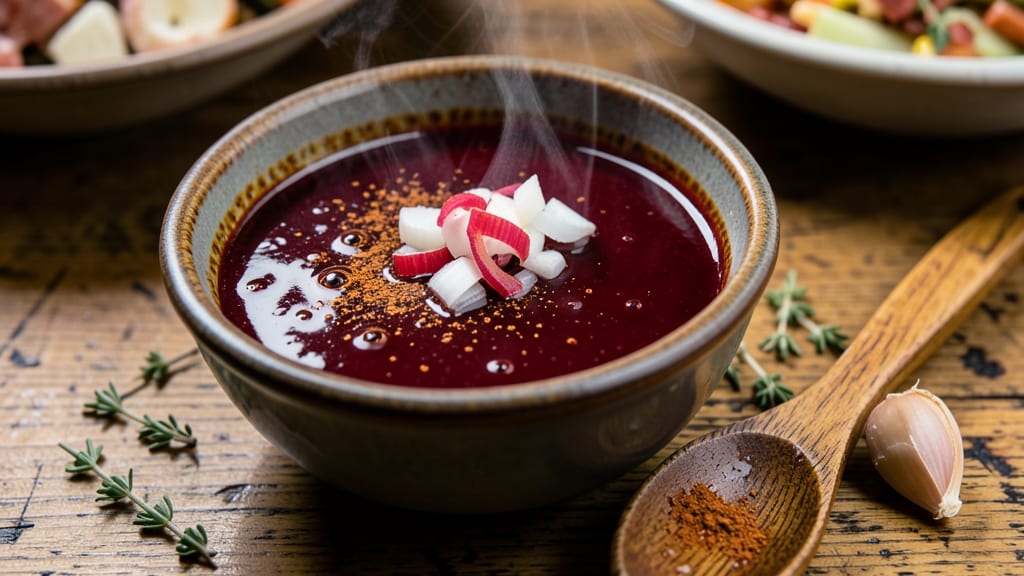
This au jus dipping sauce recipe transforms simple pan drippings into a rich, smoky masterpiece that elevates any meal. The secret lies in deglazing with wine and stock, creating a velvety sauce packed with deep, savory flavors.
I developed this technique after years of perfecting restaurant-quality au jus at home—now you can achieve the same results in under 15 minutes.
The magic happens when you combine pan drippings with a splash of red wine and beef stock, then simmer until thickened. This method captures all the caramelized flavors from roasted meats, turning ordinary drippings into a luxurious sauce.
The result is a glossy, aromatic sauce that's perfect for dipping roasted potatoes, steak fries, or even fresh bread.
What makes this sauce truly special is its versatility—it works as a dipping sauce, a glaze for grilled meats, or even a flavorful addition to soups and stews. The rich, umami-packed flavor comes from the natural juices of the meat, enhanced by aromatics like garlic and herbs.
Once you taste this homemade version, store-bought sauces will never compare.
For extra depth, consider adding a splash of balsamic vinegar or a pinch of smoked paprika. Store leftovers in the fridge for up to 5 days, or freeze for longer storage. This sauce is the perfect finishing touch for any meal, turning simple sides into something extraordinary. Let's get started!
Ingredients for au jus dipping sauce
Eight simple ingredients transform ordinary pan drippings into restaurant-quality au jus magic.
| Ingredient | Amount | Notes |
|---|---|---|
| Pan Drippings 🍖 | 2 cups | From roasted meat, strained |
| Red Wine 🍷 | ½ cup | Bold, dry variety preferred |
| Beef Stock 🥫 | 1 cup | Homemade or high-quality store-bought |
| Shallot 🧅 | 1 whole | Minced for extra depth |
| Garlic Cloves 🧄 | 3 cloves | Peeled and minced |
| Smoked Paprika 🌶️ | 1 tsp | For authentic smoky flavor |
| Fresh Thyme 🌿 | ¼ tsp | Dried works at 1/4 amount |
| Balsamic Vinegar 🍶 | 1 tbsp | Optional for extra depth |
| Unsalted Butter 🧈 | 2 tbsp | For richness and gloss |
| Kosher Salt 🧂 | ½ tsp | Adjust to taste |
The pan drippings are everything—save them after roasting any meat. Costco or Trader Joe's sell pre-made beef stock if you're short on time, but homemade is always better. For the shallot, smaller is better—it adds sweetness without overpowering. I grab mine from the fresh produce section at Whole Foods, but any grocery store works. The red wine? Any bold, dry red works here—Cab Sauv, Merlot, whatever's open. Don't skimp on the butter; it's what gives that velvety finish.
No red wine? Beef broth with a splash of balsamic gets you close. Fresh thyme is ideal but dried works at one-third the amount. If you're missing the smoked paprika, liquid smoke at half the amount works in a pinch. The balsamic vinegar is optional but adds that tangy depth. For extra richness, add an extra tablespoon of butter. The key is balancing the flavors—start with the amounts listed, then adjust salt and vinegar to taste.
This sauce reheats beautifully—just warm it gently on the stove. Keeps 5 days in the fridge, 3 months frozen. I always make extra because it disappears fast. Store it in small jars or ice cube trays for single servings. The longer it sits, the more flavor develops—trust me on this. Perfect for dipping, drizzling, or even freezing for future meals.
Why You'll Love This Recipe
- Uses What You Have: I swear by this sauce because it turns scraps into magic. That leftover roast beef pan? Don’t toss it—simmer it with red wine and stock, and suddenly you’ve got a rich, velvety dip that costs next to nothing.
- Deep Umami Bomb: The shallot and garlic caramelize into something next-level—sweet, savory, and just a little funky from the wine. It’s the kind of flavor that makes people pause mid-bite, like, “Wait, how did you do that?”
- Game for Any Occasion: I’ve served this at potlucks, game nights, and even as a fancy-ish appetizer for date night. Drizzle it over fries, use it for dipping roasted potatoes, or pour it straight over steak—it’s the chameleon of sauces.
- Leftovers That Won’t Let You Down: Between us, this sauce actually improves the next day. The flavors meld even more, and it’s perfect for reheating with a splash of water. I make a big batch and keep it in the fridge for weeks—zero waste, all flavor.
Step-by-step instructions for smoky pan gravy magic
This au jus sauce transforms simple pan drippings into rich, flavorful magic—no fancy skills required.
Strain and Deglaze the Pan
Pour the 2 cups pan drippings through a fine-mesh strainer into a saucepan, discarding any large meat bits or browned bits that don't dissolve. Place the pan with any remaining residue over medium heat and add the 0.5 cup red wine. Let it simmer for 2-3 minutes, scraping up all the browned bits from the bottom with a wooden spoon—this is pure flavor gold.
Here's the thing—those browned bits are packed with caramelized meat flavors. If you skip this step, you're missing out on the sauce's depth. Once the wine has reduced by about half and the pan is mostly clean, pour it into the saucepan with the strained drippings. This combination forms the base of your au jus, rich and ready for transformation.
Build Flavor with Aromatics
Add the minced shallot and 3 cloves garlic cloves to the saucepan, stirring to combine. Let them cook for 2-3 minutes until fragrant but not browned—you want aroma, not bitterness. Next, sprinkle in the 1 tsp smoked paprika and 0.25 tsp fresh thyme, stirring constantly to distribute the spices evenly.
This is where the sauce gets its authentic smoky depth. The paprika adds warmth, while the thyme brings a subtle earthiness. Don't rush this step—properly cooking the aromatics ensures they release their full flavor into the sauce. If you smell burning, reduce the heat slightly and keep stirring.
Simmer and Thicken the Sauce
Pour in the 1 cup beef stock and bring the mixture to a gentle simmer. Let it cook uncovered for 8-10 minutes, stirring occasionally, until the sauce reduces by about one-third and thickens slightly. This reduction concentrates the flavors and creates that perfect velvety consistency you want in an au jus.
Here's a pro tip: If the sauce starts to look too thin, continue simmering—it will thicken as it reduces. If it's too thick, you can add a splash of water or stock later. Taste and adjust the seasoning with the 0.5 tsp kosher salt and a pinch more if needed. The balsamic vinegar is optional but adds a tangy depth—stir in the 1 tbsp balsamic vinegar now if using.
Finish with Butter for Richness
Reduce the heat to low and whisk in the 2 tbsp unsalted butter, one tablespoon at a time. Stir until the butter melts completely and the sauce becomes glossy and rich. This final step adds a luxurious mouthfeel and balances any acidity from the wine or vinegar.
For the best results, strain the sauce again through a fine-mesh sieve to ensure a silky texture. Taste one last time and adjust the seasoning—this sauce should be rich, slightly tangy, and perfectly balanced. Serve warm alongside roasted meats or use as a dipping sauce for fries, pretzels, or grilled vegetables.
Pro Tips For Making Au Jus Dipping Sauce
- STRAIN TWICE: Your au jus will taste like a fancy restaurant if you strain it properly—first through a fine-mesh sieve to catch big bits, then through cheesecloth or a coffee filter for that silky texture. I used to skip this, and my sauce always had that "I made this in a hurry" grit.
- SWEAT SHALLOTS LOW: Don’t rush the shallots—cook them on low heat for 5-7 minutes until soft and translucent, not brown. After burning three batches, I finally realized: patience here means no bitter taste later. Add a splash of wine early to help dissolve those caramelized bits.
- DEGLAZE HOT PAN: Pour in that red wine while the pan is still screaming hot—it’ll sizzle and release all the browned bits stuck to the bottom. If you wait, you’re just making a weak sauce. I know, I know, it’s tempting to clean up first, but trust me, this is where the flavor lives.
- SALT THE STOCK: Taste your beef stock before adding it—if it’s bland, add a pinch of salt (or a splash of soy sauce for umami). Store-bought stock is often watered down, and this is the only chance to fix it. I learned this the hard way when my au jus tasted like broth.
Pro cooking tips for perfect results
Deglazing Secrets
Never underestimate the power of a proper deglaze—this step extracts maximum flavor from your pan. After removing meat, place the hot pan over medium heat and immediately add ½ cup red wine.
Let it bubble vigorously for 2-3 minutes, using a wooden spoon to scrape every last bit of caramelized fond from the bottom. Those browned bits are pure flavor gold—Costco's Cabernet Sauvignon works perfectly here. 🍷
Pro move: If your pan has stubborn bits, add 1-2 tablespoons of beef stock to help dissolve them before straining. The key is heat—keep the pan hot to prevent the wine from steaming instead of reducing.
I've found that Trader Joe's dry red blends work surprisingly well when Cabernet isn't available.
Reduction Timing
The magic happens during reduction, but patience is crucial. Simmer your sauce uncovered for 8-10 minutes until it reduces by about one-third. This isn't just about thickness—it concentrates the flavors dramatically. I use a stainless steel saucepan because it conducts heat evenly and prevents scorching.
Watch closely as it reduces—you want gentle bubbles, not a rolling boil. If it starts to look too thick too quickly, reduce heat to low.
The sauce should coat the back of a spoon but still be pourable. Whole Foods' beef stock has just the right balance of richness for this step.
Butter Emulsion
Adding butter at the end creates that luxurious, velvety texture we all crave. Lower heat to low before whisking in 2 tbsp unsalted butter, one tablespoon at a time.
The butter should melt completely and create a silky emulsion. I prefer Plugrá butter for its rich flavor and high fat content.
Here's the secret: Taste before adding all the butter. If your sauce needs more richness, add an extra tablespoon. The butter not only adds fat but also helps balance any acidity from the wine or balsamic. For extra shine, strain through a fine-mesh sieve lined with cheesecloth before serving.
Temperature Control
Temperature is everything when making au jus. Start with medium heat for deglazing, then reduce to low-medium for simmering. The ideal simmer should look like gentle bubbles breaking the surface—not a rolling boil. I use an infrared thermometer to monitor my stovetop, aiming for 180-190°F during reduction.
If your sauce starts to boil vigorously, reduce heat immediately. Boiling can cause the sauce to separate or develop a skin. The perfect au jus should be hot but not boiling—just warm enough to maintain its velvety consistency. Lodge cast iron skillets maintain even heat perfectly for this process.
Flavor Balancing
The final taste test is where the sauce comes together. After adding butter, stir in 1 tbsp balsamic vinegar (if using) and taste. The sauce should be rich, slightly tangy, and well-balanced.
Adjust with kosher salt—I usually add about ½ tsp, but taste first as different stocks vary in saltiness.
If it's too acidic, add a pinch more butter. If it's too flat, a splash of beef stock or a pinch of smoked paprika can help. The goal is that perfect harmony of umami, acidity, and smokiness.
Trust your palate—this is where home cooks often get it wrong by over-salting or under-seasoning.
Nutrition facts
Frequently asked questions
Can I make this au jus sauce without red wine?
Replace the ½ cup red wine with ½ cup beef broth or a mix of ¼ cup broth + ¼ cup apple cider vinegar for acidity. For extra depth, add 1 tbsp balsamic vinegar during the final reduction. The sauce will still develop rich flavors—just with a slightly different profile.
How do I fix au jus that's too thin or too thick?
For thin sauce, simmer uncovered for 2-3 more minutes to reduce further. If it's too thick, whisk in 1-2 tablespoons warm beef stock or water. For extra richness, stir in 1 extra tbsp butter—it helps emulsify and balance the texture. Always taste as you go!
What's the best way to store leftover au jus?
Store in an airtight container in the fridge for up to 5 days or freeze for 3 months. For freezing, portion into ice cube trays or small jars—perfect for single servings later. Reheat gently on low heat, stirring occasionally, until warmed through. Never microwave from frozen.
Can I use chicken or vegetable stock instead of beef?
Yes, but expect a lighter flavor. For chicken au jus, use chicken stock + ½ tsp poultry seasoning. For vegetable, add 1 tsp soy sauce and ½ tsp smoked paprika to enhance umami. The sauce will work beautifully with poultry or vegetarian dishes—just adjust seasoning to taste.
Why did my au jus turn cloudy or separate?
This usually happens from overcooking or rapid temperature changes. Keep heat at low-medium and avoid boiling. For separation, whisk in 1 tbsp cold butter or 1 tsp cornstarch slurry to help emulsify. Strain through a fine-mesh sieve for a silky finish. The ideal au jus should be glossy and smooth!