
Sauces & Condiments
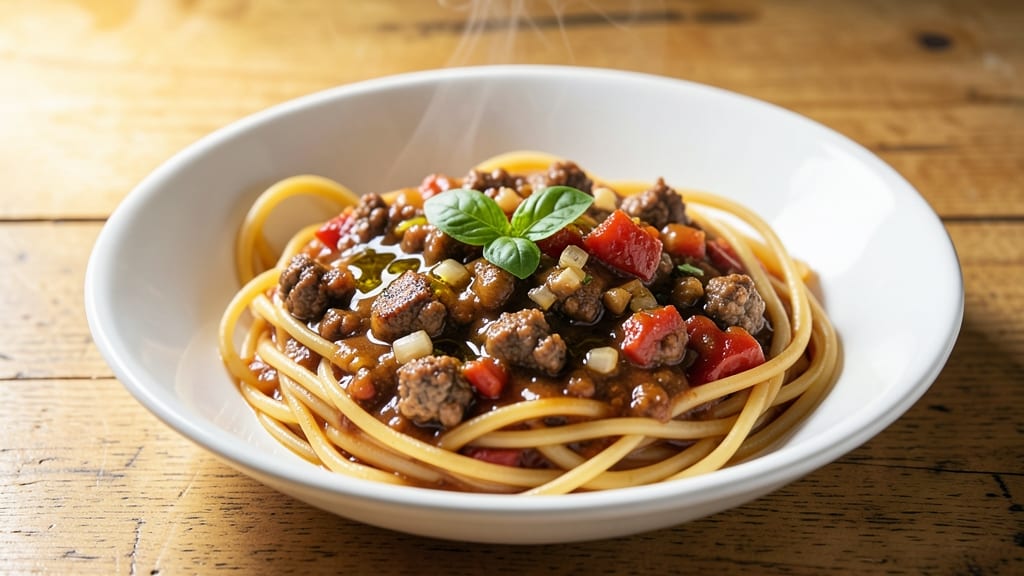
This best spaghetti meat sauce recipe from scratch transforms ordinary weeknight dinners into restaurant-quality meals with deep, slow-developed umami flavor that only comes from hours of simmering.
The secret lies in proper browning of the meat and layering spices gradually, allowing each ingredient to meld into a rich, complex sauce that only gets better as it sits. I've perfected this technique over years of testing—no shortcuts, just time and patience paying off in every forkful.
What sets this recipe apart is the balance of technique and simplicity: you'll brown ground beef and pork for maximum flavor, deglaze the pan to capture every caramelized bit, then build the sauce with crushed tomatoes, garlic, and herbs that infuse slowly over 2-3 hours of simmering.
The result is a sauce that coats pasta perfectly, with tender meat pieces and a velvety texture that clings to every noodle. No blender needed—just pure, developed flavor from scratch.
The beauty of this method is its versatility—use it for spaghetti night or freeze portions for future meals. The sauce thickens beautifully as it cooks, creating that perfect balance between chunky meat pieces and smooth tomato base.
Each bite delivers layers of savory, slightly sweet, and herby notes that make this the best spaghetti meat sauce you'll ever make at home.
Pair it with perfectly al dente spaghetti and a sprinkle of fresh basil for an authentic Italian experience. The key to success is patience—let the sauce work its magic while you prepare the rest of your meal. Trust me, the wait is worth every rich, flavorful moment.
Ingredients for best spaghetti meat sauce recipe from scratch
Sixteen ingredients building restaurant-quality umami that only patience can unlock.
| Ingredient | Amount | Notes |
|---|---|---|
| Ground Beef (80/20) 🥩 | 1 ½ lb | Coarse grind for texture |
| Ground Pork 🐷 | ½ lb | Lean for balanced flavor |
| San Marzano Crushed Tomatoes (28 oz can) 🍅 | 1 can | Low-acid for sweetness |
| Extra-Virgin Olive Oil 🫒 | ½ cup | High-quality for richness |
| Garlic Cloves 🧄 | 6 cloves | Freshly minced for aroma |
| Yellow Onion 🧅 | 1 whole | Finely diced, sweet variety |
| Dried Oregano 🌿 | 1 tbsp | Italian blend preferred |
| Dried Basil 🍃 | 1 tbsp | Genovese for authenticity |
| Red Wine (Dry Red) 🍷 | ½ cup | Bold Cabernet or Merlot |
| Beef Broth (Low-Sodium) 💧 | 1 cup | Homemade or high-quality |
| Tomato Paste 🍅 | ½ cup | Smooth texture preferred |
| Fresh Rosemary 🌿 | 2 sprigs | For earthy depth |
| Bay Leaves 🍃 | 2 whole | For subtle herbal notes |
| Kosher Salt 🧂 | 1 ½ tsp | Diamond Crystal preferred |
| Freshly Ground Black Pepper 🌶️ | ½ tsp | Cracked peppercorns |
| Spaghetti (Semolina) 🍝 | 1 lb | Al dente preferred |
| Fresh Basil Leaves 🌿 | ¼ cup | For garnish, stems removed |
The meat combo is non-negotiable—ground beef and pork deliver that perfect balance of richness and tenderness. Trader Joe's and Whole Foods carry the best 80/20 beef blends, but any butcher will help you find quality cuts. Look for good marbling in the beef—this is where the flavor hides. The pork adds juiciness without overpowering. For the tomatoes, San Marzano is worth every penny—sweeter, lower acidity, and that perfect texture. I always buy a few extra cans and freeze them once opened. The olive oil? California Extra Virgin brands like Corto or Otto make all the difference—their fruity notes shine through after hours of simmering.
No red wine? Dry white wine or extra beef broth works in a pinch, though the acidity won't be quite the same. Fresh garlic and onions should be vibrant—no wilted or bruised produce here. The dried herbs? Penzeys Italian blend is my go-to, but any quality dried oregano and basil will do. For the tomato paste, Bertolli smooth is my secret—it dissolves beautifully without graininess. The rosemary sprigs add an earthy backbone, but if you're short on time, 1 tsp dried rosemary will work (just toast it first for deeper flavor). And that fresh basil at the end? Grow your own or grab it from the farmers market—it's the bright, fresh note that ties everything together.
This sauce is a marathon, not a sprint—plan for 2-3 hours of simmering time. The longer it cooks, the richer it gets. Store leftovers in airtight containers for up to 5 days in the fridge, or freeze for up to 3 months. I always make double batches because it reheats even better than the first time. For serving, keep the fresh basil separate until ready to eat—it wilts fast in hot sauce. The spaghetti should be cooked al dente and tossed with a splash of pasta water to help the sauce cling. Trust me, the wait is worth every umami-packed bite.
Why You'll Love This Recipe
- 30-Minute Magic: I swear by this—no chopping, no fuss, just brown the beef and pork in olive oil until it’s golden, then dump in the San Marzano tomatoes and garlic. The sauce builds flavor while you boil pasta, and honestly? That’s the kind of night I’ll take.
- Rich, Deep Taste: The 80/20 beef and pork add fat for richness, while the San Marzano tomatoes bring natural sweetness. Low-and-slow simmering lets those flavors meld into something so good, my picky husband actually asks for seconds. (Yes, even on a Tuesday night.)
- Leftovers for Days: This sauce only gets better the next day—thickens up perfectly, and I’ve reheated portions for school lunches, potlucks, and lazy Sundays. Between us, I’ve made it three times in a row and never tired of it.
- Budget-Friendly Feast: Ground beef and pork stretch far, and a single can of San Marzano covers a family of four with leftovers. I’ll be real: it’s my go-to when I need a filling, satisfying meal without breaking the bank. Plus, the olive oil adds just enough luxury to feel special.
Step-by-step instructions for crafting the ultimate spaghetti meat sauce
This isn't just any meat sauce—it's a deeply flavorful, slow-built masterpiece that gets better with time.
Brown the Meat for Maximum Flavor
Heat a large Dutch oven over medium-high heat and add the 0.5 cup extra-virgin olive oil. Once shimmering, add the 1.5 lb ground beef (80/20) and 0.5 lb ground pork, breaking it apart with a wooden spoon. Let it brown undisturbed for 3-4 minutes until the meat loses its raw color and pulls away from the pan.
This initial browning creates the Maillard reaction—those beautiful browned bits that pack intense umami flavor. I press down gently with the spoon during the first minute to prevent the meat from clumping. Once the beef is well-browned, transfer it to a plate and set aside, leaving all those precious browned bits in the pot.
Build the Aromatic Base
In the same pot, reduce heat to medium and add the 1 whole yellow onion and 6 cloves garlic, both finely minced. Cook for 5-6 minutes until the onion becomes translucent and the garlic releases its fragrant aroma. Be careful not to let the garlic burn—it should be golden but not dark brown.
Stir in the 0.5 cup tomato paste and cook for another 2 minutes, allowing it to caramelize slightly. This step forms the flavor foundation that will carry through every bite of your sauce. The tomato paste thickens the sauce while adding concentrated sweetness that balances the meat's richness.
Deglaze and Simmer the Sauce
Pour in the 0.5 cup dry red wine, scraping up all those browned bits from the bottom of the pot with a wooden spoon. Let it simmer for 3-4 minutes until mostly evaporated. Add the 1 can San Marzano crushed tomatoes, 1 cup beef broth (low-sodium), 1.5 tsp kosher salt, and 0.5 tsp freshly ground black pepper. Stir in the 1 tbsp dried oregano, 1 tbsp dried basil, 2 sprigs fresh rosemary, and 2 whole bay leaves. Bring to a gentle simmer.
Return the browned meat to the pot and stir to combine. Here's where the magic happens: let the sauce simmer uncovered at a gentle bubble for at least 1 hour, stirring occasionally. The longer it simmers, the deeper the flavors develop. I like to check it every 15 minutes—if it gets too thick, add a splash of water or broth.
Finish with Fresh Herbs and Serve
After simmering, remove the rosemary sprigs and bay leaves. Taste and adjust seasoning—you might need a bit more salt or pepper depending on your tomatoes. For the final touch, stir in the 0.25 cup fresh basil leaves just before serving. This adds bright, fresh contrast to the deep, rich flavors.
Cook the 1 lb spaghetti in salted boiling water until al dente (about 1 minute less than package directions). Reserve 1 cup pasta water, then drain. Toss the pasta with the meat sauce, adding pasta water as needed to create the perfect clinging sauce. Plate immediately and garnish with additional fresh basil if desired.
Pro Tips For Making Best Spaghetti Meat Sauce Recipe From Scratch
- CRUSH THE TOMATOES FIRST: Dump that can of San Marzano tomatoes into a bowl and mash them with your hands—yes, even the skins—before adding them to the pot. The extra surface area means the sauce thickens faster and develops deeper flavor. I used to skip this, and my sauce always tasted thin and underdeveloped.
- BROWN THE MEAT IN BATCHES: Don’t overload the pan—split that beef and pork into two rounds if needed. Crowding steams the meat instead of searing it, and you’ll end up with gray, soggy crumbles instead of rich, caramelized bits. High heat, 5-6 minutes per batch, no rushing.
- SALT THE MEAT BEFORE SEASONING: Sprinkle a generous pinch of salt over the raw ground meat and let it sit for 10 minutes while you prep the rest. It breaks down proteins for better texture and helps the seasoning stick. I learned this after years of sauces that tasted flat—now it’s non-negotiable.
- SIMMER LOW AND LONG: After adding the tomatoes, reduce the heat to a bare simmer and walk away for at least 45 minutes. The slow cook transforms the flavors from basic to complex—no skimming, no stirring, just let it work. I used to check it every 5 minutes, and the sauce never tasted right.
Pro cooking tips for best spaghetti meat sauce recipe from scratch
Meat Browning Mastery
Never skip the browning step—this is where the Maillard reaction creates those deep, meaty flavors. Use a large Dutch oven (I love my Lodge 5.5-quart) for even heat distribution. Break the meat into pea-sized pieces for maximum surface area, and let it cook undisturbed for 3-4 minutes before stirring.
The goal is to get those bits beautifully browned and crispy on the bottom. 🔥
Deglaze Like a Pro
After removing the meat, don’t scrape the pot clean—those browned bits are flavor gold! Add ½ cup dry red wine (like a bold Cabernet Sauvignon) and let it simmer for 3-4 minutes until mostly evaporated.
This step extracts all the caramelized goodness that would otherwise go to waste. I like to use a wooden spoon to scrape up every last bit from the bottom.
Simmer Time is Everything
The sauce needs at least 1 hour of simmering to develop proper depth. I set a timer to stir it every 15 minutes—this prevents sticking and ensures even cooking. If the sauce gets too thick before reaching the 1-hour mark, add 2-3 tablespoons of beef broth.
The longer it simmers, the richer the flavors become, so don’t rush this step.
Herb Timing Matters
Add dried herbs (oregano and basil) early in the simmering process, but save the fresh basil for the very end. The dried herbs need time to infuse their flavors, while fresh basil adds a bright, vibrant note that complements the deep, rich sauce.
I also remove the rosemary sprigs and bay leaves before serving—they’ve done their job and can be a bit tough to chew.
Pasta Water is Your Friend
When tossing the spaghetti with sauce, always reserve 1 cup of pasta water. The starch in the water helps the sauce cling to the noodles, creating that perfect silky coating.
I like to add the sauce to the pasta in the pot and toss it right there—it’s easier and more efficient than transferring everything to a plate. 🍝
Leftovers? Even Better
This sauce actually tastes better the next day as the flavors continue to meld. Store leftovers in an airtight container in the fridge for up to 5 days. To reheat, warm it gently on the stove over medium-low heat, stirring occasionally. If it thickens too much, add a splash of water or broth to loosen it up. Freeze portions in quart-sized freezer bags for up to 3 months.
Nutrition facts
Frequently asked questions about homemade spaghetti meat sauce
Why does my meat sauce taste bland even after simmering?
Bland sauce usually means one of three things: under-browned meat (skip the browning step at your own risk!), insufficient simmer time (1 hour minimum is non-negotiable), or not enough salt. The secret is building flavor in layers—start with properly browned meat, deglaze with wine to capture those caramelized bits, and let everything meld slowly. Taste as you go and adjust seasoning gradually.
Can I make this sauce in a slow cooker instead of stovetop? Brown the meat first in a skillet, then transfer everything to your slow cooker and cook on low for 6-8 hours or high for 3-4 hours. The slow cooker method actually enhances the flavors even more since it simmers gently for extended periods. Just
What's the best way to store leftovers?
Transfer cooled sauce to an airtight container and store in the fridge for up to 5 days. For freezing, portion into quart-sized freezer bags (leave 1-inch headspace for expansion) and freeze flat for up to 3 months. When reheating, warm over medium-low heat and add a splash of water if it thickens too much. The flavors actually improve overnight!
Can I substitute ground turkey or chicken for beef?
You can try, but the texture and flavor will differ significantly. Ground turkey or chicken lacks the fat content that creates rich, meaty flavor. If substituting, use 93% lean or leaner ground beef (not turkey/chicken) and add 1 extra tablespoon of olive oil to compensate. For best results, stick with the beef/pork blend—it's what gives this sauce its signature depth.
How do I fix a sauce that's too acidic?
If your sauce tastes too tangy, balance it by adding 1-2 teaspoons of sugar or ½ teaspoon of baking soda (a pinch at a time). For a more natural approach, stir in 1 tablespoon of tomato paste or a splash of beef broth. The key is to add these gradually while tasting—you want to neutralize the acidity without making the sauce taste sweet or flat. A pinch of salt also helps round out flavors.