
Sauces & Condiments
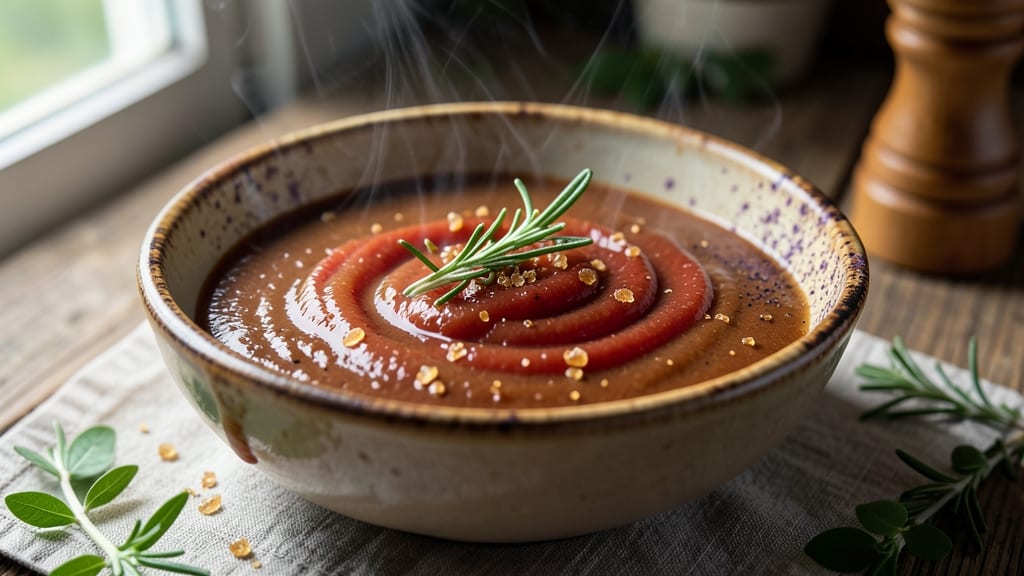
This barbecue basting sauce recipe transforms ordinary grilled meats into finger-licking masterpieces with its perfect balance of sticky-sweet and smoky depth. The secret lies in simmering tomatoes, vinegar, and spices until thickened into a glossy glaze that clings to every surface, locking in flavor with each basting.
I developed this sauce after years of testing—it's the one that finally made my ribs and brisket taste like they came straight from a competition pit.
The magic happens through a slow reduction process that caramelizes natural sugars while preserving the acidity that cuts through rich meats. You'll use simple pantry staples like ketchup, apple cider vinegar, and brown sugar, but the technique—simmering until it coats the back of a spoon—elevates them into something restaurant-quality.
This sauce works equally well on chicken, pork, or beef, making it the ultimate grilling companion.
What sets this recipe apart is its versatility—use it as a marinade for extra tenderness or as a finishing glaze for that perfect caramelized crust.
The sauce keeps well in the refrigerator for up to 2 weeks or can be frozen for longer storage, so you'll always have flavor on hand when the grill heats up. Each batch delivers that perfect balance of sweet, tangy, and smoky that makes every bite unforgettable.
For best results, apply the sauce generously during the last 15 minutes of grilling, basting frequently to build layers of flavor. The high heat will intensify the caramelization, creating that coveted glossy finish that signals a job well done.
Whether you're hosting a backyard BBQ or cooking for family, this sauce will be the star of your meal.
Ingredients for barbecue basting sauce
Pantry staples that transform into the ultimate sticky-sweet glaze for grilled meats.
| Ingredient | Amount | Notes |
|---|---|---|
| Ketchup 🍅 | 1 cup | High-quality, no sugar added preferred |
| Apple Cider Vinegar 🍏 | ½ cup | Unfiltered for deeper flavor |
| Brown Sugar 🍯 | ½ cup | Light or dark, packed |
| Tomato Paste 🍅 | ½ cup | Squeeze tube or canned |
| Smoked Paprika 🌶️ | 1 tbsp | For authentic smoky depth |
| Garlic Powder 🧄 | 1 tbsp | Freshly ground preferred |
| Onion Powder 🧅 | 1 tbsp | For savory balance |
| Ground Black Pepper 🌶️ | ½ tsp | Freshly cracked for heat |
| Salt 🧂 | 1 tsp | Kosher or sea salt |
| Worcestershire Sauce 🍲 | 1 tbsp | For umami punch |
The ketchup is where the magic starts—Heinz or Hunt's are my go-tos, but anything without high-fructose corn syrup works. Apple cider vinegar? Mott's or Bragg's add that tangy bite that cuts through the sweetness. Brown sugar should be packed into the measuring cup—don't scoop it straight from the bag. Smoked paprika is non-negotiable here; Penzeys or McCormick brands deliver that authentic BBQ smokiness. Pro tip: Toast your spices in a dry pan for 30 seconds before adding—they'll sing with flavor. For the tomato paste, squeeze tubes are a game-changer (no waste, lasts forever), but canned works too.
No ketchup? Tomato sauce plus a pinch of sugar gets you close. Vinegar substitute? Lemon juice works in a pinch, but it's brighter. Brown sugar too expensive? White sugar plus a splash of molasses mimics the depth. Worcestershire missing? Soy sauce or liquid aminos add umami, but you'll lose that classic tang. Fresh garlic and onion powders make all the difference—if you've got whole cloves, toast and grind them fresh for next-level flavor. The sauce thickens as it cools, so don't over-reduce. Trust the process—it'll get there.
This sauce is a flavor powerhouse that keeps getting better. Store it in a glass jar in the fridge for up to 2 weeks—the flavors meld beautifully overnight. For longer storage, freeze in ice cube trays and transfer to a bag. Thaw overnight in the fridge before using. Double the batch—you'll want leftovers. The sauce reheats perfectly, so keep some on hand for spontaneous grill sessions. A little goes a long way—start with a thin layer and build up as you baste.
Why You'll Love This Recipe
- This sauce works for everything: quick weeknight burgers, summer grilling, or even drizzled over baked beans for a crowd. Honestly, I’ve used it on pulled pork, fries, and even as a sandwich spread—it’s that versatile.
- Pantry Magic: I swear by this sauce because it uses stuff I already have—no special trips to the store. Just dump ketchup, vinegar, and sugar into a pot, let it simmer until it thickens, and boom—smoky, tangy goodness without the fuss.
- Smoky Sweet Crave: The combo of smoked paprika and brown sugar gives it that deep, caramelized edge you’d pay extra for at a BBQ joint. Slather it on ribs or chicken, and you’ll get that sticky, slightly charred finish that makes everything taste better than takeout.
- Weeknight to Party: This sauce works for everything: quick weeknight burgers, summer grilling, or even drizzled over baked beans for a crowd. Honestly, I’ve used it on pulled pork, fries, and even as a sandwich spread—it’s that versatile.
Step-by-step instructions for homemade barbecue basting sauce
This sticky-sweet glaze transforms ordinary grilled meats into showstopping centerpieces. Let's make it together!
Combine Wet Ingredients for a Smooth Base
In a medium saucepan, whisk together the 1 cup ketchup, 0.5 cup apple cider vinegar, and 0.5 cup brown sugar over medium heat. Stir constantly for 3-4 minutes until the sugar dissolves completely and the mixture begins to bubble gently. You'll notice the vinegar's sharp aroma mellowing as it integrates with the sweetness - this is where the sauce's balanced flavor profile starts forming.
Here's the thing - don't rush this step. You want the sugar to fully dissolve so you don't end up with grainy bits in your finished sauce. If you see any undissolved sugar crystals at the bottom of the pan, keep stirring for another minute or two until everything comes together smoothly. The sauce should be thick but pourable at this stage, with a rich, tangy aroma that makes your mouth water.
Thicken with Tomato Paste and Spices
Reduce the heat to medium-low and stir in the 0.5 cup tomato paste, scraping the bottom of the pan to incorporate any browned bits that add depth of flavor. Add the 1 tbsp smoked paprika, 1 tbsp garlic powder, 1 tbsp onion powder, 0.5 tsp ground black pepper, 1 tsp salt, and 1 tbsp Worcestershire sauce. Give everything a thorough stir to ensure even distribution of all those flavor-packed spices.
The sauce will begin to thicken as the tomato paste cooks down. This is where the magic happens - the spices bloom and meld with the other ingredients. Let it simmer for 5-7 minutes, stirring occasionally, until the sauce reaches a consistency that coats the back of a spoon but still flows smoothly. You're aiming for that perfect balance between thick enough to cling to meat and thin enough to brush easily. If it thickens too much, you can always add a splash of water later.
Simmer Until Perfectly Balanced
Continue simmering the sauce for an additional 8-10 minutes, stirring frequently, until it reduces by about one-third and develops a glossy sheen. You'll know it's ready when you can draw a line in the sauce with your finger that holds its shape for a few seconds - this indicates the right consistency for basting. The aroma should be complex, with notes of smoky paprika, sweet caramelized sugar, and tangy vinegar all working together in harmony.
Real talk: This is the moment that matters. Taste the sauce now and adjust the seasoning if needed. If it needs more sweetness, add a touch more brown sugar. If it's too tangy, a pinch of salt can help balance it. The sauce should be sweet, smoky, tangy, and savory all at once - that's what makes this glaze so irresistible. Once perfectly balanced, remove the pan from heat and let the sauce cool slightly before using it on your grilled meats.
Strain and Store for Maximum Flavor
For the smoothest texture, strain the sauce through a fine-mesh sieve into a clean bowl or jar, pressing gently on the solids with a spoon to extract all the flavorful liquid. This step removes any undissolved particles that might make your basting experience messy. The strained sauce should be glossy and velvety, with a consistency perfect for brushing onto grilling meats.
Let the sauce cool completely before storing. It keeps well in the refrigerator for up to 2 weeks in an airtight container, or you can freeze it for up to 3 months. The flavors actually deepen over time, making this a perfect make-ahead sauce for your next backyard cookout. When you're ready to use it, simply reheat gently on the stovetop or in the microwave until warmed through - never boil it again or the texture will break down.
Pro Tips For Making Barbecue Basting Sauce
- Simmer Slow and Low: Simmering this sauce too fast turns it into a sad, thin glaze instead of a rich, sticky coating. Keep the heat at a gentle bubble—just enough to see tiny ripples in the sauce—and let it thicken naturally over 15-20 minutes. I used to rush it, and the sauce ended up clinging like syrup on a hot day.
- Strain the Tomato Paste: Tomato paste clumps like stubborn glue when you try to measure it straight from the can. Spoon it into a fine-mesh strainer over a bowl, then press it through with the back of a spoon. This removes the grit and ensures your sauce stays silky, not grainy—trust me, you’ll taste the difference.
- Balance the Vinegar: Apple cider vinegar adds tang, but too much makes the sauce taste like a pickled disappointment. Start with ¼ cup and adjust by the tablespoon—taste as you go. I learned this the hard way when I doubled the vinegar and had to rescue the batch with extra brown sugar.
- Skip the Pre-Mixed Ketchup: Store-bought ketchup is convenient, but it’s loaded with salt and preservatives that muddle the flavors. Use crushed tomatoes instead—simmer 1 cup with a pinch of salt until thickened, then blend. It’s a little more work, but the sauce tastes like it was made from scratch, not a bottle.
Troubleshooting this recipe
Sauce Too Thin?
If your sauce isn't thickening as expected, you're likely not simmering long enough. Keep the heat at medium-low and let it reduce naturally—this can take 15-20 minutes total. For a quick fix, stir in 1 tsp cornstarch mixed with 1 tbsp water and simmer for another 2-3 minutes.
Pro tip: Use a deep saucepan to maximize surface area for evaporation. 🌡️
Grainy Texture?
Undissolved sugar or spices cause graininess. First, ensure all ingredients are fully combined—stir vigorously for 5 minutes on medium heat to dissolve sugar. If grains persist, strain the sauce through a fine-mesh sieve or cheesecloth.
For extra smoothness, blend briefly with an immersion blender before straining. Always taste as you go—adjust with a splash of vinegar or water if needed.
Burnt or Bitter Taste?
High heat turns sugars bitter. Keep the temperature at medium-low and avoid boiling. If it burns, remove from heat immediately and stir in 1 tsp honey or maple syrup to balance the bitterness.
For future batches, reduce heat further or use a heavy-bottomed saucepan to prevent scorching. Taste frequently—this sauce should be sweet, tangy, and smoky, not burnt.
Not Sticky Enough?
Stickiness comes from proper reduction. Simmer until the sauce coats the back of a spoon and leaves a visible line when you draw your finger through it. If it's still too thin, continue cooking uncovered for another 5-10 minutes, stirring often.
For extra cling, add 1 tbsp tomato paste or 1 tsp arrowroot powder to thicken. The goal is a glossy, syrupy consistency that clings to meat like glue. 💫
Sauce Separates?
Separation usually means the sauce cooled too quickly. Reheat gently on low heat, stirring constantly, until fully combined. To prevent this, store the sauce in a glass jar and let it cool at room temperature before refrigerating.
For future batches, whisk in 1 tbsp cornstarch at the end to stabilize the emulsion. If separation persists, blend briefly before using.
Too Tangy or Sweet?
Balance is key! If it's too tangy, add ½ tsp sugar or honey and simmer for 2 minutes. Too sweet? Stir in ½ tsp vinegar or lemon juice and taste again. For extra depth, add a pinch of smoked salt or a dash of hot sauce.
Always adjust gradually—you can always add more, but you can't take it out. Trust your taste buds!
Nutrition facts
Frequently asked questions
Can I use this basting sauce on vegetables or tofu?
This sauce works beautifully on grilled vegetables like bell peppers, zucchini, and portobello mushrooms. For tofu, brush it on after pressing and marinating for 10-15 minutes of grilling to prevent drying. The sweet-tangy profile complements plant-based proteins perfectly, though you may want to reduce the sugar slightly (¼ cup instead of ½ cup) for a lighter flavor.
How often should I baste meat with this sauce?
Baste every 5-7 minutes during the last 20 minutes of grilling for maximum flavor penetration. Use a basting brush to apply a thin layer, then let the meat sear briefly before reapplying. Over-basting can create a bitter crust, so focus on building layers rather than drowning the meat. For tougher cuts like brisket, baste more frequently (every 3-4 minutes) to help tenderize.
Can I make this sauce without ketchup?
Yes! Replace the ketchup with 1 cup tomato sauce plus 1 tbsp sugar and 1 tsp vinegar to mimic the balance. For a deeper flavor, add ½ cup tomato paste instead. The sauce will be slightly less sweet but still delicious. Pro tip: Add ½ tsp onion powder and ½ tsp garlic powder extra to compensate for the missing umami from ketchup.
Will this sauce work in a slow cooker?
Not directly, but you can use it as a finishing glaze! Simmer the sauce separately on the stovetop as directed, then brush it on meats during the last 30 minutes of slow cooking. The sauce won't thicken properly in a slow cooker due to the moist environment. For best results, reduce it to a syrupy consistency first, then reheat gently before applying.
How do I prevent the sauce from burning when grilling?
Prevent burning by applying the sauce in thin layers and letting each coat caramelize for 2-3 minutes before reapplying. Use a spray bottle with water to mist the sauce occasionally if your grill gets too hot. For charcoal grills, place the meat away from direct flames initially. If the sauce starts to burn, remove the meat and brush off the charred bits before continuing. Always keep a clean basting brush to avoid transferring burned bits back onto the meat.