
Sauces & Condiments
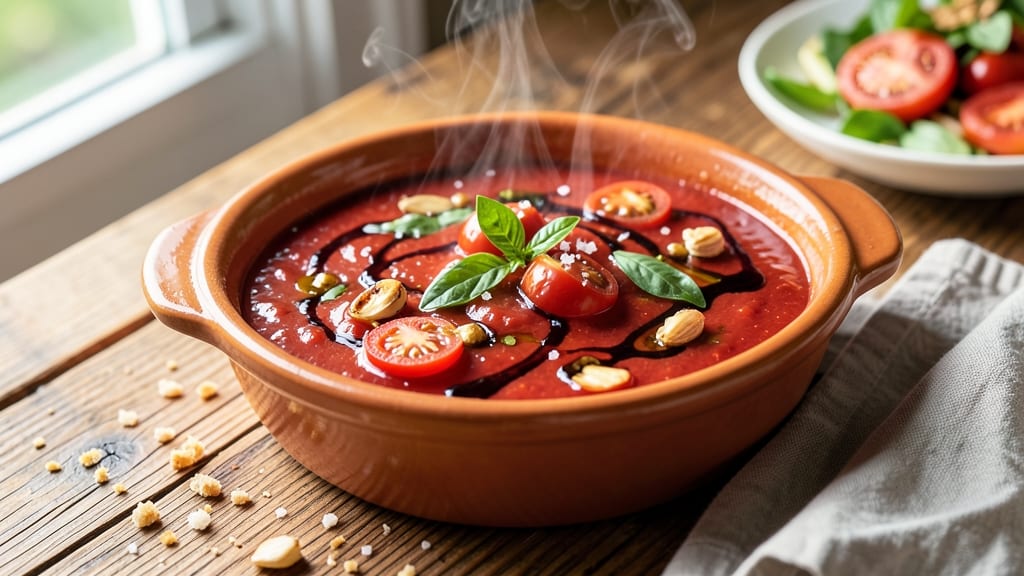
This authentic Italian tomato sauce recipe from scratch transforms simple ingredients into a rich, slow-simmered masterpiece that captures the heart of Italian cuisine. The secret lies in patience—letting the sauce develop deep, complex flavors over time through gentle heat and fresh aromatics.
I've recreated this version after years of studying regional traditions, where tomatoes are never rushed and basil is added only at the very end to preserve its bright, fresh essence.
The foundation begins with fresh tomatoes, garlic, and olive oil—simple but essential ingredients that build layers of umami when cooked low and slow.
Unlike canned sauces, this recipe relies on the natural sweetness and acidity of fresh tomatoes, balanced by the earthy depth of garlic and the warmth of dried herbs.
The slow simmer allows the flavors to meld together, creating a sauce that only improves with time, making it perfect for batch cooking and freezing.
What you'll achieve is a sauce that's smooth yet vibrant, with a perfect balance of acidity and richness. The texture becomes velvety as the tomatoes break down, releasing their natural sugars and creating a sauce that clings beautifully to pasta, meat, or vegetables.
The aroma alone will transport you to a bustling Italian kitchen, where every family has their own version of this timeless classic.
This sauce keeps well in the refrigerator for up to a week or can be frozen for months, ensuring you always have a taste of Italy at your fingertips.
Whether you're serving it over al dente pasta or using it as a base for hearty braises, this authentic tomato sauce will elevate any dish with its deep, layered flavor. Let's get started on creating something truly special.
Ingredients for authentic italian tomato sauce recipe from scratch
Fresh tomatoes, garlic, and olive oil make this sauce sing with authentic Italian flavor.
| Ingredient | Amount | Notes |
|---|---|---|
| Fresh San Marzano Tomatoes 🍅 | 2 lbs | Crushed by hand, seeds removed |
| Extra-Virgin Olive Oil 🫒 | ½ cup | High-quality, fruity variety |
| Garlic Cloves 🧄 | 6 cloves | Peeled, thinly sliced |
| Dried Oregano 🌿 | 1 tbsp | Italian or Mediterranean blend |
| Dried Basil 🌿 | 1 tsp | Or 1 tbsp fresh basil |
| Red Wine 🍷 | ¼ cup | Bold, dry variety like Chianti |
| Sea Salt 🧂 | 1 ½ tsp | Diamond Crystal preferred |
| Black Pepper 🌶️ | ½ tsp | Freshly ground |
| Fresh Basil Leaves 🌿 | ¼ cup | Torn, added at the end |
| Tomato Paste 🍅 | 2 tbsp | High-quality, no sugar added |
San Marzano tomatoes are the gold standard here—their sweetness and low acidity make all the difference. Trader Joe's and Whole Foods usually carry them in cans, but fresh ones work too if you can find them. The olive oil should be extra-virgin, with that fruity aroma—California-grown brands like Corto or Lucini are great choices. Garlic? Fresh is non-negotiable—it adds that deep, sweet flavor that dried just can't match. I always grab a whole head and keep the rest in the freezer for future recipes. The dried herbs are easy to find in any grocery store, but Italian specialty stores often have better-quality blends.
No red wine? Substitute with extra tomato paste—just add 1 tbsp more. Fresh basil is ideal, but if you're using dried, reduce to one-third the amount since it's more concentrated. The tomato paste can be tricky—Rao's or Barilla are my go-tos, but even the squeeze tubes at Trader Joe's work in a pinch. For extra depth, add a pinch of sugar if your tomatoes are particularly tart, but trust the natural balance first. And if you're short on time, a quick blitz in the food processor for the tomatoes works, but hand-crushing gives that rustic texture.
This sauce only gets better with time—3-4 days in the fridge lets the flavors meld perfectly. For longer storage, freeze in ice cube trays or small jars, then transfer to a bag. Thaw overnight in the fridge before reheating. The fresh basil should be added right before serving—it wilts fast, but that's part of the charm. Make a double batch; you'll want this on everything from pasta to pizza to grilled meats. It's the kind of sauce that disappears fast once it's in your kitchen.
Why You'll Love This Recipe
- No-Fuss Simplicity: I swear by this recipe because it’s the kind of sauce that doesn’t demand perfection—just a knife, a pot, and 20 minutes. You’re not peeling tomatoes or simmering for hours; it’s all about crushing those San Marzanos (or roasting them whole for lazy days) and letting the olive oil do the work.
- Sunshine in a Jar: That first spoonful of sauce—bright, tangy, with just the right kick from garlic and basil—is like a taste of summer. The San Marzanos give it that natural sweetness, while the olive oil keeps it rich without being heavy. (Yes, even on a Tuesday night.)
- Weeknight Magic: This sauce is my secret weapon for busy evenings: toss it with pasta, dollop it on grilled chicken, or freeze half for next week. Honestly, I’ve used it in everything from lasagna to bruschetta, and it never lets me down.
- Pantry Goldmine: A big batch costs less than takeout and lasts for days. The flavors actually get deeper as it sits, and I’ve reheated this sauce three times without it tasting flat. Plus, dried herbs mean no wilting, no waste—just pure, reliable flavor.
Step-by-step instructions for authentic Italian tomato sauce
Here's how to build rich, layered flavor from scratch—just like Nonna would make.
Prep and Sauté Aromatics
Heat the 0.5 cup extra-virgin olive oil in a heavy-bottomed pot over medium-low heat. Add the 6 peeled garlic cloves and cook for 3-4 minutes until they're just golden—not browned. This gentle cooking prevents bitterness and develops sweetness.
Next, stir in the 2 tablespoons tomato paste and cook for another 2 minutes, stirring constantly. The paste will darken slightly as it caramelizes, forming the flavor base for your sauce. Here's the thing—this step is crucial. Skipping it means missing that deep, concentrated tomato flavor that makes authentic Italian sauce sing.
Add Tomatoes and Herbs
Pour in the 0.25 cup red wine and scrape up any browned bits from the bottom of the pot. Let it simmer for 3-4 minutes until the wine reduces by about half. This deglazing step captures all the flavor you've built so far.
Add the 2 lbs crushed San Marzano tomatoes (with seeds removed) to the pot. Stir in the 1 tablespoon dried oregano, 1 teaspoon dried basil, 1.5 teaspoons sea salt, and 0.5 teaspoon black pepper. Give everything a good mix, then bring the sauce to a gentle simmer. The tomatoes should just bubble softly—no vigorous boiling.
Slow-Simmer for Deep Flavor
Reduce the heat to low and let the sauce simmer uncovered for 45-60 minutes. This is where the magic happens—slow cooking breaks down the tomatoes' natural pectin, creating a velvety texture while concentrating the flavors. Stir occasionally, but not constantly—you want that crust to form on the bottom, adding even more depth.
After about 30 minutes, taste the sauce. It should be developing complexity, with the wine's acidity mellowing and the herbs integrating. If the sauce gets too thick, add a splash of water—just enough to loosen it. The goal is a balance between thickness and silkiness, not a gluey paste.
Finish with Fresh Basil
When the sauce has reduced by about one-third (it should coat the back of a spoon), remove it from heat. Stir in the 0.25 cup torn fresh basil leaves. The heat will release their essential oils, infusing the sauce with bright, aromatic freshness that dried herbs can't match.
Let the sauce sit off the heat for 10 minutes before serving. This resting time allows the flavors to meld completely. The sauce should be rich, balanced between sweet and acidic, with layers of garlic, herbs, and wine. Serve immediately over pasta or save for later—it only gets better with time.
Pro Tips For Making Authentic Italian Tomato Sauce Recipe From Scratch
- Peel the Garlic Wrong: After burning three batches, I finally figured out that lightly crushing the garlic cloves with the flat side of your knife (not chopping) keeps them from turning bitter. Toss them in the oil first—yes, even if you’re impatient like me—and let them sizzle just until fragrant, not brown. That’s the moment they release their magic without turning acrid.
- Salt the Tomatoes First: I learned this the hard way—skipping the salt on the chopped San Marzano tomatoes before cooking means you’ll end up chasing flavor with more herbs later. Sprinkle a generous pinch (about 1/2 teaspoon per pound) right after chopping, let them sit for 5 minutes, then drain most of the juice. This concentrates the natural sweetness and balances acidity without making the sauce watery.
- Simmer Low and Slow: Sounds boring, but cranking the heat to speed things up turns your sauce into a sad, thin glop. Once the tomatoes hit the pot, reduce to the lowest simmer that keeps tiny bubbles dancing at the edges—about 160°F (70°C) if you’re fancy with a thermometer. This breaks down the tomatoes into a velvety texture without losing color or flavor. (Yes, even if you’re staring at the clock.)
- Toast the Herbs: My grandmother swore by this, and she was right: dry-toast the oregano and basil in a separate pan with a drizzle of olive oil for 30 seconds until fragrant. Crush them lightly between your fingers before adding to the sauce—this releases their oils and makes them sing. Skip this, and you’ll wonder why your sauce tastes like you’re eating the spices, not the tomatoes.
Pro cooking tips for great authentic italian tomato sauce recipe from scratch
Low-and-Slow Simmering
This sauce thrives on patience—low heat is non-negotiable. I use a heavy-bottomed Dutch oven (like Le Creuset) to distribute heat evenly and prevent scorching. Simmer uncovered at 180-190°F (gentle bubbles, not a rolling boil) for 45-60 minutes.
The slow reduction breaks down tomato pectin, creating that signature Italian silkiness while concentrating flavors. Trust the process—rushing turns it gluey. 🌡️
Deglaze Like a Pro
The wine deglazing step is where 90% of the flavor develops. After sautéing garlic and tomato paste, pour in the 0.25 cup red wine and let it reduce by half before adding tomatoes. Scrape every last bit from the pot—those browned bits (fond) hold caramelized umami.
I use a wooden spoon to stir vigorously, ensuring no flavor escapes. This technique transforms simple ingredients into something extraordinary.
Tomato Texture Secrets
For that rustic, handmade texture, crush tomatoes by hand (or pulse briefly in a food processor). Remove seeds to prevent excess liquid. If using canned San Marzano tomatoes, break them up with your hands—no blending!
The slight chunkiness adds body. Pro tip: If your sauce gets too thick mid-cook, add 1-2 tablespoons water at a time. The goal is a sauce that coats the back of a spoon but still flows freely. ✨
Herb Timing Matters
Dried herbs (oregano, basil) go in early to infuse deeply, but fresh basil is added at the very end. The heat releases its essential oils, creating that signature aroma. I tear leaves by hand (not chopping) to preserve their delicate flavor.
For extra depth, add a pinch of red pepper flakes or a splash of balsamic vinegar if your tomatoes are too sweet. Balance is key—taste as you go!
Equipment Upgrades
A thermometer (like Thermoworks Smoke) ensures perfect simmer temps. For hands-off cooking, a slow cooker on low for 6-8 hours works—just stir occasionally. Avoid nonstick pots; they can’t handle the low-and-slow heat.
My go-to pot is a 5-quart stainless steel with a lid for even heat distribution. Invest in quality tools—your sauce will thank you. 💪
Flavor Boosters
For extra umami, add 1 tsp fish sauce or a splash of pasta water (trust me, it works!). A pinch of sugar (if tomatoes are tart) or grated Parmesan (at the end) adds complexity.
I also like a bay leaf removed before serving. These tweaks elevate the sauce from good to restaurant-quality. Experiment fearlessly—authentic Italian cooking is all about personal touches. 🌟
Nutrition facts
Frequently asked questions
Why do you recommend using San Marzano tomatoes specifically?
San Marzano tomatoes are the gold standard for Italian tomato sauce because of their sweet, low-acid profile and thick flesh. Their natural sweetness balances the acidity perfectly, while their meaty texture creates a richer sauce without needing extra thickeners. The flavor is so distinct that many Italian chefs consider them essential for authentic results.
Can I make this sauce without red wine? What's the best substitute?
For a non-alcoholic version, substitute the 0.25 cup red wine with either 0.25 cup tomato paste or 0.25 cup vegetable broth. The wine adds depth, but these alternatives maintain the sauce's balance. If using broth, reduce it by half first to concentrate the flavor. For extra richness, add 1 teaspoon balsamic vinegar instead.
How do I know when the sauce is done cooking?
The sauce is ready when it's reduced by about one-third (about 45-60 minutes of simmering) and coats the back of a spoon smoothly. It should be thick but still flow freely—not gluey. Taste it: the flavors should be rich, with the wine's acidity mellowed and herbs fully integrated. If it's too thick, add 1-2 tablespoons water while warm.
What's the best way to store and reheat this sauce?
Store in an airtight container in the fridge for up to 1 week, or freeze for 3-4 months. For freezing, portion into ice cube trays or small jars. To reheat, gently warm on the stove over low heat while stirring frequently. Never microwave—it breaks down the sauce's texture. The flavors actually improve after 2-3 days in the fridge!
Can I use this sauce for dishes other than pasta?
This versatile sauce works beautifully on grilled meats (like chicken or steak), as a pizza base, or even as a dip for crusty bread. It's also perfect for braising vegetables (try eggplant or zucchini) or as a topping for polenta or risotto. The key is to balance the sauce's richness with the dish—pair it with proteins or starches that complement its acidity.