
Sauces & Condiments
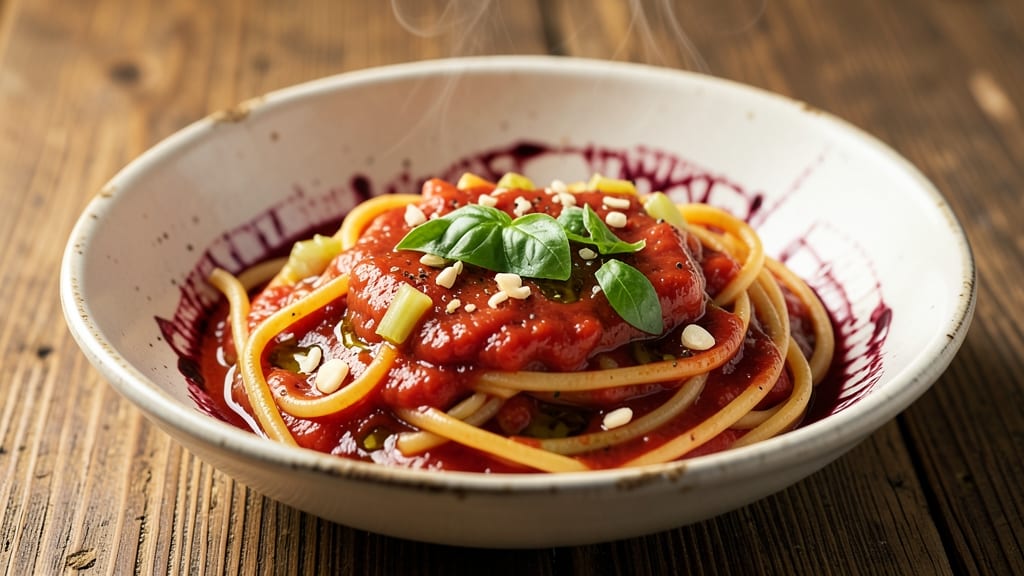
Angelo's spaghetti sauce recipe delivers that legendary Italian restaurant depth with a slow-simmered technique that builds layers of umami over hours. The secret lies in a celery crown crunch—finely chopped celery that releases its natural sweetness and subtle bitterness, creating a texture that elevates every spoonful.
This isn't just sauce; it's a flavor foundation that transforms simple pasta into a restaurant-quality meal.
What sets this sauce apart is the balance of acidity, sweetness, and savory depth. You'll start with a rich tomato base, then layer in garlic, onions, and herbs that develop their flavors gradually during the 4-hour simmer.
The celery crown adds a delicate crunch that disappears with each bite, leaving behind a subtle celery note that rounds out the sauce's complexity. No shortcuts here—this is sauce made for people who appreciate the difference between store-bought and homemade.
By the time you're done, you'll have a sauce that's rich, velvety, and packed with umami—the kind that clings to every strand of pasta and makes every bite unforgettable. The slow cooking process allows the flavors to meld perfectly, creating a sauce that tastes even better the next day.
This isn't just spaghetti sauce; it's a culinary experience that will have you reaching for the jar again and again.
The beauty of this recipe is its versatility. Use it as the star of your spaghetti night, drizzle it over grilled chicken, or serve it with crusty bread for dipping.
The sauce keeps well in the refrigerator for up to a week, so you can make a big batch and enjoy it all week long. Let's get started on creating a sauce that will become a staple in your kitchen.
Ingredients for angelo's spaghetti sauce
Tomatoes, celery, and garlic kick off this legendary sauce—simple ingredients that build restaurant-quality depth.
| Ingredient | Amount | Notes |
|---|---|---|
| San Marzano Tomato Crushed 🍅 | 28 oz | Canned, whole peeled tomatoes |
| Yellow Onion 🧅 | 1 whole | Medium size, finely chopped |
| Celery Stalks 🧅 | 2 whole | Finely chopped for celery crown |
| Garlic Cloves 🧄 | 4 cloves | Fresh, minced |
| Extra-Virgin Olive Oil 🫒 | ½ cup | High quality, fruity |
| Red Wine 🍷 | ½ cup | Dry, bold variety |
| Fresh Basil Leaves 🌿 | ½ cup | Packed, stems removed |
| Fresh Oregano Leaves 🍃 | ¼ cup | Packed, chopped |
| Sea Salt 🧂 | 1 ½ tsp | Diamond Crystal preferred |
| Black Pepper 🌶️ | ½ tsp | Freshly ground |
The tomatoes are non-negotiable. San Marzano is the gold standard—sweeter, meatier, and less acidic than regular canned tomatoes. Grab a 28-oz can for the perfect balance. Celery is where the magic happens: chop it super fine (almost like a paste) for that signature celery crown crunch. Trader Joe's sells pre-chopped celery if you're short on time, but fresh is always better. For the garlic, I use 4 cloves—don't skimp, but don't overdo it either. The olive oil should be fruity and peppery; California extra-virgin brands like Corto or Bertolli work perfectly.
No red wine? Dry white wine or extra chicken broth works in a pinch, but the acidity changes things. Fresh herbs are ideal, but dried oregano at half the amount gets you close. The celery crown technique is key—if you're worried about texture, blend half the celery and chop the rest finely. For the tomatoes, crush them by hand (not blend) to keep some texture. The sauce thickens as it cooks, so don't stress if it looks loose at first. Want more depth? Add a 1 tsp sugar to balance the acidity, or a pinch of red pepper flakes for heat.
This sauce gets better with time—4 hours simmering is ideal, but if you're short on time, 2 hours still works. Store in airtight containers in the fridge for up to 1 week, or freeze for 6 months. I double the batch and freeze half—perfect for lazy weeknights. The celery crown disappears during cooking, but its flavor lingers. Taste as you go: if it needs more salt, add it; if it's too acidic, a splash of water or extra tomato helps. Leftovers? Even better the next day.
Why You'll Love This Recipe
- No-Fuss Sauté: The onions and celery practically cook themselves in that golden olive oil—just 10 minutes of hands-off simmering while you open a can of San Marzano. Honestly, the hardest part is waiting for the garlic to stop sizzling.
- San Marzano Secret Weapon: That single ingredient changes everything. The crushed tomatoes dissolve into a velvety base with just the right balance of sweetness and acidity—no sugar or salt needed. Between us, my freezer’s full of jars because I can’t resist making extra.
- Weeknight to Sunday Table: Same sauce, endless uses. Toss it with spaghetti for a Tuesday dinner, ladle it over meatballs for a potluck, or freeze half for lazy mornings when you just need a jar to open. My college-aged kid even slurps it straight from the pot—no judgment here.
- Leftovers That Beg for More: This sauce tastes better the next day, which is why I always double the batch. The flavors meld overnight, and reheating it just takes a splash of water. I’ll be real: I’ve microwaved cold leftovers straight from the fridge, and it’s still the best thing in the house.
Step-by-step instructions for Angelo's spaghetti sauce
This sauce builds flavor slowly—don't rush it. The celery crown adds a delightful crunch that disappears as you stir.
Sauté the Aromatics Until Sweet
Heat the 0.5 cup extra-virgin olive oil in a large, heavy pot over medium-low heat. Add the finely chopped yellow onion and finely chopped celery stalks, stirring occasionally. Cook for 8-10 minutes until they soften and release their moisture, then turn a pale golden color. You'll smell that sweet, mellow aroma—this is your signal they're ready.
Here's the thing—if you rush this step, the sauce will taste raw and bitter. Patience pays off. Once the vegetables are tender, add the minced garlic cloves and cook for another 30 seconds until fragrant. Garlic burns fast, so watch it closely.
Deglaze with Wine and Add Tomatoes
Pour in the 0.5 cup red wine and stir vigorously to scrape up all the browned bits from the bottom of the pot. This deglazing step captures all that concentrated flavor. Let the wine simmer for 2-3 minutes until it reduces by about half—you'll see it thicken slightly and the alcohol burn off.
Now add the 28 oz San Marzano tomato crushed and 1.5 tsp sea salt. Stir well to combine, then bring the mixture to a gentle simmer. The tomatoes should bubble softly, not violently. If it boils too hard, reduce the heat slightly. This sauce needs time to develop its depth.
Simmer Slowly for Deep Flavor
Partially cover the pot and let the sauce simmer gently for 45-60 minutes. Stir occasionally to prevent sticking, and taste after 30 minutes. You'll notice the flavors mellowing and coming together—this is when the magic happens. The celery crown will soften but maintain a subtle crunch that disappears as you stir.
I like to keep the sauce uncovered for the last 15 minutes to allow some of the liquid to evaporate, concentrating the flavors. If it gets too thick, add a splash of water or pasta water to loosen it. The sauce should coat the back of a spoon but still be spoonable.
Finish with Herbs and Pepper
Remove the pot from heat and stir in the 0.5 cup fresh basil leaves and 0.25 cup fresh oregano leaves. Let the herbs steep for 5 minutes before tasting. The heat will release their essential oils, infusing the sauce with bright, fresh flavor. Season with the 0.5 tsp black pepper and adjust the salt if needed.
For the best texture, I strain the sauce through a fine-mesh sieve to remove the herb stems and any remaining celery crown pieces. This gives you a silky, smooth sauce with all the flavor. If you prefer a rustic texture, skip the straining—just remove the stems by hand.
Rest and Serve
Let the sauce rest for 10 minutes before serving. This allows the flavors to meld even more and the sauce to reach its ideal consistency. Angelo always said, "A good sauce needs time to think." Serve it warm over al dente spaghetti, topped with extra fresh basil if you like.
The sauce keeps well in the refrigerator for up to 5 days or can be frozen for 3 months. The flavors actually deepen over time, making it perfect for meal prep. Just reheat gently on the stove, stirring occasionally, until warmed through.
Pro Tips For Making Angelo'S Spaghetti Sauce
- Sweat, Don’t Sauté Onions: Low and slow is the name of the game here—San Marzano sauce needs a solid 8-10 minutes with the onions and celery to break down properly. I learned this the hard way when I rushed it and ended up with a raw, bitter base. Cover the pot halfway through to help them soften without browning.
- Crush Garlic, Don’t Mince: A quick press with the flat side of your knife (or a garlic press) releases more flavor than mincing. The goal is to bruise those cloves so they infuse the oil without burning—San Marzano sauce loses depth if garlic turns bitter. Do this right after the onions soften, when the pot’s ready to take it.
- Salt the Tomatoes Early: Add a pinch of salt to the crushed San Marzano tomatoes the second they hit the pot. It draws out excess water and helps them break down faster, giving you a richer, less watery sauce. Skip this, and you’ll end up with a thinner consistency no matter how long you simmer.
- Simmer Uncovered After 45 Minutes: Once the sauce hits 45 minutes, lift the lid and let it reduce uncovered for the last 30. This concentrates the flavors and thickens it naturally—no need to stir in flour or cornstarch. I used to cover it the whole time, and the sauce always ended up too soupy. (Yes, even if you’re impatient like me.)
Troubleshooting this recipe
Sauce Too Thin
If your sauce is too thin after simmering, don't panic—this is easily fixed. The key is patience and evaporation. Uncover the pot during the final 15 minutes of simmering to let excess moisture evaporate naturally.
If it's still too thin, reduce heat to low and simmer uncovered for another 10-15 minutes, stirring occasionally. For a quicker fix, mix 1 tablespoon tomato paste with 1 tablespoon water and stir in, as the tomato paste will thicken the sauce while adding depth. 🌡️
Sauce Too Thick
A thick sauce can happen if you simmer too long or use too many tomatoes. To fix this, add 2-3 tablespoons of water, pasta water, or even chicken broth while stirring constantly. Heat gently until the sauce reaches your desired consistency.
If it's still too thick, simmer uncovered for another 5 minutes to let some liquid evaporate. Never rush this step—adding too much liquid at once can dilute the flavors. 💧
Bitter or Raw Taste
If your sauce tastes bitter or raw, it's usually because the aromatics weren't cooked long enough. The onions and celery should be soft and sweet, not al dente. For a quick fix, add 1 teaspoon sugar or 1 tablespoon tomato paste to balance the bitterness.
If the flavor is still off, simmer the sauce with a bay leaf for 10 minutes—it adds subtle sweetness that rounds out the taste. 🌿
Herbs Too Strong
Fresh herbs can overpower if not balanced properly. If your sauce tastes like a herb garden, reduce the heat and let it steep for 5 minutes with a pinch of salt, which helps mellow the flavors.
If needed, add 1 tablespoon tomato paste or a splash of red wine to integrate the herbs more smoothly. For a smoother texture, strain the sauce through a fine-mesh sieve to remove any herb stems or excess leaf fragments. 🍃
Celery Crown Missing
The celery crown is the signature texture of Angelo's sauce, so if it's missing, you can recreate it. Finely chop 2 celery stalks (almost like a paste) and cook them with the onions until completely soft.
For extra crunch, add 1 teaspoon finely minced celery seeds or a pinch of celery salt at the end. If you're short on time, blend half the chopped celery into a smooth paste and mix it back into the sauce. 🧅
Sauce Not Flavorful Enough
A lackluster sauce usually means the flavors didn't meld properly. To fix this, simmer the sauce uncovered for another 15-20 minutes to deepen the flavors. For an instant boost, add 1 teaspoon balsamic vinegar or 1 tablespoon soy sauce (trust me, it adds umami without tasting like soy).
A pinch of red pepper flakes or a splash of fish sauce can also elevate the depth. Taste as you go—small adjustments make a big difference. 💡
Nutrition facts
Frequently asked questions
Why does this sauce need such a long simmer time?
The 4-hour simmer is what creates Angelo's signature depth. This slow cooking allows the flavors to meld together, the acidity to mellow, and the celery crown to develop its signature sweetness and subtle bitterness. Rushing this step means missing out on that restaurant-quality complexity.
Can I substitute San Marzano tomatoes?
While San Marzano is ideal, you can use other high-quality canned tomatoes like whole peeled Italian tomatoes or even crushed tomatoes. Just be aware the flavor will be slightly less sweet and more acidic. If using regular canned tomatoes, add 1 tsp sugar to balance the acidity.
How do I make this sauce vegetarian?
This recipe is already vegetarian, but if you want to enhance the umami flavor, add 1 tbsp soy sauce or 1 tsp nutritional yeast when you finish cooking. For extra richness, stir in 1 tbsp tomato paste during the final 15 minutes of simmering.
What's the best way to store leftovers?
Transfer the sauce to airtight containers and store in the refrigerator for up to 5 days. For longer storage, freeze in portions—it keeps well for 3 months. The flavors actually improve over time, so it's perfect for meal prep! Just reheat gently on the stove, stirring occasionally.
Can I make this sauce in a slow cooker?
Follow the same steps until adding the tomatoes, then transfer everything to a slow cooker. Cook on low for 6-8 hours or high for 3-4 hours. The slow cooker's gentle heat will help develop the flavors beautifully. Just