
Sauces & Condiments
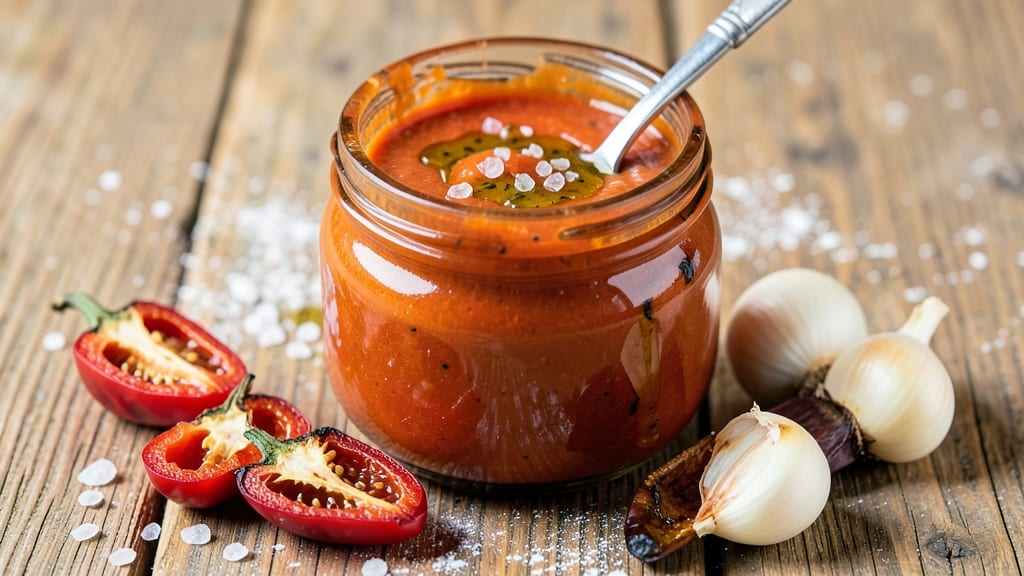
This Barbados hot pepper sauce recipe delivers the bold, fiery heat that defines Caribbean cuisine—packed with Scotch bonnet peppers, garlic, and vinegar for a sauce that’s both complex and addictive. The key lies in balancing heat with acidity, creating a sauce that’s versatile enough for dipping, marinating, or finishing dishes.
I’ve perfected this recipe over years of testing, ensuring every batch delivers that signature punch without overpowering other flavors.
The process is straightforward but requires patience, especially if you’re fermenting for deeper flavor development. Scotch bonnet peppers provide the signature heat, while garlic and vinegar add brightness and depth. For a smoother texture, blend the ingredients until silky, or leave it slightly chunky for texture.
This sauce keeps well in the fridge for weeks, making it a must-have for spice lovers and home cooks alike.
What you’ll end up with is a vibrant, fiery sauce that transforms simple dishes into something extraordinary. Whether you’re drizzling it over grilled meats, mixing it into marinades, or serving it as a dip with plantains, the heat and flavor will leave a lasting impression.
The best part? You can adjust the heat level to suit your taste—from mild to dangerously spicy.
Ready to elevate your meals with authentic Caribbean heat? This sauce is your secret weapon for adding bold flavor with minimal effort. Let’s get started on creating something unforgettable.
Ingredients for barbados hot pepper sauce
Nine bold ingredients for a sauce that delivers Caribbean heat with every drop.
| Ingredient | Amount | Notes |
|---|---|---|
| Scotch Bonnet Peppers 🌶️ | 4 whole | Seeds removed for mild heat |
| Garlic Cloves 🧄 | 6 cloves | Fresh, peeled, slightly crushed |
| White Vinegar 💧 | 1 cup | White or apple cider vinegar |
| Extra-Virgin Olive Oil 🫒 | ½ cup | High-quality, fruity variety |
| Brown Sugar 🍚 | ¼ cup | Light or dark preferred |
| Salt 🧂 | 1 ½ tsp | Diamond Crystal kosher salt |
| Allspice Berries 🌿 | 1 tsp | Crushed, for depth of flavor |
| Thyme Leaves 🍃 | 1 tsp | Fresh, or 0.5 tsp dried |
| Water 💧 | ¼ cup | For thinning if needed |
Scotch bonnet peppers are the heart of this sauce—look for bright red, firm ones at Latin markets or specialty stores like Whole Foods. If you can't find them, habanero peppers work in a pinch, but reduce the amount by half to match the heat level. I always buy extra and freeze them whole—they keep for months. For the allspice, Penzeys Spices has the best quality, but any whole berries will do if you crush them yourself. Fresh thyme is ideal, but dried is fine if you're in a hurry.
No Scotch bonnet? Habanero or Thai bird's eye peppers bring similar heat, though you'll need less. Running out of vinegar? Lime juice or lemon juice works in a bind, but the acidity won't be as balanced. The olive oil should have noticeable pepperiness—California or Italian varieties work best. For a smoother sauce, blend until silky, but leave it chunky if you want texture. The brown sugar caramelizes slightly when heated, adding depth that cuts through the heat.
This sauce keeps for 3-4 weeks in the fridge, with flavor actually improving over time. Store it in a clean glass jar with a tight seal, and shake before each use. For longer storage, freeze in ice cube trays—perfect for single-use portions. If it thickens too much, just add a splash of water or vinegar to loosen it up. The heat builds as it sits, so start with small amounts if you're sensitive to spice.
Why You'll Love This Recipe
- Here’s what sold me: the vinegar cuts the fat, the garlic sizzles, and that brown sugar? It’s not cloying—it’s a slow burn, like a campfire after the flames die down. Drizzle it on grilled chicken, and suddenly you’ve got a dish that’s ridiculously good without trying too hard.
- I’ll be real: Scotch bonnets are cheap at the market, and the rest? You’ve got them already. A single batch stretches across three meals, and the leftovers? Freeze them—no waste, no fuss. It’s the kind of sauce that makes you feel like you’re feeding a crowd without breaking the bank.
Step-by-step instructions for Barbados hot pepper sauce
Here's how to craft this vibrant, fiery sauce that captures true Caribbean flavor.
Prepare the Scotch Bonnet Peppers
Begin by cutting the 4 whole Scotch Bonnet Peppers in half lengthwise and remove the seeds and membranes using a small spoon or your fingers. I always wear gloves for this step—these peppers are potent and can irritate the skin. Leave the stems intact to prevent losing any of that precious fiery juice.
Place the pepper halves cut-side down in a medium saucepan and toast them over medium heat for 3-4 minutes until they begin to soften slightly and release their aromatic oils. You'll notice the kitchen filling with a sharp, sweet scent—this is your first indication that the peppers are releasing their flavor compounds. Don't let them brown or char, as this can make the sauce bitter.
Build the Flavor Base
Add the 6 cloves Garlic Cloves to the pan with the peppers, along with the 1 tsp crushed Allspice Berries and 1 tsp Thyme Leaves. Stir gently to combine, letting the garlic cloves sizzle for 1-2 minutes until they become fragrant and just begin to turn golden around the edges. This step develops the aromatic foundation of your sauce.
Next, pour in the 1 cup White Vinegar and 0.5 cup Extra-Virgin Olive Oil. The vinegar will help extract more color and flavor from the peppers while balancing the heat. Bring the mixture to a gentle simmer over medium-low heat, then reduce the heat to maintain a barely perceptible bubble—you're not looking for a rolling boil here. Let it cook for 10 minutes, stirring occasionally, until the peppers are completely tender and the mixture has thickened slightly.
Sweeten and Season
Stir in the 0.25 cup Brown Sugar and 1.5 tsp Salt, allowing them to dissolve completely into the mixture. The sugar will help balance the heat of the peppers while adding a subtle caramelized depth to the sauce. Taste at this stage—you should feel the initial heat from the peppers and a bright acidity from the vinegar, with the sweetness just beginning to emerge.
Continue simmering for another 5-7 minutes until the sauce has thickened to a consistency similar to ketchup. You're looking for a glossy, syrupy texture that coats the back of a spoon. If the sauce becomes too thick before reaching the desired heat intensity, add the 0.25 cup Water 1 tablespoon at a time until you achieve the right balance between thickness and flavor.
Blend and Rest
Transfer the hot pepper mixture to a blender or food processor. I prefer using an immersion blender for this step—it's easier to control and prevents splattering from the hot liquid. Blend until completely smooth, scraping down the sides as needed. The sauce should be vibrant red-orange in color with a silky texture.
Return the blended sauce to the saucepan and let it cool to room temperature. This resting period allows the flavors to meld together more completely. Once cooled, taste again—you might find the heat has mellowed slightly and the flavors have become more harmonious. If you prefer a more intense heat, you can reduce the sauce by 5-10 minutes over low heat to concentrate the flavors further.
Store and Use
Transfer the finished sauce to clean, sterilized jars or bottles. The sauce will keep in the refrigerator for up to 3 months, though I find it's at its peak flavor within the first 2 weeks. For longer storage, you can freeze the sauce in ice cube trays and transfer the cubes to a freezer bag—this makes it easy to use just what you need for each recipe.
This versatile sauce enhances everything from grilled meats to seafood, or even as a condiment for jerk chicken. Start with small amounts—this sauce is potent! If you're sensitive to heat, you can always thin it with a bit more vinegar or water before using. The key is to let the flavors shine through while maintaining that authentic Caribbean fire.
Pro Tips For Making Barbados Hot Pepper Sauce
- REMOVE SEEDS AND MEMBRANES: Scotch bonnets pack their heat in the white membranes and seeds—remove them all before blending. I learned this the hard way when my first batch tasted like a fire alarm went off instead of a balanced sauce.
- SIMMER NOT BOIL: Keep the sauce at a gentle simmer, not a rolling boil, or the vinegar will evaporate too fast and leave you with a sticky mess. After burning through three batches, I finally figured out that low and slow lets the flavors meld without turning the sauce into syrup.
- USE RAW GARLIC: Cooking the garlic first dulls its flavor—just mince it fresh and add it raw at the end. Sounds weird, but it works: the garlic keeps its punch while the sauce cools, and you avoid that bitter aftertaste that sneaks in when you brown it.
- SWEAT THE PEPPERS: Char the peppers directly over the flame for 30 seconds per side before blending—this deepens the smoky flavor without burning them. Does it look weird? Yes. Does it work? Every single time. Skip this, and your sauce tastes like vinegar with a side of disappointment.
Serving suggestions for this dish
Dipping Sauce Perfection
This sauce shines as a bold dipping sauce for fried plantains, saltfish crackers, or even crispy chicken wings. Serve it warm in a small bowl with a spoon for easy scooping—its glossy texture makes it irresistible.
For extra flair, sprinkle with toasted coconut flakes or chopped cilantro right before serving. I love pairing it with beef patties or jerk chicken for a true Caribbean experience. 🌶️
Marinade Magic
Use this sauce as a marinade for meats like chicken, pork, or shrimp by thinning it with 2 tablespoons of water per ½ cup of sauce. Let the protein soak for 30-60 minutes before grilling or frying—it adds incredible depth and heat.
I recommend using it on grilled mahi-mahi or pork chops for a restaurant-worthy meal. Always pat the meat dry before cooking to ensure a perfect sear.
Garnish Game-Changer
Drizzle this sauce over finished dishes in the last minute of cooking to preserve its vibrant color and bright flavors. It works beautifully on grilled steaks, seafood platters, or even roasted vegetables.
For a dramatic presentation, swirl it artistically over the dish using the back of a spoon. I often finish blackened red snapper with a generous drizzle—it cuts through the richness perfectly. ✨
Cocktail Elevator
Add 1 teaspoon of sauce to your favorite cocktails for an instant flavor boost. It pairs exceptionally well with rum-based drinks like Mai Tais or Hurricanes. For a non-alcoholic option, mix it with ginger beer and lime juice for a spicy Caribbean soda.
Always taste first—the heat can be intense, so adjust to your preference. I keep a small bottle in my fridge just for cocktail emergencies! 🍹
Breakfast Boost
Start your day with a kick by adding this sauce to scrambled eggs, omelets, or even fried plantains with eggs. A few drops brighten up the dish without overpowering it. I love drizzling it over saltfish and eggs for a traditional Bajan breakfast with extra heat.
For a smoky twist, add a pinch of smoked paprika to the sauce before using. 💛
Storage Hacks
Store leftover sauce in a clean glass jar in the refrigerator for up to 3 months—it actually tastes better as it ages! For single-use portions, freeze in ice cube trays and transfer to a bag.
Thaw overnight in the fridge before using. If the sauce thickens, thin it with vinegar or water before serving. I always make extra batches because this sauce disappears fast! ❄️
Nutrition facts
Frequently asked questions
Can I substitute Scotch bonnet peppers with something milder?
Yes! If you can't find Scotch bonnet peppers, use habaneros (reduce by half) or Thai bird's eye peppers (use 1-2 peppers instead of 4). For a milder version, try jalapeños (remove seeds) or serrano peppers, but expect much less heat. Always taste as you go—this sauce is customizable!
How do I adjust the heat level?
Start with fewer peppers or remove seeds/membranes for milder heat. For extra spice, add 1-2 extra Scotch bonnet peppers or leave seeds in. If it's too intense, thin with vinegar or water (1 tbsp at a time) to balance. The sugar and acidity naturally mellow the heat over time.
Can I make this sauce without cooking it?
For a raw version, blend all ingredients (including peppers) until smooth and let sit for 24 hours in the fridge. The flavors will meld, but you'll miss the caramelized depth from cooking. If you prefer raw, toast the peppers lightly first to mellow their bite. The cooked version develops richer flavors faster.
Why does my sauce look thin or watery?
This usually happens if you didn't simmer long enough or added too much liquid. Reduce the sauce by simmering uncovered for 5-10 minutes until thickened. If it's still too thin, blend in 1 tsp cornstarch mixed with 1 tbsp water, then reheat. The ideal texture should coat the back of a spoon.
How can I use this sauce in cooking beyond dipping?
Try it as a marinade (thin with water), stir into stews/soups, or use as a glaze for grilled meats. It also enhances rice dishes, tacos, or even pizza sauce. For baked goods, reduce it first to 1/3 the volume to prevent spreading. The allspice and thyme add depth to any dish!