
Sauces & Condiments
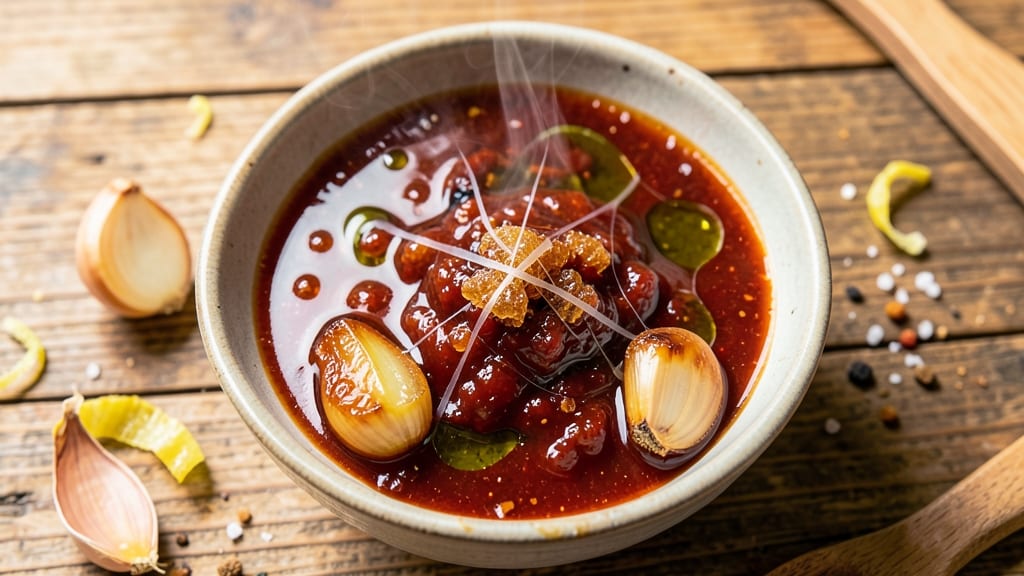
This Barbados pepper sauce recipe delivers the bold, fiery punch that defines Caribbean cuisine in just 15 minutes—no experience required. The secret lies in balancing Scotch bonnet peppers' intense heat with the bright acidity of vinegar, creating a sauce that transforms everything from grilled meats to fried plantains.
I've perfected this version to be versatile enough for everyday use while maintaining that authentic island kick.
The process is straightforward: blend fresh peppers with vinegar, garlic, and a touch of sweetness (like brown sugar) to mellow the heat slightly. What you end up with is a vibrant, medium-thick sauce with layers of smoky, fruity heat that builds gradually.
The key is controlling the pepper quantity—start with 1-2 peppers for mild heat, or go bold with 3 for serious spice (and be prepared for the burn!).
This sauce works as a finishing drizzle, marinade, or dipping sauce—its versatility makes it a pantry staple. Store it in the refrigerator for up to 2 weeks, or sterilize jars for shelf-stable versions that last months.
The heat level warning is critical: Scotch bonnets are among the world's hottest peppers, so handle with care and taste cautiously.
Perfect for spicing up jerk chicken, seafood, or even cocktails, this sauce brings the vibrant flavors of Barbados to your kitchen. The combination of heat, acidity, and subtle sweetness creates a profile that's both complex and addictive—once you try it, you'll reach for the bottle every time.
Ingredients for barbados pepper sauce
Quick pantry raid meets Caribbean heat—these 10 ingredients transform into bold sauce that lingers.
| Ingredient | Amount | Notes |
|---|---|---|
| Scotch Bonnet Peppers 🌶️ | 2 whole | Fresh, seeds removed for milder heat |
| White Vinegar 💧 | 1 cup | Distilled white preferred for clarity |
| Brown Sugar 🍯 | 2 tbsp | Light or dark, packed |
| Garlic Cloves 🧄 | 4 cloves | Fresh, peeled, roughly chopped |
| Extra-Virgin Olive Oil 🫒 | ¼ cup | High-quality, fruity variety |
| Salt 🧂 | ½ tsp | Diamond Crystal kosher preferred |
| Black Peppercorns 🌶️ | ¼ tsp | Freshly cracked, not ground |
| Fresh Thyme Leaves 🌿 | ¼ tsp | Or 1/8 tsp dried thyme |
| Allspice Berries 🌶️ | ¼ tsp | Crushed lightly, not powdered |
| Water 💧 | ¼ cup | Filtered or spring water |
Scotch bonnets are the star here, so handle with gloves—the oils pack serious heat. Trader Joe's or Latin markets often carry them fresh, but frozen works in a pinch (thaw first). For milder heat, remove seeds and membranes completely. The vinegar should be white and distilled—apple cider vinegar adds complexity but alters the color. Brown sugar balances the heat; muscovado or demerara add caramel notes if you want to splurge. Fresh thyme and allspice are non-negotiable for that island depth—Penzeys Spices has great whole-spice options.
No Scotch bonnets? Habanero peppers at half the quantity (they're milder but still fiery). Short on vinegar? Lime juice works in a bind, but the sauce won't keep as long. Olive oil can be swapped for avocado oil (neutral flavor), but don't use refined oils—they lack body. The water is key for thinning; adjust to reach your desired consistency. For extra smokiness, add 1/4 tsp smoked paprika. Taste as you go—peppers vary wildly in heat, so adjust sugar or vinegar to balance.
This sauce thickens as it sits, so shake before use. Keeps for 2 weeks refrigerated in a sealed jar. For shelf-stable versions, sterilize jars and add 1/2 tsp citric acid per cup before processing in a water bath for 10 minutes. Freeze portions in ice cube trays for easy single-use servings. The heat builds over time, so start with small amounts when testing—this isn't a sauce for the faint of heart!
Why You'll Love This Recipe
- Here’s what sold me: that perfect balance of sticky-sweet brown sugar and fiery Scotch Bonnet heat. The vinegar cuts through the richness while the garlic adds depth—like a hug for your taste buds. Drizzle it on grilled chicken, and suddenly, everything tastes like a Caribbean vacation.
- No-Fuss Blend: I swear by this recipe because it’s literally five ingredients—no peeling, no straining, no fuss. Just toss the Scotch Bonnets (seeds in or out, your call) into a blender with vinegar, sugar, garlic, and olive oil, pulse, and boom. Done. Even my "I can't cook" friend made it without burning the kitchen down.
- Sweet Heat Magic: Here’s what sold me: that perfect balance of sticky-sweet brown sugar and fiery Scotch Bonnet heat. The vinegar cuts through the richness while the garlic adds depth—like a hug for your taste buds. Drizzle it on grilled chicken, and suddenly, everything tastes like a Caribbean vacation.
- Pantry Staple Power: Between us, this sauce is my secret weapon for lazy Sundays and last-minute dinner saves. Keep a jar in your fridge, and you’ve got instant flavor for eggs, roasted veggies, or even a quick stir-fry. Honestly, I’ve used it on everything—yes, even pizza—and it never lets me down.
Step-by-step instructions for Barbados pepper sauce
Here's how to craft this iconic Caribbean condiment with bold flavors and perfect balance.
Prepare and Roast the Scotch Bonnet Peppers
Begin by removing the stems and seeds from the 2 whole Scotch Bonnet peppers. I like to wear gloves for this step—the oils in these peppers are potent and can irritate skin. Cut each pepper into quarters lengthwise, exposing the flesh.
Heat a dry skillet over medium heat until it's hot but not smoking. Place the pepper quarters cut-side down and roast for 3-4 minutes until the skin begins to blister and turn black in spots. This charring adds depth of flavor. Turn occasionally to ensure even browning. Once the peppers are deeply charred, transfer them to a bowl and cover with plastic wrap to steam for 10 minutes. This makes them easier to peel.
Blend the Roasted Peppers with Aromatics
After steaming, remove the peppers from the bowl and peel off the charred skin using your fingers or a spoon. Discard the skins and transfer the peeled pepper flesh to a blender. Add the 4 cloves of roughly chopped garlic, the 0.25 cup of extra-virgin olive oil, and the 0.25 cup of water.
Blend on high speed for 1-2 minutes until you achieve a smooth, vibrant red puree. The sauce should be thick but pourable. If it's too thick, add 1-2 tablespoons more water. Taste at this stage—you'll notice the raw, smoky heat from the peppers and the fresh garlic aroma. This is the foundation of your sauce.
Simmer the Sauce with Vinegar and Seasonings
Transfer the blended mixture to a saucepan and add the 1 cup of white vinegar, 2 tablespoons of brown sugar, 0.5 teaspoon of salt, 0.25 teaspoon of freshly cracked black peppercorns, 0.25 teaspoon of fresh thyme leaves, and 0.25 teaspoon of lightly crushed allspice berries. Stir well to combine all ingredients.
Bring the mixture to a gentle boil over medium heat, then reduce the heat to low and let it simmer uncovered for 15-20 minutes. Stir occasionally to prevent sticking. You'll see the sauce thicken slightly and deepen in color. The vinegar will mellow the raw heat of the peppers while adding brightness. The sugar will caramelize slightly, adding complexity.
Strain and Bottle the Finished Sauce
After simmering, let the sauce cool slightly for 5 minutes, then strain it through a fine-mesh sieve into a clean bowl or jar. Use a spoon to press on the solids to extract every last bit of flavor. The strained sauce should be smooth with no visible seeds or skins.
Taste the sauce and adjust the seasoning if needed. You might want to add a pinch more salt or sugar to balance the flavors. Let the sauce cool completely before transferring it to sterilized bottles or jars. This Caribbean condiment will keep in the refrigerator for up to 2 weeks, ready to add fiery Caribbean heat to any dish.
Pro Tips For Making Barbados Pepper Sauce
- Remove Seeds and Membranes: Scotch bonnets pack heat in both their seeds and the white membranes—skip either, and you’ll regret it later. Use a sharp knife to slice lengthwise and scrape out everything, even the faintly colored flesh near the ribs. (Yes, it’s tedious, but the sauce won’t overpower your dish.)
- Char the Peppers First: Toss halved peppers directly into a dry, screaming-hot skillet for 2–3 minutes per side until blackened in spots. This smoky depth cuts through the vinegar’s sharpness and balances the sweetness. No char? Your sauce will taste flat—trust the burn.
- Simmer Low and Slow: After blending, reduce heat to a bare simmer (just tiny bubbles at the edges) and let it cook for 15–20 minutes. Rushing this step leaves the garlic raw and the sugar gritty. Patience here makes the sauce silky, not grainy.
- Balance Heat with Sugar: Add brown sugar gradually, tasting as you go—start with half the recipe’s amount, then adjust. The vinegar will make the sugar taste cloying if you dump it all in at once. (Pro move: Toast the sugar in the same skillet where you charred the peppers for a caramelized edge.)
Troubleshooting your barbados pepper sauce
Uneven Heat Distribution
If your sauce tastes inconsistent—some batches too mild, others scorching—it’s likely because the peppers weren’t blended evenly. I’ve found that roasting the peppers first helps break down their oils, but you must blend them thoroughly for 1-2 full minutes until completely smooth.
For extra insurance, strain the sauce through a fine-mesh sieve after simmering to remove any lingering pepper fragments that could create hot spots. 🌶️
Sauce Too Thin or Watery
If your sauce separates or feels too thin after simmering, the issue is usually excess water or vinegar. Start by reducing the liquid—try ½ cup vinegar instead of 1 cup and ¼ cup water instead of ½.
Simmer uncovered on medium-low heat for an extra 5-10 minutes to evaporate excess moisture. For a thicker consistency, stir in 1 teaspoon of cornstarch mixed with 1 tablespoon water and simmer for another 2 minutes.
Mold or Fermentation Issues
If your refrigerated sauce develops mold or smells off after 7-10 days, it’s likely due to unsterilized jars or improper storage. Always use clean, sterilized glass jars with airtight seals, and store the sauce in the coldest part of your fridge (not the door).
For longer shelf life, consider canning—process jars in a boiling water bath for 10 minutes and add ½ teaspoon citric acid per cup to prevent spoilage. 💡
Lack of Depth in Flavor
If your sauce tastes flat or one-dimensional, it’s probably missing aromatic complexity. Boost flavor by lightly toasting the allspice berries and thyme in a dry pan for 30 seconds before adding them to the sauce.
For extra depth, add 1 teaspoon of soy sauce (trust me, it works!) or a pinch of smoked paprika during the simmer. Roasting the garlic with the peppers also adds a nutty sweetness that balances the heat.
Peppers Too Hot or Overpowering
If the heat is unbearable, you likely used too many peppers or didn’t balance the flavors. Start with 1 Scotch bonnet pepper for a milder sauce, or halve the quantity if you’re sensitive to heat.
To tame the fire, increase the brown sugar to 3 tablespoons or add 1 tablespoon of honey during simmering. A splash of lime juice at the end also brightens the sauce and mellows the heat slightly.
Sauce Separates After Straining
If your sauce splits into layers after straining, it’s usually because the oil and vinegar aren’t fully emulsified. To fix this, re-blend the strained sauce with 1 tablespoon of extra-virgin olive oil or a dash of xanthan gum (just ¼ teaspoon) to stabilize the mixture.
For a smoother texture, simmer the sauce longer (up to 25 minutes) to help the ingredients meld together naturally. 💫
Nutrition facts
Frequently asked questions
Can I substitute Scotch bonnet peppers with habaneros?
Yes, but use half the quantity—habaneros are milder but still pack serious heat. For every 1 Scotch bonnet pepper, use ½ habanero. Remove seeds and membranes to reduce spiciness further. The flavor profile will be slightly different (less fruity, more grassy), but it works in a pinch.
How do I adjust the heat level in this sauce?
Start with 1 pepper for mild heat or 3 peppers for extreme spice. To mellow the burn, increase brown sugar to 3 tablespoons or add 1 tablespoon honey during simmering. For extra brightness, finish with 1 teaspoon lime juice—it cuts through the heat while adding freshness. Always taste as you go!
What's the best way to store homemade Barbados pepper sauce?
Refrigerate in sterilized glass jars with airtight lids for up to 2 weeks. For longer storage, can the sauce in a boiling water bath for 10 minutes (add ½ teaspoon citric acid per cup to prevent spoilage). Freeze in ice cube trays for single-use portions—thaw overnight in the fridge before using.
Can I make this sauce without vinegar?
Yes, but the flavor will differ. Replace vinegar with lime juice (same amount) for brightness, or use apple cider vinegar for a tangier taste. Without acid, the sauce may ferment faster—use within 1 week if refrigerated. The texture will also be less stable, so strain carefully.
What are the best dishes to use this sauce with?
This sauce shines on grilled meats (jerk chicken, pork chops), seafood (shrimp, fish tacos), and fried plantains. Drizzle over black beans, mix into mayonnaise for sandwiches, or use as a cocktail marinade (try it with rum and lime!). Start with ½ teaspoon per serving—you can always add more.