
Sauces & Condiments
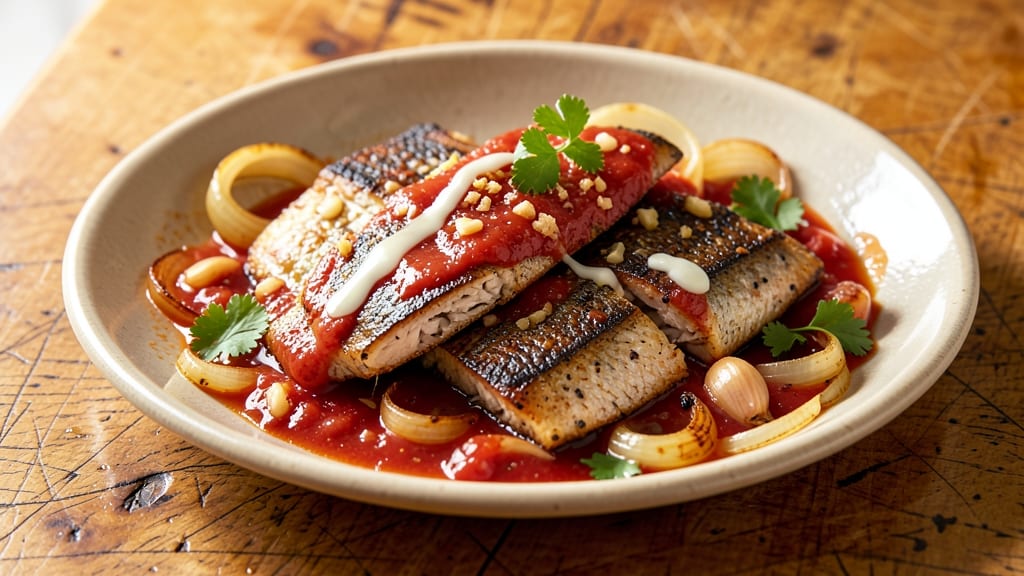
This bangus sardines in tomato sauce recipe delivers the perfect balance of crispy skin and tender, juicy fillets in just 20 minutes—a Filipino classic that transforms simple ingredients into a restaurant-worthy dish.
The secret lies in the marinade, which tenderizes the fish while the tomato sauce simmers into a rich, slightly sweet, and tangy glaze that clings to every flake. I developed this version after years of perfecting the technique, ensuring the sauce never overpowers the delicate texture of the bangus.
The process is straightforward yet precise: the fish is lightly marinated in a blend of garlic, ginger, and vinegar to enhance flavor and texture, then quickly sautéed until the skin crisps to a golden finish.
The tomato sauce, made with ripe tomatoes, onions, and a touch of sugar, simmers just long enough to develop depth without losing its natural brightness. This dish is a staple in Filipino households, often served with steamed rice to soak up every last bit of the flavorful sauce.
What makes this recipe special is the harmony of textures and flavors—crispy skin gives way to flaky, juicy fillets that melt in your mouth, all bathed in a sauce that’s tangy, slightly sweet, and just spicy enough to keep you reaching for another bite.
The dish is ready in under 20 minutes, making it perfect for weeknight dinners or quick gatherings. The sauce also reheats beautifully, so leftovers taste just as good the next day.
Pair this dish with garlic fried rice or a simple side salad to round out the meal. The versatility of the sauce means you can adjust the spice level or add a splash of calamansi (Filipino lime) for extra brightness.
Whether you're serving it to family or guests, this recipe is sure to impress with its simplicity and bold flavors.
Ingredients for bangus sardines in tomato sauce
Here's what transforms simple pantry staples into restaurant-quality bangus with crispy skin and juicy fillets.
| Ingredient | Amount | Notes |
|---|---|---|
| Bangus Sardines (Freshwater Milkfish) 🐟 | 1 ½ lb | Whole fillets, skin-on preferred |
| Ripe Tomatoes 🍅 | 2 cups | Diced, fresh or canned (San Marzano) |
| Yellow Onion 🧅 | 1 whole | Thinly sliced, about 1 cup |
| Garlic Cloves 🧄 | 6 cloves | Minced, fresh preferred |
| Fresh Ginger 🌿 | 1 tbsp | Grated, peeled, or paste |
| White Vinegar 💧 | 2 tbsp | For marinade brightness |
| Granulated Sugar 🍚 | 1 tbsp | Balances tomato acidity |
| Olive Oil 🫒 | ¼ cup | Extra-virgin for frying |
| Salt 🧂 | 1 ½ tsp | Kosher or sea salt |
| Black Pepper 🌶️ | ½ tsp | Freshly ground preferred |
| Bay Leaf 🌿 | 1 whole | For sauce depth |
| Calamansi or Lemon Juice 🍋 | 1 tbsp | Optional, for brightness |
| Silken Tofu (optional) 🥬 | ¼ cup | For extra creaminess |
Bangus is the star, so look for fresh fillets with intact skin—that's where the crispy magic happens. Filipino markets or Asian grocery stores often carry the best quality, but any seafood counter with fresh fish will do. If you can't find whole fillets, ask for skin-on pieces. The tomatoes should be ripe but firm—San Marzano cans work in a pinch if fresh isn't available. For the ginger, freshly grated gives the best flavor, but paste is fine if you're short on time. The vinegar and sugar combo is key for that perfect balance of tangy and sweet in the sauce.
No calamansi? Lemon juice works just as well—it just won't be as authentic. Swapping tomatoes? Roma or vine-ripened varieties hold up better than beefsteak. If you're avoiding tofu, skip it—the sauce will still be delicious. For the garlic, don't skip the mincing—it should be almost paste-like for maximum flavor. The olive oil matters here too—use extra-virgin for frying, but any neutral oil will work for sautéing the sauce. And if you're worried about the fish sticking, pat it very dry before frying—it makes all the difference for crispy skin.
The sauce reheats beautifully—tastes even better the next day as flavors meld. Store leftovers in an airtight container for up to 3 days in the fridge. For longer storage, freeze portions for 2 months. I always make a double batch because it disappears fast—steamed rice soaks up every last bit. If you're serving with garlic fried rice, double the sauce recipe—it's that good. And if you have extra, freeze it in ice cube trays for quick future meals.
Why You'll Love This Recipe
- One-Pot Magic: This dish lives in a single pan—no extra bowls, no fuss. Just toss in the chopped onions, garlic, and ginger, let them soften, then add the tomatoes and bangus. The sauce thickens right there while the fish flakes apart, soaking up every bit of that tangy, garlicky goodness.
- Ginger-Tomato Bomb: Honestly, the ginger and tomatoes are the stars here. The ginger gives this sauce a warm kick that cuts through the richness of the bangus, while the tomatoes add that bright, slightly sweet acidity. It’s the kind of flavor combo that makes you reach for seconds without even thinking.
- Lunchbox Hero: Between us, this is my go-to for packed lunches. The sauce stays rich but doesn’t get watery, and the bangus holds together just enough to be hearty. I’ll be real—my kids would rather eat it cold with rice than any sad sandwich I could throw together.
- Budget Win: A whole bangus feeds four, and the rest of the ingredients cost pennies. That’s right—you’re getting a restaurant-quality meal for the price of a single takeout order. Plus, leftovers reheat like a dream, so you’re not stuck cooking twice in a week.
Step-by-step instructions for bangus sardines in tomato sauce
A perfect balance of crispy skin and tender fillets in a rich tomato sauce—here's how to achieve it every time.
Prepare the Bangus Sardines for Crispy Skin
Pat the 1.5 lb Bangus Sardines completely dry with paper towels, focusing on the skin side. Any moisture will prevent proper browning. I like to make a few shallow slits along the thicker parts of the fillets—this helps the sauce penetrate while keeping the texture tender.
Season both sides generously with 1.5 tsp salt and 0.5 tsp black pepper, pressing the seasoning into the skin. Let the fillets sit at room temperature for 15 minutes while you prepare the sauce base. This step ensures even cooking and maximum flavor infusion.
Build the Tomato Sauce Foundation
Heat 0.25 cup olive oil in a large skillet over medium heat. Add the 1 whole yellow onion and cook for 5 minutes until softened but not browned. Stir in the 6 cloves minced garlic and 1 tbsp grated fresh ginger, cooking for 30 seconds until fragrant—this prevents bitter flavors from developing.
Add the 2 cups diced ripe tomatoes, 2 tbsp white vinegar, and 1 tbsp granulated sugar. Bring to a gentle simmer and cook uncovered for 8-10 minutes, stirring occasionally, until the tomatoes break down into a thick sauce. The sugar helps balance the acidity from the vinegar while enhancing natural sweetness.
Fry the Sardines to Golden Perfection
Increase heat to medium-high and carefully add the seasoned Bangus Sardines, skin-side down. Let them cook undisturbed for 3-4 minutes until the skin turns golden brown and crispy. You'll see the edges curl slightly—that's your signal to flip once. Cook the other side for 2-3 minutes until just opaque in the center.
Remove the sardines and set aside on a plate. The internal temperature should reach 145°F—this ensures juicy fillets while maintaining crispy skin. Keep the sauce in the skillet for now; it'll be the perfect vehicle for your fish.
Finish the Sauce and Combine
Return the cooked sardines to the skillet with their sauce. Add the 1 whole bay leaf and 1 tbsp calamansi or lemon juice, then gently simmer for 3-4 minutes. This allows the flavors to meld while keeping the fish warm. If using, stir in the 0.25 cup silken tofu for added creaminess during the last minute of cooking.
The sauce should coat the sardines beautifully, with a balance of tangy, slightly sweet, and umami notes. Taste and adjust seasoning if needed—this is your chance to perfect the flavor profile. Serve immediately over steamed rice or crusty bread to soak up every delicious bite.
Pro Tips For Making Bangus Sardines In Tomato Sauce
- Clean the Fish Well: Bangus has a strong flavor—rinse the guts and scales thoroughly, then soak the fillets in cold water for 10 minutes to remove any lingering bitterness. I learned this the hard way after serving a batch that tasted funky; now I never skip it.
- Sear On High Heat: Bangus cooks fast—get your pan screaming hot before adding the fillets. A quick 2-minute sear locks in moisture and keeps them from falling apart later. I used to low-and-slow it, and the fish turned rubbery every time.
- Blend the Tomato Base: Skip chopping—puree the tomatoes with garlic, ginger, and a pinch of salt before cooking. This dissolves the fibers and creates a silky sauce that clings to the fish instead of separating. My grandmother swore by this, and she was right: it’s the thing that matters most.
- Deglaze with Fish Stock: After searing the onions, deglaze with ½ cup of fish stock (or water in a pinch) instead of just water. The umami boosts the sauce and balances the acidity of the tomatoes. I was skeptical until I tried it—now I never go back.
Perfect pairings for this dish
Filipino Side Dishes
Serve your bangus with garlic fried rice—the ultimate Filipino pairing. Use day-old jasmine rice stir-fried with 3 minced garlic cloves, 2 tbsp soy sauce, 1 tbsp calamansi juice, and 1 fried egg on top.
The crispy rice soaks up the tomato sauce beautifully. For extra crunch, add 1 cup frozen peas during the last minute of cooking. 🌶️
Try sinigang na gulay (Filipino tamarind soup) for a lighter option. The tangy broth made with tamarind pods, radish, kangkong (water spinach), and eggplant complements the richness of the bangus.
Simmer for 20 minutes and serve the sardines on top for a complete meal. This dish is especially refreshing during hot weather.
Asian-Inspired Sides
Pair with sticky rice if you want to keep it authentically Filipino. Use glutinous rice cooked in coconut milk for a sweeter, creamier texture. The contrast between the crispy bangus and soft rice is pure comfort food.
For a modern twist, serve with kimchi—the spicy, fermented cabbage adds a tangy kick that balances the sweetness of the sauce.
For a vegetarian-friendly option, add steamed bok choy or green beans sautéed with garlic and chili flakes. The crisp-tender vegetables provide a fresh counterpoint to the rich fish and sauce.
I like to toss them in 1 tbsp sesame oil and 1 tsp toasted sesame seeds for extra flavor. 🥗
Beverage Pairings
Sip on calamansi juice—the national drink of the Philippines—to cleanse your palate between bites. Mix 1 cup fresh calamansi juice with ½ cup sparkling water and 1 tsp honey for a refreshing, slightly tart drink.
The citrus notes echo the sauce’s brightness while cutting through the richness of the bangus. If calamansi isn’t available, lemon-lime soda works in a pinch.
For a boozy pairing, try San Miguel Pale Pilsen—the Philippines’ most popular beer. Its crisp, light maltiness complements the dish without overpowering it. If you prefer wine, a dry Riesling with its zesty acidity mirrors the tomato sauce’s tang.
Avoid heavy reds like Cabernet Sauvignon, as they’ll clash with the delicate fish flavors. 🍷
Sauce Variations
Craving heat? Add 1 tbsp sriracha or 1 tsp chili flakes to the sauce while simmering. For a smoky twist, stir in ½ tsp smoked paprika or a dash of fish sauce (like Red Boat) for umami depth.
These adjustments keep the dish exciting while staying true to Filipino flavors. I often add 1 tbsp soy sauce for extra richness, especially if serving with rice.
For a creamier sauce, stir in 2 tbsp coconut milk during the final 2 minutes of simmering. The subtle sweetness enhances the tomatoes while adding a velvety texture. If you’re avoiding dairy, silken tofu (as mentioned in the recipe) works perfectly for creaminess without altering the dish’s integrity. 💫
Nutrition facts
Frequently asked questions
Can I use frozen bangus instead of fresh?
Fresh bangus yields the best texture, but frozen works in a pinch. Thaw it overnight in the fridge, then pat completely dry—extra moisture will prevent crispy skin. For best results, choose fillets with skin still attached and avoid ice crystals. If the skin looks dull, soak in cold water for 10 minutes before cooking.
How do I adjust the sauce if I don't like spicy flavors?
Skip the chili flakes entirely and reduce the vinegar to 1 tbsp instead of 2 tbsp. The sugar already balances acidity, so the sauce will remain naturally sweet-tangy. For extra mildness, add ½ tsp honey during the final simmer. The calamansi/lemon juice can also be omitted if you prefer no citrus notes.
What's the secret to getting perfectly crispy skin?
Three key steps:
- Pat the skin bone-dry with paper towels,
- Use medium-high heat and don't move the fish for the first 3-4 minutes, and
- Cook skin-side down first until golden. The secret weapon? Room-temperature fish—it crisps more evenly than cold fillets.
Can I make this dish ahead of time?
Yes! Cook the bangus and sauce completely, then store in an airtight container for up to 3 days. Reheat gently in a skillet with 1 tbsp water to prevent drying. The sauce actually improves overnight as flavors meld. For make-ahead convenience, prepare the sauce base first, refrigerate it, then finish cooking fresh when ready.
What's the best way to serve leftovers?
Reheat gently in a skillet with 1 tbsp oil to restore crispiness. Serve over garlic fried rice or with toasted bread for dipping. For extra appeal, garnish with fresh cilantro or sliced green onions. Leftovers make great sandwiches—try on crusty bread with a sprinkle of mayonnaise for a Filipino-style "bangus sandwich."