
Sauces & Condiments
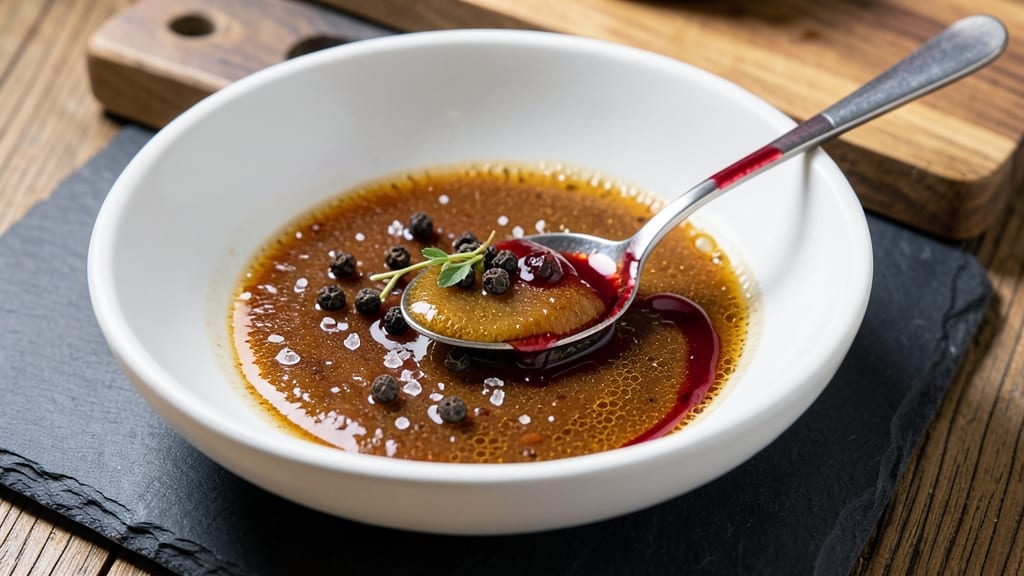
This balsamic brown butter sauce recipe transforms simple ingredients into a rich, nutty-sweet drizzle that elevates any dish. The combination of caramelized butter and tangy balsamic creates a balance of flavors that’s both sophisticated and easy to master.
I developed this sauce after years of experimenting with brown butter applications—it’s the perfect finishing touch for pasta, grilled meats, or roasted vegetables.
The process is straightforward but requires attention to detail. You’ll simmer brown butter with balsamic vinegar until the mixture thickens slightly, creating a glossy, velvety sauce with deep umami notes. A splash of warm water helps emulsify the sauce, ensuring it coats ingredients beautifully without separating.
The result is a sauce that’s rich enough to stand alone but versatile enough to complement a variety of dishes.
What makes this sauce truly special is its ability to transform ordinary meals into something extraordinary. The nutty depth of brown butter pairs perfectly with the bright acidity of balsamic, creating a harmony that’s both complex and approachable.
Whether drizzled over al dente pasta, seared steak, or crispy roasted Brussels sprouts, this sauce adds a layer of flavor that’s impossible to resist.
Once you taste the first spoonful, you’ll want to make a batch to keep on hand. It stores well in the refrigerator for up to a week, making it a convenient pantry staple for quick weeknight dinners or last-minute entertaining.
Let’s get started on creating this versatile, crowd-pleasing sauce that will become a regular in your cooking routine.
Ingredients for balsamic brown butter sauce
Six ingredients transform into a restaurant-quality drizzle that elevates everything from pasta to grilled meats.
| Ingredient | Amount | Notes |
|---|---|---|
| Unsalted Butter 🧈 | 1 cup | Cut into small cubes for even browning |
| Balsamic Vinegar 🍷 | ½ cup | Aged balsamic for deeper flavor |
| Granulated Sugar 🍚 | 1 tbsp | Balances acidity and caramelizes butter |
| Warm Water 💧 | 2 tbsp | Emulsifies sauce for silky texture |
| Freshly Ground Black Pepper 🌶️ | ¼ tsp | Enhances nutty depth of butter |
| Diamond Crystal Kosher Salt 🧂 | ¼ tsp | Adjusts seasoning after emulsification |
| Garlic Cloves 🧄 | 2 cloves | Minced for subtle aromatic base |
| Extra-Virgin Olive Oil 🫒 | 1 tbsp | Prevents butter from sticking |
The butter is the foundation—unsalted so you control the seasoning. Grab European-style butter from Whole Foods or Costco for richer flavor. Cube it into small, even pieces (about 1/2-inch) so it browns uniformly. The balsamic matters too—aged balsamic has deeper complexity than regular. I always buy the Ridella brand when I can find it, but any aged variety works. Freshly ground pepper and minced garlic should be added just before emulsifying to preserve their bright flavors.
No balsamic vinegar? Red wine vinegar plus 1 tsp honey gets you close, though the flavor won't be identical. Short on butter? Olive oil can replace up to half, but the sauce will lose its signature nutty depth. The sugar is crucial—it helps caramelize the butter and balances the acidity. If you prefer less sweetness, reduce it to 1/2 tbsp. For a smoother texture, strain the sauce through a fine-mesh sieve after emulsifying. The olive oil prevents butter from sticking to the pan, so don't skip it.
This sauce keeps beautifully in the fridge for up to 7 days in an airtight jar. The texture thickens as it cools, so stir before using. For a quick reheat, warm gently in a small saucepan over low heat, adding a splash of water if it thickens too much. Freezes well for up to 3 months—portion into ice cube trays for easy single-use servings. Always reheat gently to preserve the delicate balance of flavors.
Why You'll Love This Recipe
- Five-Ingredient Magic: I swear, this sauce is the kind of recipe that makes you feel like a fancy chef without the fuss. Just butter, vinegar, sugar, water, and pepper—no fancy gadgets, no stress. The browned butter alone transforms everything, but that balsamic glaze? Pure flavor gold.
- Rich Without Effort: That deep, nutty brown butter paired with the tangy-sweet balsamic reduction is ridiculously good. It’s rich but not heavy, sweet but not cloying—like a little umami hug for your taste buds. Honestly, I’ve drizzled it on toast, grilled chicken, and even mashed potatoes, and each time, it’s a win.
- Weeknight Wonder: This sauce is my go-to for busy nights because it’s fast and foolproof. Simmer it while you cook dinner, and boom—you’ve got a restaurant-quality finish. Between us, it’s the kind of thing that makes you look like you planned ahead, even when you didn’t.
- Leftovers That Shine: Make a double batch because this sauce keeps beautifully in the fridge for up to a week. It’s my secret weapon for turning last night’s roasted veggies or plain pasta into something special. Just reheat and drizzle—no extra effort, all extra flavor.
Step-by-step instructions for balsamic brown butter sauce
Here's how to create a velvety, nutty-sweet sauce that elevates everything from pasta to grilled meats.
Brown the Butter with Sugar and Garlic
Place the 1 cup unsalted butter (cut into small cubes) in a heavy-bottomed saucepan over medium heat. Let it melt completely, then increase heat to medium-high. Watch closely as the butter begins to foam and bubble—this is when the milk solids start to brown and develop that incredible nutty aroma.
Once the butter turns a deep golden brown with tiny browned flecks throughout (about 5-7 minutes), immediately remove it from heat. Add the 1 tablespoon granulated sugar and 2 minced garlic cloves, stirring to combine. The sugar will caramelize slightly from the residual heat, adding another layer of complexity to the sauce. Let this mixture sit off the heat for 2 minutes to allow the garlic to infuse its flavor.
Deglaze with Balsamic Vinegar
Return the saucepan to medium heat and carefully pour in the 0.5 cup balsamic vinegar. The vinegar will bubble vigorously as it reacts with the browned butter—this is normal and actually helps break down the butter's milk solids for a smoother sauce. Use a wooden spoon to scrape up any browned bits from the bottom of the pan, incorporating them into the sauce for maximum flavor.
Let the mixture simmer gently for 3-4 minutes until it reduces by about half and thickens slightly. You're looking for a syrupy consistency that coats the back of a spoon. If the sauce starts to splatter, reduce the heat slightly or move the pan to a cooler spot on the burner. The aroma should be rich and complex—nutty from the butter, slightly tangy from the balsamic, and sweet from the caramelized sugar.
Emulsify with Olive Oil and Water
Remove the saucepan from heat and stir in the 1 tablespoon extra-virgin olive oil and 2 tablespoons warm water. The olive oil helps stabilize the sauce and prevents it from separating, while the warm water acts as an emulsifier that creates that silky, velvety texture we're after. Use an immersion blender (if available) or a regular blender to blend the mixture until completely smooth—this step is crucial for achieving that restaurant-quality consistency.
If you don't have a blender, you can still achieve good results by whisking vigorously for 1-2 minutes until the sauce becomes homogeneous. The mixture should look glossy and uniform, with no visible separation between the butter and vinegar components. This emulsification process transforms the sauce from a simple reduction to a luxurious drizzle.
Season and Finish
Return the sauce to low heat and stir in the 0.25 teaspoon freshly ground black pepper and 0.25 teaspoon Diamond Crystal kosher salt. Taste the sauce and adjust the seasoning if needed—you might need a bit more salt to balance the acidity of the balsamic, especially if you're using a particularly aged variety. The pepper enhances the nutty depth of the butter and adds a subtle warmth that complements the sweetness.
For the final touch, let the sauce sit off the heat for 5 minutes to allow the flavors to meld completely. The sauce should be thick enough to coat the back of a spoon but still pourable. If it's too thick, whisk in 1 teaspoon warm water at a time until you reach your desired consistency. This sauce is incredibly versatile—drizzle it over hot pasta, use it as a marinade for grilled meats, or serve it alongside roasted vegetables for an elegant finishing touch.
Pro Tips For Making Balsamic Brown Butter Sauce
- Brown Butter First: Skip the vinegar until the butter’s nutty aroma fills your kitchen—deep golden color and rich flavor only happen when the butter is fully browned, not just melted. I used to add vinegar too soon, and the sauce always tasted flat.
- Use Real Balsamic: Cheap balsamic vinegar won’t cut it here—opt for aged balsamic reduction or a high-quality balsamic glaze (not the stuff in the salad dressing bottle). The depth of flavor makes a real difference, especially when simmered with the butter.
- Whisk Like You Mean It: When combining the warm water and sugar, stir until fully dissolved before adding the vinegar—lumps in the sauce ruin the smooth texture. I learned this the hard way after serving a clumpy mess to skeptical guests.
- Finish with Pepper: Freshly cracked black pepper brightens the sauce’s richness, but add it last—heating it too long turns it bitter. A quick grind right before serving keeps the flavor sharp and vibrant.
Best sauces and condiments for this dish
Pasta Pairings
This sauce transforms simple pasta into a gourmet dish. Toss it with fettuccine or tagliatelle for an elegant first course, or use it as a finishing drizzle on spaghetti aglio e olio to add richness.
I love pairing it with pappardelle—the wide noodles catch the sauce beautifully. For extra texture, sprinkle with toasted pine nuts or crispy prosciutto before serving. 🍝
Grilled Meats
Use this sauce as a marinade or finishing drizzle for grilled chicken, pork chops, or steak. Brush it over ribeye steaks during the last 2 minutes of grilling for a caramelized crust.
For pork tenderloin, marinate for 30-60 minutes before cooking. The balsamic's acidity tenderizes the meat while the brown butter adds depth. A squeeze of lemon at the table brightens the flavors. 🥩
Roasted Vegetables
Drizzle this sauce over roasted Brussels sprouts, asparagus, or carrots after they come out of the oven. The nutty butter balances the earthiness of root vegetables, while the balsamic adds a tangy contrast.
Toss roasted cauliflower with the sauce and a sprinkle of feta cheese for a vegetarian dish that feels indulgent. 🥦
Seafood Applications
Pair this sauce with seared scallops, grilled shrimp, or baked salmon for a restaurant-worthy finish. The acidity cuts through the richness of seafood, while the brown butter adds a luxurious touch.
For shrimp, toss them in the sauce during the last 2 minutes of cooking. With salmon, drizzle it over the fillet after baking or broiling. 🐟
Bread and Dips
Serve this sauce warm with crusty bread or baguette slices for a simple appetizer. The combination of nutty butter and tangy balsamic makes it perfect for dipping. For a creative twist, spread it on garlic bread or use it as a base for bruschetta with fresh tomatoes and basil. 🍞
Breakfast Twist
Yes, this sauce works for breakfast too! Drizzle it over French toast, pancakes, or waffles for a sweet-savory morning treat. The brown butter adds richness while the balsamic keeps it from being too heavy. Top with maple syrup and whipped cream for a decadent brunch dish. 🥞
Nutrition facts
Frequently asked questions
Why does my brown butter sauce separate?
The most common cause is insufficient emulsification. The 1 tablespoon olive oil and 2 tablespoons warm water are essential for binding the butter and balsamic. If you skip blending or whisking vigorously, the sauce will split. For a quick fix, whisk in 1 teaspoon warm water at a time until smooth. Always reheat gently to prevent separation.
Can I make this sauce without a blender?
While an immersion blender creates the smoothest texture, you can achieve great results by whisking vigorously for 1-2 minutes after adding the olive oil and water. For extra insurance, let the sauce sit off heat for 5 minutes before whisking again. The key is patience—the sauce will eventually emulsify naturally as it cools.
How do I adjust the sweetness or tanginess?
For more sweetness, add ½ teaspoon extra sugar during the browning stage. To increase tang, add 1 extra tablespoon balsamic vinegar during reduction. Remember, aged balsamic is sweeter than regular—taste before emulsifying! The pepper and salt are your final balancing tools, so adjust them last for precise flavor control.
Can I use salted butter instead of unsalted?
Yes, but reduce the total salt to ¼ teaspoon (or omit it entirely if using heavily salted butter). The sugar and balsamic already provide enough acidity to balance flavors. For best results, stick with unsalted butter—it gives you complete control over seasoning. If using salted, taste frequently during emulsification to avoid over-salting.
What's the best way to reheat leftover sauce?
Gently warm in a small saucepan over low heat, stirring constantly. If it thickens too much, add ½ teaspoon warm water at a time. Never microwave—it causes separation. For quick reheating, place the jar in a bowl of hot water for 30 seconds while stirring. Always stir thoroughly before using to redistribute any settled ingredients.