
Sauces & Condiments
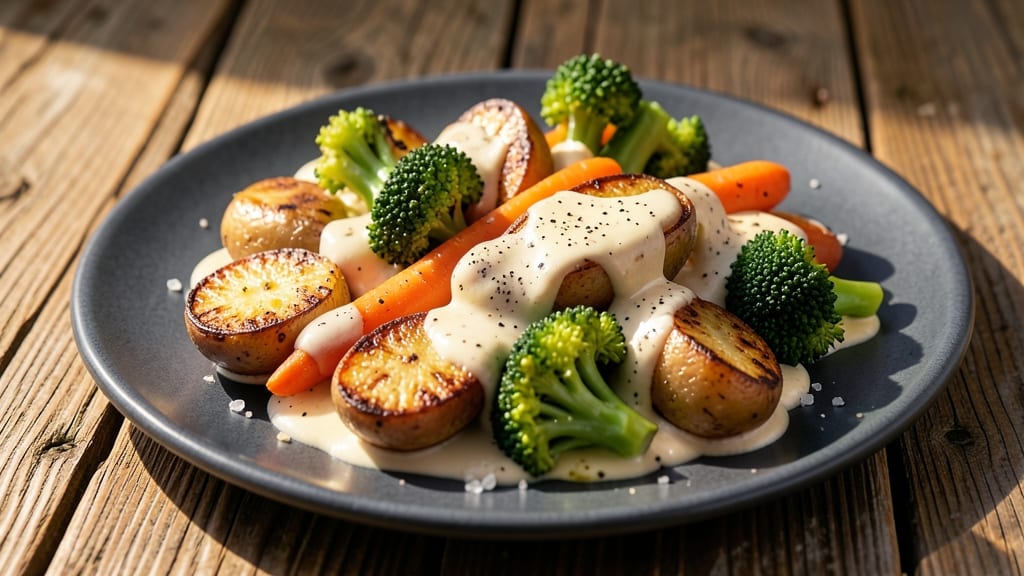
This baked vegetables in white sauce recipe transforms simple ingredients into a creamy, crispy-topped dish that feels like a cozy hug on a plate. The secret lies in roasting vegetables until tender yet crispy at the edges, then blanketing them with a velvety white sauce that clings perfectly.
I developed this recipe during a particularly chilly evening when I needed something hearty yet effortless—no last-minute takeout or complicated techniques required.
The magic happens in two simple steps: first, roasting a medley of vegetables (carrots, potatoes, and broccoli work beautifully) until they're golden and caramelized, then topping them with a foolproof white sauce made from just five ingredients.
The sauce—rich with cheese and a touch of cream—melts into the vegetables, creating a dish that's both comforting and elegant. It's the kind of meal that feels special without requiring hours in the kitchen.
By the time you pull this dish from the oven, you'll have a crispy, golden-brown top layer that contrasts perfectly with the creamy sauce underneath.
The vegetables stay tender yet hold their shape, while the sauce adds depth and richness that turns a simple side dish into a standalone vegetarian meal. This recipe is equally at home as a side for roasted chicken or as a hearty main course with crusty bread.
What makes this recipe truly versatile is its adaptability—swap in your favorite vegetables, adjust the cheese blend, or even add a sprinkle of breadcrumbs for extra crunch.
The result is always the same: a dish that's restaurant-quality but simple enough for any weeknight. Let's get started on creating this one-pan wonder.
Ingredients for baked vegetables in white sauce
Simple vegetables meet rich white sauce in this one-pan vegetarian masterpiece.
| Ingredient | Amount | Notes |
|---|---|---|
| Baby Carrots 🥕 | 1 ½ lb | Whole or halved lengthwise |
| Baby Potatoes 🥔 | 1 ½ lb | Yukon Gold preferred, halved |
| Broccoli Florets 🥦 | 1 ½ lb | Medium-sized florets |
| Extra-Virgin Olive Oil 🫒 | ½ cup | For roasting vegetables |
| Diamond Crystal Kosher Salt 🧂 | 1 ½ tsp | For seasoning vegetables |
| Freshly Ground Black Pepper 🌶️ | ½ tsp | For seasoning vegetables |
| Heavy Cream 🥛 | 1 cup | Full-fat for richness |
| Sharp White Cheddar Cheese 🧀 | 1 ½ cups | Shredded, freshly grated |
| Unsalted Butter 🧈 | ½ cup | Cold, cubed |
| All-Purpose Flour 🌾 | 2 tbsp | For thickening sauce |
| Garlic Cloves 🧄 | 4 cloves | Minced for sauce |
| Fresh Thyme Leaves 🌿 | 1 tbsp | Chopped, for sauce |
| Panko Breadcrumbs 🍞 | ¼ cup | For crispy topping |
| Parmesan Cheese 🧀 | ¼ cup | Freshly grated |
The vegetable selection is where this dish shines. Yukon Gold potatoes and baby carrots hold their shape beautifully while roasting, while broccoli florets add color and texture. For optimal results, look for organic or locally sourced vegetables at Whole Foods Market or your local farmers market—they hold up better during roasting. The extra-virgin olive oil should have a peppery finish; California Olive Ranch is my go-to brand for consistent quality. If you can't find baby potatoes, halve regular potatoes for even cooking. Prep time is minimal—just peel and chop, no need for fancy techniques here.
No heavy cream on hand? Full-fat coconut cream works surprisingly well, though the flavor will differ slightly. The cheese blend is crucial—sharp white cheddar adds tang, while Parmesan brings depth. For a dairy-free option, substitute nutritional yeast and cashew cream, though texture will vary. Fresh thyme is ideal, but dried thyme at one-third the amount suffices in a pinch. The Panko breadcrumbs should be toasted lightly before adding to prevent sogginess. If you're missing any vegetables, zucchini or cauliflower make excellent substitutes—they roast quickly and absorb the sauce well.
This dish reheats beautifully—simply cover with foil and warm in a 350°F oven for 10-15 minutes. For best results, assemble the dish just before baking to maintain that perfect crispy top. Leftovers keep well in the fridge for 4 days, though I rarely have any—this recipe disappears fast. To make ahead, roast the vegetables in advance, refrigerate, then top with sauce and breadcrumbs before baking. The sauce can also be made separately and reheated with a splash of milk for 3 days. For a restaurant-quality finish, broil for 2-3 minutes at the end to intensify the golden crust.
Why You'll Love This Recipe
- One-Pan Magic: I swear by this for nights when I’m too tired to wash dishes—just toss those baby carrots, potatoes, and broccoli on a sheet pan, drizzle with olive oil, and let the oven do the work. The white sauce ties everything together without extra pots or pans.
- Creamy Crisp Perfection: That caramelized edge on the potatoes? Chef’s kiss. The white sauce clings to the broccoli and carrots just enough to coat them without drowning them, and the salt makes every bite pop—like a hug for your taste buds.
- Lunchbox Hero: Between us, this is my go-to for meal prep. I bake a big batch on Sunday, portion it into containers, and boom—lunches for the week. The sauce stays fresh, the veggies hold their texture, and my kids actually eat it (yes, even the broccoli).
- Budget-Friendly Luxury: Fresh carrots, potatoes, and broccoli are cheap, and a little olive oil and salt stretch this recipe far. Honestly, it’s the kind of dish that makes me feel like I’m serving something fancy without breaking the bank—or my grocery budget.
Step-by-step instructions for baked vegetables in white sauce
This one-pan method delivers caramelized vegetables with a velvety white sauce and crispy breadcrumb topping.
Prep and Roast the Vegetables
Preheat your oven to 425°F and position a rack in the middle position. Line a large baking sheet with parchment paper for easy cleanup. Halve the 1.5 lb baby potatoes and trim the 1.5 lb baby carrots to uniform lengths, leaving them whole or halving lengthwise. Cut the 1.5 lb broccoli florets into medium-sized pieces.
In a large bowl, toss the prepared vegetables with 0.5 cup extra-virgin olive oil, 1.5 tsp diamond crystal kosher salt, and 0.5 tsp freshly ground black pepper until evenly coated. Spread them in a single layer on the prepared baking sheet, ensuring they don't overlap. Roast for 20-25 minutes until the edges are golden brown and the vegetables begin to soften slightly.
Here's the thing—you want them tender but still holding their shape. If they're browning too quickly, rotate the pan halfway through the roasting time. The goal is caramelization without burning, which builds deep flavor for the sauce.
Make the White Sauce
While the vegetables roast, melt the 0.5 cup unsalted butter in a medium saucepan over medium heat. Once melted, add the 2 tbsp all-purpose flour and whisk continuously for 1-2 minutes until the mixture forms a smooth paste and turns a light golden color. This is your roux, the foundation of the sauce.
Gradually whisk in the 1 cup heavy cream, adding it slowly at first to prevent lumps from forming. Continue whisking until the mixture thickens and coats the back of a spoon, which should take about 3-4 minutes. Remove from heat and stir in the 1.5 cups freshly grated sharp white cheddar cheese, 4 minced garlic cloves, and 1 tbsp chopped fresh thyme leaves until fully melted and smooth.
This sauce needs to be silky, not grainy. If it thickens too much as it cools, you can thin it later with a splash of warm milk or water. The cheese should be fully melted with no visible lumps—stir vigorously to ensure even distribution.
Combine Vegetables and Sauce
Once the vegetables are roasted, transfer them to a large serving dish or casserole. Pour the warm white sauce over the vegetables, gently tossing everything together until the vegetables are fully coated. The sauce should cling to the vegetables, creating a creamy, flavorful bed. If the sauce appears too thick, add 1-2 tablespoons of water to reach your desired consistency.
Here's where the magic happens: the residual heat from the vegetables will help the sauce meld perfectly with their flavors. Let the dish sit for 5 minutes to allow the vegetables to absorb some of the sauce. This resting period ensures every bite is packed with flavor rather than just a surface coating.
Add the Crispy Topping
Preheat your broiler to high. In a small bowl, combine the 0.25 cup panko breadcrumbs and 0.25 cup freshly grated parmesan cheese. Sprinkle this mixture evenly over the top of the vegetable and sauce mixture, pressing down gently to ensure it adheres to the surface.
Place the dish under the broiler for 3-5 minutes, watching carefully to prevent burning. You're aiming for a golden, crispy topping that contrasts beautifully with the creamy sauce underneath. The moment the topping turns golden brown, remove it from the broiler immediately—it will continue to crisp as it cools slightly.
This crispy layer adds texture and visual appeal, making the dish feel restaurant-quality. Don't skip this step—it's what transforms a simple baked vegetable dish into something truly special.
Pro Tips For Making Baked Vegetables In White Sauce
- Preheat Like a Boss: Crank your oven to 425°F (220°C) and let it scream for 15 minutes before baking—this ensures your potatoes and carrots caramelize instead of steaming like sad, limp vegetables. I used to skip this, and my veggies would just turn out mushy. Don’t be that cook.
- Toss with Wet Hands: Use your damp fingers to distribute olive oil evenly over the veggies—it sticks better than a dry toss and guarantees crisp edges. Baby potatoes especially love this; skip it, and they’ll stick together like glue.
- Salt the Potatoes First: Toss the baby potatoes with ½ teaspoon kosher salt before roasting—they’ll absorb it into their centers while baking, making them taste seasoned all the way through. I learned this the hard way after biting into bland, under-seasoned spuds.
- Broccoli Last, Not First: Add broccoli florets to the baking sheet after the potatoes and carrots have roasted for 15 minutes—they cook faster and won’t turn into sad, rubbery mush. Watch the heat, and pull them when they’re just bright green, not limp.
Best sauces and condiments for baked vegetables in white sauce
Classic Béchamel Base
The recipe's white sauce starts with a classic béchamel roux—melted butter and flour cooked until golden. I use 2 tbsp all-purpose flour and ½ cup unsalted butter for a smooth, velvety texture. The key is whisking constantly over medium heat for 1-2 minutes to prevent burning.
Once the roux reaches that perfect golden hue, gradually whisk in 1 cup heavy cream to create the foundation for the sauce. 🥛
Cheesy Elevation
The sauce gets its rich flavor from 1.5 cups freshly grated sharp white cheddar, which melts into a silky consistency. For extra depth, I add 4 minced garlic cloves and 1 tbsp fresh thyme leaves—these infuse subtle aromatic notes without overpowering.
If you prefer a creamier sauce, reduce the cheese slightly and add 2 tbsp sour cream for tang. The sauce should coat the back of a spoon when done. 🧀
Herb Variations
Fresh herbs transform the sauce from basic to gourmet. Alongside thyme, try 1 tbsp chopped parsley for brightness or ½ tsp dried nutmeg for warmth. For a Mediterranean twist, swap thyme for 1 tsp dried oregano and add ½ tsp lemon zest.
Always use freshly grated cheese—pre-shredded varieties contain anti-caking agents that prevent smooth melting. ✨
Crispy Topping Options
The panko-parmesan topping is non-negotiable for texture, but you can customize it. For extra crunch, toast the panko in a dry pan for 2 minutes before adding.
Swap parmesan for pecorino romano for a sharper flavor or add 1 tbsp chopped chives for color. For gluten-free, use crushed gluten-free crackers instead of panko. 🍞
Sauce Thickness Control
Sauce consistency is critical—too thick, and it won’t coat the vegetables; too thin, and it’ll pool. If your sauce is too thick after mixing, whisk in 1-2 tbsp warm milk or water to loosen it.
For extra richness, replace ¼ cup of the cream with heavy cream before heating. Always taste as you go—season with salt and pepper to balance the cheese’s sharpness. 💡
Make-Ahead Sauce
Prepare the sauce up to 3 days ahead by refrigerating it in an airtight container. Reheat gently over low heat, stirring in 1 tbsp milk to restore creaminess.
For a restaurant-style finish, broil the topped dish for 2-3 minutes before serving—this creates a golden crust that contrasts perfectly with the creamy sauce underneath. ⏰
Nutrition facts
Frequently asked questions
Can I use frozen vegetables instead of fresh?
Fresh vegetables work best for this recipe since they roast more evenly and develop better caramelization. However, if you must use frozen, thaw them completely first and pat them very dry to prevent excess moisture from steaming instead of browning. For best results, choose frozen vegetables labeled "no added sauces" and add 1 extra minute to the roasting time.
How can I make this dish dairy-free?
Replace the heavy cream with 1 cup full-fat coconut cream and use 1.5 cups nutritional yeast instead of cheddar. For the sauce base, make a roux with ½ cup olive oil and 2 tbsp cornstarch instead of butter and flour. The texture will be slightly different but still creamy. Add 1 tbsp lemon juice for brightness.
Why did my sauce get lumpy?
Lumpy sauce usually happens when cream is added too quickly to the roux or when cheese isn't fully melted. Always whisk the cream in gradually while maintaining a gentle simmer. For lumps after adding cheese, strain the sauce through a fine-mesh sieve. To prevent future lumps, melt the cheese in a separate bowl first using 1 tbsp warm cream, then stir it into the sauce.
Can I prepare this ahead of time?
Yes! Roast the vegetables up to 2 days ahead and refrigerate them in an airtight container. When ready to serve, reheat in a 350°F oven for 10 minutes**, then top with fresh sauce and breadcrumbs, broiling for 3-4 minutes to crisp. The sauce can be made separately and reheated with 1 tbsp milk to restore creaminess.
What vegetables work best in this recipe?
The original recipe uses carrots, potatoes, and broccoli for their ability to hold shape and absorb sauce well. Other great options include cauliflower, zucchini, or Brussels sprouts. For heartier meals, add parsnips or sweet potatoes. Cut all vegetables to similar sizes so they cook evenly.