
Sauces & Condiments
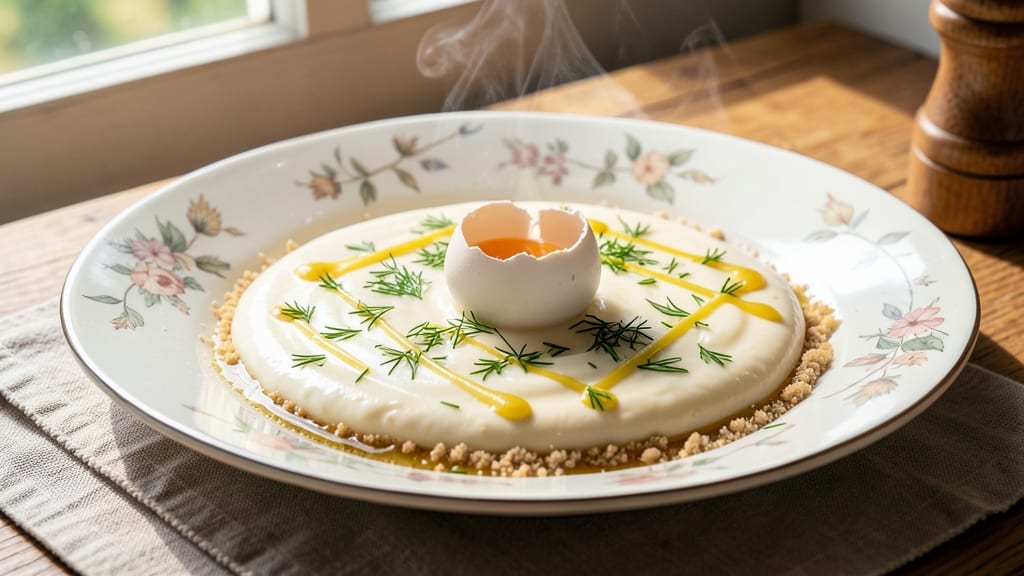
This authentic white sauce recipe transforms simple ingredients into a velvety, tangy base that elevates everything from fish to vegetables. The secret lies in a proper roux—equal parts butter and flour cooked until golden—then whisked with warm milk for a silky texture.
A splash of white wine vinegar adds a bright, hidden zing that cuts through richness while keeping the sauce true to its traditional roots.
What sets this sauce apart is its balance: creamy yet light, with a subtle herbal brightness from fresh dill and a touch of lemon zest. Unlike heavy béchamel, this version stays velvety without separating, thanks to a slow, gentle reduction.
The technique is straightforward—no fancy equipment needed—just patience and precise timing to build layers of flavor.
Perfect for drizzling over grilled fish, roasted potatoes, or creamy pasta, this sauce delivers restaurant-quality results at home. The vinegar trick prevents flatness, while the dill adds freshness that makes it feel fresh-made.
Once you master this foundation, you can customize it with garlic, mustard, or even a dairy-free cashew version.
Ready in just 20 minutes, this sauce keeps well in the fridge for up to 5 days, making it ideal for meal prep. The key is keeping it warm while stirring constantly—no lumps allowed!
Whether you're serving it as a classic accompaniment or reinventing it for modern dishes, this is the white sauce that does it all.
Ingredients for authentic white sauce
Nine ingredients, one golden roux, and a secret vinegar zing transform simple pantry staples into velvety perfection.
| Ingredient | Amount | Notes |
|---|---|---|
| Unsalted Butter 🧈 | ¾ cup | Cold, cubed for even cooking |
| All-Purpose Flour 🌾 | ¾ cup | White or bread flour preferred |
| Whole Milk 🥛 | 2 cups | Warmed to room temperature |
| White Wine Vinegar 🍷 | 1 tbsp | Dry, crisp variety preferred |
| Fresh Dill 🌿 | ⅓ cup | Finely chopped, stems removed |
| Lemon Zest 🍋 | 1 tsp | From organic lemon preferred |
| Diamond Crystal Kosher Salt 🧂 | ½ tsp | Adjust to taste |
| Freshly Ground Black Pepper 🌶️ | ¼ tsp | Freshly cracked preferred |
| Heavy Cream 🥛 | ½ cup | Optional for extra richness |
The butter and flour form the foundation—this is where authenticity begins. European-style unsalted butter (like Plugrá or Kerrygold) develops deeper flavor during the roux, while all-purpose flour ensures a smooth, lump-free sauce. For the roux, cook over medium heat until golden brown—not dark brown—to avoid bitterness. The milk should be warmed to 110°F before whisking, which prevents curdling. Fresh dill is non-negotiable here; dried dill loses its bright, herbal character, so invest in a small bunch from the grocery store's refrigerated section.
No white wine vinegar? Apple cider vinegar at half the amount works in a pinch, though it lacks the crisp acidity. Substituting heavy cream for milk? Use 1 cup whole milk + 0.25 cup heavy cream to maintain balance. For a dairy-free version, replace milk with unsweetened almond milk fortified with calcium and add 2 tbsp nutritional yeast for depth. The lemon zest can be zested fresh or substituted with 1/2 tsp lemon extract, though fresh is always superior. If your sauce thickens too much, whisk in 1 tbsp warm milk to restore silkiness.
This sauce thrives on patience—keep it warm over low heat or a double boiler for up to 2 hours, stirring occasionally to prevent skin formation. For storage, transfer to an airtight container and refrigerate for up to 5 days. Reheat gently over low heat, whisking constantly to avoid separation. Freeze for up to 3 months in ice cube trays for portion control. The vinegar and dill flavors intensify when reheated, making it taste even fresher the second time around.
Why You'll Love This Recipe
- Pantry Magic: I swear by this sauce because it uses stuff you already have—no specialty trips to the store. Butter, flour, milk? That’s it for the base, plus a splash of vinegar for brightness and fresh dill for that herby punch. Honestly, the only thing standing between you and dinner is a stovetop and 10 minutes.
- Bright & Creamy: The vinegar cuts through the richness of the butter, while the dill adds a fresh, almost tangy lift. It’s not heavy or bland—it’s got layers, like a whisper of acidity balanced by that velvety flour roux. (Yes, even on a Tuesday night.)
- Elevates Everything: This sauce turns plain grilled chicken into a restaurant-worthy dish or transforms roasted veggies into something special. I’ve drizzled it over pasta, mixed it into mashed potatoes, and even used it as a dip—it’s my secret weapon for making simple meals feel gourmet.
- Leftovers That Don’t Suffer: Unlike some sauces that separate or turn gloppy, this one actually improves when reheated. Store it in the fridge for up to 5 days, or freeze it in portions—perfect for when you’re short on time. Between us, I’ve made a double batch just to have it on hand.
Step-by-step instructions for authentic white sauce
Master this velvety dill sauce with a bright, balanced acidity that elevates any dish.
Create the Roux Foundation
Melt the 0.75 cup unsalted butter in a medium saucepan over medium-low heat. Watch closely as the butter foams—this indicates it's ready for the next step. Immediately whisk in the 0.75 cup all-purpose flour and stir continuously for 2-3 minutes until the mixture forms a smooth, pale roux with no floury taste.
The key here is patience. If the roux darkens beyond a light golden color, you'll develop a nutty flavor rather than the clean, buttery base needed for this sauce. Keep the heat gentle to prevent burning while ensuring the flour fully incorporates into the butter.
Gradually Incorporate Warm Milk
Slowly pour in the 2 cups whole milk (warmed to room temperature) while whisking vigorously to prevent lumps. The sauce will thicken immediately as the milk absorbs into the roux. Continue whisking over medium-low heat for 5-7 minutes until the mixture thickens to a velvety consistency that coats the back of a spoon.
This gradual addition is crucial—adding milk too quickly creates lumps that never fully dissolve. If you notice any lumps forming, immediately whisk them out before they set. The sauce should now resemble heavy cream in texture, with no raw flour taste remaining.
Add Acid and Aromatics
Remove the saucepan from heat and stir in the 1 tbsp white wine vinegar, 1 tsp lemon zest, 0.5 tsp diamond crystal kosher salt, and 0.25 tsp freshly ground black pepper. The vinegar will create a subtle tang that brightens the sauce, while the lemon zest adds a delicate citrus note. Return the pan to low heat and let the mixture simmer gently for 2 minutes to allow flavors to meld.
This is where the sauce develops its authentic character. The acidity cuts through the richness of the butter and milk, creating balance. Taste the sauce now—it should be smooth, slightly tangy, and properly seasoned. If needed, adjust the salt or vinegar to your preference before proceeding.
Finish with Fresh Dill and Cream
Stir in the 0.33 cup finely chopped fresh dill and the 0.5 cup heavy cream (if using). Return the pan to low heat and warm through for 1-2 minutes, just until the dill releases its aromatic oils. The cream adds luxurious body while the dill provides that signature fresh herb note. Remove from heat immediately to prevent the dill from becoming bitter.
The sauce should now be silky, vibrant green from the dill, and perfectly balanced between richness and acidity. For best results, use the sauce immediately over grilled fish, roasted vegetables, or as a creamy pasta sauce. If storing, let it cool to room temperature before refrigerating in an airtight container for up to 3 days.
Pro Tips For Making Authentic White Sauce
- Cook Low and Slow: After burning three batches, I finally figured out that a gentle simmer—not a rolling boil—keeps this sauce from breaking. Use medium-low heat once the roux forms, and stir like you’re stirring a pot of soup you don’t want to spill.
- Use Cold Milk: Pouring warm milk into your butter-flour roux is a one-way ticket to lumps. Keep the milk cold (even refrigerated) and add it slowly, whisking like your life depends on it. The sauce will thank you with a silky texture instead of a gluey mess.
- Toast the Flour First: Skip the immediate whisking—let that butter and flour cook together for 30 seconds until it smells nutty and golden. This deepens the flavor and prevents that raw flour taste from sneaking through. (Yes, even if you’re impatient like me.)
- Finish with Vinegar Late: Add that white wine vinegar right at the end, just before the dill goes in. Too early, and the acidity can make the sauce curdle. Too late, and the flavor gets lost in the mix. Timing matters more than you’d think.
Storing and reheating this authentic white sauce
Refrigerator Storage
Let your white sauce cool to room temperature before transferring it to an airtight glass container—I prefer Pyrex with a snap-on lid for easy reheating. Store it in the fridge for up to 5 days, but I recommend using it within 3 days for peak freshness.
The vinegar and dill flavors actually deepen overnight, making leftovers taste even brighter. Always leave ½ inch headspace to prevent mold growth from condensation. 🧊
Freezer Preservation
For longer storage, freeze the sauce in quart-sized silicone ice cube trays—this makes portion control effortless for future use. Once frozen, transfer cubes to a freezer bag, squeezing out excess air to prevent freezer burn.
Label with the date and freeze for up to 3 months. Thaw overnight in the fridge before reheating. The texture remains velvety if reheated gently, though it may separate slightly—just whisk vigorously to restore smoothness. ❄️
Reheating Methods
For stovetop reheating, pour sauce into a saucepan over low heat and whisk constantly to prevent scorching. Add 1-2 tablespoons of warm milk or water if it thickens too much. Heat until just simmering (160°F internal temp)—this takes about 3-5 minutes.
For microwave reheating, cover with a damp paper towel and heat in 30-second intervals on 50% power, stirring between each interval. The microwave can make sauces watery, so I prefer the stovetop method for best results. 🔥
Preventing Separation
If your sauce separates after reheating, don't panic! The fix is simple: place the saucepan over low heat and whisk vigorously while adding 1 tablespoon of warm milk at a time until smooth.
For extra insurance, stir in ½ teaspoon of cornstarch mixed with 1 tablespoon cold water and simmer for 1 minute—this acts as a natural thickener. The key is patience: never rush the reheating process, or you'll risk breaking the sauce's emulsion. ✨
Meal Prep Tips
Make this sauce in double batches for easy meal prep—it's perfect for drizzling over baked salmon, roasted potatoes, or pasta dishes all week. Store components separately if needed: keep the roux base in one container and the milk/dill mixture in another.
When ready to use, combine and reheat as directed. For extra convenience, pre-chop your dill and zest the lemon ahead of time, storing them in small airtight containers in the fridge. 📅
Serving Temperature
Serve your white sauce at 150-160°F—this ensures it's hot enough to coat dishes properly without curdling. For cold applications (like chilled pasta salads), let the sauce cool to room temperature first, then refrigerate for 1 hour before using.
The texture remains stable, though the flavors will be slightly muted. Always taste and adjust seasoning before serving—reheated sauces often need a pinch more salt or a splash of vinegar to restore balance. 💡
Nutrition facts
Frequently asked questions
What's the secret to preventing lumps in this white sauce?
Whisk continuously when adding the milk to the roux—this is the #1 rule! Start with a smooth, pale roux (golden but not brown), then pour milk in a slow, steady stream while whisking vigorously. If lumps form, immediately whisk them out before they set. For extra insurance, strain the finished sauce through a fine-mesh sieve before serving.
Can I make this sauce without butter?
Yes! For a dairy-free version, replace the butter with ½ cup vegetable oil or olive oil and use unsweetened almond milk fortified with calcium. Add 2 tablespoons nutritional yeast for depth. The texture will be slightly lighter but still velvety. The vinegar and dill still shine through beautifully in this adaptation.
Why does my sauce taste flat after reheating?
Reheating can mute flavors, especially the vinegar and dill. Boost brightness by adding a fresh pinch of salt and a splash of lemon juice or white wine vinegar when reheating. For extra zing, stir in ½ teaspoon of fresh dill or a tiny bit of garlic powder at the end. The sauce should taste vibrant, not dull.
How can I adjust the thickness of this sauce?
Too thick? Thin with 1 tablespoon warm milk or water at a time while whisking. Too thin? Simmer uncovered for 2-3 minutes to reduce, or stir in ½ teaspoon cornstarch mixed with 1 tablespoon cold water and cook for 1 minute. For best results, adjust thickness before adding the dill and cream.
What are the best dishes to pair with this white sauce?
This versatile sauce elevates everything! Try it over grilled or baked fish, roasted potatoes, creamy pasta, or steamed vegetables. It's also perfect for dipping crusty bread or freshly baked baguette slices. The dill and vinegar make it especially delicious with seafood, while the richness pairs beautifully with hearty root vegetables.