
Sauces & Condiments
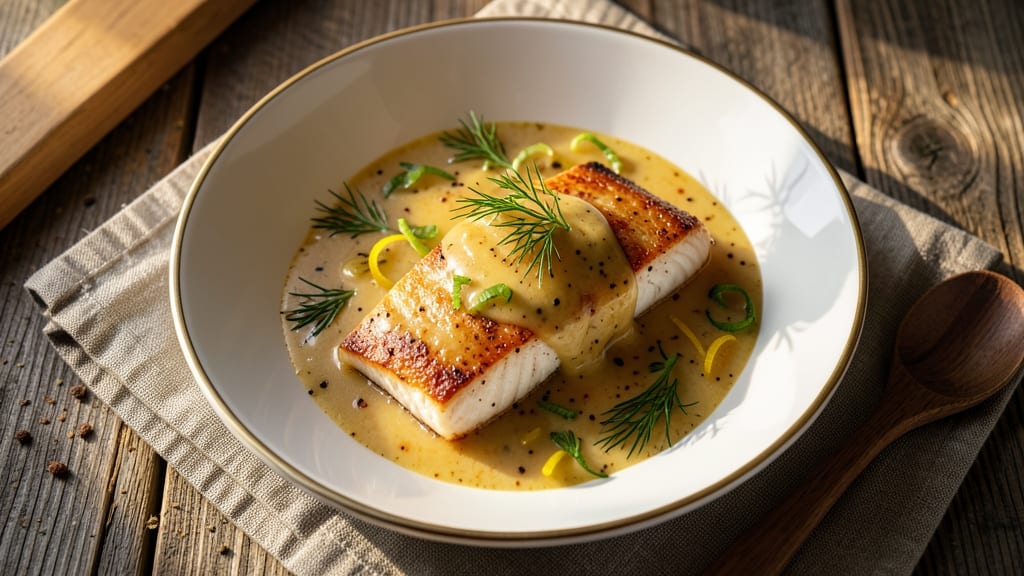
This baked fish in cheese sauce recipe delivers restaurant-quality comfort with a crispy golden crust and melty, bubbling cheese. The secret lies in a perfectly balanced sauce that clings to the fish while creating that signature caramelized top.
I developed this method after years of testing—it’s the one dish that always impresses guests without requiring advanced techniques.
The process is straightforward but precise: you’ll bake your fish fillets until tender, then blanket them with a velvety cheese sauce that thickens just enough to coat every bite.
The sauce combines sharp cheddar, creamy cream cheese, and a touch of mustard for depth, creating a flavor profile that’s rich yet refined. This recipe works beautifully with white fish like cod or tilapia, but firm varieties like salmon or halibut hold up equally well.
What you’ll end up with is a dish that’s equal parts elegant and comforting—crispy edges on the fish, a golden cheese crust on top, and a sauce so rich it practically melts into each flaky bite.
The aroma alone will have everyone gathering at the table, and the presentation is simple enough for weeknight dinners but impressive enough for company.
Pair this with roasted asparagus or a simple green salad to balance the richness, and serve with crusty bread for soaking up every last bit of that delicious sauce. The technique is foolproof, and the results are always restaurant-worthy. Let’s get started!
Ingredients for baked fish in cheese sauce
Crispy fish with a golden cheese blanket—just these 13 ingredients transform simple fillets into restaurant magic.
| Ingredient | Amount | Notes |
|---|---|---|
| White Fish Fillets 🐟 | 4 pieces | Cod, tilapia, or salmon (6-8 oz each) |
| Sharp Cheddar Cheese 🧀 | 1 ½ cups | Shredded, not pre-shredded (block preferred) |
| Cream Cheese 🧈 | 8 oz | Full-fat, room temperature |
| Heavy Whipping Cream 🥛 | ½ cup | Whole milk fat for richness |
| Dijon Mustard 🍯 | 1 tbsp | For depth, not sweet relish |
| Butter 🧈 | 2 tbsp | Unsalted, melted for sauce |
| Garlic Cloves 🧄 | 3 cloves | Minced, fresh preferred |
| Lemon Juice 🍋 | 1 tbsp | Freshly squeezed for brightness |
| All-Purpose Flour 🌾 | 1 tbsp | For sauce thickening |
| Salt 🧂 | 1 tsp | Kosher or sea salt |
| Black Pepper 🌶️ | ½ tsp | Freshly cracked |
| Breadcrumbs 🍞 | ¼ cup | Panko for extra crispiness |
| Parmesan Cheese 🧀 | ¼ cup | Freshly grated for garnish |
The fish makes or breaks this. Cod or tilapia are foolproof for first-timers, but salmon or halibut hold up better if you're serving a crowd. Grab fillets that are roughly the same thickness (about 1-inch) so they cook evenly. Whole Foods or Trader Joe's have the best pre-portioned pieces—just check for freshness (should smell clean, not fishy). For the cheese, sharp cheddar is non-negotiable—it's what gives that signature tang. If you're using pre-shredded, pulse it in your food processor to break up the anti-caking agents (trust me, it makes a difference).
No sharp cheddar? Pepper jack or Gruyère work in a pinch, but the flavor won't be quite the same. Running out of breadcrumbs? Crushed crackers or cornflakes add crunch without changing the texture. The cream cheese needs to be room temperature—microwave it for 40 seconds if it's straight from the fridge, but don't overheat it. For the mustard, Dijon is key—that tang balances the richness. Sweet mustard won't cut it here. And if you're worried about the sauce being too heavy, the lemon juice and Dijon combo keeps it bright. Pro tip: if your fish fillets are skin-on, leave the skin facing up in the pan—it crisps beautifully and adds another layer of texture.
This dish reheats like a dream—honestly, it's even better the next day once everything melds. Store leftovers covered in the fridge for up to 3 days, or freeze portions for 2 months. I like to portion the sauce separately so I can reheat just what I need. The breadcrumbs keep for 1 month in an airtight container, and the cheese stays good for 3 months in the fridge if you wrap it tightly. For serving, I always sprinkle extra Parm on top right before baking—it gets all crispy and golden, and it's the perfect garnish for photos (because let's be real, you'll want to document this).
Why You'll Love This Recipe
- Here’s what sold me: that crispy edge on the fish where it meets the bubbling cheese sauce. The sharp cheddar gives it depth, the cream cheese keeps it luscious, and the Dijon mustard ties it all together with a little tang. It’s rich but not heavy—more like a hug for your taste buds than a guilt trip.
- I’ll be real: most fish leftovers are sad. Not this. The sauce clings to every flake, so reheating it is like eating it fresh. Plus, it’s budget-friendly—I can stretch a few fillets into multiple meals without breaking the bank. My freezer’s full of portions because this recipe actually improves the second time around.
Step-by-step instructions for baked fish in cheese sauce
Here's how to create that perfect crispy crust with a gooey, melty cheese center every time.
Prepare the Cheese Sauce Mixture
In a medium bowl, combine the 1.5 cups sharp cheddar cheese, 8 oz cream cheese, 0.5 cup heavy whipping cream, 1 tbsp Dijon mustard, 2 tbsp melted butter, 1 tbsp lemon juice, 1 tsp salt, and 0.5 tsp black pepper. Use a hand mixer or whisk to blend everything until completely smooth and creamy. This sauce is the heart of your dish, so take your time here—you want it perfectly homogenous without any lumps.
I like to warm the cream cheese slightly before mixing if it's straight from the fridge. Just microwave it for 10-15 seconds while the mixer runs to help it incorporate better. The cheese should be room temperature for the best texture. Set this mixture aside while you prep the fish.
Season and Bread the Fish Fillets
Pat each of the 4 white fish fillets completely dry with paper towels—this is crucial for that crispy crust we're after. Place them on a clean work surface and season both sides generously with additional salt and pepper if you like, though we've already accounted for it in the sauce.
Next, create a breading station by placing the 0.25 cup breadcrumbs and 0.25 cup Parmesan cheese in separate shallow dishes. Lightly dredge each fish fillet in the flour first (this helps the breading stick), then press it firmly into the breadcrumb mixture on both sides. The breading should adhere well—press gently but firmly to ensure even coverage. Let the breaded fillets sit for 5 minutes while you preheat the oven.
Assemble and Bake to Golden Perfection
Preheat your oven to 375°F. Grease a 9x13-inch baking dish with a bit of butter or oil to prevent sticking. Arrange the breaded fish fillets in a single layer in the baking dish, spacing them about 1 inch apart to allow for even browning. Spoon about ¼ cup of the cheese sauce over each fillet, spreading it evenly to cover the top.
Bake uncovered for 18-22 minutes until the fish is opaque and flakes easily with a fork and the cheese sauce is bubbling and golden brown on top. The breadcrumbs should be crispy and the cheese should be fully melted. If the top isn't browning enough, broil for 1-2 minutes at the end, watching closely to avoid burning.
Add Final Touches and Serve Warm
Once the fish is done, remove it from the oven and let it rest for 2-3 minutes—this helps the cheese set slightly and makes serving easier. If you have any leftover cheese sauce, spoon it over the top of the fish just before serving for that restaurant-quality presentation.
Serve immediately with your favorite sides like steamed vegetables, crusty bread, or a simple green salad. The fish should be tender with a crispy breadcrumb crust, and that cheese sauce should be rich, creamy, and just slightly tangy from the lemon and mustard. Don't forget to garnish with extra black pepper and a sprinkle of fresh parsley if you have it!
Pro Tips For Making Baked Fish In Cheese Sauce
- Preheat the Dish First: Slap that baking dish in the oven for 5 minutes at 375°F before adding anything. I learned this the hard way—cold cream cheese and heavy cream just sit there like sad soup when you skip this. The sauce will melt smoother and cling better to the fish.
- Grate That Cheese: Skip the shredded bagged cheese—it clumps like a mess. Instead, grate sharp cheddar and cream cheese yourself (use the large holes on your box grater). Freshly grated cheese melts faster and creates that glossy, velvety sauce you actually want.
- Don’t Overmix the Sauce: Once you stir in the Dijon and cream cheese, stop. Lumps are fine—overworking the sauce makes it grainy. The heat will smooth it out, and forcing it just turns your rich sauce into a sad, lumpy paste.
- Cover the Fish Early: Toss foil over the dish halfway through baking (around 15 minutes in). This traps steam so the fish stays moist while the cheese sauce finishes melting. I used to ignore this, and my fish always came out dry—now it’s tender every time.
Dietary considerations for this dish
Pescatarian Perfection
This recipe is a pescatarian dream—packed with protein from the fish and rich, creamy cheese sauce without any meat. The combination of omega-3 fatty acids from the fish and calcium from the cheese makes it a balanced meal.
I love serving this to guests who avoid meat but still crave comfort food—it always gets rave reviews. 🐟
Dairy-Free Adaptations
For a dairy-free version, swap the cheddar and cream cheese for nutritional yeast (for cheesy flavor) and cashew cream (blend ½ cup soaked cashews with ½ cup water). Use olive oil instead of butter, and add 1 tsp apple cider vinegar to mimic the tang.
The texture will be lighter but still delicious. Trust me, it’s a game-changer for dairy-free diets!
Gluten-Free Options
Skip the breadcrumbs and use crushed gluten-free crackers or almond flour for the crispy topping. For extra crunch, toast gluten-free panko in a dry skillet for 2-3 minutes before pressing it onto the fish.
The sauce remains naturally gluten-free, so no other adjustments are needed. This keeps the dish crispy, flavorful, and safe for gluten-sensitive eaters. 🌾
Lower-Calorie Tweaks
Lighten the sauce by using low-fat cream cheese and light cream, but keep the sharp cheddar for flavor. Reduce the breadcrumbs to 2 tbsp per fillet and add 1 tbsp grated zucchini (squeeze out excess water first) to bulk up the topping without extra calories.
The result is still rich but lighter and more balanced.
Lactose-Free Swaps
Replace the cream cheese with lactose-free cream cheese (brands like Kite Hill work perfectly). For the cheddar, opt for lactose-free sharp cheddar (check the dairy aisle—Boar’s Head has a great option).
The sauce will still melt beautifully, and the flavor stays rich and satisfying. This keeps the dish creamy and indulgent without the lactose. 🧀
Nutrition facts
Frequently asked questions
Can I use frozen fish for this recipe?
Yes, but thaw it properly first! Place frozen fillets in a sealed bag and submerge in cold water for 20-30 minutes until pliable. Never use warm water—it creates a bacterial breeding ground. Pat completely dry before breading to ensure that crispy crust.
What's the best fish for this cheese sauce dish?
White fish like cod, tilapia, or haddock work perfectly—they stay tender and soak up the sauce beautifully. For more flavor, try salmon or halibut (they hold up better to longer baking). Avoid delicate fish like flounder—they can fall apart if overcooked.
Why did my cheese sauce turn out grainy?
Graininess usually means the cheese wasn't fully melted before mixing. Warm the cream cheese slightly (microwave for 10-15 seconds) and blend everything until completely smooth. For extra insurance, strain the sauce through a fine-mesh sieve before spooning it over the fish.
Can I make this ahead of time?
Assemble the dish (fish + sauce) in a baking dish, cover tightly with foil, and refrigerate for up to 24 hours. Bake straight from the fridge, adding 5-7 extra minutes at 375°F. The sauce will still melt beautifully, and the breadcrumbs will crisp up perfectly.
How do I prevent the breadcrumbs from getting soggy?
Press the breadcrumbs firmly onto the fish and let them rest for 5 minutes before baking. For extra insurance, toast the breadcrumbs in a dry skillet for 2 minutes before using. Also, bake at 375°F—any hotter risks drying out the fish while the sauce may not melt properly.