
Sauces & Condiments
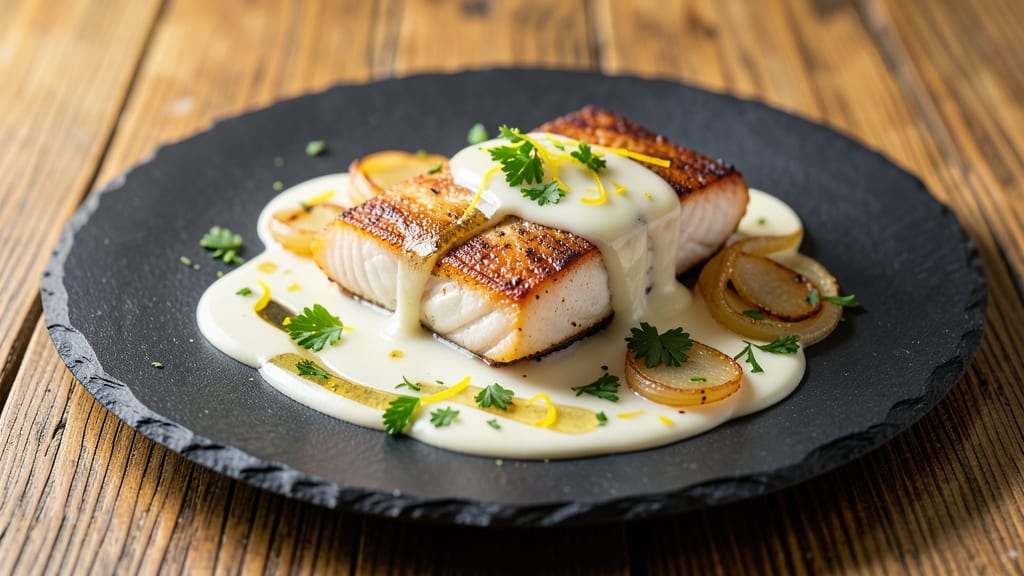
This baked cod sauce recipe transforms simple ingredients into a bright, herbed lemon-butter sauce that elevates every bite of flaky cod. The secret lies in balancing zesty citrus with rich butter and aromatic herbs, creating a velvety drizzle that clings perfectly to tender fish.
I developed this sauce after years of testing—it’s the one that finally convinced even cod skeptics to take a second helping.
What makes this sauce special is its three-stage process: first, a quick reduction of white wine and shallots builds depth; then, fresh herbs and lemon zest infuse the butter; finally, a touch of cream rounds out the flavors without overpowering.
The result? A sauce that’s equally at home on a weeknight dinner or a special occasion plate, with just the right balance of tang, richness, and herbal brightness.
The sauce requires just 15 minutes of active time but delivers restaurant-quality results. Simmering the wine and aromatics concentrates their flavors, while the lemon butter adds a luminous finish that brightens even the simplest cod fillet.
It keeps well in the fridge for up to 5 days, making it perfect for meal prep or gifting.
Pair this sauce with pan-seared or baked cod, drizzled over roasted vegetables, or even spooned alongside buttery pasta. The versatility makes it a weeknight workhorse—simple enough for everyday cooking but impressive enough for guests. Here’s how to make it shine.
Ingredients for baked cod sauce
Bright lemon butter meets aromatic herbs in this velvety sauce designed to elevate baked cod.
| Ingredient | Amount | Notes |
|---|---|---|
| Unsalted Butter 🧈 | ¾ cup | Cold, cut into small cubes |
| Fresh Lemon Zest 🍋 | 1 tbsp | From organic lemons preferred |
| Fresh Lemon Juice 🍋 | ¼ cup | Freshly squeezed, strained |
| Dry White Wine 🍷 | ½ cup | Sauvignon Blanc or Pinot Grigio |
| Shallots 🧅 | 2 whole | Minced, about 2 tbsp total |
| Fresh Parsley 🌿 | ¼ cup | Chopped, flat-leaf preferred |
| Fresh Dill 🌿 | ¼ cup | Chopped, fresh is essential |
| Heavy Cream 🥛 | ¼ cup | Full-fat for optimal texture |
| Diamond Crystal Kosher Salt 🧂 | ½ tsp | Adjust to taste |
| Freshly Ground Black Pepper 🌶️ | ¼ tsp | Freshly cracked preferred |
The butter forms the sauce's luxurious base, so use high-quality, unsalted butter—none of that salted nonsense that throws off your seasoning. For the wine, Sauvignon Blanc or Pinot Grigio work best—their crisp acidity cuts through the richness. Shallots add depth without overpowering; avoid onions here, as they can muddy the delicate flavors. Fresh herbs are non-negotiable—dried will never replicate the brightness of fresh parsley and dill. I always grab mine from the farmers market when in season, but the grocery store's fresh section works in a pinch. Look for vibrant, fragrant herbs with no wilting.
No white wine? Substitute with extra lemon juice and a splash of chicken broth—it won’t be identical, but it’ll work. Dried herbs? Use half the amount and toast them lightly in a dry pan first to wake up their flavors. Heavy cream can be swapped for half-and-half if you’re watching fat content, though the sauce will be slightly lighter. The lemon zest is crucial—don’t skip it—it’s what gives the sauce its luminous finish. For a tangier sauce, add an extra tablespoon of lemon juice; for richness, increase the butter by 10%. The sauce’s three-stage process is key: reduce the wine and shallots first, then infuse the butter with herbs and zest, and finally fold in the cream for a silky finish.
This sauce keeps beautifully in an airtight container in the fridge for up to 5 days, though it’s best within the first 24 hours. For longer storage, freeze in ice cube trays—thaw in the fridge overnight before using. The sauce reheats perfectly, though I prefer serving it at room temperature over freshly baked cod. It’s also fantastic drizzled over roasted asparagus or spooned onto buttery mashed potatoes. Make a double batch—it disappears quickly when guests are over.
Why You'll Love This Recipe
- Five-Ingredient Magic: I swear by this—just butter, lemon, wine, and shallots. No fancy gadgets, no last-minute grocery runs. The sauce basically makes itself while the cod bakes, and honestly? That’s my kind of cooking.
- Bright & Buttery Bliss: That lemon zest and butter combo? It’s the kind of flavor that hits you right away—bright, rich, and impossible to resist. The white wine adds just enough depth to make it feel special, even if you’re eating straight from the pan.
- Weeknight to Dinner Party: Same sauce works for a quick Tuesday supper or when you’re hosting. Double the batch, store it in the fridge, and suddenly you’ve got a restaurant-worthy finish for whatever’s on the plate.
- Leftovers That Don’t Suck: Between us, most sauces turn sad after a day. Not this one. The butter keeps it velvety, the lemon keeps it fresh, and it reheats like a dream—perfect for lunch the next day or sneaking into pasta later.
Step-by-step instructions for lemon-butter baked cod with herbed sauce
The secret lies in balancing bright citrus with rich butter and delicate herbs—here's how to execute it flawlessly.
Sear the Cod for Maximum Flavor
Pat the cod fillets dry with paper towels—this ensures a perfect sear. Heat a large oven-safe skillet over medium-high heat until very hot. Add 0.25 cup of the unsalted butter (reserving the rest for later) and let it foam and bubble for 30 seconds.
Carefully place the cod fillets in the skillet, skin-side down if present. Cook undisturbed for 2-3 minutes until the bottom is golden brown and crisp. Flip gently and cook for another 1-2 minutes until the flesh just begins to flake at the edges. Remove the cod and set aside on a plate.
Build the Sauce Base with Shallots and Wine
In the same skillet (no need to wipe it clean—the browned bits are pure flavor), reduce heat to medium and add the 2 minced shallots. Cook for 3-4 minutes until softened and translucent, stirring occasionally. Add the 0.5 cup dry white wine and scrape up any browned bits from the bottom with a wooden spoon.
Let the wine simmer for 2-3 minutes until reduced by half. This step develops depth in the sauce. If the mixture seems dry, add 1-2 tablespoons of water to maintain moisture, but don't overdo it—we want a concentrated flavor base.
Incorporate Citrus and Cream for Balance
Add the remaining 0.5 cup unsalted butter (cold cubes) to the skillet. Let it melt slowly, whisking constantly, until fully incorporated. Stir in the 1 tbsp fresh lemon zest and 0.25 cup fresh lemon juice, allowing the citrus to infuse for 1 minute.
Reduce heat to low and gradually whisk in the 0.25 cup heavy cream. Season with the 0.5 tsp kosher salt and 0.25 tsp black pepper. The sauce should be velvety but not too thick—if it's too heavy, add 1-2 tablespoons of water to reach your desired consistency.
Finish with Herbs and Return the Cod
Remove the skillet from heat and stir in the 0.25 cup chopped parsley and 0.25 cup chopped dill. Return the cod fillets to the skillet, spooning the sauce evenly over the top. Let everything sit together for 1-2 minutes to allow the cod to absorb the sauce's flavors.
The sauce should coat the cod beautifully, creating a glossy, herbed finish. If the sauce appears too thin, simmer gently for an additional 1-2 minutes to thicken slightly. Serve immediately while the cod is still warm and the sauce is silky.
Pro Tips For Making Baked Cod Sauce
- Sweat Shallots Low and Slow: I learned this the hard way—high heat turns shallots bitter. Use a medium-low flame and stir often, letting them soften for 8-10 minutes until translucent but not browned. This keeps the sauce silky, not sharp or astringent.
- Zest Before Juicing: Run the lemon zest through your fingers first, then juice it. The zest packs more flavor when you scrape it fresh, and juicing afterward prevents the zest from turning bitter in the sauce. (Yes, even if you’re impatient like me.)
- Deglaze with Wine Early: Pour in the white wine as soon as the shallots are done, before adding butter. Let it reduce by half (about 3-4 minutes) to concentrate the flavor—this makes the sauce richer and less boozy. Skipping this step leaves it thin and flat.
- Finish with Cold Butter: Whisk in the unsalted butter at the very end, off the heat. Cold butter emulsifies better, giving the sauce a glossy finish without breaking. (Your future self will thank you for not melting it first.)
Make-ahead tips for this recipe
Prep Ahead Components
Start by prepping the herb butter and lemon zest up to 2 days ahead—store them in airtight containers in the fridge. The butter cubes will stay cold, and the zest retains its brightness.
I like to make a double batch of the wine-shallot reduction (without the herbs) and keep it refrigerated for up to 3 days. This base can be reheated gently on the stovetop before adding the final ingredients. 🧈
Sauce Assembly Timeline
Assemble the sauce 30 minutes before serving—this ensures the flavors meld perfectly without overcooking. If using prepped components, simply reheat the wine-shallot base on low heat, then add the cold butter, lemon zest, and cream.
The sauce comes together in 5 minutes, giving you time to sear the cod fresh. For a truly stress-free dinner, pre-mix the herbs and lemon juice in a small bowl and store them separately until ready to use. 🌿
Cod Prep Strategy
Pat and season the cod fillets up to 4 hours ahead and store them uncovered on a plate in the fridge. This allows the seasoning to penetrate while preventing sogginess. When ready to cook, simply sear them in a hot skillet—no thawing or extra prep needed.
For extra convenience, use frozen cod fillets (thawed in the fridge overnight) and follow the same prep steps. 🍋
Double Batch for Leftovers
Make twice the sauce and store half in an airtight container—it keeps for 5 days in the fridge or 3 months in the freezer. Portion the sauce into ice cube trays before freezing; thaw overnight in the fridge for a smooth drizzle.
I often use the extra sauce over roasted Brussels sprouts or buttered egg noodles—it disappears just as fast as it does on cod. ❄️
Herb Storage Tips
Chop the parsley and dill fresh and store them in a small container with a damp paper towel to maintain moisture. They’ll stay vibrant for 3-4 days in the fridge. For longer storage, freeze the chopped herbs in 1-tablespoon portions on a baking sheet before transferring to a freezer bag.
Thaw directly in the sauce—no need to defrost ahead of time. 🌱
Sauce Consistency Fixes
If the sauce seems too thick after reheating, whisk in 1-2 tablespoons of warm water or heavy cream to restore its silky texture. For a richer consistency, add a pat of cold butter and whisk until melted.
I’ve found that reheating gently on low heat preserves the sauce’s brightness better than high heat, which can make it separate. Always taste and adjust seasoning after reheating—it’s the final touch! 🔥
Nutrition facts
Frequently asked questions
Can I make this sauce without white wine?
The wine adds depth, but you can substitute with 1/4 cup extra lemon juice + 1/4 cup chicken broth for a similar acidity. For richness, add 1 tablespoon butter to compensate. The sauce will be slightly less complex but still delicious!
How do I adjust the sauce for spicier cod dishes?
Add 1/4 teaspoon smoked paprika or cayenne to the sauce base while reducing the wine. For heat lovers, stir in 1 tablespoon chopped jalapeño with the herbs at the end. Balance with extra lemon juice if needed.
What's the best way to reheat leftover sauce?
Gently warm over low heat in a saucepan, stirring constantly, until just melted. Avoid high heat—it can separate. For extra creaminess, whisk in 1 tablespoon cold butter at the end. Never microwave directly from the fridge!
Can I use this sauce with other fish?
It pairs beautifully with halibut, mahi-mahi, or even shrimp. For delicate fish like sole, reduce the lemon slightly (2 tablespoons juice) to avoid overpowering. The herbed butter works on any white fish you love.
Why did my sauce turn grainy?
This happens when butter separates from the liquid. Reheat gently, whisking constantly, until smooth. If it's still grainy, strain through a fine-mesh sieve. To prevent it, never let the sauce boil—keep it at a gentle simmer.