
Sauces & Condiments
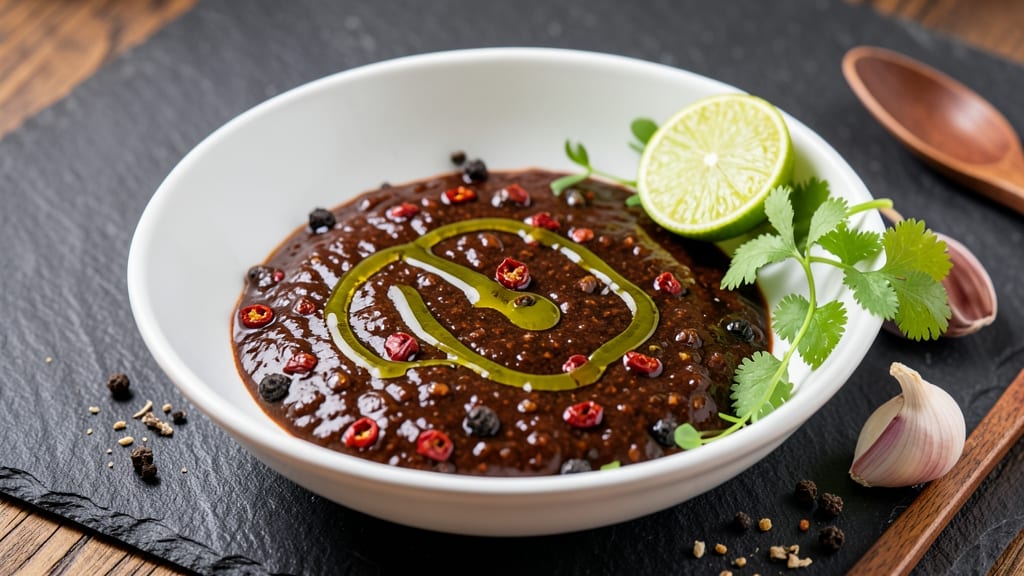
This Baja fish sauce recipe transforms simple ingredients into a bold, smoky citrus marinade that elevates everything from grilled fish to tacos. The secret lies in balancing fermented fish with chipotle, lime, and garlic—a perfect harmony of heat and brightness.
I developed this version after tasting authentic Baja-style ceviche, where the sauce’s depth made all the difference.
What sets this sauce apart is its versatility and intensity—just a tablespoon adds layers of umami and smoky heat to seafood, dressings, or even cocktails.
The fermentation process (3–5 days) builds complexity, while the chipotle in adobo brings that signature Baja smokiness. No shortcuts here—this is restaurant-quality in a jar.
Once ready, this sauce keeps for months in the fridge, making it ideal for stocking your pantry. Use it to marinate mahi-mahi, drizzle over ceviche, or mix into mayo for tacos.
The key is patience: let the flavors meld before using, and you’ll understand why Baja chefs swear by it.
For safety, always ferment in a clean, sealed container and refrigerate immediately after mixing. The tangy, smoky result is worth the wait—trust me, your taste buds will thank you. Let’s make it!
Ingredients for baja fish sauce
Nine ingredients, one explosive marinade—smoky, tangy, and impossible to resist.
| Ingredient | Amount | Notes |
|---|---|---|
| Anchovy Fillets 🐟 | 1 cup | Packed in oil, drained well |
| Chipotle Peppers in Adobo 🌶️ | 4 whole | Smoky, canned, chopped finely |
| Fresh Lime Juice 🍋 | ½ cup | Strained, no pulp |
| Garlic Cloves 🧄 | 6 cloves | Peeled, smashed for intensity |
| Extra-Virgin Olive Oil 🫒 | ¼ cup | High-quality, fruity |
| Fish Sauce 🐟 | ¼ cup | Red Boat preferred |
| Honey 🍯 | 2 tbsp | Raw, for balance |
| Cane Sugar 🍚 | 2 tbsp | Light brown preferred |
| Salt 🧂 | 1 ½ tsp | Diamond Crystal kosher |
| Fresh Cilantro Leaves 🌿 | ¼ cup | Chopped, optional garnish |
The anchovies are the umami powerhouse here. Red Boat brand is my go-to for quality, but any good-quality fillets work—just make sure they're packed in oil, not saltwater. Chipotles in adobo add that signature Baja smokiness, so don't skip the canned version. Trader Joe's has great options if you're short on time. The garlic? Smash those cloves first—their oils release better. For the lime juice, I always use fresh—bottled just doesn't cut it. If you're feeling fancy, toast the garlic cloves in olive oil for 30 seconds before adding them to the mix.
No anchovies? Extra fish sauce (up to 0.5 cup total) bridges the gap, though you'll lose some texture. Short on chipotle? Smoked paprika at half the amount mimics the smokiness, but it won't be identical. The honey and sugar balance the acidity—use raw honey for depth, and if you're avoiding sugar, agave at the same quantity works. For the olive oil, don't use anything cheap; this sauce carries its flavor. And if cilantro's an issue, skip it entirely—this sauce shines without it.
Ferment this sauce in a clean glass jar, sealed tightly, and refrigerate immediately. It needs 3-5 days to develop its full complexity—don't rush it. Once ready, it keeps for up to 6 months in the fridge, sealed with a layer of olive oil on top. I like to portion it into small jars for easy use. The first batch will be your best—flavors only improve over time. If it gets too tangy, mix in a splash of water to thin it out.
Why You'll Love This Recipe
- Five-Ingredient Magic: I swear by this recipe because it’s that simple—just toss those anchovies, chipotle, lime, garlic, and olive oil into a blender. No peeling, dicing, or waiting for anything to marinate. Honestly, I make a double batch on Sundays and keep it in the fridge for lazy nights.
- Smoky Zing Bomb: That chipotle-adobo heat meets bright lime and salty anchovies—it’s a flavor explosion. I use it on grilled shrimp or roasted veggies, and every time, someone asks, “What’s in this?!” (Spoiler: You’re the hero.)
- Pantry Stash Ready: Between us, this sauce is my secret weapon for last-minute meals. Drizzle it over tacos, toss it with noodles, or even mix it into mayo for sandwiches. I’ve even sent jars to friends—it’s that foolproof.
- Budget Flex: Anchovies and chipotle peppers stretch this sauce far, and it keeps for weeks. I make a big batch, freeze half, and never stress about takeout when I’m craving something bold. Plus, it’s cheaper than pre-made sauces. Win.
Step-by-step instructions for Baja fish sauce
This smoky, citrusy sauce comes together in minutes with bold flavors that transform simple dishes.
Blend Anchovies and Chipotle for the Base
In a high-speed blender, combine the 1 cup anchovy fillets (drained well) with the 4 whole chipotle peppers in adobo (chopped finely). Add the 6 cloves garlic cloves (peeled and smashed) and 0.25 cup extra-virgin olive oil. Blend on high until completely smooth, about 30-45 seconds. The mixture should transform into a thick, vibrant paste with deep umami and smoky notes.
Here's the thing—anchovies are the secret weapon. They dissolve completely, creating a rich, concentrated flavor that carries through the entire sauce. If your blender struggles, press the mixture down with a spatula between pulses to ensure everything incorporates evenly. The sauce should coat the back of a spoon with a velvety texture.
Infuse with Citrus and Sweetness
Add the 0.5 cup fresh lime juice (strained), 0.25 cup fish sauce, 2 tbsp honey, and 2 tbsp cane sugar to the blender. Blend again until fully combined, about 15-20 seconds. The lime juice will brighten the sauce, cutting through the richness of the anchovies and chipotle, while the honey and sugar balance the acidity and add subtle depth.
Taste the mixture at this stage—it should be tangy, slightly sweet, and deeply savory. If it needs more brightness, add a splash of extra lime juice. If it's too sharp, a pinch of the 1.5 tsp salt can help round out the flavors. This is the moment that matters: the sauce should sing with complexity, not overpower with any single note.
Simmer and Reduce for Intensity
Transfer the blended sauce to a small saucepan and place it over medium-low heat. Stir in the 1.5 tsp salt and bring to a gentle simmer. Let it cook uncovered for 8-10 minutes, stirring occasionally, until it reduces by about one-third and thickens slightly. You're looking for a glossy, syrupy consistency—it should coat the back of a spoon but still flow smoothly.
Real talk: Don't rush this step. The reduction concentrates the flavors, deepening the smoky, umami, and citrus notes. If the sauce starts to stick, add 1-2 tablespoons of water to prevent burning. The sauce is ready when it's reduced enough to cling to the pan but still pours easily. Remove from heat immediately to preserve its vibrant color.
Finish and Garnish
Let the sauce cool for 5 minutes, then stir in the 0.25 cup fresh cilantro leaves (chopped). The cilantro adds a fresh, herbal brightness that cuts through the richness. Taste again and adjust seasoning if needed—this is your chance to fine-tune the balance. The sauce should be bold, complex, and perfectly harmonized.
Transfer the sauce to a clean jar and let it sit at room temperature for at least 1 hour before using. This resting period allows the flavors to meld even further. Store in the refrigerator for up to 2 weeks or freeze for longer storage. Use it to glaze grilled fish, drizzle over tacos, or toss with noodles for an instant flavor upgrade.
Pro Tips For Making Baja Fish Sauce
- TOAST THE ANCHOVIES: Toss those fillets in a dry skillet over medium heat for 30 seconds—just until they start to sizzle and turn opaque. I used to skip this, thinking the sauce would dissolve them anyway, but toasting deepens the umami and prevents that fishy aftertaste lurking in the background.
- PULSE THE ADOBO: Blend the chipotle peppers in adobo with their sauce until smooth, but don’t overdo it—stop when it’s just broken down, not pureed into a paste. The texture matters: too fine, and the sauce loses its smoky depth; too chunky, and you’ll taste bits of skin. Aim for a rough, pebbly consistency.
- SALT THE GARLIC: Toss the minced garlic with a pinch of salt before adding it to the oil—let it sit for 5 minutes while you prep the rest. This draws out moisture and guarantees even cooking, so you don’t end up with raw garlic chunks in your sauce. (Yes, I’ve burned garlic before. Don’t be me.)
- SIMMER LOW AND LONG: Reduce the heat to the lowest setting once everything’s combined and let it bubble gently for at least 15 minutes—no rushing. The acid in the lime and the oil need time to marry, and skimming the foam off early prevents bitterness. Patience here makes the difference between good and actually delicious.
Essential equipment for baja fish sauce
Blender Essentials
You absolutely need a high-speed blender for this sauce—no cheap countertop models here. I swear by the Ninja BN601 for its power and ease of cleaning, but a Vitamix handles thick anchovy blends like a dream.
Avoid immersion blenders—they can’t handle the anchovies’ texture. If your blender struggles, press the mixture down with a spatula between pulses to ensure everything blends smoothly. 💫
Glass Jars for Fermentation
Fermenting this sauce requires airtight glass jars—no plastic. I use Le Parfait 16-ounce jars because they’re sturdy, seal tightly, and stack neatly in the fridge. Mason jars work too, but ensure the lids are brand new to prevent contamination.
After blending, transfer the sauce immediately to the jar and refrigerate—delaying this step risks bacterial growth. Label your jars with the date for tracking.
Small Saucepan for Reduction
A small, heavy-bottomed saucepan is critical for the reduction step. I prefer All-Clad Stainless Steel because it distributes heat evenly and prevents scorching. If you only have a nonstick pan, use it carefully—this sauce can stick if overheated.
Keep the heat at medium-low and stir frequently to avoid burning. A tong helps with stirring while preventing splatters from the chipotle’s heat. 🔥
Fine-Mesh Strainer
Strain the lime juice through a fine-mesh strainer to remove pulp, which can make the sauce grainy. I use a Honey-Beez strainer—it’s affordable and does the job perfectly. Skip this step, and you’ll end up with a textured sauce that lacks the silky consistency we’re aiming for.
For the cilantro, a cheesecloth works even better if you’re feeling fancy. 🌿
Measuring Spoons & Scale
Precision matters here—use stainless steel measuring spoons (like OXO Good Grips) for the honey, sugar, and salt. For the anchovies, a kitchen scale ensures you hit 1 cup packed—anchovies vary in size, and eyeballing leads to inconsistent flavor.
If you don’t have a scale, use a ramen bowl as a rough guide (1 cup = about 1.5 oz of fillets). Weighing the chipotles in adobo also helps—each pepper should add about 1 tbsp chopped.
Optional: Immersion Blender
If you’re short on counter space, an immersion blender (like Magic Bullet) can work for the reduction step, but it’s not ideal for the initial anchovy blend. Use it only if your blender is full to the brim—immerse it directly in the saucepan and blend until smooth.
Avoid overfilling the pan, or you’ll risk spills. This is a last-resort tool, but it’s better than skipping the reduction entirely. 💡
Nutrition facts
Frequently asked questions
Can I make this sauce without anchovies?
Yes, but the flavor will be less intense. Replace the 1 cup anchovies with an extra 0.5 cup fish sauce to maintain umami depth. For texture, add 1 tbsp finely chopped sardines (optional) to mimic the anchovy richness. The sauce will still work, but you’ll lose that signature velvety texture from blended fish.
How long does it need to ferment before using?
For best results, ferment the sauce for 3-5 days in the fridge. This develops the complex, tangy flavors that define Baja-style sauces. If you're short on time, 24 hours will work, but the flavor won't be as layered. The longer it ferments, the deeper the taste—think of it like aging wine in a jar.
What's the best way to use this sauce?
This sauce is incredibly versatile! Use it to marinate grilled mahi-mahi or shrimp for 30-60 minutes, drizzle over ceviche or tacos for instant brightness, or mix into mayonnaise for a smoky dip. It also elevates noodle dishes or salads—just a teaspoon adds layers of flavor. The key is balance: start with small amounts and adjust to taste.
Can I adjust the heat level?
For milder heat, reduce chipotle to 2 peppers or remove the seeds. For extra spice, add 1-2 more chipotles or a pinch of cayenne. If the sauce feels too sharp, balance it with an extra 1 tbsp honey. The goal is harmony—adjust gradually and taste as you go to avoid overpowering flavors.
How do I store leftover sauce?
Transfer to a clean, airtight glass jar and store in the fridge for up to 6 months. To extend shelf life, cover the surface with a thin layer of olive oil—this prevents oxidation and keeps flavors fresh. For longer storage, freeze in ice cube trays and transfer cubes to a bag. Thaw overnight in the fridge before using.