
Sauces & Condiments
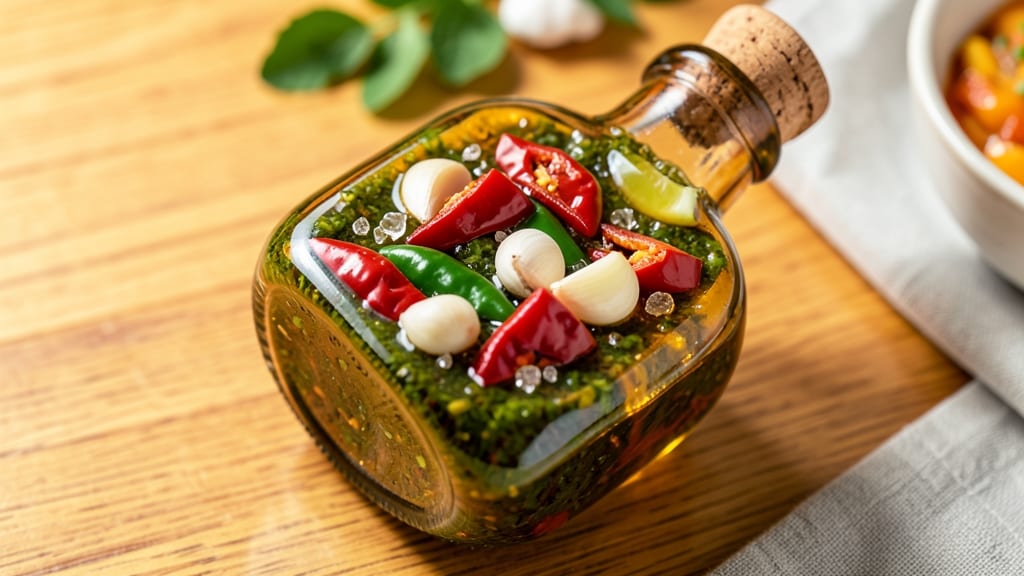
This Baja Blast hot sauce recipe delivers a perfect balance of fiery heat and bright citrus that transforms any dish into a flavor explosion. 🔥 The secret lies in fermenting vinegar with fresh peppers and citrus, creating a sauce that's tangy, complex, and packed with smoky depth.
Unlike store-bought versions, this recipe lets you control the heat level—from mild to mouth-searing—while maintaining that signature Baja vibe.
The process is surprisingly simple: blend roasted peppers, garlic, and citrus with white vinegar, then let it ferment for 2-3 weeks to develop rich, layered flavors. No special equipment is needed—just a blender, jar, and patience.
The fermentation step transforms basic ingredients into something extraordinary, with a heat that builds gradually and a citrus brightness that cuts through the spice.
What you'll end up with is a versatile hot sauce that elevates tacos, grilled meats, seafood, or even popcorn. The heat is balanced by the vinegar's tang and citrus notes, making it approachable yet intense.
Store it in the fridge for up to 6 months, and watch it improve with age as the flavors deepen.
Adjust the heat to your preference by adding more or less pepper, and experiment with smoked paprika for extra depth. This isn't just a condiment—it's a flavor enhancer that turns ordinary meals into something unforgettable. Let's get started on making your own batch!
Ingredients for baja blast hot sauce
Nine ingredients, two weeks of flavor development—this is your ticket to restaurant-quality hot sauce at home.
| Ingredient | Amount | Notes |
|---|---|---|
| White Vinegar 💧 | 2 cups | Distilled white vinegar preferred |
| Fresh Jalapeño Peppers 🌶️ | 1 cup | Seeds removed for mild heat |
| Fresh Habanero Peppers 🌶️ | ½ cup | Seeds removed for controlled heat |
| Garlic Cloves 🧄 | 6 cloves | Roasted for smoky depth |
| Lime Juice 🍋 | ½ cup | Freshly squeezed, no pulp |
| Orange Juice 🍊 | ¼ cup | Freshly squeezed, no pulp |
| Smoked Paprika 🌶️ | 1 tbsp | For smoky depth and color |
| Granulated Sugar 🍚 | 2 tbsp | Balances acidity and heat |
| Salt 🧂 | 1 tsp | Kosher salt preferred |
| Black Peppercorns 🌶️ | ½ tsp | Freshly cracked for aroma |
The peppers are the heart of this sauce, so pick fresh, firm jalapeños and habaneros—the hotter the better, but adjust to taste. Trader Joe's and Whole Foods usually carry vibrant, fresh peppers. Roast the garlic whole in the oven for 10 minutes at 400°F (wrap in foil) for that smoky depth—game-changer. The vinegar should be distilled white vinegar (no apple cider or balsamic)—it's the backbone of the tangy flavor. For citrus, Meyer limes and navel oranges give the best balance of tart and sweet.
No habaneros? Double the jalapeños and add 1/2 tsp cayenne for similar heat. Running low on lime juice? Substitute lemon juice at 1:1 ratio, but the flavor won't be quite as bright. The sugar balances the acidity and heat—brown sugar works too, but white dissolves better. For extra smokiness, swap smoked paprika for liquid smoke (1/4 tsp), but use sparingly. If you accidentally add pulp from the citrus, strain it out before fermenting—it can make the sauce cloudy.
This sauce gets better with time—2-3 weeks in the fridge lets the flavors meld beautifully. Store it in a sterilized glass jar with a tight seal to prevent contamination. Once opened, it keeps for 6 months in the fridge. For convenience, freeze small batches in ice cube trays—perfect for portion control. The heat builds over time, so taste it weekly and adjust with more peppers or vinegar if needed. Trust the process—patience pays off with bold, complex flavor.
Why You'll Love This Recipe
- No-Chop Required: I swear by this—just slice the peppers, no dicing, no fuss. The vinegar and lime juice do all the work while you’re chopping veggies for dinner.
- Fiery Yet Balanced: That habanero heat gets tamed by the garlic and lime, leaving you with a sauce that’s bold but not overpowering. Honestly, it’s the kind of heat you’ll chase down with another bite.
- Game for Any Meal: Drizzle it on tacos, toss it in soups, or use it as a marinade—it’s my go-to for anything needing a wake-up call. Even my picky husband asks for it now.
- Lasts for Months: Make a big batch, store it in the fridge, and thank me later. The vinegar keeps it fresh, and the cost? A fraction of store-bought sauces. (Yes, even on a Tuesday night.)
Step-by-step instructions for fiery vinegar and citrus hot sauce
Here's how to make this zesty, smoky hot sauce with perfect heat balance every time.
🔥 Step 1: Roast the Garlic for Smoky Depth
Preheat your oven to 400°F. Wrap the 6 cloves garlic tightly in aluminum foil and place them on a baking sheet. Roast for 15-20 minutes until the cloves are golden brown and fragrant. This roasting step develops a sweet, smoky flavor that cuts through the vinegar's sharpness.
Let the roasted garlic cool slightly before peeling the skins off. You'll notice the cloves will be soft enough to squeeze between your fingers. I like to mash them lightly with the side of a knife to release their oils—this ensures maximum flavor infusion when we combine everything later.
👨🍳 Step 2: Blend the Fresh Peppers and Citrus
In a high-speed blender, combine the 1 cup fresh jalapeño peppers and 0.5 cup fresh habanero peppers (seeds removed). Add the 0.5 cup lime juice and 0.25 cup orange juice along with the roasted garlic. Blend until completely smooth—you should have about 2 cups of vibrant, green pepper puree.
Here's the thing—blending the peppers with citrus first creates a smoother base sauce. The acidity from the citrus also helps break down the pepper oils, making them more soluble in the vinegar. I pulse the blender for 10 seconds at a time, checking the consistency, until everything is perfectly smooth.
🍳 Step 3: Simmer the Sauce for Perfect Balance
In a medium saucepan, combine the pepper-citrus blend with the 2 cups white vinegar, 1 tbsp smoked paprika, 2 tbsp granulated sugar, 1 tsp salt, and 0.5 tsp freshly cracked black peppercorns. Bring to a gentle boil over medium-high heat, then immediately reduce to medium-low heat.
Simmer uncovered for 15-20 minutes, stirring occasionally, until the sauce thickens slightly and the flavors meld. You'll notice the vinegar's sharpness mellows while the pepper heat intensifies. This simmering step is crucial—it develops the sauce's complexity without making it too thick or syrupy.
⏰ Step 4: Strain and Bottle for Maximum Shelf Life
Let the sauce cool for 5 minutes before straining it through a fine-mesh sieve into a clean glass jar. I use a folded cheesecloth over the sieve to catch any remaining pepper seeds or pulp. The strained sauce should be bright green with a slightly smoky aroma and visible pepper flecks.
Seal the jar tightly and let the sauce mature for at least 24 hours in the refrigerator before using. This resting period allows the flavors to fully develop and the heat to distribute evenly. The sauce will keep in the fridge for up to 3 months, with the heat actually mellowing slightly over time.
Pro Tips For Making Baja Blast Hot Sauce
- CHAR THE GARLIC LOW: I learned this the hard way—crisping garlic in a dry pan until it’s golden before adding it to the vinegar mixture makes a real difference. The flavor becomes deeper, almost nutty, instead of raw or bitter. (Yes, even if you’re impatient like me.)
- REMOVE PEPPER SEEDS FIRST: Skip tossing whole habaneros into the mix—the seeds pack the worst heat and bitterness. Scoop them out before chopping, and use a spoon to scrape out the membranes too. Your sauce will still burn, but with less of that lingering, eye-watering sting.
- SIMMER UNTIL THICK: Don’t rush the reduction—let the sauce bubble gently for at least 10 minutes, stirring often, until it coats the back of a spoon. This isn’t just about flavor; it’s what turns your vinegary base into something cohesive and shelf-stable. (Your future self will thank you.)
- ADD LIME LAST: I was skeptical until I tried it: fresh lime juice needs to stay bright, so toss it in during the final minute of simmering. If you add it early, the acid dulls, and the sauce tastes flat. A squeeze of lime right before bottling also keeps it vibrant longer.
Perfect pairings for this recipe
Taco Night Elevation
This hot sauce transforms tacos from good to unforgettable. Drizzle 1-2 tablespoons over al pastor, carne asada, or fish tacos for an instant flavor boost. The citrus brightens the meat while the heat cuts through the richness.
I like to serve it with pickled red onions and fresh cilantro for that authentic Baja street food experience. 🌮
Seafood Pairings
Grilled shrimp and fish practically beg for this sauce. Toss 1 pound shrimp with 1 tbsp olive oil, 1 tsp smoked paprika, and 1 tbsp lime juice, then grill until pink.
Finish with 1-2 teaspoons of this hot sauce—it enhances the natural sweetness of the shrimp while adding serious heat. For fish, try mahi-mahi or halibut broiled with the sauce as a glaze during the last 2 minutes of cooking.
Breakfast Game-Changer
Yes, hot sauce belongs at breakfast! Drizzle over scrambled eggs, chorizo, or breakfast tacos for a spicy wake-up call. I love adding ½ teaspoon to my avocado toast with a sprinkle of feta cheese and everything bagel seasoning.
The citrus notes also pair beautifully with sweet breakfast potatoes roasted with maple syrup and bacon.
Cocktail & Mocktail Mixer
Add ½ teaspoon to your margaritas, palomas, or even a classic gin and tonic for a spicy kick. I make a signature Baja Blast Paloma with 2 oz tequila, 4 oz grapefruit juice, ½ oz lime juice, and ½ teaspoon of this sauce—it's refreshing yet fiery.
For non-alcoholic drinks, mix ½ teaspoon into sparkling water with ice and lime wedges for a zesty, spicy sipper.
Popcorn & Snack Upgrade
Toss freshly popped popcorn with 1 tablespoon melted butter and 1 teaspoon of this hot sauce for a savory-sweet-spicy snack. The vinegar and citrus cut through the buttery richness, while the heat adds excitement.
I also drizzle it over roasted nuts (like cashews or almonds) with a pinch of sea salt for a perfect game-day snack. 🍿
Dipping Sauce Powerhouse
Use this sauce as a dip for fried chicken, fish sticks, or veggie sticks. The acidity balances the oiliness of fried foods while the heat adds depth. I serve it alongside homemade tortilla chips with guacamole and salsa for a fiesta-style spread.
For extra richness, mix 1 teaspoon into sour cream or Greek yogurt for a spicy dip that's perfect with taquitos.
Nutrition facts
Frequently asked questions
Can I make this hot sauce without habaneros?
For a milder version, double the jalapeños to 1 cup and add ½ teaspoon cayenne pepper for similar heat. The key is balancing the citrus and vinegar—just ensure you're using fresh, firm peppers for maximum flavor. If you prefer no habaneros at all, you can also reduce the jalapeños to ½ cup and add 1 teaspoon smoked paprika for extra depth.
How do I adjust the heat level?
Start with the recipe as written for medium heat. For more fire, add ½ teaspoon cayenne or 1 extra habanero pepper per batch. To mellow it, reduce the jalapeños to ½ cup and increase the sugar to 3 tablespoons to balance. Always taste as you go—heat builds during fermentation, so adjust early if needed.
Why does my sauce look cloudy?
Cloudiness usually means unstrained pepper pulp or citrus particles. Strain again through a fine-mesh sieve with cheesecloth for a crystal-clear sauce. If it's still cloudy, let it sit for 24 hours—sometimes the particles settle. For extra clarity, add 1 tablespoon apple cider vinegar to the straining process, as its mild acidity helps clarify the mixture.
Can I make this sauce without fermenting?
Yes, but the flavor will be less complex. Skip the fermentation and use the sauce immediately after simmering. The heat will be sharper and the citrus notes more pronounced, but you'll miss the deep, smoky layers that develop over time. For a quick version, store it in the fridge for 3-5 days to let flavors meld slightly.
What's the best way to store homemade hot sauce?
Store in a sterilized glass jar with a tight seal in the fridge for up to 6 months. For longer storage, freeze in ice cube trays—thaw overnight in the fridge. The sauce actually improves with age, with flavors deepening over time. If mold appears, discard it immediately—proper sterilization and refrigeration prevent contamination.