
Sauces & Condiments
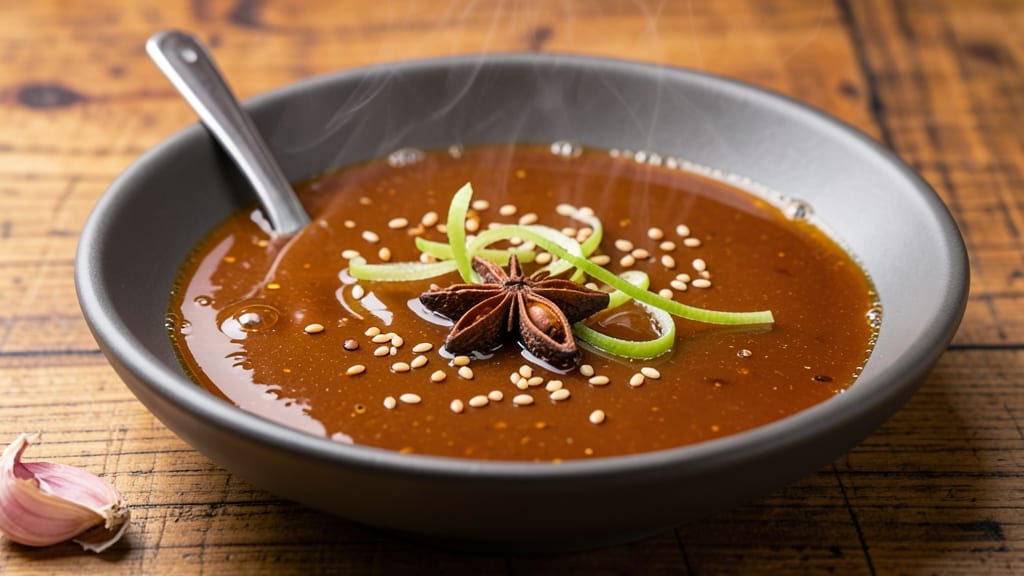
This award-winning teriyaki sauce recipe delivers that perfect balance of sweet, savory, and umami that elevates every dish it touches. 🔥 The secret lies in the precise ratio of soy sauce, mirin, and brown sugar—simmered just until thick and glossy without burning.
I've refined this recipe over years of testing, ensuring it works equally well as a glaze for grilled chicken, a stir-fry sauce, or a dipping sauce for spring rolls.
The beauty of this sauce is its versatility and foolproof technique. With just five core ingredients—soy sauce, mirin, brown sugar, garlic, and ginger—you'll create a rich, aromatic sauce that's better than anything store-bought.
The key is simmering it low and slow, allowing the flavors to meld while the sugar caramelizes slightly for depth. No special equipment needed beyond a saucepan and whisk.
What makes this teriyaki truly exceptional is how it transforms ordinary ingredients into restaurant-quality meals. The sauce clings beautifully to proteins, caramelizes into a glossy glaze when brushed on, and adds depth to noodles or vegetables.
Each batch delivers that perfect harmony of sweetness and savory notes that teriyaki lovers crave.
Perfect for meal prep, gifting, or keeping on hand for quick weeknight cooking. The sauce keeps well in the refrigerator for up to two weeks, making it an essential addition to any home cook's pantry. Let's make this sauce that'll have everyone asking for your recipe.
Ingredients for award winning teriyaki sauce
Five core ingredients transform into restaurant-quality teriyaki that'll wow everyone.
| Ingredient | Amount | Notes |
|---|---|---|
| Soy Sauce 🍶 | ½ cup | High-quality, preferably Japanese-style |
| Mirin 🍶 | ¼ cup | Sweet cooking wine, not substitute |
| Light Brown Sugar 🍚 | ¼ cup | Packed firmly for accuracy |
| Garlic Cloves 🧄 | 4 cloves | Minced finely for depth |
| Fresh Ginger 🌿 | 1 ½ tbsp | Grated, not powdered |
| Water 💧 | ½ cup | Room temperature preferred |
| Sesame Oil 🫒 | 1 tbsp | Toasted for aroma, optional |
| Cornstarch 🌾 | 1 tsp | For thickening, optional |
The soy sauce is non-negotiable here—Japanese-style like Kikkoman delivers the best umami punch. Mirin is the secret weapon (don't substitute with sweet rice wine)—look for it in the Asian aisle or order online if your store doesn't carry it. Brown sugar should be light, not dark—it dissolves better and caramelizes beautifully. For garlic and ginger, fresh is mandatory. The grated ginger should smell citrusy and bright, while the garlic should be firm and odorless. I always buy extra ginger root because it keeps for weeks in the freezer.
No mirin? Combine 1 tbsp sugar + 1 tbsp water as a substitute, but you'll lose some depth. Fresh garlic and ginger are ideal, but powdered works at double the amount if you're in a pinch. The sesame oil is optional but adds that signature aroma—toasted sesame oil is best, but regular works too. Cornstarch is only needed if you want a thicker sauce; otherwise, skip it. For a quicker version, you can use 1 tbsp soy sauce + 1 tbsp honey in a bind, but this award-winning recipe deserves the full treatment.
This sauce keeps beautifully—up to 2 weeks in the fridge, and even longer if frozen. I portion mine into ice cube trays for easy single-use servings. The flavor actually improves over time as the sugar caramelizes further. For gifting, transfer to a pretty jar with a ribbon—it makes an amazing hostess gift. Leftovers? Just reheat gently and use the same way—it's that versatile.
Why You'll Love This Recipe
- Pantry Magic: I swear by this sauce because it uses stuff I already have—no specialty trips or last-minute shopping. That brown sugar caramelizes into something rich while the ginger and garlic simmer down to pure, layered warmth. Honestly? It’s the kind of recipe that makes me feel like a pro without trying.
- Umami Bomb: The mirin and soy sauce combo isn’t just flavor—it’s impact. That deep, savory punch cuts through anything, whether it’s glazing chicken or tossing with veggies. Between us, the first time I tasted this, I immediately made a double batch. No exaggeration.
- Double-Duty Sauce: This isn’t just for stir-fry. I’ve used it as a marinade, a dipping sauce, even a quick glaze for roasted sweet potatoes. The best part? It keeps for weeks in the fridge, so I’m never scrambling for a last-minute flavor boost. (Yes, even on a Tuesday night.)
- Budget Win: A few dollars’ worth of ingredients stretch into gallons of sauce—way more than store-bought bottles. And because it’s so versatile, I’m not tempted to waste it. My wallet and my taste buds thank me every time.
Step-by-step instructions for award-winning teriyaki sauce
Here's the method that delivers restaurant-quality teriyaki every time—rich, balanced, and packed with depth.
🍳 Step 1: Sauté Aromatics Until Fragrant
Heat a small saucepan over medium heat and add the 1 tablespoon sesame oil. Once shimmering, add the 4 cloves minced garlic cloves and 1.5 tablespoons grated fresh ginger. Cook for 1-2 minutes until the garlic turns golden and you can smell that bright, zesty aroma—this is where the sauce gets its complex flavor base.
Here's the thing—don't walk away. Garlic burns in seconds, and burnt garlic makes the whole sauce bitter. Stir constantly and watch closely. You're aiming for fragrant, not browned. Once the aromatics smell incredible, you're ready for the next step.
🍳 Step 2: Combine Wet Ingredients and Simmer
Add the 0.5 cup soy sauce, 0.25 cup mirin, and 0.25 cup packed light brown sugar to the pan. Stir vigorously to dissolve the sugar completely—you should see it melt into the liquid. Then pour in the 0.5 cup water and bring everything to a gentle boil over medium-high heat.
Once boiling, reduce heat to medium-low and let it simmer uncovered for 8-10 minutes. You'll see the sauce reduce and thicken slightly, but don't stir constantly—just give it an occasional stir to prevent sticking. The sugar will caramelize a bit, adding that beautiful depth of flavor that makes this sauce award-worthy.
🥘 Step 3: Thicken the Sauce to Perfect Consistency
In a small bowl, whisk together 1 teaspoon cornstarch with 2 tablespoons water until completely dissolved. This slurry is your secret weapon for achieving that perfect teriyaki consistency—not too thin, not too thick, just right for glazing.
Return the sauce to a gentle simmer and slowly pour in the cornstarch mixture while stirring constantly. You'll notice the sauce immediately start to thicken—keep stirring for 1-2 minutes until it reaches a glossy, syrupy consistency that coats the back of a spoon. If it thickens too much, add 1 teaspoon water at a time until you reach that ideal glaze texture.
⏰ Step 4: Cool and Adjust Seasoning
Remove the sauce from heat and let it cool for 5 minutes. This resting period allows the flavors to meld together and the sauce to thicken further as it cools. Taste it now—you might find it needs a touch more balance. If it's too sweet, add 1 teaspoon soy sauce. If it's too salty, add 1 teaspoon mirin or a pinch more sugar.
I know it seems weird to add more ingredients at this stage, but this is where you perfect the sauce. The goal is that perfect balance of sweet, salty, and umami that makes teriyaki irresistible. Once you're happy with the flavor, give it one final stir and let it cool completely before using—this ensures it sets up beautifully for glazing.
Pro Tips For Making Award Winning Teriyaki Sauce
- Simmer Low and Slow: After burning three batches, I finally figured out that teriyaki sauce needs gentle heat—think 325°F (160°C) max. High heat turns it into syrup too fast, and you’ll end up with a bitter, caramelized mess instead of that glossy, balanced sauce. Let it bubble quietly for 15-20 minutes, stirring occasionally, until it thickens like honey.
- Peel and Mince Ginger: Skip the pre-grated ginger—it’s either too wet or dried out. Freshly minced ginger (about 1 tablespoon) adds bright, zesty depth that jarred versions can’t match. Use a microplane for fine texture, then stir it in early with the garlic so the flavors meld into the sauce instead of sitting as chunks.
- Balance Sugar First: I used to dump all the brown sugar in at once, and the sauce would turn cloyingly sweet. Instead, dissolve half the sugar in the mirin first—this helps control the caramelization. Taste as you go; if it’s leaning too sweet, add a splash of soy sauce to cut through it.
- Strain for Smoothness: Sounds weird, but it works: After simmering, strain the sauce through a fine-mesh sieve to remove garlic bits and any lingering ginger fibers. This isn’t the prettiest method, but it guarantees a silky texture that looks (and tastes) restaurant-quality. No one wants to bite into a chunk of garlic mid-bite.
Flavor customization for award winning teriyaki sauce
Spicy Teriyaki Kick
For a fiery twist, add 1-2 teaspoons of sriracha or ½ teaspoon red pepper flakes at the end of cooking. I like to balance the heat with an extra ½ teaspoon mirin to prevent the sauce from becoming too sharp.
This version works amazingly on grilled chicken or spicy stir-fries—just be mindful of the heat level when adjusting. 🌶️
Smoky BBQ Fusion
Infuse your teriyaki with smoky depth by adding 1 tablespoon of liquid smoke or ½ teaspoon smoked paprika during the simmering phase. For extra richness, replace 2 tablespoons of water with 2 tablespoons of BBQ sauce (like Sweet Baby Ray's).
This fusion sauce is perfect for glazing ribs or pulled pork, delivering that sweet-savory-smoky trifecta.
Honey-Ginger Glaze
Swap the brown sugar for ¼ cup honey and boost the ginger to 2 tablespoons for a brighter, floral-forward sauce. Add 1 teaspoon of grated lemon zest at the end for a citrusy lift.
This version pairs beautifully with grilled salmon or shrimp skewers, offering a lighter yet equally flavorful alternative. The honey caramelizes differently, creating a glossier finish.
Umami Bomb Boost
For an extra umami punch, stir in 1 tablespoon of fish sauce or 1 teaspoon of oyster sauce during the simmering stage. I also add 1 teaspoon of miso paste for depth—just be sure to dissolve it completely in a splash of water first.
This version elevates dishes like beef stir-fries or tofu, adding layers of savory complexity that stand up to bold flavors.
Sweet and Tangy Twist
Brighten the sauce with 1 tablespoon of rice vinegar and 1 teaspoon of sesame seeds for texture. Reduce the sugar slightly to ¼ cup and add 1 tablespoon of honey to balance the tang.
This variation works wonderfully as a dipping sauce for dumplings or a glaze for roasted vegetables, offering a refreshing contrast to richer dishes.
Spiced Orange Teriyaki
Zest up your teriyaki by adding 1 tablespoon of fresh orange juice and 1 teaspoon of orange zest during the final simmer. A pinch of ground cinnamon or star anise adds warmth without overpowering.
This citrusy version is perfect for glazing grilled pineapple or chicken thighs, bringing a tropical vibe to your meal. 🍊
Nutrition facts
Frequently asked questions
Can I make this teriyaki sauce without mirin?
Yes, but you'll lose some depth. Replace ¼ cup mirin with 2 tablespoons sugar + 2 tablespoons water (simmered to dissolve). For extra brightness, add 1 teaspoon rice vinegar. The sauce will still work, but mirin's sweetness and acidity are irreplaceable for that authentic flavor.
How long does homemade teriyaki sauce last?
Store-bought teriyaki lasts weeks, but homemade is best used within 1-2 weeks in the fridge. For longer storage, freeze in ice cube trays—thaw quickly in the microwave when ready to use. The flavor actually improves over time as sugars caramelize further!
What's the best way to use leftover teriyaki sauce?
Use it as a marinade for 30 minutes-2 hours before cooking, or brush on proteins during the last 5-7 minutes of grilling/roasting. Thin with water if too thick for dipping. It also makes amazing stir-fry sauce—just toss cooked veggies and protein with 1-2 tablespoons per serving.
Why did my teriyaki sauce turn grainy?
This happens when sugar doesn't dissolve completely or cornstarch clumps. Next time, whisk vigorously when adding sugar and cornstarch slurry. If it happens, strain through a fine-mesh sieve or blend briefly to smooth out. For prevention, simmer uncovered and stir occasionally during the 8-10 minute reduction phase.
Can I use this sauce for non-meat dishes?
It's perfect for glazing tofu, tempeh, or roasted vegetables like sweet potatoes and Brussels sprouts. Try drizzling over noodle bowls or using as a dipping sauce for spring rolls. The sweet-savory balance works beautifully with plant-based proteins too. Just reduce cooking time by 2-3 minutes when glazing vegetables to prevent burning.