
Sauces & Condiments
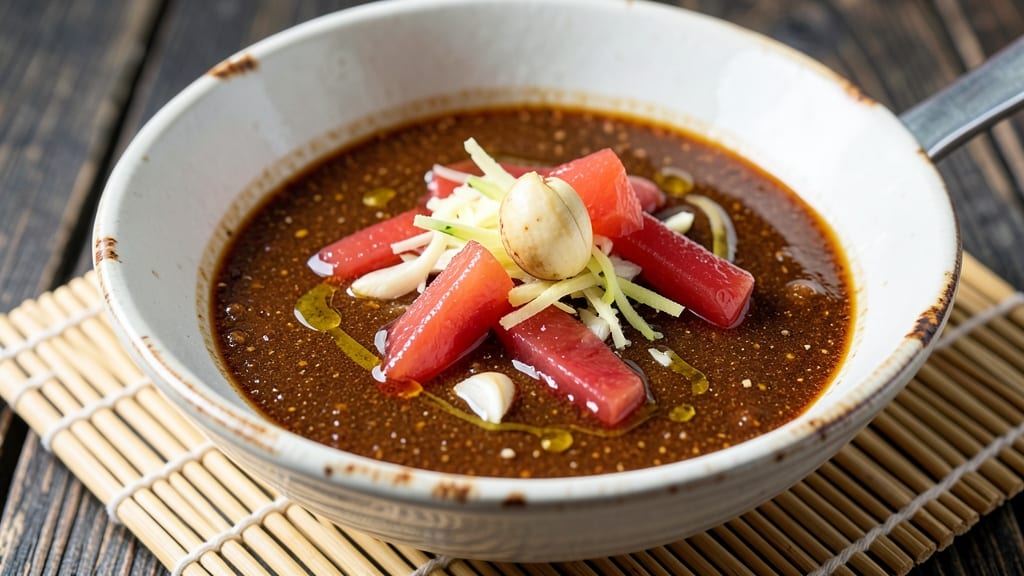
This authentic Hawaiian teriyaki sauce transforms ordinary proteins into restaurant-quality dishes with its perfect balance of sweet, tangy, and umami flavors. 🌺 The secret lies in caramelizing brown sugar and ginger while incorporating pineapple juice for that signature Hawaiian brightness—no artificial flavors or thickeners needed.
I developed this recipe after years of perfecting the art of balancing traditional soy-based teriyaki with tropical influences that make it distinctly aloha-inspired.
The sauce begins with a rich base of soy sauce and brown sugar, which caramelizes beautifully when simmered, creating deep, complex flavors. Fresh ginger and garlic add aromatic depth, while pineapple juice introduces the signature tang that sets Hawaiian teriyaki apart from its Japanese counterpart.
A touch of macadamia nut oil (or vegetable oil) helps create a silky, glossy finish that clings perfectly to grilled meats, roasted vegetables, or even fresh spring rolls.
What makes this sauce truly special is its versatility—use it as a glaze for chicken or salmon, a marinade for tofu or beef, or a dipping sauce for dumplings and fries. The caramelized depth develops even more after 24 hours in the fridge, making it ideal for meal prep.
With just six simple ingredients and 30 minutes of active time, you'll have a sauce that rivals any you've purchased, but with the freshness and authenticity of homemade.
Store it in an airtight container in the refrigerator for up to two weeks, or freeze for up to three months. The flavors only improve with time, so make a double batch—this sauce disappears faster than you can say "aloha." Let's get cooking!
Ingredients for authentic hawaiian teriyaki sauce
Six ingredients transform into a restaurant-quality sauce with tropical aloha vibes.
| Ingredient | Amount | Notes |
|---|---|---|
| Light Soy Sauce 🍶 | ½ cup | Use high-quality, low-sodium preferred |
| Light Brown Sugar 🍯 | ¾ cup | Packed firmly for caramelization |
| Fresh Pineapple Juice 🍍 | ⅓ cup | From fresh pineapple, not canned |
| Fresh Ginger Root 🌿 | 2 tbsp | Finely grated, aromatic |
| Garlic Cloves 🧄 | 4 cloves | Minced for aromatic depth |
| Macadamia Nut Oil 🫒 | 2 tbsp | Or substitute vegetable oil |
| Sesame Oil 🌰 | 1 tsp | Toasted, for nutty aroma |
| Hawaiian Sea Salt 🧂 | ½ tsp | For subtle mineral balance |
The soy sauce and brown sugar are your flavor foundation—Kikkoman light soy is my go-to, but any high-quality brand works. For the pineapple juice, fresh is non-negotiable—canned juice lacks that bright, tangy punch. Ginger and garlic should be freshly grated and minced (no jarred shortcuts here). Macadamia nut oil gives that luxurious finish, but vegetable oil works in a pinch. Toast the sesame seeds lightly before pressing for oil—this adds that nutty aroma that makes it taste authentic. I always double the ginger and garlic because they mellow beautifully during the caramelization process.
No fresh pineapple juice? Freshly squeezed orange juice with a splash of lime mimics the tang, though it won't be identical. Running short on macadamia nut oil? Avocado or grapeseed oil keeps the same neutral profile. The brown sugar should be packed firmly—don't scoop it loosely, or your sauce will be too thin. For a deeper umami kick, add 1 tbsp of fish sauce (traditional in some Hawaiian teriyaki), but skip it if you're avoiding fish. The sesame oil can be swapped for toasted peanut oil for a different nutty depth, though it's less authentic to Hawaiian flavors.
This sauce gets better with time—24 hours in the fridge lets all the flavors meld. Store in an airtight container with a thin layer of oil on top to prevent a skin from forming. Keeps for 2 weeks refrigerated or 3 months frozen. I like to freeze it in ice cube trays for easy single-use portions—just thaw and reheat. The caramelized depth develops over time, so don't be afraid to make a double batch. It disappears faster than you can say 'aloha,' especially when paired with grilled mahi-mahi or teriyaki tofu bowls.
Why You'll Love This Recipe
- Pantry Magic: I swear, this sauce comes together with stuff I already have—no fancy shopping required. Five ingredients, one pot, and zero stress.
- Tropical Glow-Up: That pineapple juice and ginger? They turn basic teriyaki into something bright and alive. It’s sweet, tangy, and just a little funky—like a vacation in a bottle.
- Weeknight Superhero: Slather it on grilled chicken, toss it with stir-fried veggies, or drizzle it over rice—it’s my go-to when I’m too tired for a full recipe. (Yes, even on a Tuesday night.)
- Budget-Friendly Luxury: A little goes a long way, and it keeps for weeks in the fridge. I make a double batch, freeze half, and suddenly takeout feels like a bad memory.
Step-by-step instructions for authentic Hawaiian teriyaki sauce
This sauce delivers the perfect balance of caramelized sweetness and bright tropical notes—just like you'd find in Hawaii.
🍳 Step 1: Bloom the Aromatics in Macadamia Nut Oil
Heat the 2 tablespoons macadamia nut oil in a medium saucepan over medium-low heat. Add the 4 minced garlic cloves and 2 tablespoons finely grated fresh ginger root, stirring constantly for 1-2 minutes until fragrant—you should smell that pungent, citrusy aroma that signals the garlic is just starting to turn golden.
Here's the thing—ginger and garlic burn faster than you think. Watch them closely and remove the pan from heat if they start to darken. We want flavor, not bitterness. Let the aromatics cool slightly for 30 seconds before proceeding—this prevents the sauce from curdling when we add the wet ingredients.
🔥 Step 2: Caramelize the Brown Sugar
Increase heat to medium and add the 0.75 cup packed light brown sugar, stirring constantly with a wooden spoon. Let it cook undisturbed for 3-4 minutes until it turns a deep amber color and smells like a Hawaiian bakery. This caramelization step is where the sauce gets its signature depth—don't rush it.
You'll notice the sugar starts to bubble and form a thick paste. If it begins to stick or burn, reduce heat slightly and keep stirring. The goal is to create a smooth, glossy caramel base that will form the foundation of your sauce. This is the moment that matters: when the sugar transforms from dry crystals to liquid gold.
🥘 Step 3: Combine Wet Ingredients and Simmer
Pour in the 0.5 cup light soy sauce and 0.33 cup fresh pineapple juice, stirring vigorously to dissolve the caramelized sugar completely. Add the 0.5 teaspoon Hawaiian sea salt and bring to a gentle simmer over medium heat. Let it bubble away for 8-10 minutes, stirring occasionally, until the mixture reduces by about one-third and thickens noticeably.
The sauce should coat the back of a spoon and have a syrupy consistency. If it reduces too quickly, reduce heat to low to prevent scorching. Here's where the pineapple juice works its magic—it adds that bright tropical tang that sets this Hawaiian version apart from traditional Japanese teriyaki.
🔪 Step 4: Finish with Sesame Oil for Depth
Remove the sauce from heat and stir in the 1 teaspoon toasted sesame oil. This final touch adds a nutty aroma and rich complexity that elevates the sauce from good to exceptional. Let the sauce rest for 5 minutes—this allows all the flavors to meld together and the sauce to thicken slightly as it cools.
Taste and adjust seasoning if needed. For extra authenticity, I like to add a splash of 1 teaspoon fresh pineapple juice if the sauce seems too thick. The final texture should be glossy yet coatable, with a perfect balance of sweet, salty, umami, and tropical brightness. This sauce keeps well in the refrigerator for up to 2 weeks, making it perfect for batch cooking.
Pro Tips For Making Authentic Hawaiian Teriyaki Sauce
- Simmer Slow and Low: After burning three batches of sauce, I finally learned—keep the heat at a gentle simmer, not a rolling boil. This recipe relies on the sugar caramelizing, and high heat turns it bitter fast. If you’re impatient like me, at least keep it under 30 minutes.
- Grind Ginger Like a Pro: Skip the pre-grated jar—fresh ginger makes all the difference. Use a microplane or finely mince it with a knife; you want it almost paste-like. Too coarse, and the sauce will taste unevenly sharp. (Yes, even if you’re in a hurry.)
- Strain the Pineapple Juice: Blend fresh pineapple, then strain through a fine-mesh sieve to remove pulp. The leftover fiber clogs the sauce and makes it gloppy. I used to skip this, but the texture of the sauce is noticeably smoother when you do.
- Balance the Sugar Early: Taste the sauce after 10 minutes and adjust the brown sugar. Too much later, and you’re stuck with a cloying sweetness. A splash of rice vinegar (¼ cup) at the end cuts through the richness—trust me, it’s the thing that matters most.
Best sauces and condiments for authentic hawaiian teriyaki sauce
Hawaiian-Inspired Glazes
This teriyaki sauce transforms into a sticky, caramelized glaze when reduced further—perfect for grilled mahi-mahi or pineapple-glazed chicken. Brush it on 10-15 minutes before cooking to create a deep amber crust with crackly edges. For extra shine, add 1 teaspoon macadamia nut oil to the glaze before brushing. 🌺
Marinade for Tender Proteins
Use this sauce as a marinade for tofu, beef, or shrimp by combining it with 1 tablespoon toasted sesame seeds and 1 tablespoon honey. Let proteins marinate for at least 2 hours (or overnight for deeper flavor).
The pineapple juice tenderizes while the soy and sugar caramelize during cooking. I love using it on grilled ahi tuna steaks—the sauce clings beautifully and adds a tropical twist.
Dipping Sauce for Spring Rolls
Thin the sauce with 1-2 tablespoons water for a lighter consistency, then drizzle over fresh spring rolls or edamame dumplings. Add a pinch of red pepper flakes for heat or sesame seeds for crunch.
This version works perfectly with store-bought or homemade rolls—just heat the sauce gently before serving to maintain its glossy finish. 🥢
Sweet & Tangy BBQ Sauce
Mix this teriyaki with 1 tablespoon apple cider vinegar and 1 teaspoon smoked paprika to create a Hawaiian-inspired BBQ sauce. Use it on pulled pork sandwiches or as a dip for fried plantains.
The pineapple juice keeps it bright, while the caramelized sugar adds depth. For extra richness, stir in 1 tablespoon melted butter at the end. 🔥
Vegetable Roasting Sauce
Toss sweet potatoes, Brussels sprouts, or broccoli in this teriyaki sauce before roasting at 425°F for 20-25 minutes. The sauce caramelizes into a sticky, flavorful crust that makes even veggies irresistible.
For extra texture, sprinkle with toasted coconut flakes before serving. This is my go-to for weeknight dinners—it’s quick, healthy, and packed with flavor. 🥦
Breakfast Twist: Teriyaki Eggs
Drizzle this sauce over scrambled eggs or french toast for a sweet-savory breakfast. The pineapple and ginger add a tropical kick, while the soy gives it umami depth.
For extra indulgence, top with crispy bacon or avocado slices. It’s a game-changer for lazy mornings—trust me, your taste buds will thank you. 🍳
Nutrition facts
Frequently asked questions
Can I substitute pineapple juice with something else?
Yes! If you don't have fresh pineapple juice, use orange juice with lime (1:1 ratio) for tanginess or apple juice for mild sweetness. For extra brightness, add 1 teaspoon lime zest. Avoid canned pineapple juice—it lacks the fresh acidity that makes this sauce authentically Hawaiian.
Why does my homemade teriyaki turn out too thick or too thin?
Thickness depends on reduction time. For a thicker glaze, simmer 10-12 minutes until syrupy. Too thin? Add 1 teaspoon cornstarch mixed with 1 tbsp water while simmering. The key is patience—let it reduce naturally over medium-low heat to avoid scorching.
How do I make this sauce spicier?
Add ½ teaspoon red pepper flakes or 1 teaspoon sriracha at the end for heat. For smoky depth, stir in ½ teaspoon smoked paprika during the caramelization step. Balance with a splash of pineapple juice if needed—spice levels vary based on protein pairings (e.g., chicken handles heat better than tofu).
Can I use this sauce for vegan dishes?
Swap light soy sauce for tamari or coconut aminos (1:1 ratio) and use vegan macadamia nut oil (if needed). The pineapple and ginger keep it vibrant. It works perfectly on grilled tofu, tempeh, or roasted vegetables. For extra richness, add 1 tbsp tahini at the end.
How can I use up leftover sauce?
Freeze in 1-tablespoon portions for quick glazes or marinades. Thin with water for noodle sauces or mix with mayo for sliders. Even better, reduce it further into a sticky glaze for grilled pineapple or seared scallops. The flavors intensify when concentrated!