
Sauces & Condiments
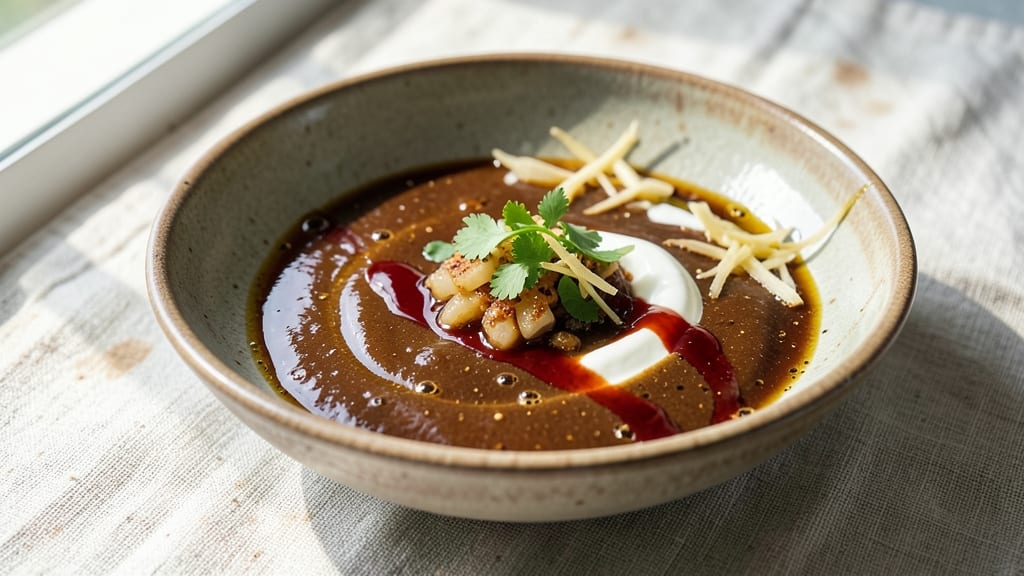
This stir fry sauce recipe delivers that perfect umami-sweet balance using the soy sauce and brown sugar to transform any wok dish into a restaurant-quality masterpiece.
The foundation is simple: soy sauce for deep savory notes and brown sugar for caramelized sweetness, but it's the slow simmer that develops complex layers of flavor.
I've refined this sauce over years of testing—it's the one I reach for when I need that signature wok hei aroma and glossy, sticky finish.
The beauty of this sauce lies in its versatility. You'll start with just five core ingredients, but optional additions like garlic, ginger, and vinegar let you customize it for different dishes.
What makes it truly special is how the brown sugar caramelizes during simmering, creating those beautiful amber hues and rich molasses undertones that elevate every bite. The sauce thickens slightly as it cools, making it ideal for tossing with vegetables or drizzling over proteins.
What you'll end up with is a sauce that's perfectly balanced—salty yet sweet, tangy yet rich—with a glossy sheen that clings beautifully to stir-fried ingredients.
The soy sauce provides that essential umami depth while the brown sugar adds caramelized complexity that cuts through the heat of fresh chiles or the richness of fried noodles. This isn't just a sauce; it's the secret weapon that turns good stir-fries into unforgettable ones.
The best part? This sauce keeps well in the refrigerator for up to two weeks, so you can make a big batch and have it ready whenever wok night calls.
Whether you're cooking classic Chinese stir-fries or modern fusion dishes, this sauce delivers consistent, professional-quality results every time. Let's get started on creating your perfect stir-fry sauce.
Ingredients for stir fry sauce recipe soy sauce brown sugar
Five core ingredients that unlock restaurant-quality wok hei aroma and sticky perfection.
| Ingredient | Amount | Notes |
|---|---|---|
| Light Soy Sauce 🥢 | ½ cup | High-quality, not reduced |
| Dark Brown Sugar 🍯 | ½ cup | Packed firmly, not granulated |
| Rice Vinegar 🍶 | ¼ cup | White or seasoned variety |
| Sesame Oil 🫒 | 2 tbsp | Toasted, not flavored |
| Garlic Cloves 🧄 | 4 cloves | Freshly minced, pungent |
| Fresh Ginger 🌿 | 1 tbsp | Finely grated, peeled |
| Red Chili Flakes 🌶️ | 1 tbsp | Adjust for heat preference |
| Water 💧 | ½ cup | Room temperature preferred |
The soy sauce makes or breaks this sauce—Kikkoman or Lee Kum Kee are my go-tos, but any high-quality light soy works. The brown sugar needs to be dark and packed firmly (none of that loose granulated stuff). Trader Joe's has the best price on both, and I always grab extra. Fresh garlic and ginger are non-negotiable here—they develop that signature wok aroma during simmering. For ginger, peel it first, then grate it while it's cold for maximum punch. The red chili flakes can be adjusted to taste, but I find a little heat helps balance the sweetness beautifully.
No light soy? Dark soy sauce at half the amount works in a pinch, though it'll be richer and darker. Running out of brown sugar? Maple syrup or agave can substitute, but the caramelization won't be identical—expect a slightly different texture. Fresh garlic or ginger too much? Garlic powder and ground ginger at one-third the amount will get you close. The sesame oil is what gives that authentic aroma, so don't skip it—just add it at the very end. For extra depth, a splash of mirin or sake (1 tbsp) can replace some of the vinegar, but it's optional.
This sauce gets better as it sits—make a double batch and store it in a clean jar. Keeps for up to 2 weeks in the fridge, though I usually use it all within 5 days. For longer storage, freeze portions in ice cube trays, then transfer to a bag. The sauce thickens as it cools, so stir well before using. If it gets too thick, just add a splash of water or vinegar to loosen it up. Trust me, you'll want to make this again and again—it's the secret to wok perfection every time.
Why You'll Love This Recipe
- Five-Ingredient Magic: I swear by this combo—just heat the soy sauce and brown sugar until it glistens, then toss in the vinegar and sesame oil. That’s it. No measuring cups, no stress, no second-guessing.
- Sweet-Savory Balance: The brown sugar caramelizes into the soy sauce, giving it this deep, molasses-like richness that cuts through any stir-fry. Honestly, it’s the kind of flavor that makes you pause mid-bite.
- Weeknight Workhorse: I use this on everything—noodles, tofu, even grilled chicken—and it never feels repetitive. The garlic adds a punch, but the vinegar keeps it bright enough for summer or cozy enough for winter.
- Pantry Staple Power: Between us, this sauce is my budget hack: cheap, lasts forever, and turns basic proteins into something special. I make a big batch, store it in the fridge, and it’s always ready when I am.
Step-by-step instructions for stir fry sauce with soy sauce and brown sugar
This sauce delivers restaurant-quality depth with just a few simple steps and precise timing.
Bloom the Aromatics in Sesame Oil
Heat a small saucepan over medium-low heat and add the 2 tablespoons sesame oil. Let it warm for 30 seconds until shimmering but not smoking—this activates the nutty aroma without burning. Add the 4 minced garlic cloves and 1 tablespoon grated fresh ginger, stirring constantly for 1 minute until fragrant and just beginning to color at the edges.
Here's the thing—garlic and ginger burn faster than you think. Watch closely and remove the pan if it starts to smoke. These aromatics form the flavor foundation, so don't rush this step. The oil should coat them like a glossy glaze when properly bloomed.
Combine Wet Ingredients and Simmer
Pour in the 0.5 cup light soy sauce, 0.5 cup packed dark brown sugar, and 0.25 cup rice vinegar all at once. Stir vigorously with a wooden spoon to dissolve the sugar completely—it should melt into the liquid within 1-2 minutes of gentle simmering. Add the 0.5 cup water and bring to a gentle boil over medium heat.
This is where the magic happens. The sugar needs time to caramelize slightly while the vinegar brightens the umami. Let it simmer uncovered for 3-4 minutes until the mixture reduces by about 20%—you'll see it thicken noticeably. The sauce should coat the back of a spoon with a glossy sheen.
Finish with Chili Flakes and Adjust Consistency
Reduce heat to low and stir in the 1 tablespoon red chili flakes, distributing them evenly. Let the sauce simmer for another 2 minutes to integrate the heat without burning the spices. Taste and adjust the balance—if it needs more depth, add another ½ teaspoon light soy sauce; if it's too sweet, a splash of rice vinegar will brighten it.
For the perfect wok sauce consistency, it should coat the back of a spoon but still flow freely. If it's too thick, whisk in 1-2 teaspoons water at a time until it reaches your desired thickness. The final sauce should be glossy, balanced between sweet, salty, tangy, and slightly spicy.
Cool and Store for Maximum Flavor Development
Remove from heat and let the sauce cool to room temperature—this allows the flavors to meld completely. For best results, refrigerate for at least 1 hour before using. The cold temperature helps the sugar crystals form properly, creating a smoother sauce when reheated.
This sauce keeps well in an airtight container in the refrigerator for up to 2 weeks, or you can freeze it for 3 months. When ready to use, gently reheat over low heat and stir until smooth—never boil, as this can make the sugar grainy. The longer it sits, the more complex the flavor becomes, developing layers of umami and caramelized sweetness.
Pro Tips For Making Stir Fry Sauce Recipe Soy Sauce Brown Sugar
- Mince That Garlic: I learned this the hard way—chopping garlic cloves into rough chunks instead of mincing them means you’ll taste big, uneven bits in your sauce. Use a knife or garlic press to get it fine enough to dissolve smoothly into the brown sugar and soy sauce. (Yes, even if you’re impatient like me.)
- Simmer, Don’t Boil: This sauce isn’t soup—don’t let it bubble furiously or the brown sugar will turn bitter and the rice vinegar will evaporate into nothing. Keep it at a gentle simmer, stirring occasionally, until the sugar melts and the garlic softens. Sounds weird, but it works: low and slow keeps the flavors balanced.
- Toast the Sesame Oil: Skip adding sesame oil straight into the sauce—it’ll just sit there like a sad, oily afterthought. Instead, stir in a teaspoon at the very end, off the heat, and let it bloom for 10 seconds. That’s when it releases its nutty aroma and actually tastes like sesame, not just a random drizzle.
- Dissolve the Sugar First: My grandmother swore by this, and she was right: if you toss the brown sugar into cold or lukewarm soy sauce, it’ll clump like a stubborn child. Warm the soy sauce in the pan for 30 seconds first, then add the sugar and stir like you’re trying to win a race. No lumps, every time.
Make-ahead tips for this stir fry sauce recipe soy sauce brown sugar
Batch Prep Strategy
Make a double batch of this sauce—it's perfect for meal prepping. The extra sauce keeps for 2 weeks in the fridge, so you'll always have it ready for quick stir-fries. I store mine in a glass mason jar with a tight-sealing lid to maintain freshness.
The sauce actually improves in flavor as it sits, developing deeper caramelized notes over time. 💛
Freezing for Later
Portion the sauce into ice cube trays before freezing—this makes it easy to thaw just what you need. Once frozen, transfer the cubes to a freezer bag and label it with the date.
Thaw overnight in the fridge before using. The texture remains smooth when reheated properly, and you won't waste a whole batch. I've kept this sauce frozen for 3 months without quality loss.
Reheating Like a Pro
Never reheat this sauce in the microwave—it makes the sugar grainy. Instead, warm it gently in a small saucepan over low heat for 2-3 minutes, stirring constantly. If it thickens too much, add 1 teaspoon water at a time until it reaches a glossy, pourable consistency.
The sauce should be warm but not boiling to preserve its delicate balance of flavors. 🔥
Sauce Consistency Tips
If your sauce thickens too much after refrigeration, simply whisk in 1 teaspoon water or rice vinegar to loosen it. For extra gloss, add ½ teaspoon sesame oil when reheating.
The ideal consistency coats the back of a spoon but still flows freely—this ensures it clings beautifully to stir-fried ingredients. I adjust mine right before using based on the dish.
Flavor Development Timeline
The sauce reaches peak flavor after 24 hours of refrigeration. This is when the brown sugar fully caramelizes and the soy sauce's umami deepens. For best results, let freshly made sauce rest overnight before using.
If you're short on time, refrigerate it for at least 1 hour to let the flavors begin melding. 💡
Versatile Storage Containers
Use airtight glass containers for short-term storage—they preserve flavor better than plastic. For long-term freezing, silicone molds work great because they prevent freezer burn. I avoid metal containers as they can react with acidic ingredients over time. Always leave ½ inch headspace to prevent spills during temperature changes. ❄️
Nutrition facts
Frequently asked questions
Can I use granulated sugar instead of brown sugar?
Yes, but expect a slightly different texture and flavor. Granulated sugar dissolves faster but lacks the deep caramelized notes that make brown sugar special. For best results, use ½ cup dark brown sugar and add ½ teaspoon molasses to mimic the depth. The sauce will be less sticky but still delicious.
How do I adjust this sauce for spicier stir-fries?
Double the red chili flakes to 2 tablespoons for noticeable heat, or add 1 teaspoon sriracha at the end. For extra depth, toast ½ teaspoon coriander seeds in the sesame oil before adding aromatics. Always taste as you go—balance is key!
Why did my sauce turn grainy when I reheated it?
This happens when sugar crystallizes from boiling or improper storage. Prevent it by reheating on low heat and stirring constantly. If it happens, whisk in 1 teaspoon water and ½ teaspoon corn syrup to dissolve the crystals. Always store in glass containers to avoid reactions with plastic.
Can I make this sauce without vinegar?
Yes, but it'll lose some brightness. Replace the ¼ cup rice vinegar with 2 tablespoons lemon juice or 1 tablespoon mirin. The sauce will be slightly less tangy but still balanced. For extra umami, add ½ teaspoon fish sauce (optional but delicious).
What's the best way to use leftover sauce?
Drizzle over noodles, toss with roasted vegetables, or use as a marinade for 10-15 minutes before cooking. It also works beautifully as a dipping sauce for dumplings or spring rolls. For extra richness, add 1 teaspoon toasted sesame seeds when serving.