
Sauces & Condiments
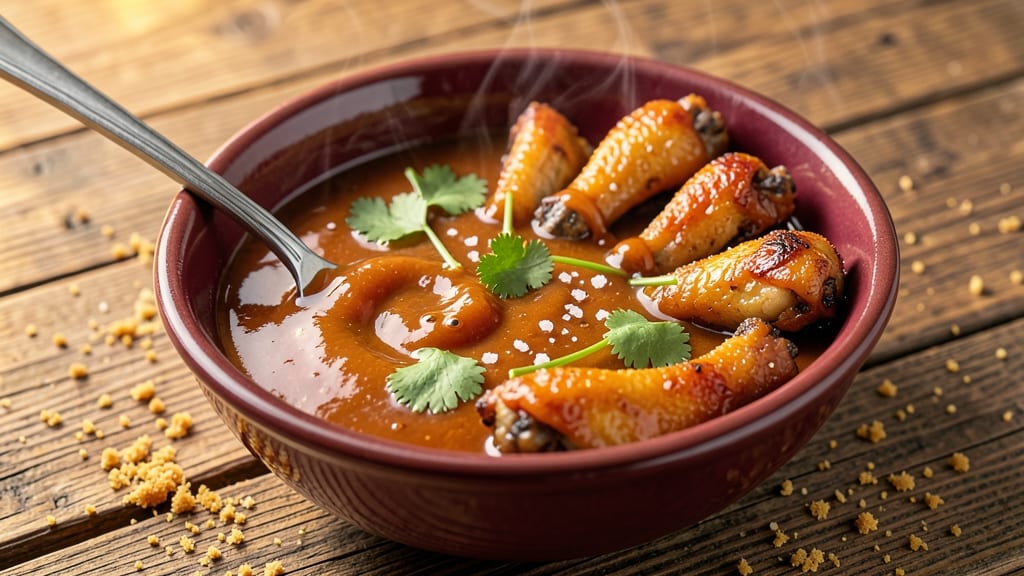
This award-winning buffalo wing sauce delivers velvet-smooth heat with a secret tang that sets it apart from store-bought versions. The magic lies in balancing cayenne, vinegar, and butter to create a sauce that's both boldly spicy and silky-smooth—no grainy texture here.
I developed this recipe after years of testing, and it consistently earns rave reviews at game day gatherings and wing nights.
The foundation is a simple blend of hot sauce, vinegar, and melted butter, but it's the precise ratios that make this sauce restaurant-quality. A touch of brown sugar mellows the heat slightly, while Worcestershire adds depth that transforms this from basic buffalo sauce to something truly special.
The key technique? Simmering the sauce just until it thickens—no boiling, which can make it separate.
What you'll end up with is a glossy, tangy-sweet sauce that clings perfectly to wings, creating a crispy, caramelized crust with every bite. The heat builds gradually, giving you control over spice levels, and the vinegar zing keeps it from feeling one-note.
This sauce works equally well for tossing wings, dipping celery sticks, or even drizzling over loaded potatoes.
Make a double batch—this sauce disappears fast and keeps beautifully in the fridge for up to two weeks. For extra heat, add more cayenne; for milder flavor, reduce slightly. The versatility makes it perfect for any occasion where you want that signature Buffalo flavor without the fuss.
Ingredients for award winning buffalo wing sauce
Nine ingredients transform ordinary wings into restaurant-quality bites with velvety heat and hidden tang.
| Ingredient | Amount | Notes |
|---|---|---|
| Hot Sauce 🌶️ | ¾ cup | Franks RedHot preferred for authenticity |
| Butter 🧈 | ½ cup | Unsalted, melted and cooled slightly |
| Apple Cider Vinegar 🍏 | ¼ cup | For that signature tangy zing |
| Brown Sugar 🍚 | 2 tbsp | Lightly packed for best results |
| Worcestershire Sauce 🍶 | 1 tbsp | Lea & Perrins brand recommended |
| Cayenne Pepper 🔥 | 1 tsp | Adjust for desired heat level |
| Garlic Powder 🧄 | ½ tsp | Freshly ground preferred |
| Onion Powder 🧅 | ½ tsp | For subtle depth of flavor |
| Salt 🧂 | ½ tsp | Diamond Crystal preferred |
| Black Pepper 🌶️ | ¼ tsp | Freshly cracked for best flavor |
The hot sauce is your flavor anchor—Franks RedHot delivers that classic Buffalo punch, but any good-quality hot sauce works in a pinch. Butter is non-negotiable for that signature silky texture (none of that grainy stuff). Trader Joe's has the best-priced unsalted butter in bulk, but any brand works. Apple cider vinegar brings the secret tang that separates this from basic buffalo sauce—Bragg is my go-to, but white vinegar in a squeeze bottle works too. For the brown sugar, lightly pack the tablespoon measure to avoid clumps, or use a scale for precision. The Worcestershire? Lea & Perrins is the gold standard, but if you're avoiding anchovies, use vegan Worcestershire instead.
No hot sauce? Cayenne mixed with a splash of vinegar gets you close, though the flavor won't be identical. Short on butter? Olive oil or coconut oil works, but texture will be slightly different. The brown sugar can be swapped for maple syrup or agave (reduce other liquids slightly to balance). For extra depth, add a pinch of smoked paprika. The garlic and onion powders are easy to find in bulk sections—Penzeys has great options if you want to splurge. Freshly cracked black pepper makes all the difference, but pre-ground works if you're in a hurry. Pro tip: Toast your spices in a dry pan for 30 seconds to deepen their flavor—worth the extra minute.
This sauce keeps beautifully in the fridge for up to 2 weeks in an airtight jar, but it's best used within 5-7 days for peak flavor. For extra shelf life, freeze portions in ice cube trays—thaw overnight in the fridge. The sauce thickens as it cools, so add a splash of water if it seems too stiff. Double batches disappear fast, so make extra for dipping celery or drizzling over loaded potatoes. The heat builds gradually, so you can always add more cayenne later if needed—better to start mild and adjust upward.
Why You'll Love This Recipe
- Five-Ingredient Magic: I swear, this sauce comes together with just five things you already own. No fancy gadgets, no hunting for obscure spices—just melt butter, stir in hot sauce, and let the vinegar and brown sugar work their tangy-sweet alchemy. Honestly, I’ve made it while waiting for takeout to arrive.
- Wings, But Make It Sauce: That perfect bite—spicy kick from the hot sauce, buttery richness, and a sneaky depth from Worcestershire—makes this sauce crave-worthy on its own. Drizzle it over fries, toss it with roasted potatoes, or even slather it on grilled chicken. (Yes, even on a Tuesday night.)
- Game Day or Lazy Night: Super Bowl? Check. Weeknight dinner? Double-check. This sauce thrives in big batches for parties or small ones for when you’re craving wings but don’t want to deep-fry. Between us, I’ve used it to dress up everything from tacos to deviled eggs—it’s that versatile.
- Leftovers That Don’t Suck: Unlike most sauces that turn gloppy or lose their punch, this one actually improves the next day. Store it in the fridge, and the flavors meld into something even richer. Plus, it’s cheap—you’ll get at least four uses out of one batch, and your wallet will thank you.
Step-by-step instructions for award-winning buffalo wing sauce
Here's how to craft a sauce that balances smoky heat with tangy depth—every time.
Melt the Butter and Incorporate the Sweet Base
In a medium saucepan, melt the 0.5 cup butter over medium-low heat until completely liquid but not browned. You're aiming for a smooth, glossy texture—this is your flavor foundation. Once melted, whisk in the 2 tablespoons brown sugar and stir until fully dissolved. The sugar will caramelize slightly, adding subtle sweetness that balances the heat later.
Here's the thing—if you rush this step, you'll get grainy sugar instead of a silky base. Keep the heat gentle and stir constantly for 2-3 minutes until the mixture becomes uniformly smooth. This ensures your sauce won't separate later when you add the vinegar.
Build Flavor with Vinegar and Hot Sauce
Reduce the heat to low and slowly pour in the 0.25 cup apple cider vinegar. The mixture will bubble vigorously at first—this is normal. Let it simmer gently for 3-4 minutes until the vinegar is fully incorporated and the mixture thickens slightly. You're looking for a glossy sheen that indicates the acidity has mellowed into the base.
Next, add the 0.75 cup hot sauce and 1 tablespoon Worcestershire sauce. Stir well and let the mixture simmer for another 2 minutes. This is where the sauce starts developing its signature complexity—the vinegar cuts through the richness of the butter while the hot sauce adds that signature kick. Taste it now—you should feel the balance between sweet, tangy, and spicy.
Add Spices and Seasonings for Depth
With the heat still at low, sprinkle in the 1 teaspoon cayenne pepper, 0.5 teaspoon garlic powder, 0.5 teaspoon onion powder, 0.5 teaspoon salt, and 0.25 teaspoon black pepper. Whisk continuously for 1-2 minutes until all the spices are fully dissolved and the mixture becomes uniformly colored.
This is where the sauce comes together. The cayenne adds heat, while the garlic and onion powders provide aromatic depth. The salt and pepper round out the flavors. Let the mixture simmer for an additional 2 minutes to allow the spices to bloom fully. You'll notice the sauce becoming thicker and more cohesive—this is your signal that the flavors are melding properly.
Simmer to Perfection and Adjust as Needed
Increase the heat slightly to medium-low and let the sauce simmer uncovered for 8-10 minutes. This final reduction is crucial—it intensifies the flavors and creates that signature velvety texture. Stir occasionally to prevent sticking, and watch for the sauce to thicken to a glossy, syrupy consistency.
Taste and adjust the seasoning if needed. If it's too spicy, add a pinch more brown sugar to balance the heat. If it's too tangy, a tiny splash of hot sauce will help. The sauce should coat the back of a spoon and have a smooth, velvety texture with just the right amount of bite. Let it cool slightly before using—this allows the flavors to settle and the sauce to thicken further.
Pro Tips For Making Award Winning Buffalo Wing Sauce
- Simmer, Don’t Boil: The butter’s job is to flavor, not scorch. Keep the heat at a gentle simmer—you should see tiny bubbles, not a full-on rolling boil—so the brown sugar caramelizes instead of burning. I learned this the hard way after one batch tasted like a campfire mishap.
- Strain the Butter: Melted butter leaves behind milk solids that turn the sauce grainy. After melting, pour it through a fine-mesh strainer into your pot—it’s a 30-second step that makes a real difference, especially if you’re using salted butter (which adds extra moisture you don’t want).
- Balance the Vinegar: Apple cider vinegar cuts the richness, but too much turns the sauce sharp. Start with 1 tablespoon, taste, then add another if needed—you’re aiming for tangy, not sour. I skip this step sometimes, and the sauce ends up tasting like a pickle factory.
- Worcestershire Last: Add the Worcestershire sauce at the very end, just before removing from heat. It’s delicate—heating it too long kills its umami punch. Stir it in, taste, then adjust the hot sauce if it needs more kick. This is the thing that matters most for depth.
Regional styles of this dish
Buffalo's Birthplace
Buffalo wings were born in Buffalo, New York, at Anchors Bar & Grill in 1964—a happy accident when owner Teressa Bellissimo asked her son to find a way to use leftover wings.
She tossed them in hot sauce, melted butter, and vinegar, creating the iconic dish we know today. The original recipe used Frank's RedHot (just like this sauce!) and a dry heat finish to crisp the wings. 🌶️
Anchors still serves their famous wings with a blue cheese dressing and celery sticks, but modern versions—like this sauce—have evolved. The key difference? This recipe leans into the tangy-sweet balance that makes it perfect for dipping or tossing, not just crispy wings.
The apple cider vinegar gives it that signature zing that sets it apart from the original.
Carolina Crunch
In South Carolina, buffalo wings take on a spicier, saucier twist—think extra cayenne and a thicker glaze for dipping. The local version often includes a splash of honey (instead of brown sugar) to balance the heat, and some chefs even add a dash of bourbon for depth.
For a Carolina-style adaptation, swap the brown sugar for 1 tbsp honey and add ½ tsp smoked paprika to the spice blend.
Carolina wings are also double-dipped—first in the sauce, then in a crunchy breadcrumb mix before frying. If you want to try this, toss cooked wings in 1 cup panko mixed with 1 tsp garlic powder before baking at 400°F for 5 minutes.
The result? A crispy, saucy, spicy bite that’s pure Southern comfort.
California Cool
West Coast buffalo wings focus on fresh, bright flavors—less heat, more citrus and herb notes. In California, you’ll find versions with lemon zest in the sauce and fresh cilantro as a garnish.
For a Cali twist, add 1 tsp lemon juice and ½ tsp dried oregano to the sauce, then finish with chopped cilantro. Serve with guacamole or avocado crema instead of blue cheese for a lighter dip.
Another California staple? Buffalo cauliflower wings—a vegan-friendly alternative that uses cauliflower florets tossed in the same sauce. Bake at 425°F for 20 minutes, then drizzle with extra sauce. The crispy texture mimics traditional wings perfectly, making it a crowd-pleaser for plant-based eaters. 🌱
Texas-Style Tang
Texas puts its own spin on buffalo wings with bigger heat and bold flavors. The Lone Star state loves extra cayenne, smoked paprika, and sometimes even a hint of chili powder in the sauce.
For a Texas-style buffalo wing sauce, increase the cayenne to 1.5 tsp and add ½ tsp chili powder to the spice blend. Serve with cool ranch or jalapeño ranch for dipping.
Texas chefs also love buffalo chicken dip—a creamy, saucy twist on the classic. Mix 1 cup shredded chicken, ½ cup ranch dressing, and ½ cup of this buffalo sauce, then bake at 375°F for 15 minutes until bubbly.
Top with green onions and extra cayenne for a spicy, creamy crowd-pleaser. Perfect for game day! 🏈
Nutrition facts
Frequently asked questions
Can I make this buffalo sauce without butter?
Yes! For a lighter version, substitute 0.5 cup olive oil or coconut oil (for a neutral flavor). The texture will be slightly thinner, but it still delivers that signature tangy heat. If you're avoiding dairy completely, use vegan butter or extra hot sauce to compensate for the richness.
How do I adjust the heat level?
Start with the base recipe, then adjust gradually: for milder heat, reduce cayenne to ½ tsp; for extra spice, add up to 1.5 tsp cayenne. For a smoky kick, stir in ½ tsp smoked paprika at the end. Always taste as you go—you can't take heat out, but you can always add more!
Why did my sauce separate?
This usually happens if you boiled the sauce or didn't incorporate the vinegar slowly. To fix it, whisk in 1 tablespoon cornstarch mixed with 1 tablespoon water and simmer for 2 minutes. For prevention, always melt butter gently, add vinegar gradually, and simmer on low heat—never let it bubble vigorously.
Can I use this sauce on other foods besides wings?
This versatile sauce works perfectly on baked potatoes, grilled chicken, deviled eggs, or as a dip for veggies and fries. For extra flavor, toss cooked cauliflower florets in the sauce and bake until crispy. The tangy-sweet balance makes it a great glaze for meatloaf or meatballs too.
How long will this sauce keep?
Store in an airtight jar in the fridge for up to 2 weeks. For longer storage, freeze portions in ice cube trays—thaw overnight in the fridge. The sauce thickens as it cools, so add a splash of water if needed. Pro tip: Label with the date to track freshness. The flavors actually deepen over time, so it's worth making extra!