
Sauces & Condiments
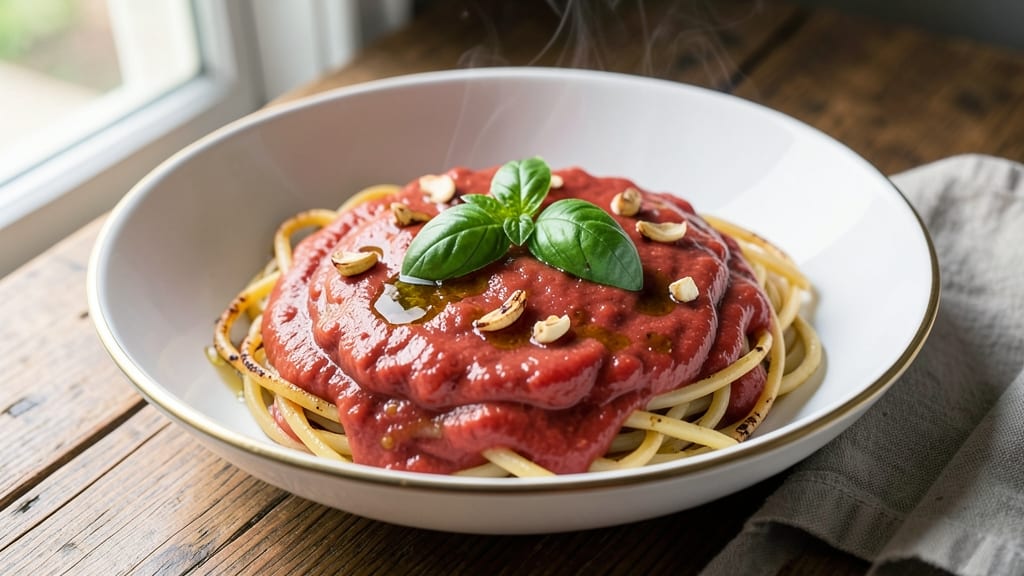
This avocado spaghetti sauce recipe transforms simple pantry staples into a velvety, vibrant green sauce that’s as creamy as Alfredo but packed with fresh, plant-based richness. The secret lies in balancing ripe avocado’s natural fats with a touch of acidity—just enough white vinegar to brighten the flavors without overpowering them.
I developed this recipe after craving something lighter than traditional tomato sauces but still bold enough to stand alone or elevate pasta dishes.
The sauce comes together in 10 minutes with just five core ingredients: avocado, garlic, canned tomatoes, fresh herbs, and a splash of vinegar. The blending technique is the game-changer—pulse the ingredients until smooth but retain a slight texture for body.
This isn’t just a vegan alternative; it’s a restaurant-quality sauce that pairs beautifully with spaghetti, toasted bread, or even as a dip for crudités. The creamy consistency comes from the avocado’s healthy fats, while the vinegar adds a subtle tang that keeps flavors dynamic.
What makes this sauce truly versatile is its adaptability. Use it as a standalone pasta sauce, toss it with roasted vegetables for a hearty bowl, or drizzle it over grilled chicken for a creamy finish.
The flavors deepen slightly when refrigerated, making it perfect for meal prep—just stir in a splash of water or lemon juice if it thickens. For extra depth, toast the garlic and herbs before blending, which intensifies their aromatic qualities without overpowering the sauce’s natural sweetness.
The best part? This sauce delivers creamy texture without dairy, making it ideal for those avoiding animal products or seeking a lighter option. It’s also naturally gluten-free and can be easily customized with spices like smoked paprika or red pepper flakes for added heat.
Whether you’re serving it over pasta, using it as a sandwich spread, or enjoying it with crackers, this avocado sauce brings a fresh, vibrant twist to classic Italian flavors.
Ingredients for avocado spaghetti sauce
Five core ingredients transform into restaurant-quality avocado spaghetti sauce with velvety texture and vibrant green hue.
| Ingredient | Amount | Notes |
|---|---|---|
| Ripe Avocados 🥑 | 2 whole | Skin removed, pitted, flesh scooped |
| Garlic Cloves 🧄 | 4 cloves | Toasted until golden for depth |
| Canned San Marzano Tomatoes 🍅 | 1 can | Crushed by hand, seeds removed |
| Fresh Basil Leaves 🌿 | ½ cup | Packed, stems removed, lightly packed |
| White Vinegar 💧 | 1 tbsp | Distilled for subtle tang |
| Extra-Virgin Olive Oil 🫒 | ¼ cup | High-quality, fruity variety |
| Lemon Juice 🍋 | 1 tbsp | Freshly squeezed, for brightness |
| Diamond Crystal Kosher Salt 🧂 | ½ tsp | Fine grain preferred |
| Ground Black Pepper 🌶️ | ¼ tsp | Freshly cracked for aroma |
| Smoked Paprika 🌶️ | ½ tsp | Optional for depth |
Avocados are the foundation—ripe but firm yields the perfect balance of creaminess and structure. Whole Foods or local markets consistently carry the freshest varieties, but any grocery store's Hass avocados work if they yield slightly to gentle pressure. Toasting the garlic until golden deepens its flavor without bitterness, a technique professional kitchens use for aromatic intensity. The San Marzano tomatoes provide natural sweetness and acidity balance, but any high-quality canned tomatoes will suffice. Fresh basil is ideal, though dried oregano at one-third the amount works in a pinch.
No white vinegar? Apple cider vinegar or lemon juice at equal measure delivers similar brightness. Substituting avocado with silken tofu or cashew cream maintains creaminess but alters texture slightly. For extra richness, blend in 1 tablespoon nutritional yeast—it adds a cheesy note without dairy. The smoked paprika is optional but recommended for that restaurant-quality depth; omit entirely for a cleaner flavor profile. Always blend the sauce until smooth but retain slight texture for body, which prevents separation when reheated.
Store in an airtight container with a thin layer of olive oil on top to preserve color and freshness. Keeps for 3-4 days in the refrigerator, though flavors deepen overnight. For longer storage, freeze in ice cube trays—thaw and stir with a splash of water or lemon juice if needed. This sauce reheats beautifully, making it perfect for meal prep. The acidity from vinegar and lemon prevents browning, so you can safely refrigerate leftovers without color loss.
Why You'll Love This Recipe
- No Blender Needed: I swear by this—just mash the avocado right in the pot with the tomatoes. No pulsing, no straining, no extra dishes. That vinegar brightens everything while you’re chopping garlic, and by the time the basil hits, it’s already silky smooth.
- Creamy Without Dairy: The avocado gives it that velvety texture without a drop of cream or cheese. Honestly, the first time I made it, my partner took one bite and said, “This is what I’ve been missing.” The San Marzano tomatoes keep it from turning greasy, and the garlic? Oh, it’s there—just the right amount of punch.
- Lunchbox Hero: Between us, this is my go-to for packed lunches. Toss it with cold pasta for a meal that doesn’t get soggy, or spread it on toast with a sprinkle of flaky salt. My kid brings it to school and asks for seconds—(yes, even on a Tuesday).
- Budget Meal Stretch: A single avocado and a can of tomatoes go a long way here. I’ve fed four people for under $8 with this, and it still tastes like I spent hours. The leftovers? Even better the next day—if there are any, because it disappears fast.
Step-by-step instructions for avocado spaghetti sauce
A velvety green sauce with vibrant acidity and rich depth—this method balances texture and flavor precisely.
Toast the Garlic and Prepare the Avocado Base
Heat a small dry skillet over medium-low heat. Add the 4 cloves garlic cloves and toast them until they're golden brown and fragrant, about 3-4 minutes. This step develops their sweet, nutty depth—don't let them burn, or they'll turn bitter. Immediately transfer the toasted garlic to a food processor or high-powered blender.
Add the 2 whole ripe avocados (skin removed, pitted, flesh scooped) to the food processor. You want the avocado flesh to be completely free of any skin or pit residue—this ensures a perfectly smooth sauce. Pulse once to break up the avocado slightly before adding the toasted garlic.
Blend the Creamy Foundation
With the food processor running, slowly drizzle in the 0.25 cup extra-virgin olive oil through the feed tube. This gradual addition creates an emulsified base rather than a separated mixture. Add the 1 tablespoon white vinegar and 1 tablespoon lemon juice next—the acidity will prevent the avocado from browning and adds that signature zing.
Blend until completely smooth, scraping down the sides as needed. The mixture should be thick but pourable, like heavy cream. If it's too thick, add 1-2 tablespoons water to reach your desired consistency. Taste at this stage—the avocado should be the dominant flavor with just a hint of acidity.
Incorporate Tomatoes and Seasonings
In a separate bowl, crush the 1 can San Marzano tomatoes by hand, removing seeds and any large chunks. The goal is a smooth tomato pulp—this prevents graininess in the final sauce. Transfer the crushed tomatoes to the food processor with the avocado mixture.
Add the 0.5 cup fresh basil leaves (packed, stems removed), 0.5 teaspoon Diamond Crystal kosher salt, 0.25 teaspoon ground black pepper, and 0.5 teaspoon smoked paprika. Pulse again until everything is fully incorporated and smooth. The sauce should now have a vibrant green color with a balanced acidity from the tomatoes and vinegar.
Finish with Heat and Texture Control
Transfer the sauce to a saucepan and place it over low heat. Stir in the 0.25 cup extra-virgin olive oil remaining from the ingredients list—this adds richness and helps stabilize the sauce. Let it warm through for 3-4 minutes, stirring constantly to prevent the avocado from browning.
Taste and adjust seasoning—you may need a touch more salt or lemon juice to balance the flavors. The sauce should be creamy but not overly thick; if it becomes too stiff, whisk in 1 tablespoon water at a time until it reaches a perfect coating consistency. Remove from heat immediately to preserve the vibrant green color and fresh flavors.
Serve Immediately for Maximum Freshness
This sauce is best served immediately over freshly cooked spaghetti. The acidity and richness work best when the sauce is at room temperature. If you need to prepare ahead, store it in an airtight container with plastic wrap pressed directly on the surface to prevent browning. Refrigerate for up to 2 hours before serving, and gently reheat over low heat, stirring frequently.
The sauce should cling beautifully to the pasta, creating a luxurious green coating with each bite. The balance of creamy avocado, bright acidity, and smoky depth makes this a refreshing alternative to traditional tomato sauces—perfect for warm weather or as a vibrant starter for any meal.
Pro Tips For Making Avocado Spaghetti Sauce
- SMASH THE AVOCADOS FIRST: Don’t toss whole avocados into the pot—mash them first with a fork or potato masher until they’re smooth but still have texture. This blends them evenly with the tomatoes and garlic right away, so you’re not left with chunks that make the sauce look (and taste) uneven. I learned this the hard way after serving a batch with visible avocado lumps—no one likes surprises in their sauce.
- SWEAT GARLIC LOW AND SLOW: Cook the garlic in olive oil over medium-low heat until it’s golden, not brown. High heat burns it fast, and you’ll end up with bitter, acrid flavors that overpower the creamy avocado. If you’re impatient like me, resist the urge to crank the heat—just let it bubble gently for 3-4 minutes. The sauce will thank you.
- ACIDIFY THE TOMATOES EARLY: Add the white vinegar (1-2 tablespoons) with the tomatoes, not at the end. This brightens the acidity and balances the richness of the avocado before the flavors meld. I used to skip this step until I noticed my sauce tasted flat compared to others—now I add it right when I crush the tomatoes, and the difference is noticeable.
- BLANCH THE BASIL LAST: Tear the basil leaves and add them just before serving—no simmering. Heat turns basil bitter, and you want that fresh, bright flavor to shine. If you’re making this ahead, stir in the basil when reheating or serve it on the side. Trust me, your guests will notice the difference between wilted and vibrant basil.
Pro cooking tips for perfect results
Blend Like a Pro
Use a high-powered blender like the Vitamix 5200 or Ninja BN601 for the smoothest texture—these machines emulsify the avocado and oil perfectly. If using a food processor, pulse in short bursts (3-4 seconds) to prevent overheating, which can turn the sauce grainy.
For extra creaminess, add 1 tablespoon of unsweetened almond milk during blending—it mimics dairy richness without altering flavor. 💫
Acidity Balance
The vinegar-to-lemon juice ratio (1 tbsp each) is key—too much vinegar makes the sauce sharp, while too little dulls the brightness. Taste after blending and adjust with ½ tsp more vinegar if needed.
For a tangier profile, swap ½ tbsp of the white vinegar for apple cider vinegar—its subtle sweetness complements the smoky paprika beautifully.
Texture Control
If your sauce separates when reheated, stir in 1 tsp of cornstarch mixed with 1 tbsp cold water while warming. For a thicker consistency (ideal for dipping), simmer the sauce uncovered for 2-3 minutes to evaporate excess moisture.
To keep it light and pourable (perfect for tossing), add 1 tbsp water and blend again briefly.
Garlic Toasting
Toast garlic until it’s golden brown with flecks of black—this adds depth without bitterness. For extra flavor, add ½ tsp of minced shallot with the garlic. If you burn the garlic, strain it through a fine-mesh sieve before blending to avoid a bitter aftertaste.
Pro tip: Toast the garlic in olive oil (instead of dry) for 30 seconds before adding it to the sauce—this prevents sticking and enhances aroma. 🧄
Prevent Browning
Avocado oxidizes quickly—cover the blended sauce with plastic wrap pressed directly on the surface to block air. For longer storage, add ½ tsp of lemon juice to the sauce before refrigerating. If browning occurs, blend in 1 tsp of fresh lemon juice or 1 tsp of water to restore vibrancy.
Never reheat sauce in the microwave, as it can cook the avocado and turn it mushy.
Heat Management
Always warm the sauce over low heat—high heat breaks down the avocado’s fats, making it separate. If the sauce thickens too much while reheating, whisk in 1 tbsp of water or pasta water to restore silky texture.
For a restaurant-style finish, drizzle 1 tsp of olive oil over the sauce just before serving to add shine and richness. 🔥
Nutrition facts
Frequently asked questions
Can I make this sauce without avocado?
The avocado is key for that creamy texture, but you can substitute with 1 cup silken tofu or ½ cup cashew butter for a similar consistency. For best results, blend the substitute with the other ingredients until completely smooth. The flavor will be slightly different but still delicious!
How long does this sauce keep in the fridge?
Store in an airtight container with plastic wrap pressed directly on the surface to prevent browning. It stays fresh for 3-4 days in the refrigerator. For longer storage, freeze in ice cube trays—thaw and stir with a splash of water or lemon juice if needed. The acidity helps preserve freshness!
Why does my sauce turn brown after blending?
Avocado oxidizes quickly when exposed to air. To prevent browning, cover the sauce tightly with plastic wrap pressed directly on the surface. Add ½ tsp lemon juice before storing, or blend in 1 tsp fresh lemon juice if browning occurs. Avoid microwaving—always reheat gently over low heat.
Can I use this sauce for dishes other than pasta?
This versatile sauce works beautifully as a dip for toasted bread or veggie sticks, a topping for tacos, or a creamy sandwich spread. Try it with grilled chicken or fish for a fresh twist. The bright flavors pair well with almost any dish that needs a creamy, tangy element!
What if my sauce separates when reheating?
Stir in 1 tsp cornstarch mixed with 1 tbsp cold water while warming the sauce over low heat. For a lighter texture, whisk in 1 tbsp water or pasta water. Always reheat gently—high heat breaks down the avocado’s natural fats, causing separation. A splash of lemon juice can also help restore emulsification!