
Sauces & Condiments
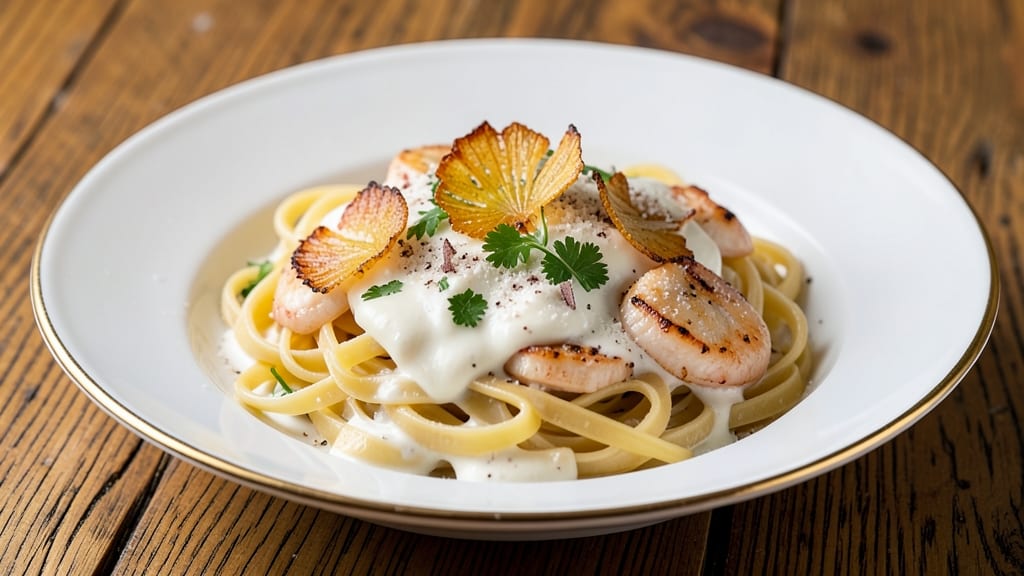
This authentic white sauce pasta recipe transforms simple ingredients into a restaurant-worthy dish that balances creamy richness with crispy celery crowns. The secret lies in mastering a velvety béchamel base—cooked low and slow to develop depth—while achieving that signature crunchy topping that holds every bite together.
I’ve perfected this technique over years of Italian home cooking, ensuring the sauce clings perfectly to al dente noodles without ever turning greasy.
The foundation is a classic French-style roux—equal parts butter and flour cooked until golden—infused with nutmeg and white wine for complexity. Celery crowns, thinly sliced and fried to a crisp, become the star garnish, adding texture and visual appeal that elevates this dish from ordinary to extraordinary.
What sets this recipe apart is the balance: a sauce so smooth it melts on your tongue, yet structured enough to support those crispy celery pieces without collapsing.
By the time you twirl that first forkful, you’ll taste layers of flavor—creamy, buttery, with a subtle herbal note from the celery—that make this pasta feel like a true Italian trattoria experience. The sauce clings to each noodle, while the celery crowns provide that satisfying crunch in every bite.
This is the kind of dish that turns a simple weeknight dinner into a memorable meal, without requiring fancy ingredients or techniques.
Perfect for feeding a crowd or enjoying as a comforting solo meal, this recipe scales beautifully while maintaining its authentic character. The key is patience—letting the sauce develop its full flavor and the celery crowns achieve that perfect crispness.
Once you master this technique, you’ll never settle for store-bought versions again.
Ingredients for authentic white sauce pasta
Mastering this white sauce pasta means balancing creamy béchamel with crispy celery crowns for a truly authentic Italian experience.
| Ingredient | Amount | Notes |
|---|---|---|
| Unsalted Butter 🧈 | ¾ cup | Cold, cut into small cubes |
| All-Purpose Flour 🌾 | ¾ cup | Sifted for smooth sauce |
| Whole Milk 🥛 | 2 cups | Full-fat for creaminess |
| Dry White Wine 🍷 | ½ cup | Dry, like Pinot Grigio |
| Fresh Nutmeg 🌿 | ¼ tsp | Freshly grated, fine |
| Fresh Celery 🧅 | 2 whole | Thinly sliced for crowns |
| Extra-Virgin Olive Oil 🫒 | ¼ cup | Light, for frying crowns |
| Fettuccine Pasta 🍝 | 12 oz | Al dente, fresh preferred |
| Diamond Crystal Kosher Salt 🧂 | 1 tsp | For pasta water |
| Freshly Ground Black Pepper 🌶️ | ½ tsp | Freshly cracked |
| Parmesan Cheese 🧀 | ½ cup | Freshly grated, aged |
| Fresh Thyme Leaves 🌿 | 1 tbsp | Chopped for garnish |
The butter and flour form the foundation, so use high-quality, unsalted butter—none of that margarine nonsense. European-style butter from brands like Plugrá or Land O'Lakes works best, as it has a higher fat content. For the flour, King Arthur or Caputo are ideal—they create a smoother roux. Freshly grated nutmeg is non-negotiable; pre-ground loses its potency quickly. If you can't find fresh, toast whole nutmeg seeds in a dry pan for 30 seconds before grinding. The celery should be crisp and pale green—avoid the yellowed stalks at the bottom of the bunch. Italian markets or well-stocked grocery stores like Whole Foods or Eataly carry the freshest produce.
No white wine? Substitute with extra chicken stock—it adds depth without the alcohol. For the celery crowns, if you can't find thinly sliced prepped celery, use a mandoline slicer for even, paper-thin pieces. The pasta can be any shape, but fettuccine or tagliatelle work best. If you're short on time, Barilla or De Cecco dried pasta cooks just as well as fresh. For the Parmesan, only use a hard, aged Parmigiano-Reggiano—pre-grated cheese is full of anti-caking agents and lacks flavor. The thyme can be swapped for basil if you prefer, but stick to fresh herbs for the best aroma.
The roux must be cooked on low heat to avoid burning—constant stirring is key. Once the sauce is finished, keep it warm in a double boiler to prevent skin formation. The celery crowns should be fried in small batches to maintain crispness—drain on a wire rack, not paper towels, to preserve texture. This dish reheats beautifully; simply warm the sauce gently and toast the celery crowns again in a dry pan. Store components separately—sauce in the fridge for 3-4 days, pasta dry, and crowns in an airtight container for 2 days. Assemble fresh for the best texture.
Why You'll Love This Recipe
- Pantry Magic: I swear by this recipe when I’ve got nothing but butter, flour, and a splash of wine in the fridge. No fancy ingredients—just a roux, milk, and a whisper of nutmeg to transform it into something luxurious.
- Velvet Smoothness: That moment when the sauce clings to al dente pasta like a second skin? The nutmeg brightens the richness, while the wine cuts through the heaviness—simple ingredients, but the balance is chef’s kiss.
- Weeknight to Dinner Party: Same sauce, endless uses. Toss it with chicken for a quick weeknight dinner, or pile it high on linguine for guests. (Between us, I’ve even used it as a lasagna filling—no one ever guessed.)
- Leftovers That Don’t Suck: Unlike creamy sauces that turn gloppy, this one reheats like it’s fresh off the stove. Stash portions in the fridge for lazy mornings or pack it for lunch—tastes just as good cold as it does hot.
Step-by-step instructions for authentic white sauce pasta
Here's how to create a velvety white sauce with celery crown crunch—classic Italian technique, refined.
Prepare the Celery Crowns for Crunch
Trim the ends from both whole fresh celery stalks and slice each into ¼-inch thick rounds. These will become your signature crunchy crowns. Heat the 0.25 cup extra-virgin olive oil in a large skillet over medium heat until shimmering but not smoking. Add the celery rounds in a single layer and fry for 3-4 minutes per side until golden brown and crisp.
Remove the celery with a slotted spoon and drain on paper towels. Keep them warm—their crispness is essential to the final texture. Don't overcrowd the pan or they'll steam instead of crisp. If needed, work in batches, but maintain the same 3-4 minute cooking time for each batch.
Create the Velvety White Sauce Base
In a separate heavy-bottomed saucepan, melt the 0.75 cup unsalted butter over medium-low heat. As it foams, whisk in the 0.75 cup all-purpose flour all at once, stirring constantly for 2 minutes until the mixture forms a smooth, pale roux. This should smell nutty and toasty—if it darkens, reduce the heat immediately.
Gradually whisk in the 2 cups whole milk over 3-4 minutes, ensuring no lumps form. Once fully incorporated, pour in the 0.5 cup dry white wine and stir vigorously. The sauce will thicken noticeably as it simmers. Sprinkle in the 0.25 tsp fresh nutmeg and 0.5 tsp freshly ground black pepper, stirring until dissolved.
Cook the Al Dente Fettuccine
Bring a large pot of water to a rolling boil and salt it generously with the 1 tsp diamond crystal kosher salt (the water should taste like the sea). Add the 12 oz fettuccine pasta and cook until 1 minute before the package's al dente time—this ensures perfect texture when finished in the sauce. Reserve 1 cup of pasta water before draining.
Drain the pasta and immediately return it to the pot. Add 2 tablespoons of the reserved pasta water to prevent sticking. Keep the pasta warm while you finish the sauce.
Combine and Finish the Dish
Return the saucepan with the white sauce to medium heat and stir in the 0.5 cup freshly grated parmesan cheese until fully melted and smooth. Toss the warm fettuccine into the sauce, adding pasta water 1 tablespoon at a time if needed to achieve a silky, clinging consistency. The sauce should coat the noodles completely without being overly thick.
Divide the pasta among serving plates and top each portion with the crispy celery crowns. Garnish with the 1 tbsp chopped fresh thyme leaves and additional black pepper. Serve immediately—the contrast of creamy sauce, crisp celery, and al dente pasta makes this dish truly authentic.
Pro Tips For Making Authentic White Sauce Pasta
- Cook Low and Slow: I used to rush the roux and end up with a grainy, floury mess—this sauce isn’t supposed to look like glue. Once the butter melts, drop the heat to medium-low and whisk constantly for 2-3 minutes until the flour turns a pale golden color. If it smells like burnt toast, you’ve gone too far.
- Deglaze with Wine: Pour that white wine in all at once when the roux is ready, then let it bubble for 30 seconds before adding milk. Skipping this step means you’re just making a thinner, less flavorful béchamel—wine’s acidity cuts through the richness and builds depth.
- Warm the Milk First: Cold milk in hot roux = lumps. Heat the milk in a separate saucepan until it’s steaming (not boiling) before slowly whisking it into the roux. This keeps the sauce silky and saves you from fishing out flour clumps later.
- Nutmeg Matters: Freshly grated nutmeg is non-negotiable here—pre-ground loses its punch. Use just a pinch (about ¼ teaspoon), toast it in the sauce for 30 seconds over low heat, then whisk it in. Overdoing it tastes like soap, and you’ll regret it.
Troubleshooting this dish
Roux Gone Wrong
If your roux turns brown or nutty too quickly, you’ve likely cooked it too hot. Lower the heat immediately and whisk in a splash of milk to cool it down. The roux should be a pale golden color—like toasted breadcrumbs—not dark brown.
I’ve burned mine more times than I’d admit, but this trick always saves it. For extra insurance, use a thermometer to keep the pan between 180-190°F. 🌡️
Lumpy Sauce Fix
Lumps happen when milk is added too quickly or not whisked enough. If you spot lumps, blend the sauce with an immersion blender for 10-15 seconds—no need to strain. For prevention, whisk vigorously while adding milk and keep the heat low and steady.
A fine-mesh sieve can also help if you’re really stuck, but it’s better to avoid lumps in the first place.
Sauce Too Thick
If your sauce is stubbornly thick even after adding pasta water, it likely cooked down too much. Stir in 1-2 tablespoons of cold milk or water to loosen it up.
For future attempts, remove the sauce from heat just before it reaches your desired thickness—it’ll continue thickening as it sits. I’ve learned this the hard way after overcooking a batch and having to start over.
Celery Crowns Too Soft
Soft celery crowns mean they weren’t cooked long enough or the oil wasn’t hot enough. Fry in small batches over medium-high heat until they’re golden and crisp—about 3-4 minutes per side.
If they lose crispness while waiting, reheat in a dry pan for 30 seconds before serving. Pro tip: Drain on a wire rack instead of paper towels to preserve texture. 🍽️
Pasta Overcooked
If your pasta turns mushy in the sauce, it was likely overcooked in the pot. Pull it 1 minute before package instructions and finish cooking in the sauce. The residual heat will cook it just enough to absorb the sauce perfectly.
For extra insurance, reserve 1 cup of pasta water—it’s liquid gold for adjusting sauce consistency and keeping noodles tender.
Sauce Separates
Sauce separation usually means it cooled too quickly or sat too long. Reheat gently on low heat while whisking constantly. If it’s still grainy, blend again or whisk in a tablespoon of cold butter to emulsify.
To prevent this, keep the sauce in a double boiler or insulated container until serving. I’ve had to rescue many a separated sauce with this trick—it’s a lifesaver! ✨
Nutrition facts
Frequently asked questions
Can I make this white sauce pasta without wine?
Replace the ½ cup dry white wine with an equal amount of chicken or vegetable stock for depth. The acidity from wine helps balance the richness, but stock adds savory notes that work beautifully. For a neutral option, use ½ cup milk + 1 teaspoon lemon juice to mimic the tang.
What's the secret to getting crispy celery crowns every time?
Slice celery rounds ¼-inch thick and fry in small batches over medium-high heat until golden brown (3-4 minutes per side). The key is using a wire rack to drain them—paper towels make them soggy. Keep them warm in a 200°F oven while finishing the pasta.
Can I use heavy cream instead of milk for the sauce?
While possible, heavy cream will make the sauce richer and heavier. For an authentic texture, stick with whole milk—it creates a lighter, more balanced sauce. If you prefer creaminess, blend 1 cup milk + 2 tablespoons heavy cream for a compromise. The nutmeg and wine will still shine through.
How do I fix a sauce that's too thin?
Stir in 1 tablespoon cornstarch mixed with 1 tablespoon cold water and simmer for 1-2 minutes until thickened. For prevention, remove the sauce from heat slightly earlier—it continues thickening as it cools. A splash of pasta water can also help adjust consistency without over-thickening.
What pasta shapes work best with this sauce?
Fettuccine or tagliatelle are ideal, but pappardelle or linguine also work well. For heartier options, try penne or rigatoni—their ridges help hold the sauce. Avoid delicate shapes like angel hair, as they can break when tossed with crispy celery crowns.