
Sauces & Condiments
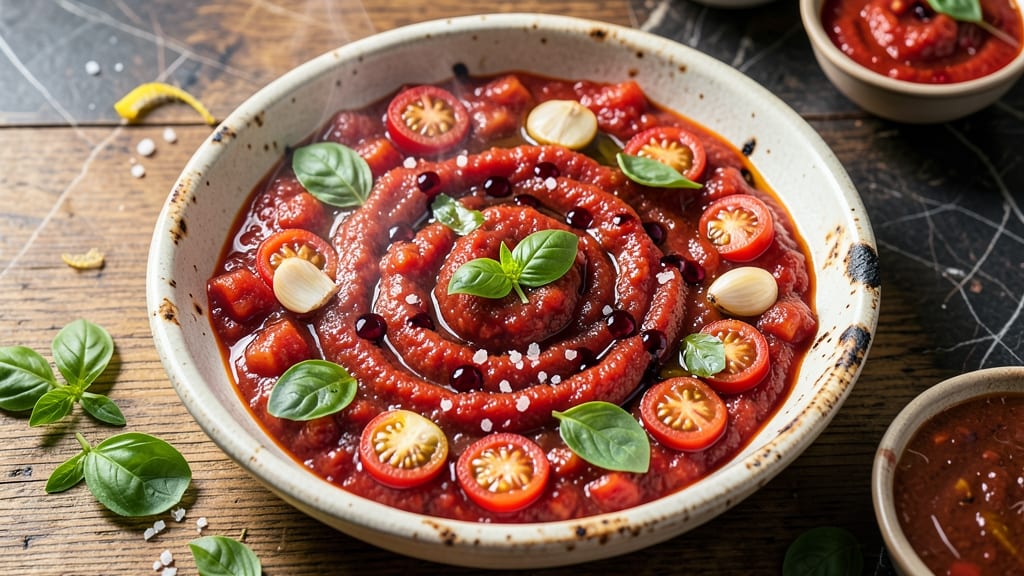
This authentic pizza sauce recipe transforms fresh tomatoes into a vibrant, herby base that captures the true essence of Neapolitan-style pies. The secret lies in balancing sweetness, acidity, and bright herbs while simmering the sauce just enough to concentrate flavors without losing freshness.
I developed this recipe after realizing store-bought sauces could never match the depth of homemade—especially when made with ripe, vine-ripened tomatoes.
The process is straightforward yet precise: you'll blend tomatoes with garlic, olive oil, and fresh basil, then simmer until the flavors meld into a smooth, glossy consistency. No sugar or artificial additives are needed—just the natural sweetness of the tomatoes and a touch of salt to enhance their flavor.
This sauce delivers that perfect balance of tangy, slightly sweet, and herby notes that make every homemade pizza unforgettable.
What sets this sauce apart is its versatility—it works equally well for classic Margherita pies, meat-loaded deep dishes, or even as a marinade for grilled vegetables.
The fresh tomato base ensures a bright, vibrant flavor that won't turn bitter over time, and the herbs add a fragrant depth that store-bought versions simply can't replicate. The result is a sauce that's as close to authentic as you'll get without traveling to Italy.
Once you taste the difference, you'll never go back to jarred pizza sauce again. The best part? This recipe makes enough for multiple pies, so you can enjoy homemade pizza night after night without the hassle of frequent shopping trips. Let's get started on creating your perfect pizza sauce foundation.
Ingredients for authentic pizza sauce recipe with fresh tomatoes
Fresh tomatoes, aromatic herbs, and a touch of acidity—this is your Neapolitan-style sauce foundation.
| Ingredient | Amount | Notes |
|---|---|---|
| Fresh Vine-Ripened Tomatoes 🍅 | 3 lb | Ripe, juicy, and preferably heirloom |
| Extra-Virgin Olive Oil 🫒 | ½ cup | High-quality, fruity variety |
| Garlic Cloves 🧄 | 6 cloves | Fresh, peeled, roughly chopped |
| Fresh Basil Leaves 🌿 | 1 cup | Packed, stems removed |
| Red Wine Vinegar 🍷 | 2 tbsp | For acidity balance |
| Kosher Salt 🧂 | 1 ½ tsp | Diamond Crystal preferred |
| Fresh Oregano Leaves 🍃 | ¼ cup | Or 1 tbsp dried oregano |
| Granulated Sugar 🍬 | 1 tsp | Enhances natural tomato sweetness |
The tomatoes are everything here—vine-ripened makes all the difference. Hit up your local farmers market for the sweetest, juiciest ones (or grab Heirloom tomatoes from Whole Foods if you're in a pinch). The basil and oregano should be fresh—dried works in a bind, but nothing beats the bright, fragrant flavor of fresh. For the olive oil, California extra-virgin brands like Corto or Otto add a peppery depth that store-bought can't match. And that garlic? Freshly peeled and chopped right before blending—no pre-minced garbage here.
No vine-ripened tomatoes? Roma tomatoes are your next best bet—they're meatier and less watery. Short on fresh basil? Dried basil at one-third the amount works, but you'll miss that fresh aroma. The sugar is optional (trust me, the tomatoes' natural sweetness is enough), but if yours are tart, add it gradually. For extra umami, toss in 1/4 tsp of red pepper flakes—it'll add a subtle kick. And if you're feeling fancy, a splash of balsamic vinegar (1 tbsp) deepens the flavor profile without overpowering.
This sauce keeps beautifully—5-7 days in the fridge or 6 months frozen. For freezing, portion into ice cube trays first, then transfer to a sealed bag. The flavor actually improves after a few days as the ingredients meld. Double the batch—you'll want it for more than just pizza. Spread it on garlic bread, drizzle over grilled veggies, or use as a marinade. Every drop is worth it once you go homemade.
Why You'll Love This Recipe
- No Chopping Needed: I’ll admit, I used to dread chopping tomatoes—messy, uneven, always a few seeds left behind. This sauce just calls for a quick roast or blitz of whole tomatoes, and suddenly, dinner’s on its way without the cleanup.
- Sunshine in a Jar: That first taste of roasted tomatoes, brightened with a splash of red wine vinegar and a glug of good olive oil? It’s the kind of flavor that makes you pause mid-bite. The garlic and basil sing, but it’s the vinegar that keeps it from being too heavy—like a summer breeze in every spoonful.
- Weeknight to Party: Between us, this sauce is my secret weapon for lazy nights and impressing guests. Toss it on pizza, drizzle it over grilled chicken, or use it as a marinade for roasted veggies. It’s the one pantry staple that never lets me down, no matter the occasion.
- Lasts All Week: Honestly, I make a big batch and forget about it until Sunday. The vinegar keeps it fresh for days, and the olive oil adds richness that doesn’t go stale. Plus, it’s cheaper than store-bought—just tomatoes, oil, and a little patience. My wallet (and my freezer) thank me.
Step-by-step instructions for authentic pizza sauce with fresh tomatoes
Here's how to craft a vibrant, herby tomato base that brings authentic Italian flavor to your homemade pies.
Roast the Tomatoes for Deep Flavor
Preheat your oven to 425°F and line a baking sheet with parchment paper. Cut the 3 lb fresh vine-ripened tomatoes into quarters, removing the cores. Arrange them cut-side down on the prepared sheet, leaving space between each piece. This allows them to roast evenly and develop concentrated sweetness.
Roast for 25-30 minutes until the tomatoes collapse slightly and their edges begin to brown. You'll notice the skin darkening and the flesh softening—this is when their natural sugars caramelize and their acidity mellows. The aroma will fill your kitchen with that unmistakable tomato perfume. Let them cool completely before processing.
Blend the Roasted Tomatoes
Transfer the cooled tomatoes to a food processor or high-powered blender. Add the 6 cloves garlic cloves, 1 cup fresh basil leaves, 0.25 cup fresh oregano leaves, 1 tsp granulated sugar, and 1.5 tsp kosher salt. Pulse just until everything is combined—you want a slightly textured sauce with visible herb flecks that will release their flavors as the pizza bakes.
This texture is crucial for authentic pizza sauce. Too smooth and it loses character; too chunky and it doesn't coat properly. Taste the mixture—you should detect bright tomato sweetness balanced by the herbs' earthy notes. If needed, add a splash of water to loosen the texture to your preferred consistency.
Simmer for Balanced Flavor
Transfer the blended mixture to a heavy-bottomed saucepan and set it over medium-low heat. Slowly stir in the 0.5 cup extra-virgin olive oil while whisking constantly to emulsify the sauce. Add the 2 tbsp red wine vinegar and bring to a gentle simmer. Let it cook uncovered for 15-20 minutes, stirring occasionally.
During this time, the sauce will reduce slightly and deepen in flavor. You'll notice the oils from the tomatoes and olive oil separate slightly—this is normal. The vinegar brightens the acidity while the sugar enhances the tomatoes' natural sweetness. The sauce should coat the back of a spoon smoothly but still have body. Taste and adjust seasoning with additional salt if needed.
Cool and Finish
Remove the sauce from heat and let it cool completely at room temperature. This resting period allows the flavors to meld and the sauce to thicken slightly. Once cooled, give it a final taste and adjust the seasoning—perhaps a pinch more salt or a few torn basil leaves for freshness. The sauce should be vibrant red with visible herb flecks and a balanced taste of tomato, garlic, and herbs.
For best results, use the sauce immediately on your pizza dough. If storing, transfer to an airtight container and refrigerate for up to 5 days. The flavor actually improves slightly after resting overnight as the ingredients continue to marry. When ready to use, bring the sauce to room temperature before spreading on your pizza for even distribution and perfect browning.
Pro Tips For Making Authentic Pizza Sauce Recipe With Fresh Tomatoes
- Cook Tomatoes Low and Slow: Skip the blender and simmer whole tomatoes in a heavy pot until they collapse—about 20-25 minutes at a gentle boil. This draws out natural sweetness and thickens the sauce without turning it mushy (yes, even if you’re impatient like me).
- Peel Garlic in Hot Oil: Toss minced garlic into the olive oil first, then heat just until it fragrant—about 30 seconds. Overcooking burns it into bitter ashes, and that’s the last thing you want in a bright tomato sauce.
- Salt the Tomatoes Early: Add a pinch of salt to the raw tomatoes before cooking. It softens them faster and prevents a bland, watery sauce later—no need to overcorrect with extra salt at the end.
- Add Vinegar Last: Stir in red wine vinegar just before serving to brighten the sauce without cooking it off. Too early, and you’ll lose that fresh, tangy punch that makes the sauce pop.
Serving suggestions for leftovers
Classic Pizza Pairings
This vibrant sauce shines brightest with a Margherita pizza—topped with fresh mozzarella, sliced San Marzano tomatoes, and fresh basil. The sauce's herby notes complement the creamy cheese perfectly, creating that iconic Italian balance.
For a meat lover's twist, try it with pepperoni, spicy salami, or crispy pancetta. The sauce's acidity cuts through the richness beautifully. 🍕
Unexpected Sauce Uses
Don’t limit this sauce to pizza! Use it as a dipping sauce for garlic bread or bruschetta—just spread on toasted baguette slices with a sprinkle of Parmigiano-Reggiano. It also elevates grilled chicken or steak as a marinade, adding depth to proteins.
For a quick weeknight dinner, toss it with pasta and top with pecorino cheese and black pepper. The possibilities are endless!
Cheese Matching Guide
The sauce’s bright acidity pairs best with creamy, mild cheeses like fior di latte or burrata for Margherita-style pies. For heartier options, try fontina or Gorgonzola dolce for a tangy contrast.
Avoid overly sharp cheeses like Pecorino Romano—they’ll clash with the sauce’s delicate herbs. If using ricotta, blend it into the sauce before spreading to prevent tearing when baking. 🧀
Beverage Pairings
A crisp Italian Pinot Grigio or Vermentino complements the sauce’s herbal brightness, cleansing your palate between bites. For beer lovers, a light Italian lager like Peroni or a Belgian witbier adds effervescence.
Avoid heavy reds—they’ll overpower the sauce’s freshness. For a non-alcoholic option, sparkling water with lemon keeps the meal refreshing. 🍷
Garnish Ideas
Finish your pizza with fresh basil leaves or thinly sliced arugula for a peppery kick. A drizzle of extra-virgin olive oil and a sprinkle of flaky sea salt adds gourmet flair. For heat, add red pepper flakes or a few drops of hot honey.
If you love umami, top with crispy prosciutto or sun-dried tomatoes. These garnishes elevate the sauce’s natural flavors without overpowering them. 🌿
Nutrition facts
Frequently asked questions
Can I use canned tomatoes instead of fresh?
While fresh tomatoes deliver the brightest flavor, you can use canned tomatoes in a pinch. Opt for San Marzano tomatoes (the gold standard) and skip the roasting step. Simmer the canned tomatoes with their juices for 10-15 minutes to concentrate the flavors. Reduce the olive oil to 2 tablespoons since canned tomatoes are less watery. The result won't be identical, but it'll still be delicious!
Why does my homemade sauce taste bitter?
Bitter flavor usually means the tomatoes were overcooked or underripe. Always use fully ripe, vine-ripened tomatoes—they're sweeter and less acidic. If you've already made the sauce, balance bitterness by adding 1 teaspoon sugar or 1 tablespoon red wine vinegar to brighten the flavor. For future batches, roast tomatoes at 400°F instead of 425°F to preserve sweetness.
How do I adjust the thickness for different pizza styles?
For Neapolitan-style pizza, keep the sauce thin and glossy—just enough to coat the dough lightly. For New York-style pies, thicken it by simmering uncovered for 5 extra minutes or adding 1 tablespoon tomato paste. If too thick, thin with 1 tablespoon water or white wine. The sauce should be spoonable but not gloppy—it'll thicken further as it bakes.
Can I make this sauce without garlic?
Yes, but the flavor will be noticeably milder. If you're avoiding garlic, increase the basil to 1.5 cups and add 1/4 teaspoon onion powder for depth. The sauce will still work well, though traditional recipes rely on garlic's aromatic sweetness to balance the tomatoes' acidity. For a garlic-free version, try adding 1/2 teaspoon fennel seeds during blending for a subtle herbal note.