
Sauces & Condiments
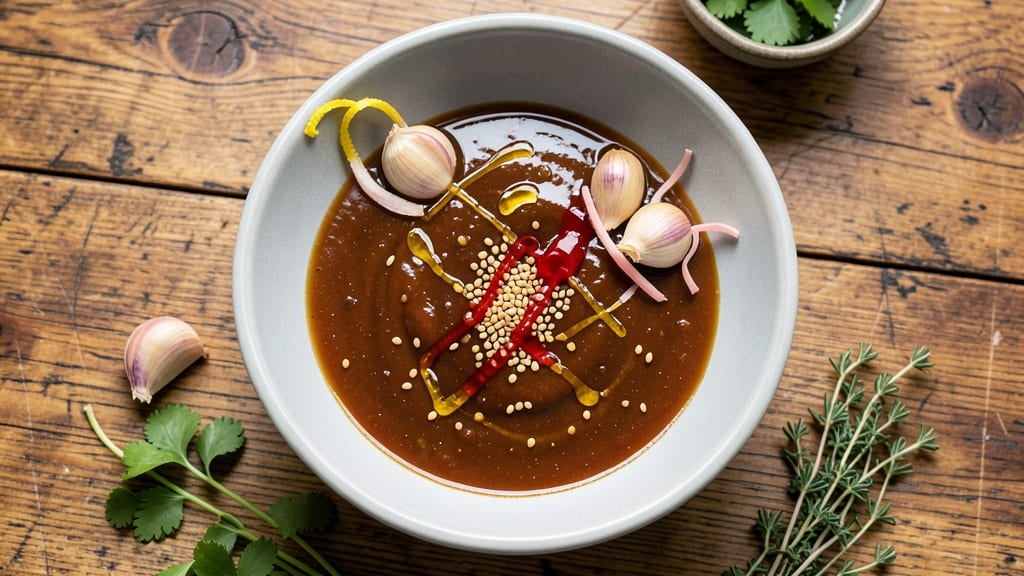
This Asian soy dipping sauce recipe transforms simple pantry staples into a versatile, umami-rich sauce that elevates every stir-fry, dumpling, or grilled dish. The perfect balance of salty, tangy, and slightly sweet flavors comes together in just 15 minutes, with ingredients you likely already have.
I developed this recipe after years of testing sauces that either fell flat or overpowered delicate foods—this one gets it just right.
The foundation is classic soy sauce, but the magic happens with fresh garlic, ginger, and a touch of sweetness that rounds out the bold flavors. A quick simmer reduces the sauce to the ideal consistency—thin enough to drizzle but thick enough to cling to crispy edges.
The result? A sauce that’s restaurant-quality at home, with enough depth to stand up to rich meats or light vegetables.
What makes this sauce truly special is its adaptability. Use it as a dipping sauce for spring rolls, a marinade for grilled chicken, or a glaze for roasted vegetables. The flavors develop even better after chilling, so it’s perfect for meal prep.
Store it in the fridge for up to two weeks, or freeze for longer shelf life.
Whether you're serving takeout-style dishes or elevating a simple weeknight meal, this sauce delivers bold, balanced flavor without the fuss. Let’s make it—your taste buds will thank you.
Ingredients for asian soy dipping sauce
Pantry staples meet bold Asian flavors in this quick, restaurant-worthy sauce.
| Ingredient | Amount | Notes |
|---|---|---|
| Soy Sauce 🍶 | ½ cup | Light or dark, your choice |
| Rice Vinegar 🍶 | ¼ cup | White or seasoned preferred |
| Sesame Oil 🫒 | 1 tbsp | Toasted for nutty aroma |
| Garlic Cloves 🧄 | 4 cloves | Freshly minced, not jarred |
| Fresh Ginger 🌿 | 1 tbsp | Finely grated, peel on |
| Honey 🍯 | 1 tbsp | Or maple syrup for vegan |
| Sesame Seeds 🌰 | 1 tbsp | Toasted lightly for crunch |
| Cornstarch 🌾 | ½ tsp | For thickening consistency |
| Red Pepper Flakes 🌶️ | ½ tsp | Adjust for heat preference |
| Water 💧 | ¼ cup | For thinning if needed |
The soy sauce is the heart of this recipe—Kikkoman or La Choy are my go-tos, but any good-quality brand works. If you've got dark soy sauce, use half light and half dark for depth. Fresh garlic and ginger are non-negotiable here; jarred minced garlic lacks the punch. For ginger, grab the root and grate it yourself—pre-grated loses flavor fast. The sesame oil adds that nutty aroma, so don't skimp. I always grab mine from Trader Joe's—cheaper than the tiny bottles at regular stores and lasts forever.
No honey? Maple syrup or agave works perfectly. Short on sesame seeds? Toasted peanuts or cashews give a similar crunch. The cornstarch is key for that perfect cling—arrowroot powder works too. Want more heat? Add a dash of Sriracha or chili crisp at the end. The water is just for thinning if your sauce gets too thick—simmer it out if you prefer it richer. If you're making this ahead, let it sit overnight—the flavors meld even better.
This sauce keeps for 2 weeks in the fridge, but honestly, it disappears faster than that. Store it in a glass jar with a tight seal—keeps the flavors locked in. Freezes beautifully for up to 3 months if you make a big batch. I always double the recipe because it's perfect for meal prep. Just shake well before using—it settles a bit over time. The toasted sesame seeds? Sprinkle them on top before sealing to keep that fresh crunch.
Why You'll Love This Recipe
- Five-Ingredient Magic: I swear by this combo—soy, vinegar, sesame oil, garlic, and ginger. That’s it. No fancy techniques, no hidden pantry raids, just pure flavor in minutes.
- Umami Bomb: The moment I minced fresh ginger and garlic into warm sesame oil? Instant aroma explosion. Salty, tangy, nutty—this sauce doesn’t just dip, it transforms everything it touches.
- Weeknight Swiss Army Knife: Slather it on dumplings, toss with noodles, or drizzle over grilled chicken. Honestly, I’ve used it for takeout leftovers, charcuterie boards, and even scrambled eggs when I’m lazy.
- Lasts All Week: Make a double batch—it keeps for ages in the fridge. That means zero last-minute grocery runs, and every bite tastes fresh. My wallet and taste buds thank me.
Step-by-step instructions for Asian soy dipping sauce
This vibrant sauce comes together in minutes with simple ingredients you likely already have.
Toast the Sesame Seeds for Nutty Depth
Heat a small dry skillet over medium heat. Add the 1 tablespoon sesame seeds and toast them for 1-2 minutes until they release their aroma and turn a golden brown color. Watch carefully—they burn quickly. Immediately transfer them to a small bowl and set aside to cool completely.
This toasting step is what gives your sauce that authentic nutty flavor. If you're short on time, you can skip this and use store-bought toasted sesame seeds, but freshly toasted makes all the difference. I like to keep a small bowl right by the stove so I don't forget this crucial step.
Sauté Aromatics Until Fragrant
In the same skillet (no need to clean it—the browned bits add flavor), heat the 1 tablespoon sesame oil over medium heat. Add the 4 cloves minced garlic and 1 tablespoon freshly grated ginger (peel on). Sauté for 1-2 minutes until the garlic becomes translucent and the mixture smells irresistibly aromatic.
Don't let the garlic burn—it turns bitter quickly. You'll know it's ready when the raw garlic smell disappears and you're left with that sweet, pungent aroma. This is the flavor foundation of your sauce, so take your time here. If you're using jarred minced garlic, add it just before the ginger so it doesn't overcook.
Combine Wet Ingredients
In a medium saucepan, whisk together the 0.5 cup soy sauce, 0.25 cup rice vinegar, 1 tablespoon honey, and 0.25 cup water. Bring this mixture to a gentle simmer over medium heat. Once simmering, reduce heat to low and let it cook for 3-4 minutes until slightly reduced but still liquid.
This reduction step concentrates the flavors and creates the perfect base for your sauce. You want it to be thick enough to coat the back of a spoon but still pourable. If you're using maple syrup instead of honey, the sauce will have a slightly different sweetness profile but will still work beautifully.
Thicken and Finish
In a small bowl, whisk together the 0.5 teaspoon cornstarch with 2 tablespoons of the reduced sauce until smooth. Slowly pour this mixture back into the saucepan while stirring constantly. Add the 0.5 teaspoon red pepper flakes and the toasted sesame seeds, then cook for an additional 1-2 minutes until the sauce thickens to your desired consistency.
The sauce should coat a spoon but still be pourable. If it's too thick, add 1 teaspoon of water at a time until you reach the perfect consistency. For extra heat, you can add more red pepper flakes, but start with the given amount and adjust to taste. The sauce will continue to thicken slightly as it cools, so err on the side of being a bit thinner than you think you need.
Cool and Adjust
Remove the sauce from heat and let it cool for 5-10 minutes. Taste and adjust seasoning if needed—you might want to add a bit more soy sauce for saltiness, honey for sweetness, or rice vinegar for tang. The sauce should have a perfect balance of sweet, salty, umami, and a touch of heat.
Once cooled, transfer the sauce to a clean jar or container. It will keep in the refrigerator for up to 2 weeks, making it perfect for meal prep. This versatile sauce pairs beautifully with stir-fries, grilled meats, spring rolls, or even as a marinade. The flavors only get better as it sits, so make extra if you can!
Pro Tips For Making Asian Soy Dipping Sauce
- Mince the Ginger Fine: I used to chop ginger in big chunks and wonder why the sauce tasted uneven. Use a microplane or the smallest blade on your food processor—you want it almost paste-like, not just diced. This ensures the ginger’s warmth blends smoothly without any gritty surprises.
- Toast the Garlic Low: Skip the high-heat burn risk and toast your garlic cloves in a dry pan over medium-low for 3-4 minutes until fragrant but still pale gold. Too hot, and they’ll turn bitter; too cool, and they’ll just sit there. You want that sweet, nutty aroma without any char.
- Balance the Vinegar Last: Taste your sauce before adding rice vinegar—it’s easy to overdo it and throw off the whole balance. Start with half the amount, let it sit for 10 minutes, then adjust. The vinegar should brighten, not dominate, the soy’s depth.
- Use Toasted Sesame Oil Sparingly: That bottle of sesame oil is potent—way more than you think. Drizzle just ½ teaspoon at the end, swirling it in like a garnish. Add it earlier, and the sauce will taste like a punch to the face. Save the rest for drizzling over noodles or dumplings.
Creative variations of these flavors
Sweet & Tangy Fusion
Swap the honey for 1 tablespoon maple syrup and add 1 teaspoon grated lime zest for a bright, tropical twist. This variation works beautifully with grilled shrimp skewers or mango salsa. I love this version for summer meals—it’s refreshing yet still packed with umami. 🌿
Spicy Sriracha Kick
Boost the heat by replacing the red pepper flakes with 1 tablespoon Sriracha and adding 1 teaspoon fish sauce for extra depth. This bolder sauce pairs perfectly with crispy tofu or spicy noodles. For a smoother finish, blend the Sriracha into the sauce before simmering. 🌶️
Creamy Sesame Twist
Stir in 1 tablespoon tahini and 2 tablespoons coconut milk at the end for a velvety texture. Top with crushed peanuts and a sprinkle of cilantro for a Thai-inspired take.
This richer sauce is ideal for spring rolls or grilled chicken. The tahini adds a nutty richness that balances the tangy vinegar beautifully. 🥥
Umami Bomb with Miso
Add 1 teaspoon white miso paste to the simmering sauce for an extra layer of savory depth. This Japanese-inspired variation works wonderfully with tempura vegetables or sashimi. The miso melts into the sauce, creating a smoother, more complex flavor profile. 🍶
Herb-Infused Freshness
Finish with 1 tablespoon chopped cilantro and 1 teaspoon fresh basil for a vibrant, herbaceous touch. This variation shines with grilled vegetables or fresh spring rolls. The herbs add a fresh contrast to the bold soy and vinegar flavors. 🌱
Smoky Chipotle Version
Infuse the sauce with ½ teaspoon chipotle powder or 1 teaspoon adobo sauce for a smoky, slightly spicy depth. This works amazingly with grilled meats or black beans. The smokiness adds a new dimension that pairs well with heartier dishes. 🔥
Nutrition facts
Frequently asked questions
Can I make this sauce without cornstarch?
Yes! If you don't have cornstarch, use ½ teaspoon arrowroot powder instead—it works just as well for thickening. For a completely starch-free version, simply reduce the sauce longer (up to 10 minutes) on low heat until it reaches your desired consistency. The texture will be slightly thinner but still delicious.
How can I adjust the heat level?
Start with the ½ teaspoon red pepper flakes as written, then adjust to taste. For more heat, add ¼ teaspoon at a time until spicy enough. For a milder sauce, reduce the red pepper flakes to ¼ teaspoon or omit entirely. If you prefer smoky heat, try ½ teaspoon chipotle powder instead.
What's the best way to store leftovers?
Transfer the cooled sauce to an airtight glass jar and refrigerate for up to 2 weeks. For longer storage, freeze in ice cube trays (perfect for single servings) or a sealed container for up to 3 months. Thaw overnight in the fridge—never microwave directly from frozen. Shake well before using.
Can I use this sauce as a marinade?
This sauce makes an excellent marinade for chicken, pork, or tofu. For best results, marinate proteins for 30-60 minutes (no longer to prevent over-absorption). The sauce's sweetness caramelizes beautifully when grilled or broiled, creating a delicious crust. Just reduce the red pepper flakes by half if marinating delicate fish.
Why does my sauce look too thin?
If your sauce is too thin, you can thicken it by simmering uncovered for 5-10 more minutes until reduced. For an instant fix, mix ½ teaspoon cornstarch with 1 teaspoon water, stir into the sauce, and cook for 1-2 minutes until thickened. Avoid adding too much at once—it can make the sauce gluey.