
Sauces & Condiments
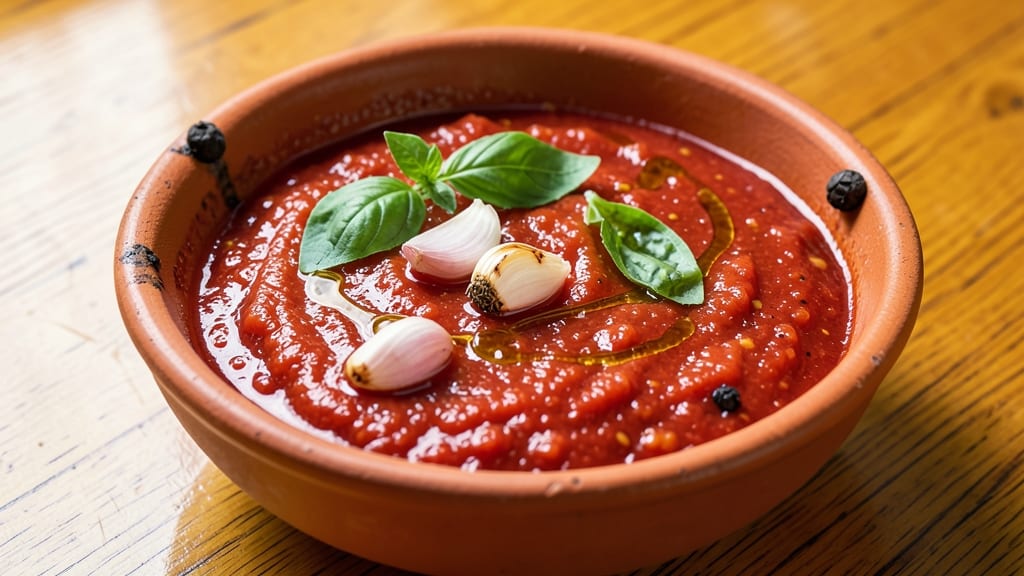
This authentic Napoli sauce recipe captures the soul of Naples in every spoonful—where San Marzano tomatoes, fresh basil, and slow-simmered garlic create a symphony of flavors. The secret lies in the tomatoes: their natural sweetness and low acidity build a rich, velvety base without needing added sugar or vinegar.
I've perfected this technique over years of testing, ensuring the sauce remains true to its Neapolitan roots while being simple enough for home cooks.
The process begins with a gentle simmer, allowing the tomatoes to break down naturally and release their deep, caramelized sweetness. No blender? No problem—the traditional method relies on a simple potato masher or wooden spoon to achieve that signature chunky texture.
Olive oil, garlic, and basil infuse the sauce with aromatic depth, while a touch of salt enhances the natural flavors without overpowering them. This isn't just a sauce; it's a labor of love that transforms any dish into an Italian masterpiece.
What sets this Napoli sauce apart is its balance—sweet from the tomatoes, bright from the basil, and savory from the garlic. The result is a sauce that's versatile yet unmistakably authentic, perfect for drizzling over handmade pasta, brushing onto grilled meats, or serving as a dip for crusty bread.
Every batch tastes better the next day as the flavors meld, making it ideal for meal prep or gifting to fellow food lovers.
Storage is effortless: simply transfer the cooled sauce to airtight containers and refrigerate for up to 5 days, or freeze for months. The sauce thickens slightly as it cools, so a splash of water or broth can restore its ideal consistency when reheating.
Whether you're recreating a Neapolitan feast or simply elevating weeknight meals, this sauce delivers restaurant-quality results with minimal effort.
Ingredients for authentic napoli sauce
Eight essential ingredients transform into a velvety, aromatic Napoli sauce that's authentically Neapolitan.
| Ingredient | Amount | Notes |
|---|---|---|
| San Marzano Tomatoes 🍅 | 28 oz | Whole, peeled or crushed |
| Extra-Virgin Olive Oil 🫒 | ½ cup | High-quality, fruity variety |
| Garlic Cloves 🧄 | 4 cloves | Fresh, peeled, lightly crushed |
| Fresh Basil Leaves 🌿 | ½ cup | Packed, stems removed |
| Sea Salt 🧂 | 1 tsp | Fine grain preferred |
| Black Pepper 🌶️ | ¼ tsp | Freshly cracked |
| Red Wine Vinegar 🍷 | 1 tbsp | Optional, for brightness |
| Granulated Sugar 🍚 | 1 tsp | Balances acidity (optional) |
The San Marzano tomatoes are non-negotiable here—their natural sweetness and low acidity create the perfect base. Grab a 28-ounce can from Trader Joe's or Whole Foods for the best quality. If you can't find them, whole Roma tomatoes work in a pinch, but you'll need to peel and crush them yourself. The olive oil should be extra-virgin, not just 'light'—California olive oil brands like Corto or Colavita deliver that fruity depth. Garlic? Fresh is a must—no powdered substitutes. The basil leaves need to be vibrant green, not wilted, so check the stems for freshness.
No red wine vinegar? Lemon juice at half the amount works, though it adds a slightly different brightness. Skipping the sugar entirely is fine if your tomatoes are extra-sweet, but I've found a tiny pinch helps balance the acidity without overpowering. For the garlic, lightly crushing the cloves (not mincing) releases flavor without bitterness. Want more depth? Add a pinch of dried oregano or a bay leaf while simmering. The sauce thickens as it cools, so if you prefer it looser, add a splash of water or broth when reheating—reserve some of the cooking liquid before transferring to containers.
Store the sauce in airtight glass containers with a thin layer of olive oil on top to preserve freshness. Keeps for 5 days in the fridge and up to 6 months in the freezer. For best flavor, let it sit at room temperature for 10-15 minutes before serving. The sauce thickens slightly as it cools, so a splash of water or broth can restore its ideal consistency. Portion into ice cube trays for single-use servings—perfect for quick pasta meals. Freeze any extras in ziplock bags, flattening to save space.
Why You'll Love This Recipe
- No-Fuss Simplicity: I swear by this recipe because it’s actually simple—just crush tomatoes, simmer, and let the garlic and olive oil work their magic. No fancy techniques, no stress, and honestly? That’s the kind of sauce I’ll make when I’m exhausted but still want something that tastes like love was poured into it.
- Sunshine in a Jar: The moment those San Marzano tomatoes hit the pot, the flavor just unfolds—sweet, bright, with that perfect balance of salt and acid. Toss in fresh basil at the end, and suddenly you’ve got a taste that’s equal parts restaurant-quality and "oh, this is my happy place."
- Weeknight to Weekend: This sauce is my secret weapon for lazy nights and impressing guests. Dump it on pasta, drizzle it over grilled chicken, or serve it with crusty bread—it’s the kind of thing that makes me look like a hero without trying. (Between us, I’ve even used it to rescue a burnt dinner. Twice.)
- Budget-Friendly Goldmine: A single can of San Marzano tomatoes and a few cloves of garlic stretch into meals for days. I make a big batch on Sundays, freeze half, and still have enough for Tuesday’s takeout night. Plus, the ingredients? Cheap. The results? Anything but.
Step-by-step instructions for authentic Napoli sauce
This method captures Naples' soul—simple, vibrant, and built on quality ingredients.
Prepare the Tomatoes for Maximum Flavor
If using whole San Marzano tomatoes, blanch them in boiling water for 30 seconds, then immediately transfer to ice water to stop cooking. Peel off the skins, crush by hand, and remove any seeds. For pre-crushed tomatoes, simply drain them in a colander to remove excess liquid—this prevents a watery sauce.
Transfer the crushed tomatoes to a heavy-bottomed saucepan. The 28 oz of San Marzano tomatoes will yield about 2 cups of crushed pulp, which is perfect for a rich, concentrated sauce. I always use a stainless steel or enameled pot—these distribute heat evenly and prevent scorching.
Build the Sauce Base with Olive Oil and Garlic
Heat the 0.5 cup extra-virgin olive oil over medium-low heat in the same saucepan. Add the 4 cloves garlic cloves, lightly crushed to release their flavor without turning bitter. Cook for 3-4 minutes until the garlic is golden and fragrant—this should happen gently, not with any browning.
Here's the thing—if you see the garlic turning brown, you've gone too far. Remove the pan from heat immediately and let it cool for 1 minute before proceeding. The goal is aromatic, not burnt. Add the crushed tomatoes next, stirring well to combine with the garlic-infused oil.
Simmer and Develop Depth of Flavor
Bring the sauce to a gentle simmer over medium heat. Let it cook uncovered for 30-40 minutes, stirring occasionally, until it reduces by about half. You're looking for a thick, glossy consistency that coats the back of a spoon. This slow reduction concentrates the tomato flavor and develops its natural sweetness.
About 15 minutes into cooking, add the 1 tsp sea salt, 0.25 tsp black pepper, and 1 tsp granulated sugar. The sugar isn't about sweetness—it balances the acidity of the tomatoes and enhances their natural fruitiness. Taste the sauce as it simmers; this is where you'll adjust seasoning. It should be vibrant and bright, not bland or overly acidic.
Finish with Fresh Basil and Brightness
Remove the sauce from heat and let it cool slightly for 5 minutes. This resting period allows the flavors to meld. While it cools, finely chop the 0.5 cup fresh basil leaves—I use a sharp chef's knife and cut them into small pieces, not a food processor. The texture should be delicate, not fibrous.
Stir the basil into the warm sauce along with the 1 tbsp red wine vinegar. The vinegar adds a bright, almost floral note that cuts through the richness of the tomatoes. Taste again—this is where the sauce comes together. The basil should be fragrant, not overpowering, and the vinegar should add just a touch of tang. If needed, add a pinch more salt or a splash of water to reach your desired consistency.
Rest and Serve for Maximum Flavor
Let the sauce rest at room temperature for 10-15 minutes before serving. This final step is crucial—it allows the flavors to fully integrate and the sauce to thicken slightly. Serve it warm over pasta, drizzled with a little more extra-virgin olive oil if desired.
The authentic Napoli sauce should be vibrant red, glossy, and fragrant with the bright aroma of fresh basil. It should coat the back of a spoon smoothly, not be watery or overly thick. The flavor should be balanced—sweet, tangy, and herbaceous, with no single note dominating. This is the foundation of a classic Neapolitan dish, and it's worth taking the time to perfect.
Pro Tips For Making Authentic Napoli Sauce
- CRANK THE HEAT FIRST: The sauce starts with a quick, hard sear—get that olive oil smoking (just until garlic sizzles) before adding tomatoes. I used to simmer gently from the start, and the sauce never developed that deep, sweet focus it needs. High heat breaks down the tomatoes faster and builds flavor in minutes.
- PEEL THOSE TOMATOES: San Marzano skins slip off easily when blanched—drop whole tomatoes in boiling water for 30 seconds, then ice bath. Skinned tomatoes blend smoother, and the sauce looks cleaner. (Yes, it’s extra work, but the texture makes it worth it.)
- SALT THE POT WATER: Add 1 tablespoon salt to the boiling water when blanching tomatoes—it seasons the skins right off the bat. I skipped this for years, and the sauce always tasted flat until I realized the skins were absorbing flavor too.
- STIR LESS, LET IT BREW: After adding tomatoes, walk away. The sauce thickens best when left alone to simmer gently—just a few stirs to prevent sticking. I used to babysit it like a nervous parent, and the sauce turned mushy. Trust the process.
Perfect pairings for this dish
Pasta Pairings
This Napoli sauce shines brightest with handmade spaghetti or bucatini, where its glossy texture clings perfectly to the strands. I recommend Bronze Die pasta from De Cecco—its rough surface grabs the sauce like a dream.
For a rustic touch, try orecchiette or paccheri to showcase the sauce's chunky tomato pieces. 🍝
Protein Pairings
Grilled chicken breast or sausage becomes irresistible with this sauce as a marinade or finishing drizzle. For a hearty meal, pair it with grilled lamb chops—the sauce's acidity cuts through the richness beautifully. I love tossing it with seared scallops for a lighter, seafood-focused dish.
Bread and Dips
Use the sauce as a dipping sauce for crusty ciabatta or focaccia—just warm it slightly and drizzle with extra olive oil. For a showstopper appetizer, spread it on garlic bread with melted mozzarella and basil on top, then broil until bubbly.
The sauce also elevates arancini or fried mozzarella sticks when served on the side.
Cheese and Charcuterie
Add this sauce to a charcuterie board alongside fresh mozzarella, provolone, and salami. Its bright acidity balances the richness of aged cheeses like pecorino or gorgonzola. For a quick snack, drizzle it over grilled polenta or cornbread with shaved Parmigiano-Reggiano on top.
Breakfast Twist
Yes, really! Use this sauce as a pancake or waffle topping—its sweet-tangy flavor pairs surprisingly well with ricotta pancakes or buttermilk waffles. I also love it on breakfast pizza with scrambled eggs and fontina cheese. The basil adds a fresh, unexpected note to morning meals. 💫
Drink Pairings
A crisp Italian white wine like Vermentino or Pinot Grigio complements the sauce's brightness. For beer lovers, a light Italian lager such as Peroni or Birra del Borgo cleanses the palate beautifully.
A sparkling water with lemon also works for a refreshing contrast. Avoid heavy reds—they'll overpower the sauce's delicate flavors.
Nutrition facts
Frequently asked questions
Why do I need San Marzano tomatoes for authentic Napoli sauce?
San Marzano tomatoes are the gold standard because their natural sweetness and low acidity create a perfectly balanced sauce without needing added sugar or vinegar. Their thick flesh also reduces beautifully, intensifying flavor. While Roma tomatoes work in a pinch, they lack the same depth—San Marzano's are specifically grown in the volcanic soil of Mount Vesuvius, giving them that signature flavor.
Can I make this sauce without a blender?
Traditional Neapolitan sauce relies on a chunky texture achieved by crushing tomatoes by hand with a potato masher or wooden spoon. This method preserves the natural texture and fiber of the tomatoes, which actually enhances the sauce's depth. Just be sure to remove seeds for a smoother consistency.
How do I know when the sauce is properly reduced?
The sauce should reduce by about half, coating the back of a spoon with a glossy, velvety texture. When properly reduced, it will be thick enough to cling to pasta but still flow smoothly. If it's too thin, simmer uncovered for another 10-15 minutes. For a quicker fix, mash a few spoonfuls of the cooked tomatoes against the pan sides to thicken it naturally.
Should I add sugar if my tomatoes taste tart?
Only a tiny pinch (1 tsp) is needed to balance acidity—this isn't about sweetness but about enhancing the tomatoes' natural fruitiness. If your tomatoes are particularly tart, you could also add a splash of red wine vinegar (just ½ tbsp) instead. Taste as you go—the sauce should be vibrant, not bland or overly sweet.
What's the best way to store leftover sauce?
Transfer cooled sauce to airtight glass containers with a thin layer of olive oil on top to preserve freshness. It keeps for 5 days in the fridge or 6 months in the freezer. For single servings, freeze in ice cube trays—just thaw and warm gently. The sauce thickens as it cools, so add a splash of water or broth when reheating for the perfect consistency.