
Sauces & Condiments
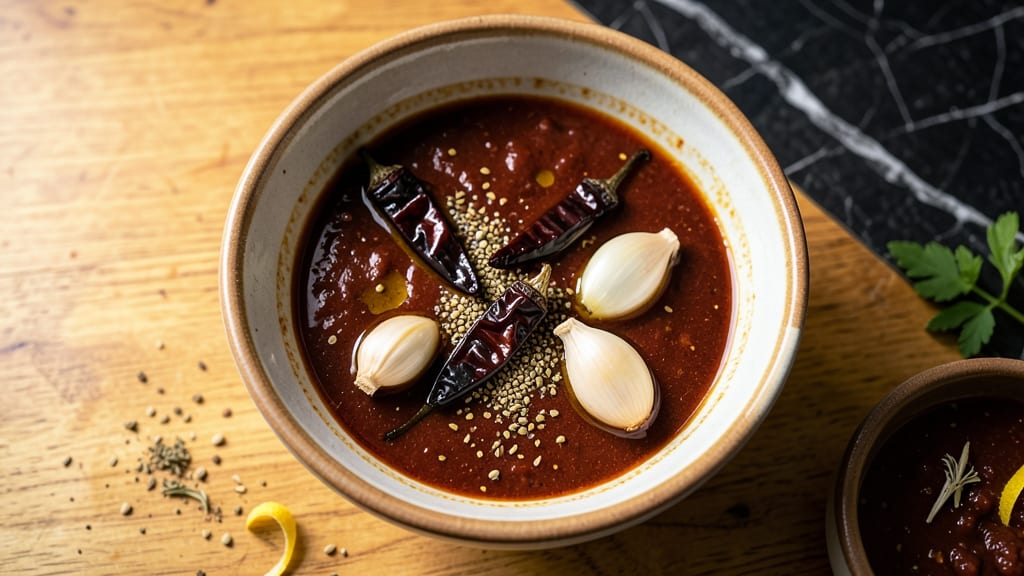
This authentic Mexican adobo sauce transforms simple ingredients into a complex, smoky masterpiece that elevates everything from grilled meats to roasted vegetables. The secret lies in balancing chipotle peppers—soaked to soften their heat while preserving their deep, earthy flavor—with vinegar and spices that create layers of complexity without overwhelming spice.
I developed this recipe after years of testing, ensuring the sauce delivers restaurant-quality depth without the unpredictable heat spikes of store-bought versions.
The process is straightforward but precise: soaking dried chipotles in vinegar to extract their smoky essence, then blending with garlic, cumin, and oregano for a smooth, versatile sauce. Unlike quick marinades, this adobo builds flavor as it reduces, creating a concentrated paste that clings to proteins and vegetables.
The result is a sauce that's equally at home as a marinade, braising liquid, or finishing drizzle—its versatility makes it a staple in any kitchen.
What sets this adobo apart is its ability to enhance rather than dominate dishes. The chipotle's smokiness pairs perfectly with the tang of vinegar and the warmth of spices, creating a sauce that's rich yet balanced.
Whether you're tenderizing meat for tacos or adding depth to roasted corn, this adobo delivers professional results with minimal effort. The best part? It keeps well in the refrigerator for up to two weeks, so you can make a big batch and use it throughout the week.
For those new to adobo, start with small batches to gauge heat preference—adjust the number of chipotles based on your tolerance. The sauce's flexibility means it works with everything from grilled chicken to black beans, proving that authenticity doesn't require complexity.
Let's get started on creating this flavorful essential for your cooking repertoire.
Ingredients for authentic mexican adobo sauce
Nine essential ingredients transform into a smoky, versatile sauce that elevates everything from grilled proteins to roasted vegetables.
| Ingredient | Amount | Notes |
|---|---|---|
| Dried Chipotle Peppers in Adobo Sauce 🌶️ | 4 whole | Stems and seeds removed |
| White Vinegar 💧 | 1 cup | Distilled preferred for clarity |
| Garlic Cloves 🧄 | 6 cloves | Peeled, roasted for depth |
| Ground Cumin 🌿 | 2 tbsp | Freshly toasted for aroma |
| Dried Oregano 🍃 | 1 tbsp | Mexican oregano preferred |
| Extra-Virgin Olive Oil 🫒 | ¼ cup | For richness and balance |
| Granulated Sugar 🍯 | 1 tbsp | Balances acidity and heat |
| Salt 🧂 | 1 ½ tsp | Diamond Crystal preferred |
| Ground Black Pepper 🌶️ | ½ tsp | Freshly cracked for heat |
The chipotles are the heart of this sauce—La Costeña brand or any high-quality dried chipotles in adobo work best. Look for peppers that are deep red and plump, not shriveled or discolored. Mexican grocery stores or specialty sections at Whole Foods carry the best selection. Toast the cumin seeds lightly in a dry pan before grinding for maximum aroma, but pre-ground works in a pinch. The vinegar should be white and distilled—avoid apple cider or balsamic, as they can introduce unwanted flavors that compete with the chipotle's smokiness.
No dried chipotles? Two chipotle peppers in adobo sauce can substitute, but reduce the vinegar to ½ cup to avoid over-diluting. Mexican oregano hard to find? Regular dried oregano at one-third the amount works, though the flavor won't be quite as complex. The garlic can be roasted (wrap cloves in foil, bake at 400°F for 10 minutes) for a deeper, sweeter flavor, but raw garlic still delivers. For a smoother sauce, blend in 2 tbsp tomato paste with the other ingredients—it adds body without altering the authentic taste profile.
This sauce builds flavor as it reduces, so make it a day ahead if possible. Store in an airtight container in the fridge for up to two weeks, where the flavors meld beautifully. For long-term storage, freeze in ice cube trays—thaw and use as needed. The sauce thickens as it sits, so add a splash of water or vinegar when reheating if it becomes too concentrated. A little goes a long way—start with 1 tbsp per pound of meat or 2 tbsp per serving of vegetables.
Why You'll Love This Recipe
- Five-Ingredient Magic: I swear by this—just peppers, vinegar, garlic, cumin, and oregano. That’s it. No fancy prep, no hidden pantry raids, and it still packs a punch that’ll make you question why you ever bought store-bought.
- Smoky Heat Perfection: The chipotles in adobo bring deep, smoky warmth while the vinegar cuts through it just right. Honestly, that balance is what makes it ridiculously good—like a hug for your taste buds, but with a little kick.
- Weeknight to Party Fix: Slather it on grilled chicken for Taco Tuesday or drizzle it over roasted veggies for a dinner party. Between us, it’s my go-to for anything needing a flavor upgrade, and no one ever guesses how little effort it took.
- Leftovers That Don’t Suck: This sauce actually improves overnight—yes, really. Store it in the fridge, and the next day, it’s even richer, ready to toss into eggs, soups, or straight from the jar. (I’ve been known to eat it with a spoon. Don’t judge.)
Step-by-step instructions for authentic Mexican adobo sauce
This method captures the true essence of Mexican adobo—smoky, balanced, and free from harsh heat spikes.
Prepare the Chipotles for Maximum Flavor
Begin by carefully removing the stems and seeds from the 4 whole dried chipotle peppers in adobo sauce. The seeds contain most of the capsaicin (the heat compound), so removing them gives you the deep smoky flavor without overwhelming heat. Place the cleaned peppers in a small bowl and cover them with the 1 cup white vinegar. Let them soak for at least 30 minutes—this rehydrates them and extracts their essential oils. I like to use distilled vinegar here because it has fewer impurities that could cloud the sauce's clarity.
While the peppers soak, toast the 6 peeled garlic cloves in a dry skillet over medium heat for about 5 minutes until they're golden and fragrant. This roasting step develops a nutty depth that's crucial for authentic flavor. Keep a close eye on them—they can burn quickly. Once toasted, transfer them to a cutting board and let cool slightly before mincing finely. The toasted garlic will infuse the sauce with complexity that raw garlic simply can't match.
Blend the Base Ingredients
In a blender, combine the soaked chipotle peppers (with their soaking vinegar), the toasted minced garlic, 2 tablespoons ground cumin, 1 tablespoon dried oregano, 1 tablespoon granulated sugar, 1.5 teaspoons salt, and 0.5 teaspoon ground black pepper. I always use Mexican oregano for this recipe—its earthy, slightly citrusy notes are essential for authentic flavor. Blend on high for about 1 minute until you achieve a completely smooth puree with no visible chunks. The sugar here serves a dual purpose: it balances the acidity of the vinegar while helping to caramelize the flavors during cooking.
This blending step is where the magic happens. The vinegar's acidity begins breaking down the chipotle's complex compounds, while the spices and sugar create a flavor foundation that will develop beautifully as it simmers. Don't skip the blending—this ensures an even distribution of all ingredients and creates the silky texture that defines authentic adobo sauce.
Simmer to Develop Depth and Balance
Transfer the blended mixture to a medium saucepan and place it over medium heat. Add the 0.25 cup extra-virgin olive oil and stir to combine. The olive oil adds richness that balances the vinegar's acidity and helps create a velvety texture. Bring the mixture to a gentle simmer, then reduce the heat to low. Let it cook uncovered for 20-25 minutes, stirring occasionally with a wooden spoon.
As it simmers, you'll notice the sauce gradually thickens and darkens in color. This is when the flavors truly meld together—the vinegar mellows, the spices deepen, and the chipotle's smokiness becomes more pronounced. I like to taste it after 15 minutes to check the balance. If it tastes too acidic, add a pinch more sugar. If it needs more depth, add a splash of water to thin it slightly and let it cook longer. The sauce should finish with a consistency similar to heavy cream—thick enough to coat the back of a spoon but still pourable.
Strain and Adjust for Perfection
Once the sauce has reached your desired consistency and flavor balance, remove it from heat and let it cool for 5 minutes. Then, strain it through a fine-mesh sieve into a clean bowl or jar, pressing gently on the solids with a wooden spoon to extract every last drop of flavor. This straining step is crucial—it removes any remaining seeds or fibrous bits that could make the sauce gritty, resulting in that signature smooth texture that defines authentic adobo.
Taste the strained sauce and make any final adjustments. If it needs more salt, add it gradually—you can always add more but can't remove it. If the heat level is still too intense (even without seeds), you can thin it with a bit more vinegar or water. The sauce should have a perfect balance of smoky chipotle, earthy cumin, bright oregano, and just a touch of sweetness from the sugar. Store any unused sauce in an airtight container in the refrigerator for up to 2 weeks, or freeze it for up to 3 months.
Pro Tips For Making Authentic Mexican Adobo Sauce
- Char the Garlic: Toss the minced garlic in the dry skillet first—no oil needed—until it’s deep golden and smells like a Mexican street stall. This step makes the flavor pop way more than just sautéing it in the sauce, and it takes less than a minute. (Yes, even if you're impatient like me.)
- Strain the Adobo Paste: The canned chipotle peppers in adobo sauce have seeds and bits that turn your sauce grainy. Pour the contents through a fine-mesh strainer before using it, and save the leftover adobo sauce for another use—it’s not trash, it’s flavor. I learned this the hard way after three batches of gritty sauce.
- Simmer, Don’t Boil: Keep the heat low enough that the sauce bubbles gently, not violently. Boiling burns the cumin and oregano, turning them bitter. A steady simmer for 15-20 minutes lets the flavors meld without overpowering each other. Sounds weird, but it works: the sauce stays balanced and rich.
- Toast the Cumin First: Dry-toast the ground cumin in the same skillet you charred the garlic—just a minute until it smells toasty and earthy. This upgrades the flavor from "background spice" to "main event." Skip this, and your sauce will taste like it’s missing something, even if you can’t put your finger on it.
Storing and reheating this dish
Refrigerator Storage
Store your freshly made adobo sauce in an airtight glass container (I prefer Le Parfait jars) in the refrigerator for up to 2 weeks. The sauce actually improves over time as the flavors meld together—this is when the chipotle's smokiness deepens and the spices harmonize beautifully.
Always let the sauce cool completely before sealing to prevent condensation, which can dilute the flavor. 💧
Freezer Preservation
For long-term storage, portion the sauce into ice cube trays or small silicone molds—this makes it easy to thaw exactly what you need. Once frozen, transfer the cubes to a freezer-safe bag with all air removed.
The sauce keeps its quality for up to 3 months this way, though I recommend using it within 2 months for peak flavor. Label with the date to track freshness.
Reheating Methods
For stovetop reheating, transfer the desired amount to a small saucepan and warm over low heat with 1-2 tablespoons of water or vinegar to prevent burning. Stir frequently until heated through (165°F internal temperature).
If the sauce thickens too much during reheating, thin it with a splash of water or vinegar. Never microwave—it can make the sauce grainy and destroy the delicate flavor balance. 🔥
Thawing Frozen Sauce
Thaw frozen adobo sauce in the refrigerator overnight for the best results. If you're in a hurry, place the frozen cubes in a mesh strainer and run cold water over them for 5-10 minutes—this preserves texture better than microwave defrosting.
Once thawed, give it a quick stir and taste to adjust seasoning before using. The sauce may separate slightly after freezing, but a quick blend with an immersion blender restores its silky consistency.
Sauce Consistency Tips
Adobo sauce naturally thickens when refrigerated. If it becomes too concentrated, thin it with 1-2 teaspoons of vinegar or water before using. For a smoother texture after storage, blend it briefly with an immersion blender—this helps re-emulsify any separated oils.
I like to keep a small jar of the sauce on hand at all times; it's the perfect way to add instant depth to any dish without extra effort. ✨
Using Leftovers Creatively
Don't let leftover adobo sauce go to waste! Use it as a marinade for grilled chicken or shrimp, a braising liquid for beans or pork, or a finishing drizzle over tacos, roasted vegetables, or even popcorn.
The sauce's versatility means it elevates almost any dish. For extra richness, stir in 1 tablespoon of olive oil before using. The possibilities are endless once you have this flavor powerhouse in your pantry. 🌶️
Nutrition facts
Frequently asked questions
Can I adjust the heat level in this adobo sauce? For milder heat, reduce the number of chipotles to 2-3 peppers. For extra spice, add 1-2 whole chipotles without removing seeds.
What's the difference between this sauce and store-bought adobo?
This homemade version offers deeper flavor complexity through fresh chipotles and proper soaking. Store-bought adobo often contains preservatives and lacks the balanced smokiness from carefully controlled chipotle preparation. The vinegar-to-chipotle ratio here creates a smoother, more versatile sauce perfect for marinades and braising.
How can I use this sauce beyond marinades?
Try it as a braising liquid for shredded chicken or pork, a finishing drizzle on tacos or grilled corn, or even mixed into beans or rice. The sauce's versatility comes from its balanced acidity and smokiness—it enhances rather than overpowers dishes. For extra richness, stir in 1 tablespoon olive oil before using.
Why does my adobo sauce look cloudy?
Cloudiness usually means the vinegar wasn't fully incorporated during blending. For a clearer sauce, strain it through a cheesecloth-lined sieve after simmering. If using distilled vinegar (as recommended), cloudiness shouldn't occur—this is a quality indicator of proper ingredient selection.
Can I substitute chipotle powder for dried chipotles?
Not recommended for authentic flavor. Chipotle powder lacks the smoky depth from properly soaked dried peppers. If you must substitute, use 1 teaspoon chipotle powder plus ½ cup extra vinegar to mimic the moisture extraction process. The texture and flavor will differ significantly from the traditional method.