
Sauces & Condiments
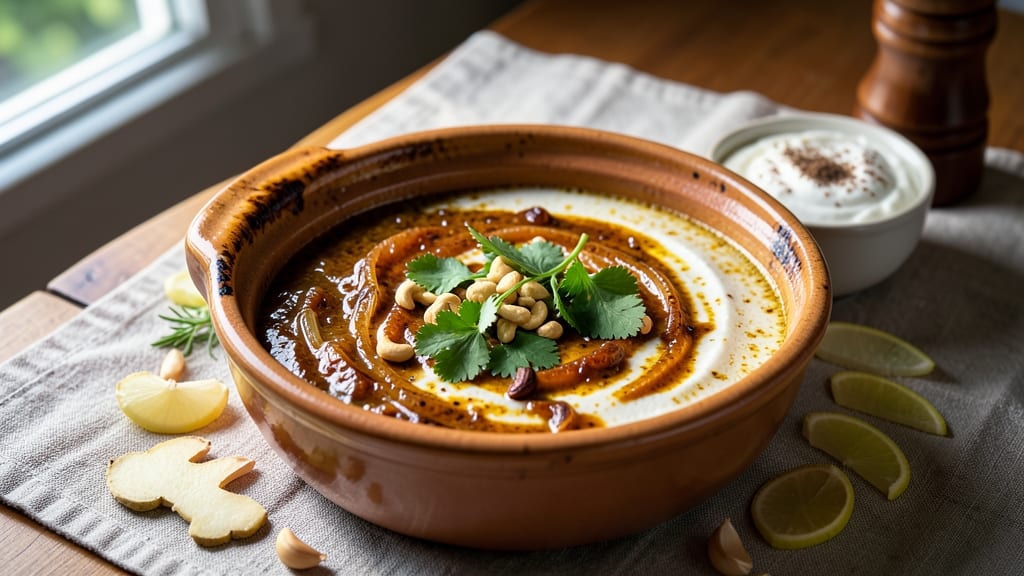
This authentic korma sauce recipe delivers the fragrant, velvety harmony of coconut, turmeric, and warm spices that defines classic Indian cuisine. The secret lies in slow-toasting whole spices until they release their maximum aroma, then simmering them in coconut milk and yogurt until the flavors meld into a rich, balanced sauce. I developed this version after years of testing—it's the one that finally earned rave reviews from even the most discerning curry lovers.
The foundation of great korma sauce is patience: letting the onions caramelize deeply, blooming the spices until the kitchen fills with their earthy perfume, and simmering the sauce long enough for the flavors to develop complexity.
Yogurt adds natural tang that cuts through the richness, while coconut milk creates that signature creamy texture without overpowering the spices. This is the kind of sauce that transforms simple proteins into restaurant-quality dishes.
What you'll end up with is a golden-hued sauce with layers of flavor—warm cumin, earthy coriander, and a subtle sweetness from the caramelized onions. It's rich enough to coat every bite yet light enough to let the natural flavors of chicken, lamb, or vegetables shine through.
The best part? This sauce keeps beautifully in the refrigerator for up to 5 days, allowing you to build flavor over time.
Perfect for curries, rice dishes, or as a standalone condiment with naan. The instructions will guide you through every step to ensure authentic results every time. Let's create this fragrant sauce that brings Indian restaurant quality to your home kitchen.
Ingredients for authentic korma sauce
Caramelized onions, toasted spices, and velvety coconut milk create this restaurant-quality korma sauce.
| Ingredient | Amount | Notes |
|---|---|---|
| Yellow Onions 🧅 | 2 whole | Thinly sliced for caramelization |
| Fresh Ginger 🌿 | 2 tbsp | Finely grated, skin removed |
| Garlic Cloves 🧄 | 6 cloves | Minced for aromatic base |
| Coconut Milk 🥥 | 1 ½ cups | Full-fat for creaminess |
| Plain Yogurt 🥛 | ½ cup | Full-fat for richness |
| Ground Cumin 🌿 | 1 ½ tsp | Toasted for deeper flavor |
| Ground Coriander 🌿 | 1 ½ tsp | Earthy aroma essential |
| Turmeric Powder 🌶️ | 1 tsp | Freshly ground preferred |
| Cinnamon Sticks 🌿 | 2 whole | Lightly crushed for warmth |
| Cardamom Pods 🌿 | 4 whole | Lightly crushed for floral notes |
| Garam Masala 🌶️ | 1 tsp | Store-bought or homemade blend |
| Extra-Virgin Olive Oil 🫒 | ¼ cup | For blooming spices |
| Salt 🧂 | 1 tsp | Diamond Crystal preferred |
| Fresh Cilantro 🌿 | ¼ cup | Chopped for garnish |
The onions are the foundation—yellow onions caramelize best, turning sweet and golden. Whole Foods or Trader Joe's have the sweetest varieties, but any yellow onion works. For ginger, fresh is non-negotiable—dried lacks the bright, zesty kick. Look for firm, bumpy roots with no wrinkles. The garlic should be freshly minced (pre-minced jars taste stale). Coconut milk matters too: full-fat canned coconut milk gives the richest texture—avoid the light versions. Toast your whole spices (cumin, coriander, cinnamon, cardamom) in a dry pan for 30 seconds before blooming in oil—this releases their maximum aroma. I always double-check my garam masala—store-bought blends vary wildly, so buy a small jar and taste-test before committing to a big batch.
No fresh ginger? Substitute 1 tbsp ginger juice from a bottle (though it's not ideal). Running low on cardamom? Allspice at half the amount mimics the warmth. The yogurt should be full-fat plain yogurt—Greek or regular—never flavored. For a vegan version, swap yogurt for coconut yogurt or unsweetened almond yogurt. The olive oil can be swapped for ghee or butter if you prefer, but olive oil adds a pleasant fruity note. If you're in a rush, pre-toasted spices from the bulk section save time (though fresh-toasting is worth it). The cilantro is optional but adds that fresh finish—skip it if you dislike the flavor.
This sauce builds flavor as it sits, so make it a day ahead if possible. Store in an airtight container in the fridge for up to 5 days. The coconut milk may separate—just stir vigorously before using. For longer storage, freeze in ice cube trays and transfer to a bag—perfect for adding to curries later. Reheat gently on the stove, stirring often, until just warmed through. The sauce thickens as it cools, so thin with a splash of water or milk if needed. Trust me, the first time you use this to coat chicken or lamb, you'll never go back to jarred sauce.
Why You'll Love This Recipe
- Here’s what sold me: that velvety finish from blending yogurt into the sauce, but it’s not heavy. The coconut milk adds depth, while the ginger keeps it bright—like a hug in a bowl. It’s the kind of flavor that makes you pause mid-bite, and honestly? That’s my goal every time.
- No-Fuss Base: I swear by this sauce because it’s built on pantry staples—just onions, ginger, and garlic simmered until they’re just sweet. No fancy spice blends, no last-minute ingredient hunts. The yogurt and coconut milk handle the rest, turning it into something rich without the fuss.
- Creamy Without Guilt: Here’s what sold me: that velvety finish from blending yogurt into the sauce, but it’s not heavy. The coconut milk adds depth, while the ginger keeps it bright—like a hug in a bowl. It’s the kind of flavor that makes you pause mid-bite, and honestly? That’s my goal every time.
- Weeknight to Dinner Party: Between us, this sauce works for takeout night and when Auntie’s over. Toss it with chicken for a quick curry, or drizzle it over grilled fish for a restaurant-worthy plate. I’ve even used it as a marinade—once, in a rush, and my husband still asked for seconds. (Yes, even on a Tuesday night.)
Step-by-step instructions for authentic korma sauce
This fragrant sauce delivers the perfect balance of creamy coconut, warm spices, and delicate turmeric harmony.
Bloom the Spices in Olive Oil
Heat the 0.25 cup extra-virgin olive oil in a heavy-bottomed saucepan over medium-low heat. Add the 2 whole cinnamon sticks and 4 whole cardamom pods, lightly crushing them with the back of a spoon to release their aromatic oils. Let them sizzle gently for 1 minute until fragrant.
Add the 1.5 teaspoons ground cumin and 1.5 teaspoons ground coriander, stirring constantly for 30 seconds until the spices begin to dance and fill your kitchen with their warm, earthy aroma. This blooming step unlocks their full flavor potential—don't rush it. The spices should smell deeply aromatic before moving forward.
Caramelize the Onions and Add Aromatics
Increase heat to medium and add the 2 whole yellow onions, sliced thinly for even cooking. Stir frequently as they cook for 8-10 minutes until they turn a beautiful golden brown color. This caramelization creates the rich, sweet foundation of your korma sauce.
When the onions are deeply caramelized, add the 2 tablespoons finely grated fresh ginger and 6 cloves minced garlic. Cook for another 2 minutes until the garlic becomes fragrant and the raw onion taste disappears completely. You'll know it's ready when the mixture smells intensely aromatic and the onions have transformed from pale to rich amber.
Build the Sauce Base with Yogurt and Turmeric
Reduce heat to low and stir in the 1 teaspoon turmeric powder and 1 teaspoon salt, whisking until completely dissolved. Gradually add the 0.5 cup plain yogurt, stirring constantly to prevent curdling. The mixture will thicken slightly as the yogurt incorporates.
Here's where the magic happens: slowly pour in the 1.5 cups coconut milk while whisking continuously to create a smooth, velvety sauce. The temperature should remain gentle—if it begins to bubble vigorously, reduce heat slightly. This step creates the creamy, luxurious texture that defines authentic korma.
Simmer and Season to Perfection
Increase heat to medium-low and bring the sauce to a gentle simmer. Let it cook uncovered for 10-12 minutes, stirring occasionally, until it thickens slightly and coats the back of a spoon. This simmering allows the flavors to meld and deepen.
Remove from heat and stir in the 1 teaspoon garam masala. Taste and adjust seasoning—you might need a pinch more salt or a touch more turmeric to achieve that perfect balance of creamy richness and subtle spice. The sauce should be fragrant, smooth, and ready to transform your proteins into restaurant-quality dishes.
Pro Tips For Making Authentic Korma Sauce
- Fry Onions Low and Slow: I used to rush this step and end up with bitter, dark onions that ruined the whole sauce. Instead, cook them on medium-low heat for 15-20 minutes until they’re golden and caramelized—not crispy. The longer you go, the deeper the flavor, but don’t let them burn. (Yes, even if you’re impatient like me.)
- Grind Ginger and Garlic Fresh: Store-bought pastes won’t cut it here. Fresh ginger and garlic ground in a food processor with a splash of water (just enough to help) release way more aroma and oil. Pulse until it looks like wet sand—this ensures it blends smoothly into the sauce without clumping. (Your future self will notice the difference.)
- Bloom Spices in Oil First: Don’t just toss spices into the onions. Heat 1-2 tablespoons of oil or ghee first, then add whole spices (like cardamom, cinnamon, and cloves) and let them sizzle for 30 seconds. This unlocks their flavor before the onions even join the party. (Skip this, and your sauce will taste flat.)
- Strain the Yogurt: Whole-milk yogurt with its tangy whey is great, but if yours is too thin, strain it for 10 minutes in a cheesecloth-lined strainer. Thicker yogurt blends better into the sauce and won’t make it watery. (I learned this the hard way after a sauce that looked like soup.)
Make-ahead tips for this recipe
Refrigerator Storage
Transfer your freshly made korma sauce to an airtight glass container—I love using Le Parfait jars for their tight seals—and let it cool completely before refrigerating. The sauce actually improves overnight as the flavors meld, so I recommend making it a day ahead if possible.
Store it for up to 5 days at 40°F or below, stirring well before each use since coconut milk may separate slightly. 🥛
Freezing for Later
For longer storage, freeze the sauce in ice cube trays—this makes it easy to portion out exactly what you need for curries later. Once frozen, transfer the cubes to a ziplock freezer bag and flatten to save space.
This sauce keeps its quality for up to 3 months in the freezer, though I find it's best used within 2 months for peak flavor. Thaw overnight in the fridge before reheating. ❄️
Reheating Like a Pro
Never microwave this sauce—it can make it grainy. Instead, reheat it gently on the stovetop over low heat with a splash of water or coconut milk to loosen the texture. Stir constantly for 5-7 minutes until warmed through but not boiling.
If the sauce thickens too much, thin it with a little more liquid. The result should be silky and smooth, just like when you first made it. 🔥
Make-Ahead for Meal Prep
This sauce is perfect for meal prep! Double the batch and store half in the fridge for 5 days while keeping the other half frozen. I often prepare a big batch on Sundays so I can quickly assemble curries during the week. The flavors develop beautifully over time, making your weeknight cooking effortless. Just
Sauce Consistency Tips
If your sauce thickens too much after refrigeration, simply whisk in 1-2 tablespoons of warm water or coconut milk to restore its velvety texture. For extra richness, stir in 1 tablespoon of yogurt before serving. The key is to keep it smooth—never let it sit too long at room temperature after opening, as coconut milk can spoil quickly. Always return leftovers to the fridge within 2 hours.
Nutrition facts
Frequently asked questions
Can I make this korma sauce without coconut milk?
Yes, but the texture will be lighter. Substitute 1 cup heavy cream or 1 cup whole milk + 1 tbsp cornstarch for the coconut milk. For a more traditional approach, use 1 cup yogurt + 1 cup water—this creates a thinner, tangier sauce that still works beautifully with proteins. The cream version will be richer, while the yogurt-water mix gives a lighter, more balanced flavor.
Why does my sauce look curdled after adding yogurt?
This happens when the yogurt is added too quickly or the heat is too high. Always stir constantly over low heat and add yogurt gradually. If it curdles slightly, whisk in 1-2 tablespoons cold water—this dilutes the acidity and smooths the texture. For prevention, use room-temperature yogurt and keep the pan temperature gentle.
How much sauce should I make for a curry?
For 4 servings of chicken or lamb curry, use about 1.5 cups of this sauce. For vegetables or seafood, 1 cup is plenty. The sauce thickens as it cools, so if you're adding it to a simmering dish, start with 1/2 cup and adjust to taste. Remember, you can always add more sauce—it's harder to fix if it's too thin!
Can I use this sauce for vegetarian dishes?
This sauce pairs perfectly with paneer, chickpeas, sweet potatoes, or eggplant. For extra richness, stir in 1 tbsp tomato paste before simmering. The creamy texture and mild spices make it ideal for vegetarian korma. Just ensure your protein is well-seasoned, as the sauce's flavor is delicate compared to meat-based curries.
What's the secret to getting that restaurant-quality aroma?
Toast your whole spices (cumin, coriander, cinnamon, cardamom) for 30 seconds in dry oil before blooming them. This step releases their essential oils, creating that deep, fragrant base. Also, caramelizing the onions for 8-10 minutes until golden brown adds sweet complexity. Patience is key—rushing these steps results in flat, one-dimensional flavor.