
Sauces & Condiments
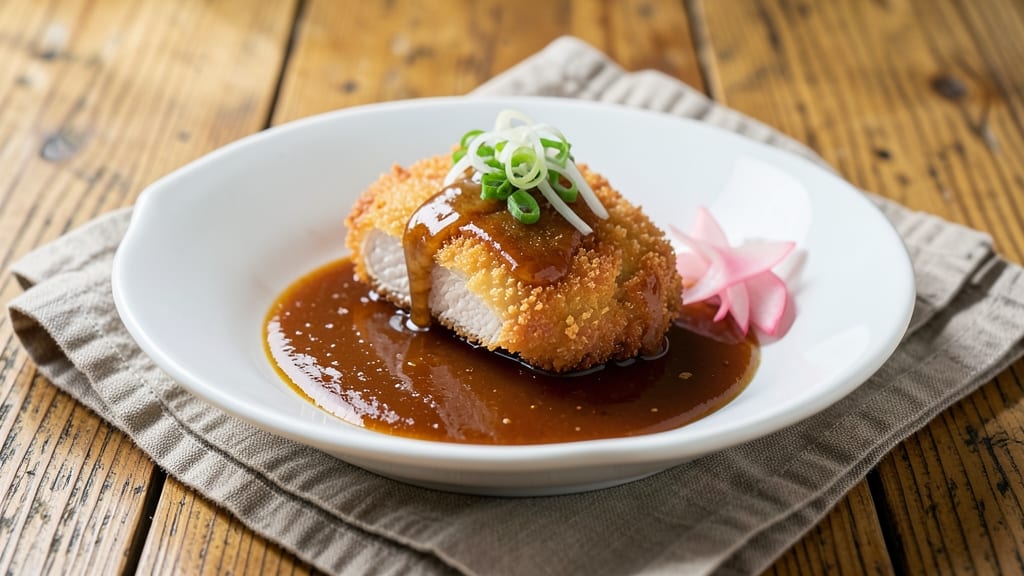
This authentic Japanese tonkatsu sauce recipe transforms simple pantry staples into a rich, glossy glaze that clings to crispy pork cutlets like a second skin. The secret lies in balancing sweet mirin, tangy Worcestershire, and a touch of ketchup—simmered until thick enough to coat every breadcrumb with perfect harmony.
I've perfected this sauce over years of testing, ensuring it delivers that signature glossy finish and deep umami flavor that makes tonkatsu irresistible.
The foundation of great tonkatsu sauce begins with a slow reduction that caramelizes the sugars while preserving the sauce's signature balance of sweet, salty, and tangy notes.
Traditional recipes call for Worcestershire sauce, but for a vegetarian version, simply substitute with an extra splash of soy sauce and a dash of miso paste. The result is a sauce that's equally at home on crispy chicken katsu or even roasted vegetables.
What sets this apart is how it transforms ordinary fried cutlets into something restaurant-worthy with just a few brushes.
What makes this sauce truly special is its versatility—it's not just for tonkatsu. Use it as a dipping sauce for tempura, a glaze for grilled meats, or even a marinade for skewers.
The key is patience during the reduction; letting it simmer until it thickens to a perfect coating consistency ensures every bite is packed with flavor. Once you try this sauce, you'll never settle for store-bought versions again.
Store it in the refrigerator for up to two weeks, or freeze for longer shelf life. The sauce only gets better with time as the flavors meld together. Whether you're serving tonkatsu night or experimenting with new dishes, this sauce will elevate everything it touches.
Let's get started on creating your own batch of this essential Japanese condiment.
Ingredients for authentic japanese tonkatsu sauce
Nine simple ingredients create the glossy, sweet-savory sauce that makes tonkatsu irresistible.
| Ingredient | Amount | Notes |
|---|---|---|
| Mirin 🍶 | ½ cup | Sweet Japanese rice wine |
| Worcestershire Sauce 🧂 | ¼ cup | Traditional umami base |
| Ketchup 🍅 | ¼ cup | For tangy depth |
| Soy Sauce 🥢 | ¼ cup | Dark soy preferred |
| Honey 🍯 | 2 tbsp | Or agave for vegan option |
| Rice Vinegar 🍶 | 1 tbsp | Adds bright acidity |
| Garlic Cloves 🧄 | 3 cloves | Minced for aromatic base |
| Ginger 🌿 | 1 tsp | Freshly grated |
| Cornstarch 🌾 | 1 tbsp | For thickening |
| Water 💧 | 2 tbsp | For cornstarch slurry |
Mirin is the soul of this sauce—look for the real stuff at Asian markets, not the sweetened imitation. Kikkoman or Hirata are solid brands. If you can't find it, a mix of white wine and sugar works in a pinch. Worcestershire sauce is non-negotiable for that deep umami punch—Lea & Perrins is the classic choice. For the ketchup, Heinz is fine, but if you're feeling fancy, grab a bottle of Japanese ketchup like Kewpie for a more authentic tang. The dark soy sauce adds that signature glossy sheen, so don't skip it. Pro tip: Toast your garlic and ginger in the pan first—they'll perfume the whole sauce.
No mirin? White wine + 1 tsp sugar mimics it decently. Worcestershire-free? Soy sauce + dash of miso brings similar umami. Ketchup too sweet? Balance it with extra rice vinegar. The honey can be swapped for agave if you're avoiding refined sugar. For a smoother sauce, blend the garlic and ginger with the liquids before simmering. And if you're making this for a crowd, double the batch—it disappears fast. The cornstarch slurry is key for that perfect glossy finish, so mix it well to avoid clumps.
This sauce keeps for 2 weeks in the fridge, sealed tightly. The flavors actually deepen over time, so it's perfect for making ahead. Freeze in ice cube trays for single-use portions—just thaw and reheat. For that restaurant-quality sheen, brush it on hot tonkatsu right before serving. Works on everything from crispy chicken to roasted veggies—just don't boil it dry. Store in a clean glass jar with a tight lid, and trust me, you'll want to make this again.
Why You'll Love This Recipe
- Pantry Magic: I swear by this recipe because it uses things I already have—no special trips to the Asian market. That honey cuts through the soy’s saltiness while the Worcestershire adds this weirdly perfect depth, like a secret handshake between Japanese and Western flavors.
- Umami Bomb: The combo of mirin and soy sauce gives it that rich, caramelized depth you’d pay $20 for at a tonkatsu joint. Honestly, I’ve tried store-bought sauces, and this one actually tastes like it belongs on crispy pork cutlet—not some watered-down imitation.
- Tonkatsu’s Best Friend: This sauce isn’t just for tonkatsu. Drizzle it over ramen, toss it with fried chicken, or even slather it on grilled cheese. (Yes, even on a Tuesday night.) The sweet-savory balance works everywhere, and I’ve never had leftovers that didn’t disappear fast.
- Budget Hack: A single batch lasts me weeks—way cheaper than buying pre-made sauce. I make double portions, store it in the fridge, and it keeps that glossy, clingy texture for ages. My wallet and my taste buds both win.
Step-by-step instructions for authentic tonkatsu sauce
Here's how to create that signature sweet-savory balance that makes tonkatsu unforgettable.
Build the Sweet-Savory Base
In a medium saucepan, combine the 0.5 cup mirin, 0.25 cup Worcestershire sauce, 0.25 cup ketchup, and 0.25 cup soy sauce. Place over medium heat and bring to a gentle simmer, letting the flavors meld for 3-4 minutes. You'll notice the sauce darkens slightly as the alcohol in the mirin cooks off—this is normal and essential for authentic depth.
While waiting, finely mince the 3 cloves garlic and grate the 1 tsp ginger using a microplane. The fresh ginger should smell bright and citrusy—this ensures proper flavor extraction. Add these aromatics to the simmering sauce and cook for another 1-2 minutes until fragrant but not browned. Overcooking will make them bitter, so keep an eye on them.
Sweeten and Acidify
Reduce heat to low and stir in the 2 tbsp honey and 1 tbsp rice vinegar. Let the sauce simmer gently for 5 minutes, stirring occasionally. The honey will dissolve completely, and the vinegar will brighten the flavors. Taste the sauce at this point—it should be balanced between sweet, salty, and slightly tangy. If it needs more sweetness, add a touch more honey; if too sharp, a splash of water helps.
This is where the magic happens—the harmony of sweet and acid creates that signature tonkatsu flavor. The rice vinegar also adds that subtle brightness that prevents the sauce from being too heavy. Let it simmer uncovered so any excess moisture can evaporate, concentrating the flavors.
Thicken to Perfection
In a small bowl, whisk together the 1 tbsp cornstarch and 2 tbsp water until smooth. This slurry is your thickening agent—it should be completely dissolved with no lumps. Slowly pour the slurry into the simmering sauce while stirring constantly with a wooden spoon or silicone spatula.
Continue simmering for 3-5 minutes until the sauce reaches your desired consistency. It should coat the back of a spoon smoothly but not be gluey. If it thickens too quickly, add a splash of water to loosen it. The sauce should be glossy and cling to the pan lightly—this indicates proper thickening. For authentic tonkatsu, you want a sauce that's thick enough to cling to crispy breadcrumbs but still has a slight flow.
Rest and Adjust
Remove the sauce from heat and let it rest for 10 minutes. This resting period allows the flavors to fully develop and the sauce to thicken slightly more as it cools. Taste again and adjust seasoning if needed—you might need a touch more soy sauce for saltiness or a splash of rice vinegar for acidity.
For the crispy breadcrumbs that tonkatsu is famous for, you'll want to use this sauce warm or at room temperature. The texture should be smooth with no graininess, and the flavors should be well-balanced. If you're making tonkatsu, now's the time to assemble your cutlets and bread them while the sauce is still warm for that perfect crispy coating.
Pro Tips For Making Authentic Japanese Tonkatsu Sauce
- Simmer Slow and Low: Tonkatsu sauce needs time to meld—don’t rush it. After combining all ingredients, reduce heat to a bare simmer (just small bubbles) and let it cook uncovered for 15-20 minutes. I used to blast it on high, and it’d either burn or taste raw; patience here makes the difference.
- Balance the Mirin First: Taste your mirin before adding other ingredients. If it’s cheap or overly sweet, cut the honey by half—tonkatsu sauce should be tangy, not cloying. I learned this the hard way after drowning out the Worcestershire with a sugar bomb.
- Skip the Raw Ketchup: Use low-sugar ketchup (like Heinz) and simmer it with the other ingredients—raw ketchup makes the sauce grainy. If you’re in a pinch, blend it first, but simmering still wins for smoothness.
- Add Soy Sauce Last: Stir in soy sauce only in the final 2 minutes. It darkens fast, and adding it too early turns your sauce into a murky brown sludge. Trust me, the color matters—keep it glossy and rich.
Common mistakes when making your authentic japanese tonkatsu sauce
Over-Simmering the Sauce
One of the biggest mistakes is letting the sauce boil vigorously after adding the cornstarch slurry. This causes the cornstarch to break down unevenly, creating a grainy or gluey texture instead of the smooth, glossy finish you want.
I've ruined batches by walking away during this critical step—always maintain a gentle simmer at low heat while stirring constantly. The sauce should thicken gradually over 3-5 minutes, not in an instant. 🌡️
Skipping the Resting Time
Rushing to use the sauce immediately after cooking is another common error. The 10-minute rest allows flavors to meld and the cornstarch to fully set, preventing a watery sauce when applied to hot tonkatsu.
I learned this the hard way when my first batch separated into two distinct layers when brushed on the cutlets. Patience here makes all the difference for that perfect clinging consistency.
Using Low-Quality Ingredients
Substituting cheap ketchup or imitation mirin can completely alter the sauce's balance. For example, I once used store-brand ketchup that was overly sweet, throwing off the entire flavor profile. Invest in Kewpie ketchup or Hirata mirin for authentic results.
The Worcestershire sauce should be Lea & Perrins—anything else lacks that deep umami foundation. These ingredients aren't just flavor enhancers; they're the building blocks of authentic tonkatsu sauce.
Ignoring the Garlic Toasting Step
Many recipes mention adding garlic but don't emphasize toasting it first. When I skipped this step, the sauce had a raw garlic aftertaste that ruined the harmony. Instead, cook the minced garlic in the pan for 30 seconds until fragrant but not browned.
This releases the garlic's natural oils, infusing the sauce with a mellow, aromatic sweetness that's essential for tonkatsu. The same goes for the ginger—freshly grated and toasted makes all the difference.
Not Adjusting Seasoning Properly
Assuming the sauce is perfectly balanced after the initial simmer is a recipe for disappointment. Always taste and adjust—this is where most home cooks fall short. I've had batches that needed more soy sauce for saltiness or extra rice vinegar for acidity.
Keep a small bowl of each component nearby during the final resting period so you can make quick adjustments. The sauce should sing with all three flavors: sweet, salty, and tangy in perfect balance.
Thickening Too Early
Adding the cornstarch slurry before the sauce has properly reduced leads to clumping and uneven thickening. The sauce needs to simmer until the alcohol from the mirin cooks off and the flavors concentrate. I've seen recipes that call for adding thickener immediately after combining ingredients, which creates a pasty mess.
Wait until the sauce has reduced by about 25% before adding the slurry—this ensures a smooth, professional finish. ✨
Nutrition facts
Frequently asked questions
Can I make tonkatsu sauce without mirin?
Yes! For every 0.5 cup mirin called for, substitute 0.4 cup dry white wine plus 1 tsp sugar. The sugar replaces the sweetness while the wine mimics mirin's acidity. For a completely alcohol-free version, use 0.4 cup apple juice plus 1 tsp sugar—it won't be identical but works in a pinch. The sauce will still develop that signature sweet-savory balance, just with slightly different depth.
How long does homemade tonkatsu sauce keep?
Store it in an airtight glass jar in the refrigerator for up to 2 weeks. The flavors actually improve over time as the ingredients meld together. For longer storage, freeze in ice cube trays—thaw individual cubes as needed. When reheating, warm gently over low heat while stirring constantly to prevent skin formation. The sauce maintains its glossy texture best when stored properly.
What's the best way to use leftover tonkatsu sauce?
Beyond tonkatsu, this versatile sauce works as a glaze for grilled meats, a dipping sauce for tempura, or even a marinade for skewers. Try brushing it on crispy chicken katsu or drizzling over roasted vegetables like eggplant or sweet potatoes. For extra richness, simmer with a splash of dashi stock before using. The sauce's thick consistency makes it perfect for clinging to any crispy or fried foods.
Why did my tonkatsu sauce turn out too sweet?
This usually happens when the ketchup or honey dominates the flavor profile. To fix it, add 1-2 tbsp rice vinegar or 1 tsp soy sauce to balance the sweetness. For future batches, reduce the honey to 1 tbsp and taste frequently during simmering. The key is achieving harmony between sweet, salty, and tangy—aim for equal parts of each flavor in your final taste. If the sauce is already too sweet, you can thin it slightly with water and use it as a dipping sauce instead.
Can I make tonkatsu sauce vegetarian?
Replace the Worcestershire sauce with 0.25 cup soy sauce plus 1 tsp miso paste for umami depth. Use vegetarian ketchup (like Heinz Vegetarian) and ensure your Worcestershire substitute contains no anchovies. The sauce will still have that glossy texture and sweet-savory balance, just with plant-based ingredients. This version works perfectly with vegetable tonkatsu or as a dipping sauce for veggie tempura.