
Sauces & Condiments
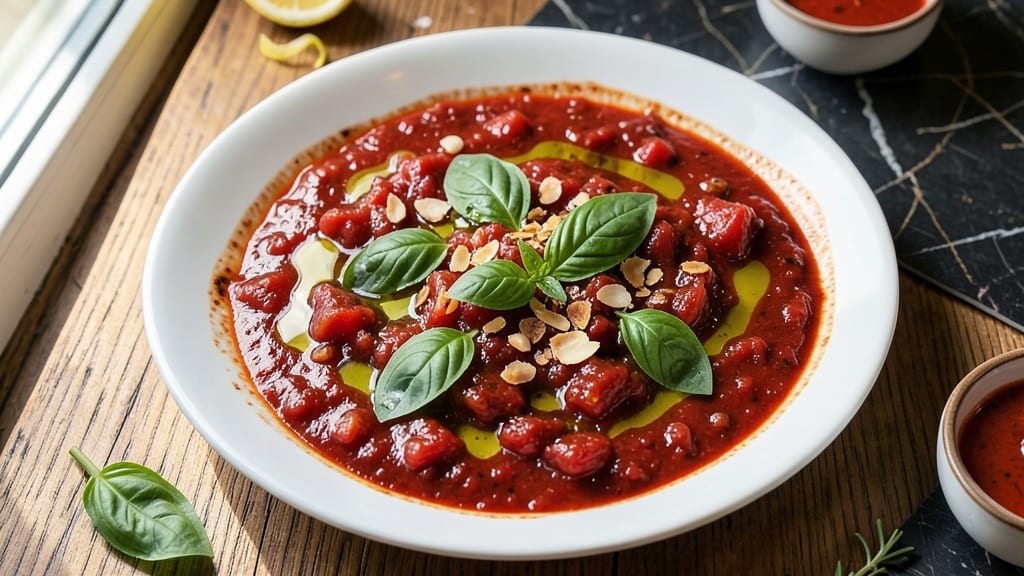
This authentic Italian pizza sauce recipe from scratch captures the essence of Neapolitan tradition—simple ingredients, slow simmering, and that perfect balance of sweetness and acidity.
The secret lies in high-quality San Marzano tomatoes and fresh basil, simmered just until the flavors meld into a velvety, aromatic sauce with a subtle garlic kiss.
What sets this apart from jarred versions is the patience of simmering, which develops depth without losing brightness—exactly how nonnas in Naples have made it for generations.
The process is straightforward but critical for authenticity: crushed tomatoes (no sugar or additives), garlic, olive oil, and a touch of salt are all you need. Simmering for 20-25 minutes reduces the sauce naturally, concentrating flavors while preserving the tomato's natural sweetness.
This isn't just a sauce—it's the foundation of a restaurant-quality pizza at home, with a texture that clings perfectly to dough without overpowering it.
What you'll achieve is a sauce with a tomato blush—deep red with hints of caramelization—and a fragrance so rich it transforms any pizza into an Italian experience. The garlic infuses gently, never overpowering, while the basil adds that fresh, herbaceous finish.
Unlike store-bought versions, this sauce improves with time, developing even more complexity as it sits.
For those seeking Neapolitan authenticity, keep the sauce simple—just tomatoes, garlic, and olive oil. For a Roman twist, add a splash of white wine during simmering.
Store in the fridge for up to 5 days or freeze for months, ensuring you always have that authentic Italian flavor at your fingertips. Let's make this sauce—the heart of every perfect pizza.
Ingredients for authentic italian pizza sauce recipe from scratch
Seven ingredients transform into restaurant-quality pizza sauce with Neapolitan soul.
| Ingredient | Amount | Notes |
|---|---|---|
| San Marzano Crushed Tomatoes 🍅 | 28 oz | High-quality, no sugar or additives |
| Extra-Virgin Olive Oil 🫒 | ½ cup | Fruity, peppery variety preferred |
| Garlic Cloves 🧄 | 4 cloves | Fresh, peeled, minced finely |
| Fresh Basil Leaves 🌿 | ¼ cup | Packed, stems removed |
| Kosher Salt 🧂 | ½ tsp | Diamond Crystal preferred |
| White Wine (optional) 🍷 | ¼ cup | Dry, medium-bodied for Roman twist |
| Granulated Sugar (optional) 🍚 | 1 tsp | Balances acidity if needed |
The San Marzano tomatoes are non-negotiable here—canned at their peak ripeness, they deliver that unmatched sweetness and depth. Grab the 28-ounce cans from Trader Joe's or Whole Foods for the best quality, but any reputable brand works. The olive oil should be extra-virgin, with noticeable peppery bite—California or Italian varieties like Colavita or Bertolli are ideal. Fresh basil? Stem it, pack it, and use it all—no dried substitutes here. The garlic should be freshly minced, not pre-minced from jars (that's just sad). For the salt, Diamond Crystal kosher dissolves cleanly and enhances flavor without overpowering.
No white wine? Skip it—this is a Neapolitan sauce, not Roman. But if you're feeling experimental, dry Pinot Grigio or Sangiovese works perfectly. The sugar is strictly optional—San Marzano tomatoes are naturally sweet, but if your batch tastes tart, a pinch balances it beautifully. Pre-minced garlic from jars lacks freshness, so take the 30 seconds to mince it yourself. Fresh basil is essential for that herbaceous finish, but if you're out, dried oregano at half the amount won't ruin it—just won't be authentic. The olive oil can be swapped for avocado oil in a pinch, though it won't have the same fruity depth.
This sauce tastes better the next day as flavors meld—store in an airtight container in the fridge for up to 5 days or freeze for 3 months. For long-term storage, portion into ice cube trays before transferring to a bag—perfect for topping individual pizzas. Never boil the sauce after simmering, or it'll turn mushy. The tomato blush you're aiming for? That's your cue it's ready—deep red with caramelized edges, not a murky brown. Double batch—you'll want leftovers.
Why You'll Love This Recipe
- No-Fuss Simplicity: I swear by this—just tomatoes, garlic, and olive oil. No peeling cans, no blenders, no stress. The San Marzano tomatoes do all the heavy lifting while I sip my coffee and let the sauce work its magic.
- Garlic-Basil Magic: That first taste of fresh basil and slow-cooked garlic? It’s like a little burst of summer in every bite. Honestly, I’ll take this over jarred sauce any day—it’s bright, aromatic, and actually tastes like Italy.
- Pantry-to-Pizza Power: Make a big batch on Sunday, and you’ve got sauce for pizzas, pasta, or even bruschetta all week. Between us, I’ve used this for everything from weeknight dinners to Sunday funday feasts—no waste, all flavor.
- Budget-Friendly Staple: A single can of San Marzano tomatoes and a few cloves of garlic stretch farther than you’d think. I’ve fed my whole family (plus a few friends) for under $5—real Italian flavor without breaking the bank.
Step-by-step instructions for authentic Italian pizza sauce
Here's how to craft a sauce that captures the true essence of Naples—bright, balanced, and bursting with tomato flavor.
Bloom the Garlic in Olive Oil
Heat the 0.5 cup extra-virgin olive oil in a medium saucepan over low heat. Add the 4 minced garlic cloves and cook for 2-3 minutes until they're fragrant but not browned. This gentle cooking ensures the garlic infuses the oil without becoming bitter—a crucial step for authentic flavor.
Watch the garlic closely; it burns quickly. You'll know it's ready when the kitchen fills with that irresistible aroma but the garlic still looks pale golden. Remove the pan from heat immediately after the garlic blooms, as we'll be adding the tomatoes next.
Incorporate Tomatoes and Simmer
Return the pan to low heat and stir in the 28 oz San Marzano crushed tomatoes. The acidity of these tomatoes will naturally balance as they cook, but we're not adding any sugar yet—this is where the authentic Italian approach shines. Let the mixture simmer uncovered for 20-25 minutes, stirring occasionally.
You'll notice the sauce thicken slightly as it reduces, but it should still maintain a smooth, glossy consistency. If you're using the 0.25 cup white wine, add it now and let it simmer off completely—this adds depth that store-bought sauces can't match. The wine should fully evaporate before proceeding.
Season and Balance the Sauce
Add the 0.5 tsp kosher salt and stir well. Taste the sauce at this point—it should be tangy and bright but not overly acidic. If you feel the acidity needs balancing (and this varies with each batch of tomatoes), add the 1 tsp granulated sugar now. The goal is to create a sauce that's sweet, salty, and acidic in perfect harmony.
Simmer for another 10 minutes to let the flavors meld. The sauce should coat the back of a spoon but still be pourable. If it thickens too much, add 1-2 tablespoons of water to reach your desired consistency. This is where the sauce's authentic character develops—simple ingredients working together.
Finish with Fresh Basil
Remove the pan from heat and stir in the 0.25 cup fresh basil leaves, stems removed. The basil will add a bright, herbal note that cuts through the richness of the tomatoes. Let the sauce sit for 5 minutes off the heat to allow the basil to infuse fully.
For the most authentic result, I like to blend the sauce briefly with an immersion blender to achieve that signature smooth, velvety texture. This step isn't traditional but creates that restaurant-quality finish. If you prefer a rustic texture, simply stir well and leave it chunky—both approaches work beautifully.
Pro Tips For Making Authentic Italian Pizza Sauce Recipe From Scratch
- Simmer Low and Slow: I learned this the hard way—crushing San Marzano tomatoes over high heat turns them into mush instead of a rich, velvety sauce. Keep the heat at a gentle simmer (barely bubbling) for at least 20-25 minutes, stirring occasionally. The longer it cooks, the deeper the flavor, but don’t let it boil or it’ll break down into a watery mess.
- Peel and Mince Garlic: Fresh garlic cloves straight from the jar? Skip it. Peel and mince your garlic just before adding it to the sauce—raw, freshly minced garlic releases more aroma and flavor than pre-peeled or jarred. Toss it in with the olive oil and let it bloom for 30 seconds before the tomatoes hit the pan. (Yes, even if you’re impatient like me.)
- Salt the Tomatoes First: This isn’t just about seasoning—it’s about texture. Sprinkle a generous pinch of kosher salt (about ½ teaspoon) directly over the crushed San Marzano tomatoes before cooking. It softens their skins, helps release their juices, and prevents a watery sauce later. Trust me, your sauce will thank you.
- Add Basil Late (But Rip It Up): Fresh basil at the end isn’t just tradition—it’s science. Tossing in whole leaves too early turns them bitter and mushy. Instead, rip them by hand (no need to chop) and fold them in the last 2 minutes of cooking. For extra punch, let the sauce cool slightly before adding—it mellows the heat and lets the basil’s sweetness shine. (Pro move: Save a few leaves for garnish.)
Best sauces and condiments for these flavors
Neapolitan vs. Roman
The classic Neapolitan sauce is all about simplicity—just tomatoes, garlic, olive oil, and basil. No sugar, no wine, just pure, bright tomato flavor that sings with acidity.
For a Roman twist, add 0.25 cup dry white wine when simmering the tomatoes—it adds depth and complexity that mirrors the Roman style's richer profile. I often use Pinot Grigio for this, as its crisp acidity cuts through the tomatoes beautifully. 🍷
White Pizza Sauce
For a white pizza sauce (perfect for Neapolitan-style pizzas like Margherita), skip the tomatoes entirely. Instead, blend 0.5 cup extra-virgin olive oil with 4 minced garlic cloves, 0.25 cup grated Pecorino Romano, and a pinch of red pepper flakes.
Simmer for 10 minutes on low heat, then finish with fresh basil. This sauce is rich, creamy, and lets the cheese shine—ideal for mozzarella-heavy pizzas. 🧀
Spicy Arrabbiata Twist
Transform your sauce into spicy arrabbiata by adding 1 tsp red pepper flakes with the garlic and 1-2 dried chili peppers (like Calabrian chili) to the simmering tomatoes. For extra heat, stir in 1 tbsp tomato paste at the end.
This version is fiery but balanced—perfect for those who love a kick. I like to serve it with fresh mozzarella and basil for a true Roman experience. 🌶️
Herb-Infused Variations
Experiment with fresh herbs like oregano (for a Greek-inspired touch) or thyme (for a Provençal twist). Add 1 tbsp fresh oregano with the basil or 2 sprigs fresh thyme during simmering.
For a sun-dried tomato version, blend 0.25 cup sun-dried tomatoes into the finished sauce for a deeper, umami-rich flavor. These variations keep the sauce authentic while adding exciting new dimensions. 🌿
Sweet and Tangy Balance
If your tomatoes taste overly tart, balance them with 1 tsp granulated sugar or a splash of balsamic vinegar (about 1 tsp). For a sweeter profile, add 0.5 cup caramelized onions during the final 10 minutes of simmering.
This technique works wonders for a sweet and savory sauce that pairs beautifully with spicy sausages or roasted vegetables. 🍯
Storage and Flavor Development
This sauce tastes even better the next day as flavors meld. Store in an airtight container in the fridge for up to 5 days or freeze for 3 months. For long-term storage, portion into ice cube trays before transferring to a freezer bag—perfect for topping individual pizzas.
Reheat gently on the stovetop over low heat to preserve texture. Never boil, or the sauce will turn mushy. ✨
Nutrition facts
Frequently asked questions
Can I substitute regular canned tomatoes for San Marzano?
While you can use regular canned tomatoes, San Marzano are specifically grown in the volcanic soil of Italy, giving them a sweeter, more balanced flavor with fewer seeds and less acidity. For the best results, choose high-quality crushed tomatoes without added sugar or salt. If using regular tomatoes, you may need to add ½ tsp sugar to balance the acidity.
How do I prevent the sauce from getting too thick?
If your sauce thickens too much during simmering, simply add 1-2 tablespoons of water or reserved tomato juice and stir well. The goal is a smooth, pourable consistency that clings beautifully to pizza dough. Avoid boiling the sauce, as this can make it mushy.
Can I make this sauce in a slow cooker?
Yes! For a slow cooker version, combine all ingredients (except basil) and cook on low for 3-4 hours or high for 1.5-2 hours. Stir occasionally to prevent sticking. Add fresh basil at the end. This method works well for making large batches, but taste and adjust seasoning at the end since slow cooking can intensify flavors.
Why does my sauce taste bitter?
Bitterness usually comes from overcooking the garlic or letting the sauce boil. Always cook garlic on low heat until fragrant but not browned, and simmer the sauce gently—never boil. If bitterness occurs, balance it with a pinch of sugar or a splash of lemon juice. Fresh basil at the end also helps brighten the flavor.
How much sauce should I use for a 12-inch pizza?
For a classic 12-inch pizza, use about ½ to ⅔ cup of sauce. Spread it thinly and evenly, leaving a ½-inch border for the crust. This amount ensures the sauce enhances the flavors without overwhelming them. If using a white sauce, reduce to ¼ cup since it's richer.