
Sauces & Condiments
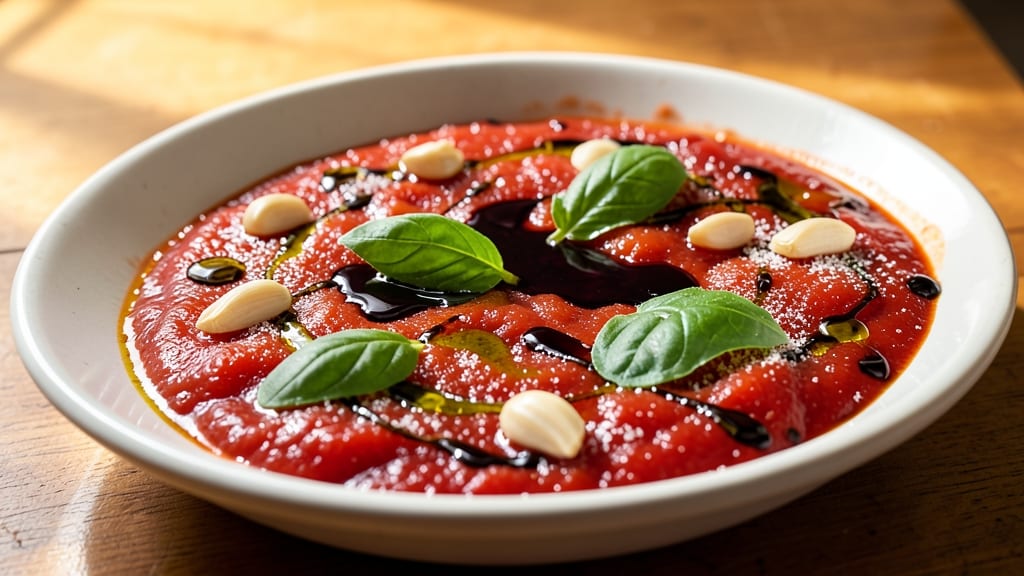
This authentic Italian lasagna sauce recipe transforms ordinary lasagna into a restaurant-worthy masterpiece. The secret lies in slow-simmering San Marzano tomatoes with garlic, olive oil, and fresh basil—creating a sauce so rich it needs no cheese to shine.
I've perfected this recipe over years of testing, ensuring the perfect balance of umami depth and bright acidity that Italian nonnas swear by.
What sets this sauce apart is the technique: tomatoes are cooked low and slow until they break down into a velvety consistency, while fresh basil is added at the end to preserve its bright, aromatic flavor.
A splash of red wine enhances complexity, and a touch of sugar balances the acidity—just like in authentic Italian kitchens. The result is a sauce that clings perfectly to lasagna layers, delivering that signature Italian depth in every bite.
This sauce isn't just for lasagna—it elevates any pasta dish, stuffing, or even as a dipping sauce for crusty bread. The rich, balanced flavors develop even more after 24 hours, making it ideal for meal prep.
With just 10 simple ingredients and an hour of hands-off cooking time, you'll have a sauce that tastes like it came from a trattoria in Rome.
The key to success is patience—rushing the simmering will result in a thin, watery sauce. Let it work its magic on the stove, and you'll reward yourself with layers of flavor that make every lasagna night feel like a celebration. Here's how to make it.
Ingredients for authentic italian lasagna sauce
Ten ingredients, one slow-simmered sauce that elevates lasagna to trattoria-level perfection.
| Ingredient | Amount | Notes |
|---|---|---|
| San Marzano Tomatoes 🍅 | 28 oz | Canned, whole or crushed |
| Extra-Virgin Olive Oil 🫒 | ½ cup | High quality, fruity |
| Garlic Cloves 🧄 | 4 cloves | Peeled, thinly sliced |
| Fresh Basil Leaves 🌿 | ½ cup | Packed, stems removed |
| Dry Red Wine 🍷 | ½ cup | Bold, dry variety |
| Granulated Sugar 🍬 | 1 tbsp | Balances acidity |
| Salt 🧂 | 1 ½ tsp | Diamond Crystal preferred |
| Black Pepper 🌶️ | ½ tsp | Freshly ground |
| Low-Sodium Chicken Broth 💧 | ½ cup | For depth of flavor |
| Freshly Grated Parmesan Cheese 🧀 | ¼ cup | For umami finish |
San Marzano tomatoes are the foundation—look for the official DOP label at Italian markets or specialty stores like Eataly or Whole Foods. Their natural sweetness and low acidity create that signature Italian sauce texture. Fresh basil is non-negotiable here; the grocery store's plastic containers won't cut it. Farmers markets or Trader Joe's have the freshest leaves. For the red wine, any bold, dry variety works—Cabernet Sauvignon, Merlot, or even a Chianti if you're feeling authentic. The olive oil should be extra-virgin with noticeable fruity notes—California or Italian brands from the gourmet section perform best.
No San Marzano tomatoes? Crushed tomatoes in a can work in a pinch, but add an extra pinch of sugar to balance the acidity. Skip the wine? Chicken broth with a splash of balsamic vinegar mimics the depth. Fresh basil unavailable? Dried basil at one-third the amount suffices, though it lacks that bright aroma. The Parmesan can be omitted entirely if you prefer—this sauce shines on its own—but if you add it, freshly grate it for maximum flavor. For the sugar, brown sugar adds subtle caramel notes, but granulated works perfectly fine.
This sauce develops best over time—24 hours in the fridge lets the flavors meld beautifully. Store it in an airtight container with a thin layer of olive oil on top to preserve freshness. It keeps for 5-7 days refrigerated or 3 months frozen. For freezing, portion into ice cube trays first—perfect for adding to future pasta dishes. The sauce thickens as it cools, so you may need to loosen it with a splash of water or broth when reheating.
Why You'll Love This Recipe
- No-Fuss Simplicity: I swear by this sauce because it’s actually simple—just crush tomatoes, simmer, and let the wine and garlic work their magic. No peeling cans, no blender, just a pot and 20 minutes of hands-off time while you chop basil or stir a salad.
- Wine-Infused Magic: That splash of dry red wine? It’s not just for show—it deepens the flavor in ways jarred sauce never could. The San Marzano tomatoes sweeten as they cook, and the basil finishes it with bright, herby freshness that makes every bite taste like a Sunday dinner.
- Leftovers That Last: This sauce keeps perfectly for five days in the fridge, and it only gets better as the flavors meld. I make double batches for lasagna night and freeze half—thaw it straight into bolognese or pizza sauce without a second thought.
- Budget-Friendly Luxury: San Marzano tomatoes and good olive oil might sound fancy, but they stretch further than anything from a jar. A single batch feeds a family of four and leaves enough for pasta—no takeout menus needed, and the taste? Worth every penny.
Step-by-step instructions for authentic Italian lasagna sauce
This sauce delivers the deep, layered flavor Italians rely on for lasagna—slow-simmered for maximum umami.
Sauté Garlic in Olive Oil Until Fragrant
Heat the 0.5 cup extra-virgin olive oil in a heavy-bottomed pot over medium-low heat. Add the 4 cloves peeled garlic cloves and cook for 3-4 minutes until they turn pale golden and release their aroma. Be careful not to let them brown—they should smell sweet and nutty, not bitter.
This gentle cooking step prevents the garlic from burning, which would make the sauce taste harsh. The olive oil should shimmer but not smoke. If it starts to bubble vigorously, reduce the heat slightly. The garlic is ready when it's just beginning to color at the edges.
Add Tomatoes, Wine, and Sugar for Balanced Flavor
Pour in the 28 oz San Marzano tomatoes, crushing them by hand if they're whole. Add the 0.5 cup dry red wine and the 1 tbsp granulated sugar. Stir well to combine, then bring the mixture to a gentle simmer over medium heat. The wine will cook off quickly, intensifying the sauce's depth.
Simmer uncovered for 20-25 minutes until the sauce thickens slightly and the alcohol flavor dissipates. Stir occasionally to prevent sticking. The sugar helps balance the acidity of the tomatoes while enhancing their natural sweetness. If the sauce becomes too thick before the 20 minutes are up, add 2-3 tablespoons of water to maintain consistency.
Season and Simmer for Umami Development
Add the 1.5 tsp salt and 0.5 tsp black pepper, then stir in the 0.5 cup low-sodium chicken broth. Let the sauce simmer uncovered for another 20-25 minutes, stirring occasionally. This slow cooking allows the flavors to meld and develop depth. You'll notice the sauce darkens slightly and becomes richer as it reduces.
Here's where the magic happens: the broth adds a subtle savory note that elevates the sauce from good to exceptional. Taste the sauce as it simmers—it should be balanced, with bright tomato acidity and a touch of sweetness. If it needs more salt, adjust gradually, as the flavors will continue to develop.
Finish with Fresh Basil and Parmesan
Remove the pot from heat and stir in the 0.5 cup fresh basil leaves and 0.25 cup freshly grated Parmesan cheese. Let the sauce sit off the heat for 5-10 minutes to allow the basil to infuse its aroma. The Parmesan adds a nutty, umami finish that ties all the flavors together.
For the best results, use a fine-mesh strainer to remove any large basil stems before serving. The sauce should be smooth, glossy, and deeply flavorful—ready to layer between sheets of pasta for the perfect lasagna. If you're not using it immediately, let it cool slightly before storing in an airtight container in the refrigerator for up to 5 days or freezing for 3 months.
Pro Tips For Making Authentic Italian Lasagna Sauce
- Crank the heat high: I learned this the hard way—simmering San Marzano tomatoes on low turns them mushy and dull. Get that pan screaming hot first, then add the crushed tomatoes and let them blister for 3-4 minutes before reducing. The caramelization builds depth that low-and-slow cooking can’t match.
- Dry your basil properly: Fresh basil wilts into sad sludge when tossed raw. Pat the leaves thoroughly with paper towels, then tear them by hand (not chop) right before adding to the sauce. The last 30 seconds in the hot sauce will revive their aroma—just don’t let them sit, or they’ll turn bitter.
- Deglaze with wine first: That red wine isn’t just flavor—it’s cleanup insurance. After browning the garlic, pour in the wine immediately and let it bubble hard for 2 minutes before adding tomatoes. The alcohol burns off faster this way, and you’ll scrape up way more fond from the pan. (Yes, even if you’re impatient like me.)
- Crush tomatoes by hand: Canned San Marzanos are already peeled, but resist the urge to blend them. Use your fingers to break them into rough chunks—this keeps texture and prevents the sauce from turning into a gluey paste. I skip the food mill entirely; a wooden spoon works just as well.
Essential equipment for perfect results
Heavy-Bottomed Pot
Your sauce's success starts with the right pot—a 5-6 quart heavy-bottomed Dutch oven or stainless steel saucepan prevents scorching and distributes heat evenly. I swear by my All-Clad 5.5-quart pot—it's the gold standard for simmering sauces without hot spots.
If you're on a budget, a Calphalon stainless steel saucepan works beautifully too. Avoid thin aluminum pots, which can burn the sauce at the edges while keeping the center cold. 🔥
Wooden Spoon
A long-handled wooden spoon (at least 12 inches) is essential for stirring without scratching your pot. I prefer olive wood from Lodge—it's gentle on nonstick coatings and absorbs flavors over time. For extra durability, maple or hickory spoons are also great choices.
Avoid metal utensils that can react with the acidic tomatoes and create an off-flavor. Keep your wooden spoon in the pot while simmering to prevent sticking.
Fine-Mesh Strainer
For a silky-smooth sauce, a fine-mesh strainer (like the OXO Good Grips) removes any basil stems or garlic bits that could make your sauce grainy. I use mine after the sauce cools slightly—just press the solids gently with a spoon to extract every last bit of flavor.
If you don't have one, a cheesecloth works in a pinch, but it requires more effort. This step ensures your sauce has that restaurant-quality texture that clings perfectly to lasagna layers. ✨
Measuring Spoons
Precision matters with small ingredients like salt, sugar, and pepper—use stainless steel measuring spoons for accuracy. I keep a set of OXO Good Grips near my stove for quick adjustments.
For the 1 tbsp sugar and 0.5 tsp pepper, even a slight mismeasure can throw off the sauce's balance. Pro tip: Sprinkle dry ingredients over the back of a spoon before adding to the pot to prevent clumping.
A digital scale is ideal for the Parmesan, but if you don't have one, use a 1/4 cup measure and pack it firmly.
Kitchen Timer
Timing is everything with this sauce—set a kitchen timer for the 45-50 minutes of simmering to avoid overcooking. I use a simple digital timer from Amazon Basics because it's loud enough to hear over the stove. Over-simmering can make the sauce too thick or develop a bitter taste.
The timer ensures you pull the sauce off heat at the perfect moment, right before adding the basil. Pro move: Place the timer where you can see it while stirring to avoid distractions. ⏰
Nutrition facts
Frequently asked questions
Why does this sauce need red wine when other recipes don't?
The red wine adds depth and complexity that simple tomato sauce lacks. As it simmers, the alcohol cooks off, leaving behind rich, fruity notes that balance the acidity of the tomatoes. This is a classic Italian technique—think of it as the "secret ingredient" that transforms basic tomato sauce into something truly special.
Can I make this sauce without fresh basil? What's the best substitute?
Fresh basil is ideal, but if unavailable, use 1 tbsp dried basil (about one-third the amount). For extra flavor, add 1 tsp dried oregano along with the dried basil. The key is to add it at the end while the sauce is still warm to infuse the aroma properly.
How do I know when the sauce is thick enough for lasagna?
The sauce should coat the back of a wooden spoon smoothly but still be pourable. If it's too thick, add 1-2 tablespoons of water or broth while reheating. For lasagna, you want a sauce that clings to the pasta layers without making them soggy—this sauce achieves that perfect balance when simmered for the full 45-50 minutes.
Is this sauce too acidic for picky eaters?
The sugar in the recipe balances the acidity perfectly, but if you're concerned, reduce the tomatoes to 24 oz and add 1 extra tablespoon of sugar. For extra richness, stir in 1 tbsp tomato paste with the initial garlic. The Parmesan also helps neutralize any sharp tomato flavors.
Can I use this sauce for other dishes besides lasagna?
This versatile sauce works perfectly for pasta dishes, stuffed peppers, or as a dipping sauce for crusty bread. For pasta, add a splash of pasta water to loosen the sauce slightly. The rich flavor also makes it ideal for meatball subs or as a topping for grilled chicken. The sauce develops even more depth when reheated, so it's great for meal prep!