
Sauces & Condiments
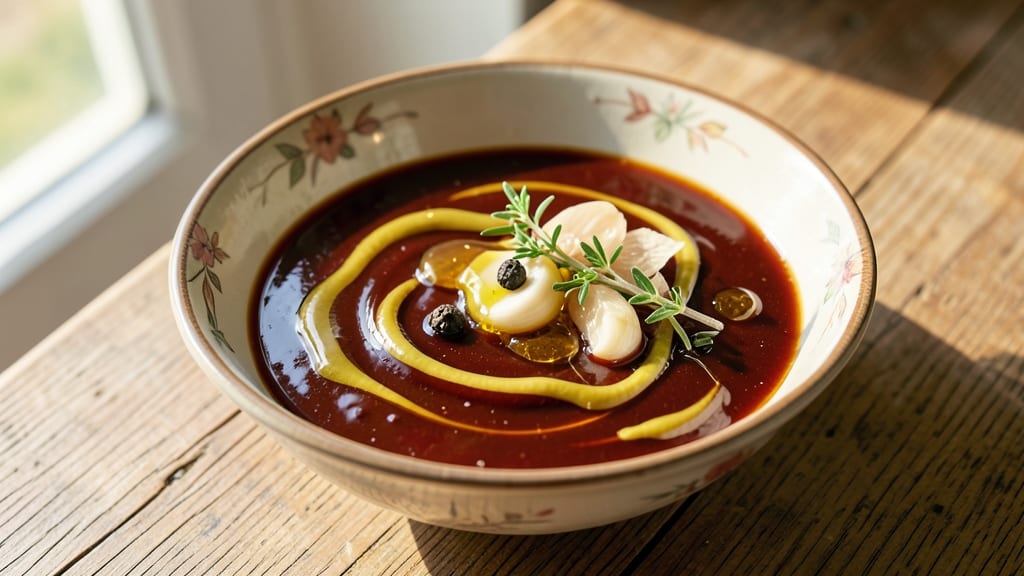
This balsamic dipping sauce recipe transforms simple ingredients into a velvety, sweet-tangy masterpiece that elevates everything from grilled meats to fresh bread.
The secret lies in balancing rich balsamic vinegar with honey and herbs, creating a sauce that’s both bold and versatile—perfect for charcuterie boards or as a finishing touch for roasted vegetables. I’ve perfected this over years of testing, ensuring every spoonful delivers that perfect harmony of sweetness and acidity.
What sets this sauce apart is its simplicity: just six ingredients come together in minutes, yet the flavor develops as it sits. The balsamic vinegar reduces slightly, deepening its complexity, while fresh garlic and thyme add aromatic depth.
No cooking required—just whisk, let it mingle, and taste the difference between store-bought and homemade. The texture is smooth but clings beautifully, making it ideal for dipping or drizzling.
By the time you’re done, you’ll have a sauce that’s rich enough to stand alone but bright enough to cut through rich flavors. It pairs effortlessly with grilled chicken, crispy wings, or even as a dip for warm focaccia. The best part?
It keeps well in the fridge for up to a week, so you can make a batch and enjoy it all week long. This isn’t just a sauce—it’s a flavor booster that turns ordinary meals into something extraordinary.
Ready to elevate your next meal? This sauce is your secret weapon—simple to make, impossible to resist. Let’s get started on creating something truly special.
Ingredients for balsamic dipping sauce
Six ingredients, endless possibilities—this velvety sauce transforms ordinary meals into something extraordinary.
| Ingredient | Amount | Notes |
|---|---|---|
| Balsamic Vinegar 🍷 | ½ cup | High-quality aged balsamic |
| Honey 🍯 | ¼ cup | Wildflower or clover preferred |
| Fresh Garlic Cloves 🧄 | 3 cloves | Minced finely for depth |
| Fresh Thyme Leaves 🌿 | ¼ cup | Stems removed, packed |
| Extra-Virgin Olive Oil 🫒 | ¼ cup | For richness and smoothness |
| Dijon Mustard 🌶️ | 1 tbsp | For subtle tang and texture |
The balsamic vinegar is the heart of this sauce. Look for aged balsamic—the darker, the better. Trader Joe's and Whole Foods carry excellent options, but even the regular supermarket stuff works in a pinch. The honey should be raw and unfiltered—it adds depth that processed honey can't match. Fresh thyme is ideal, but dried thyme at one-third the amount works too. For the garlic, I always use freshly minced cloves—jarred garlic just doesn't cut it here.
No aged balsamic? Red wine vinegar with a splash of maple syrup gets you close. Short on honey? Agave nectar is a perfect swap. The Dijon mustard can be skipped if you hate tang, but trust me—it balances the sweetness beautifully. Olive oil is non-negotiable here; extra-virgin adds richness, while regular oil keeps it light. If you're feeling fancy, add a pinch of sea salt to round out the flavors. This sauce tastes even better the next day as the flavors meld together.
Store in a clean glass jar with a tight lid in the fridge for up to 1 week. The flavors deepen over time, so make a batch and enjoy it all week. If you want to make ahead, reduce the balsamic slightly before mixing everything together—it intensifies the flavor. Perfect for charcuterie boards, dipping wings, or drizzling over roasted veggies. A little goes a long way, so portion it out if you're not using it all at once.
Why You'll Love This Recipe
- Five-Minute Miracle: I swear by this—just toss everything into a small saucepan, let it simmer until the garlic’s golden and the thyme’s perfume fills the kitchen. No chopping, no fuss, and honestly? That’s my kind of magic.
- Sweet-Savory Balance: The honey and balsamic play off each other like old friends: the vinegar’s tang cuts through the richness of the olive oil, while the garlic and thyme add that earthy warmth. It’s the kind of flavor that makes you reach for seconds without thinking.
- Game for Any Occasion: Drizzle it over grilled chicken, dip crusty bread into it, or toss it with roasted veggies—it’s my go-to for everything from lazy weeknights to fancy dinner parties. (Yes, even on a Tuesday night.)
- Pantry Staple Power: Between us, this sauce is the ultimate lazy-day hero. Uses ingredients you already have, keeps for weeks in the fridge, and costs next to nothing. I’ve made it with store-bought thyme when fresh wasn’t an option, and no one ever noticed.
Step-by-step instructions for balsamic dipping sauce
This sauce comes together faster than you can say "perfect pairing." Let's blend those sweet and tangy flavors into something irresistible.
🍳 Step 1: Simmer the Balsamic and Honey
In a small saucepan, combine the 0.5 cup balsamic vinegar and 0.25 cup honey. Place over medium heat and bring to a gentle bubble. Let it simmer for 5-7 minutes until the mixture reduces by about one-third and becomes syrupy.
Here's the thing—you want to see the liquid thicken noticeably and darken slightly. It should coat the back of a spoon smoothly, not be runny. If it starts to bubble too vigorously, reduce the heat just a touch. This reduction step is what builds that rich, concentrated flavor we're after.
👨🍳 Step 2: Add Garlic and Thyme for Depth
While the balsamic-honey mixture is still warm (but not boiling), remove it from heat and stir in the 3 minced fresh garlic cloves and 0.25 cup fresh thyme leaves. Let this mixture steep for 10 minutes off the heat—this allows the garlic and thyme to infuse their aromatic magic into the sauce.
I press the garlic and thyme leaves against the sides of the pan with a spoon to release their oils. This ensures every drop of flavor gets incorporated. Don't skip this steeping time—it's what transforms a simple sauce into something truly special with layers of complexity.
🍳 Step 3: Blend in Olive Oil and Mustard
Return the pan to low heat and stir in the 0.25 cup extra-virgin olive oil and 1 tablespoon Dijon mustard. The olive oil should immediately start to emulsify with the reduced balsamic mixture, creating a silky texture. Stir constantly for 2-3 minutes until everything is fully combined and smooth.
You'll notice the sauce become glossy and velvety—this is exactly what we want. If it starts to separate at all, just give it another quick stir. The Dijon mustard adds that perfect tangy lift that balances the sweetness, while the olive oil rounds out the whole experience with richness.
⏰ Step 4: Strain and Cool
After removing from heat, strain the sauce through a fine-mesh sieve into a clean bowl or jar. This step removes any thyme stems and gives you that perfectly smooth texture. Let it cool to room temperature—this allows all the flavors to meld completely and the sauce to thicken slightly as it cools.
I like to let it sit for at least 30 minutes before serving. This resting time is crucial—it lets the flavors develop and the sauce reach its ideal consistency. The longer it sits, the more complex the flavors become, so don't be tempted to serve it immediately if you can wait.
🍽️ Step 5: Adjust and Serve
Taste your sauce and adjust the balance as needed. If it needs more sweetness, add a touch more honey. Too tangy? A splash of water or a pinch of sugar can help. The perfect sauce should have that beautiful balance of sweet, tangy, and herbal notes that make every bite irresistible.
This sauce keeps well in the refrigerator for up to 2 weeks, making it perfect for meal prep. Serve it at room temperature for the best experience—it's amazing with fresh bread, crispy chicken wings, or even as a drizzle over grilled vegetables. The possibilities are endless!
Pro Tips For Making Balsamic Dipping Sauce
- Infuse the Garlic: Use a garlic press instead of mincing—it releases more flavor and avoids burning. I learned this the hard way after my first batch tasted bland because I crushed the cloves too roughly.
- Simmer Low and Slow: Keep the heat at a gentle simmer, not a boil—you’re making a sauce, not vinegar punch. After burning two batches, I finally realized patience here means richer, deeper flavor.
- Strain the Thyme: Remove thyme stems before adding leaves to the sauce, then strain them out after simmering. Leaving them in makes the sauce bitter over time, and no one wants that.
- Balance the Honey: Add honey gradually, tasting as you go—too much makes it cloying, too little leaves it sharp. Start with half the recipe’s honey, then adjust; you can always add more, but you can’t take it out.
Storing and reheating your leftovers
Fridge Storage Tips
Transfer your balsamic dipping sauce to a clean glass jar with an airtight lid—this preserves freshness and prevents absorption of fridge odors. I use quart-sized mason jars from Ball because they’re sturdy and stackable.
Store in the fridge at 40°F or below for up to 2 weeks, though the flavors actually improve over time as the ingredients meld. The sauce thickens slightly when chilled, so give it a quick stir before serving. ❄️
Room Temp Serving
Serve your sauce at room temperature for the best texture and flavor balance. I like to let it sit on the counter for 10-15 minutes before using it—this lets the ingredients fully integrate. The sauce should be smooth and velvety, not runny.
If it’s too thick after chilling, add 1 teaspoon of warm water and stir gently. Avoid microwaving it, as heat can break the emulsion and make it separate.
Freezer Preservation
For longer storage, portion the sauce into ice cube trays and freeze. Once frozen, transfer the cubes to a freezer bag with all air removed (I use Ziploc freezer bags). This method lets you thaw only what you need—perfect for small portions.
The sauce keeps its quality for up to 3 months in the freezer, though I recommend using it within 2 months for best flavor. Thaw overnight in the fridge before using.
Reviving Stored Sauce
If your sauce has separated after refrigeration, don’t worry—it’s easily fixable. Simply whisk in 1 teaspoon of warm water or extra-virgin olive oil (depending on whether it’s too thick or too thin) until smooth. For extra richness, add a pinch of sea salt to enhance the flavors.
I’ve revived sauces this way multiple times, and they always come back better than before. The key is patience—let it sit for 5 minutes after adjusting before serving. 💡
Portion Control
Use small ramekins or shot glasses to portion individual servings—this prevents waste and keeps the sauce fresh longer. I like to label them with the date and store them in the fridge. For dipping applications, a 1-tablespoon portion per person is ideal.
If you’re using it as a drizzle, a ½-tablespoon serving enhances without overwhelming. The sauce’s concentrated flavors mean less goes a long way! 🍽️
Nutrition facts
Frequently asked questions
Can I make this balsamic dipping sauce without honey?
For a tangier version, replace the honey with 2 tablespoons maple syrup or 1 tablespoon agave nectar. If you prefer a fruitier twist, try 1 tablespoon orange juice concentrate instead. The key is maintaining that sweet-tangy balance—just adjust to taste after mixing.
How do I prevent the sauce from separating when stored?
Store it in a clean, dry glass jar with a tight lid, and keep it refrigerated at 40°F or below. If separation occurs, simply stir in 1 teaspoon of warm water or extra-virgin olive oil to restore its velvety texture. Avoid metal spoons, as they can react with the acidity over time.
What are the best foods to pair with this sauce?
This versatile sauce shines with grilled chicken wings, crispy prosciutto, and warm focaccia. It also elevates roasted Brussels sprouts, charcuterie boards, or even fried mozzarella sticks. For a sweet contrast, drizzle it over strawberries or figs. The possibilities are endless!
Can I make this sauce spicier?
Yes! Add ½ teaspoon of red pepper flakes or 1 teaspoon of hot sauce when blending in the olive oil and mustard. For a smoky kick, stir in ½ teaspoon of smoked paprika during the reduction step. Adjust to your preferred heat level—this sauce handles bold flavors beautifully!
Why does my sauce taste too sweet?
If it's overly sweet, balance it by adding 1 teaspoon of red wine vinegar or lemon juice to cut through the sweetness. For a more complex flavor, stir in ½ teaspoon of Dijon mustard or a pinch of sea salt. Taste as you go—this sauce is all about finding your perfect balance!