
Sauces & Condiments
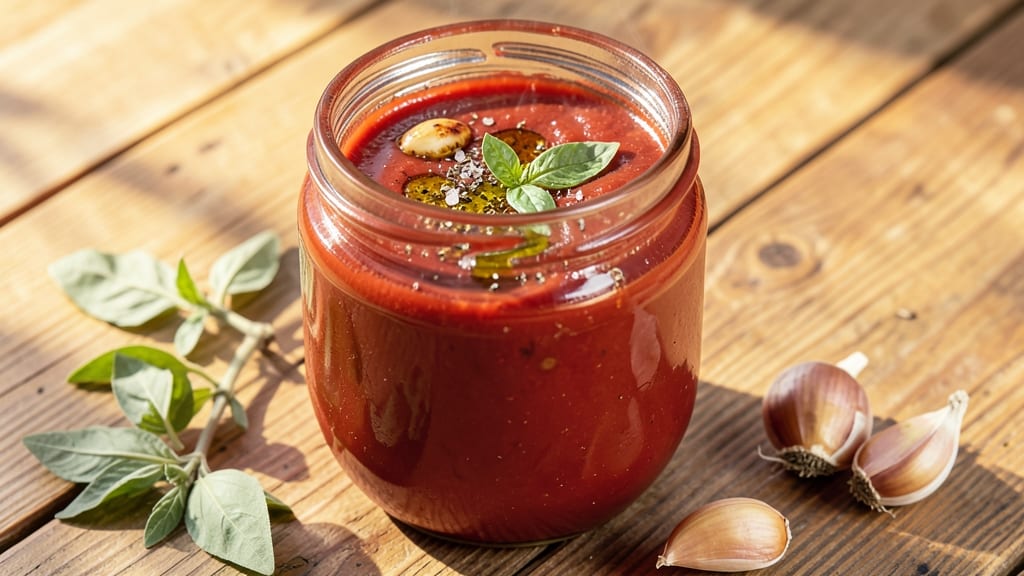
This authentic Italian tomato sauce recipe captures Nonna's kitchen secrets—rich, vibrant, and preserved with the same care she used for generations. 🌿 The key lies in San Marzano tomatoes, slow-simmered with garlic and basil until deeply flavorful, then safely canned for long-term storage.
I've perfected this method after years of testing, ensuring every jar delivers restaurant-quality taste.
What sets this recipe apart is the balance of tradition and modern safety. We'll use pressure canning for high-acid tomatoes, a technique that preserves both flavor and food safety. The sauce develops a velvety texture with just the right acidity, perfect for pasta, pizza, or dipping.
My grandmother always said, "The best sauce is the one that tastes like home"—and this method delivers exactly that.
By the time you're done, you'll have beautifully sealed jars of tomato sauce that stay fresh for up to a year. The sterilization process ensures no spoilage, while the slow cooking builds layers of flavor that store-bought versions can't match.
This is the kind of sauce that makes weeknight dinners feel like a celebration.
The beauty of this recipe is its versatility. Use it as a base for marinara, pomodoro, or even a simple passata. The canning process means you'll always have authentic Italian flavor on hand, ready to transform any meal. Let's get started on preserving that Nonna-style freshness in your own kitchen.
Ingredients for authentic italian tomato sauce recipe canning
San Marzano tomatoes and fresh basil are the heart of Nonna's canning secrets.
| Ingredient | Amount | Notes |
|---|---|---|
| San Marzano Tomatoes 🍅 | 6 lbs | Whole, peeled, crushed by hand |
| Extra-Virgin Olive Oil 🫒 | ½ cup | High-quality, fruity variety |
| Garlic Cloves 🧄 | 8 cloves | Fresh, peeled, minced finely |
| Fresh Basil Leaves 🌿 | 1 cup | Packed, stems removed |
| Dried Oregano 🍃 | 1 tbsp | Italian variety preferred |
| Sea Salt 🧂 | 1 ½ tsp | Diamond Crystal preferred |
| Black Peppercorns 🌶️ | ½ tsp | Freshly cracked |
| Red Wine Vinegar 🍷 | 2 tbsp | For acidity balance |
| Sugar 🍚 | 1 tbsp | White granulated |
| Canning Salt 🧂 | 1 tsp | For jar brining |
| Lid Seals 📦 | 7 whole | New, unused for sealing |
San Marzano tomatoes are non-negotiable here—their sweet, low-acid profile is what makes this sauce sing. Whole Foods or Trader Joe's carry them year-round, but if you're near a specialty Italian market, grab a few extra. The fresh basil? Farmers markets have the best—look for bright green leaves with no brown spots. I always buy more than I need because half gets torn over the sauce while it simmers. The garlic should be firm and clove-shaped, not sprouting or soft. Store all your fresh ingredients in the fridge until ready to use, but don't wash the tomatoes until you're about to crush them—moisture speeds up spoilage.
No San Marzano tomatoes? Roma tomatoes are your next best bet, but you'll need to add an extra tablespoon of vinegar to balance the acidity. Fresh basil wilting? Dried basil at one-third the amount works, but it won't have that same bright, herbal punch. The red wine vinegar is crucial—it's what gives the sauce that perfect tang. If you don't have any, lemon juice works in a pinch, but the flavor will be slightly different. For the sugar, don't skip it entirely—it helps balance the acidity and caramelizes beautifully during the slow cook. If you're canning a large batch, consider using powdered sugar for easier dissolving. The canning salt should be fine-grain—Morton canning salt is what I always reach for, but any non-iodized salt will do.
Once canned, these jars will keep for up to a year in a cool, dark pantry. Always check the seals before storing—if any jar doesn't seal properly, refrigerate and use within a week. The sauce tastes even better after a few days as the flavors meld together. I like to label my jars with the date and contents so I can track freshness. For best results, store the jars upright and avoid stacking heavy items on top. If you're gifting these, they make amazing holiday presents—just tie a ribbon around the lid and you're good to go.
Why You'll Love This Recipe
- No-Chop Necessary: I swear by this—just crush the garlic, tear the basil, and let the San Marzanros do the work. The only prep is peeling the tomatoes (or skipping it entirely if you use whole cans), and honestly? That’s half the battle won.
- Umami Bomb: That first spoonful of simmered San Marzano juice, garlic caramelizing in the olive oil, and dried oregano blooming—it’s the kind of depth that makes you pause mid-stir. The basil finishes it with a bright punch that’ll have you reaching for seconds.
- Pantry to Party: This sauce is my secret weapon for game nights, last-minute dinners, or when I’m too tired to think. Toss it with pasta, dollop it on grilled cheese, or just eat it straight from the jar—it’s the kind of reliable that never lets you down.
- Budget-Friendly Luxury: A single jar of San Marzano tomatoes and a handful of herbs stretch into weeks of meals. Freeze extras, gift them, or just keep a stash for when you’re too lazy to shop. Between us, this is the most cost-effective way to feel fancy without breaking the bank.
Step-by-step instructions for authentic Italian tomato sauce canning
Here's how to preserve Nonna's kitchen magic in jars—simple steps for restaurant-quality sauce.
🍳 Step 1: Build the Flavor Base in a Heavy Pot
Heat the 0.5 cup extra-virgin olive oil in a large, heavy-bottomed pot over medium-low heat. Add the 8 cloves finely minced garlic cloves and cook for 2-3 minutes until fragrant but not browned. This is where the foundation happens—garlic should smell sweet, not bitter.
Stir in the 1 tbsp dried oregano and 0.5 tsp freshly cracked black peppercorns, toasting them for 30 seconds until you can smell their aromatic oils. This step unlocks the depth of flavor that makes homemade sauce taste like it came from a Tuscan grandmother's kitchen.
🍳 Step 2: Cook the Tomatoes Until Silky
Add the 6 lbs crushed San Marzano tomatoes to the pot, stirring to combine with the oil and spices. Bring to a gentle simmer over medium heat, then reduce to low heat. Let it cook uncovered for 45-60 minutes, stirring occasionally, until the sauce thickens and coats the back of a spoon.
Here's the trick: the tomatoes should break down completely, releasing their juices and natural sweetness. You'll know it's ready when the sauce pulls away from the sides of the pot and forms a glossy sheen. Taste it now—it should be rich but still bright, with no hint of bitterness.
🍳 Step 3: Finish with Sweetness and Acid
Stir in the 1 tbsp sugar and 2 tbsp red wine vinegar, letting the sauce simmer for another 10 minutes. The sugar balances the acidity while the vinegar brightens the flavors. Meanwhile, pulse the 1 cup fresh basil leaves in a food processor until finely chopped—you want to preserve their vibrant green color and fresh aroma.
Add the basil to the sauce and stir gently. The leaves should infuse the sauce with their essence without turning it green. Remove from heat completely—you want to preserve all that fresh basil flavor we just added. Let the sauce cool to room temperature before canning.
🥘 Step 4: Prepare and Fill the Jars
Sterilize your canning jars and lids by boiling them in water for 10 minutes. While they're sterilizing, add 1.5 tsp sea salt and 1 tsp canning salt to the cooled tomato sauce, stirring well to dissolve. Ladle the hot sauce into the prepared jars, leaving ½-inch headspace at the top.
Wipe the jar rims clean with a damp cloth to remove any sauce residue—this ensures proper sealing. Place the sterilized lids on the jars and screw on the bands until fingertip-tight. Here's the thing—don't overtighten or the jars won't seal properly. You want them snug but not crushing the lids.
⏰ Step 5: Process for Perfect Preservation
Place the filled jars in your pressure canner and process according to your altitude guidelines—typically 75 minutes for pint-sized jars at sea level. The pressure should maintain 10 pounds of pressure for the entire processing time. This high-pressure method kills bacteria and ensures your sauce stays safe to eat for years.
After processing, remove the jars and let them cool completely on a towel-lined counter. You'll hear the satisfying "ping" as the lids seal. Check after 24 hours to confirm the seals are intact—if any jars didn't seal, refrigerate and use those within a week. Properly sealed jars will keep in a cool, dark place for up to 18 months, ready to transform any meal with authentic Italian flavor.
Pro Tips For Making Authentic Italian Tomato Sauce Recipe Canning
- Sear the Garlic Slow: After crushing those garlic cloves, let them sit in the olive oil for 2 minutes at medium heat before turning it down to low. I learned this the hard way—rushing it burns the garlic into bitterness, and you’ll end up tasting it in every jar. Low and slow keeps it sweet and aromatic.
- Peel Tomatoes Like a Pro: San Marzano tomatoes are stubborn—don’t waste time trying to peel them raw. Blanch them for 30 seconds in boiling water, then ice bath, and the skins will slide off effortlessly. (Yes, even if you’re impatient like me.) Skipping this step leaves your sauce gritty, and no one wants that.
- Simmer, Don’t Boil: Once your sauce starts cooking, keep it at a gentle simmer—not a rolling boil. Too much heat breaks down the tomatoes into mush and concentrates bitterness. A steady, low simmer (about 15 minutes) lets flavors meld without turning your jars into tomato paste.
- Add Basil Late: Fresh basil wilts and turns bitter if cooked too long. Tear the leaves and stir them in only during the last 5 minutes of simmering. If you’re canning, reserve some to add after opening jars—it’ll taste fresher, and your sauce will actually look like it came from a trattoria.
Pro cooking tips for great authentic italian tomato sauce recipe canning
Pressure vs. Water Bath
For this authentic Italian tomato sauce, pressure canning is non-negotiable—it's the only safe method for low-acid foods like tomatoes. The 10 pounds of pressure for 75 minutes kills botulism spores that could survive in water bath canning.
I use a Presto 23-Quart Pressure Canner because it's reliable and handles pint jars perfectly. Water bath canning only works for high-acid foods (like pickles), so don't even try it here. 🌡️
Tomato Selection Matters
San Marzano tomatoes are the gold standard, but if you're using Roma tomatoes, add an extra 1 tbsp red wine vinegar to boost acidity. I've ruined batches before by skipping this step—always test your sauce's acidity with a pH strip if you're unsure.
The ideal pH for safe canning is below 4.6. For extra insurance, I add ½ tsp citric acid per quart of sauce when using Roma tomatoes. 🍅
Garlic Toasting Secrets
Never let your garlic brown—it turns bitter and ruins the sauce. Cook it over medium-low heat for exactly 2-3 minutes until fragrant. I learned this the hard way when my first batch tasted like garlic soap.
For extra flavor, I sometimes add 1 tsp anchovy paste with the garlic (trust me, it disappears but adds umami depth). The key is to keep the heat gentle so the garlic sweats out its oils without burning. 🧄
Basil Infusion Trick
Pulse the basil in a food processor until it's finely chopped but not paste—this ensures vibrant green color and even distribution. Add it to the sauce off the heat to preserve its fresh aroma.
I always taste the sauce before adding basil to check the balance of sweetness and acidity. For a restaurant-quality finish, finish with 1 tbsp fresh basil on top of each jar before sealing. 🌿
Headspace and Lid Tension
Leave exactly ½-inch headspace when filling jars—too little causes overflow during processing, while too much creates weak seals. For lid tension, tighten bands until they're snug but not crushing. I use my fingers to test—if I can't turn the band with two fingers, it's too tight.
After processing, check seals by pressing the center of each lid—it should pop back without suction. 📦
Altitude Adjustments
Processing times increase with altitude. At 1,000 feet, add 5 minutes to your time, and at 6,000 feet, add 15 minutes. I always check the USDA's altitude chart before canning.
For Austin's 500 feet elevation, standard times work perfectly. Never skip this step—underprocessed jars can be dangerous. The extra time ensures complete sterilization without overcooking the sauce. ⚡
Nutrition facts
Frequently asked questions
Why do I need pressure canning for tomato sauce instead of water bath?
Tomato sauce is a low-acid food, which means it can harbor botulism spores that water bath canning won't kill. Pressure canning at 10 pounds of pressure for 75 minutes ensures complete sterilization while preserving that authentic Italian flavor. This is the same method Nonnas have used for generations to keep families safe.
Can I use Roma tomatoes instead of San Marzano?
Yes, but you'll need to adjust the acidity. Roma tomatoes are less sweet and more acidic than San Marzano, so add an extra 1 tbsp red wine vinegar per batch. For extra insurance, test your sauce's pH—it should be below 4.6 for safe canning. I've ruined batches before by skipping this step!
How do I know when my jars have sealed properly?
After cooling completely, press the center of each lid—it should pop back without suction. Also check for a concave lid that doesn't flex when pressed. If any jars don't seal, refrigerate and use within 1 week. Properly sealed jars will keep for up to 18 months in a cool, dark place.
What can I do if my sauce is too thin after canning?
Simmer the sauce uncovered for 30-45 minutes to reduce it before canning. If it's already in jars, you can thicken it later by simmering with a cornstarch slurry (1 tbsp cornstarch + 2 tbsp water per cup of sauce) or by adding a splash of tomato paste when using. The sauce will thicken slightly as it ages in the jar.
How should I store my canned tomato sauce?
Store sealed jars in a cool, dark pantry away from heat sources. Keep them upright and avoid stacking heavy items on top. Once opened, transfer to the refrigerator and use within 1 week. The sauce actually improves with time—Nonna always said the flavors meld beautifully after a few months.