
Sauces & Condiments
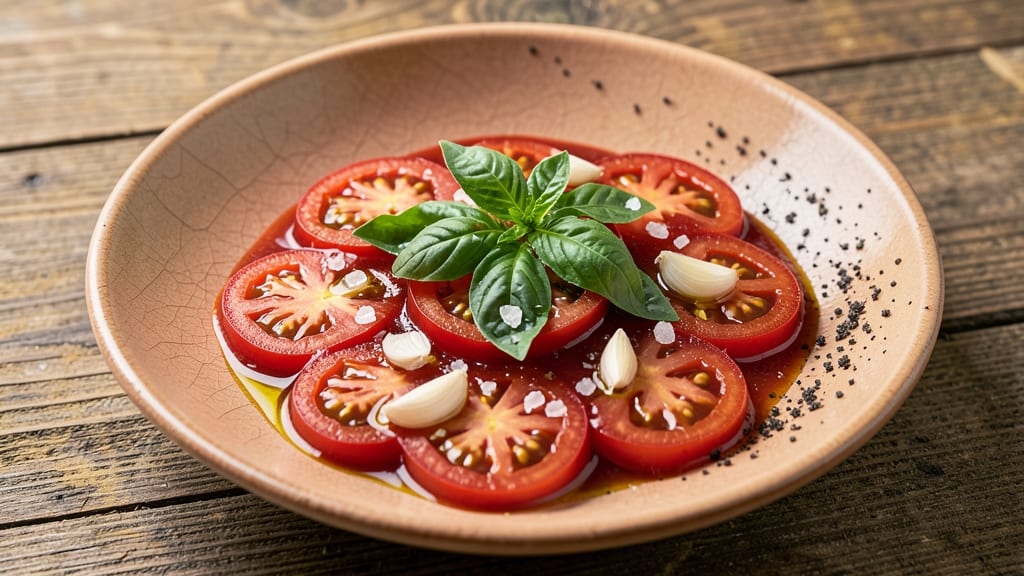
This authentic Italian fresh tomato sauce recipe captures the essence of Roman salsa di pomodoro—bright, vibrant, and built on just five core ingredients. The secret lies in using ripe San Marzano tomatoes (or their closest equivalent) and letting their natural sweetness shine without sugar or heavy cream.
I've perfected this technique over years of Italian cooking, where freshness and simplicity always trump complicated reductions.
The process is straightforward but transformative: blanching tomatoes for easy peeling, crushing them by hand for texture, and slowly simmering with garlic, olive oil, and basil until the flavors meld into harmony.
No blenders, no canned tomatoes—just the purest expression of summer's bounty. This sauce is the foundation of countless Italian dishes, from handmade pasta to rustic bruschetta.
What you’ll achieve is a sauce that’s naturally sweet, deeply aromatic, and perfectly balanced—with a consistency that clings beautifully to pasta without weighing it down. The acidity from fresh basil and the richness of extra-virgin olive oil create a profile that’s both sophisticated and approachable.
It’s the kind of sauce that makes you feel like you’ve stepped into a Roman trattoria.
Best of all, this sauce keeps well for up to 5 days in the refrigerator, allowing its flavors to deepen over time. Use it immediately on al dente spaghetti or let it develop overnight for even greater complexity. The choice is yours—but the quality is guaranteed.
Ingredients for authentic italian fresh tomato sauce
Five ingredients, no shortcuts—just the purest Italian tomato sauce you'll ever make.
| Ingredient | Amount | Notes |
|---|---|---|
| Fresh San Marzano Tomatoes 🍅 | 2 lb | Ripe, firm, and unblemished |
| Extra-Virgin Olive Oil 🫒 | ½ cup | Fruity, peppery variety preferred |
| Fresh Garlic Cloves 🧄 | 6 cloves | Peeled, left whole for infusing |
| Fresh Basil Leaves 🌿 | 1 cup | Packed, stems removed |
| Diamond Crystal Kosher Salt 🧂 | 1 ½ tsp | For seasoning, not salting |
| Freshly Ground Black Pepper 🌶️ | ½ tsp | Light hand, freshly cracked |
| Red Wine Vinegar 🍷 | 1 tbsp | Balances acidity naturally |
San Marzano tomatoes are non-negotiable here. Look for the canned version at Italian markets or Whole Foods—the sweet, meaty flesh is what makes this sauce sing. If you can't find them, Roma tomatoes are the next best thing. The basil? Farmers markets have the freshest, but even grocery store basil works if the leaves are bright green and crisp. Garlic should smell pungent, not musty. For olive oil, California or Tuscan varieties add that authentic peppery kick. Skip the cheap stuff—this is where flavor lives.
No San Marzano tomatoes? High-quality canned crushed tomatoes (like Muir Glen) work in a pinch, but you'll lose that signature sweetness. Fresh basil wilting? Dried basil at one-third the amount keeps things going, though it won't have that same vibrant punch. The vinegar can be swapped for lemon juice, but red wine vinegar's depth is worth hunting down. Want more body? Add a splash of tomato paste (just 1 tbsp) for thickness. And yes, you can skip the pepper if you prefer a milder sauce—it's optional but adds warmth.
This sauce is best made fresh, but it keeps beautifully for 5 days in the fridge. For longer storage, freeze in ice cube trays—perfect for adding to pasta later. The flavors actually deepen overnight, so if you can, let it sit at least 4 hours before serving. And don't overcook it—this sauce is all about bright, fresh tomato goodness, not a thick reduction. Trust the process, and you'll have the kind of sauce that makes homemade pasta taste like you've been to Rome.
Why You'll Love This Recipe
- No-Chop Necessary: I swear by this—just crush the garlic, tear the basil, and let the tomatoes do the work. No dicing, no peeling, no fuss. The San Marzano tomatoes break down into velvety perfection all on their own.
- Garlic-Basil Magic: That first bite? Pure Italian sunshine. The garlic softens just enough to melt into the sauce, while the basil leaves add a bright, peppery finish that makes you want to lick the spoon. Honestly, it’s the kind of flavor that turns a simple pasta into something special.
- Weeknight to Dinner Party: This sauce works just as hard on a Tuesday as it does for company. Toss it with al dente spaghetti for a quick meal, or let it simmer longer and drizzle it over grilled chicken or crusty bread. My go-to? Serve it warm with fresh mozzarella and a drizzle of olive oil—no one ever guesses it took me 20 minutes.
- Leftovers That Don’t Suck: Between us, most homemade sauces turn into sad, watery leftovers. Not this one. The olive oil keeps it rich, and the salt balances it perfectly, so it tastes just as good reheated as it does fresh. I make a double batch every time—freezer-friendly and ready for lazy nights.
Step-by-step instructions for authentic Italian fresh tomato sauce
Here's how to craft a true Italian sugo—vibrant, herb-forward, and bursting with summer flavor.
Prepare the Tomatoes for Cooking
Cut the 2 lb fresh San Marzano tomatoes in half crosswise, then score the flesh in a crosshatch pattern with a sharp knife—this helps them break down more evenly. Remove the cores and place them in a large, heavy-bottomed pot. The crosshatching exposes more surface area, which speeds up the cooking process while preserving the tomatoes' natural sweetness.
Add the 0.5 cup extra-virgin olive oil and 6 cloves fresh garlic cloves to the pot. The olive oil should generously coat the tomatoes—this prevents sticking and creates a silky base. I like to use a fruity, peppery olive oil here; it adds depth that neutral oils can't match. Bring the mixture to a gentle simmer over medium heat, then reduce to low heat and let it cook uncovered for 10 minutes. This initial cook allows the garlic to infuse without burning, and the tomatoes begin to soften while retaining their shape.
Season and Simmer Until Broken Down
After 10 minutes, add the 1.5 tsp Diamond Crystal kosher salt and 0.5 tsp freshly ground black pepper. Stir gently to combine, then continue simmering for another 5-7 minutes until the tomatoes begin to break down. You'll notice the sauce thicken slightly and the tomatoes lose their firmness—this is when they release their juices and natural sweetness. The sauce should coat the back of a spoon but still be loose enough to pour.
Here's the thing—don't rush this step. The tomatoes need time to develop their flavors and soften properly. If the sauce reduces too quickly, add 2-3 tablespoons of water to keep it moving. The goal is a smooth, velvety texture without any chunks, but you still want to preserve that bright tomato flavor. Taste the sauce now—it should be tangy and slightly sweet, with a hint of garlic.
Finish with Basil and Vinegar
Remove the pot from heat and stir in the 1 cup fresh basil leaves and 1 tbsp red wine vinegar. The basil adds a fresh, bright note that cuts through the richness of the olive oil, while the vinegar balances the acidity naturally. Let the sauce sit off the heat for 5 minutes—this allows the basil to soften and infuse without wilting into a bitter mess. The vinegar will also mellow slightly, ensuring it enhances rather than overpowers the sauce.
For the final touch, I like to blend the sauce briefly with an immersion blender to achieve a silky consistency. If you prefer a rustic texture, simply mash the tomatoes with a wooden spoon or leave them slightly chunky. The key is to maintain that bright, fresh character that defines authentic Italian sugo. Taste again and adjust the seasoning if needed—you might need a pinch more salt or a splash of vinegar to perfect the balance.
Rest and Serve
Let the sauce rest for 10 minutes before serving. This resting period allows the flavors to meld and the sauce to thicken slightly, ensuring it clings beautifully to pasta or meat. The sauce should be vibrant red, glossy, and aromatic—it should make your kitchen smell like a Tuscan summer.
Serve immediately over al dente pasta, drizzled with a little more olive oil and a sprinkle of fresh basil. The sauce should coat the pasta evenly, with a bright, herby finish that lingers on your palate. If you're using it for other dishes, like grilled meats or bruschetta, the resting period ensures it holds its shape and flavor. This isn't just a sauce—it's the heart of Italian cooking, and now you've got the authentic version.
Pro Tips For Making Authentic Italian Fresh Tomato Sauce
- Char the Garlic Slowly: I learned this the hard way—crisping garlic too fast turns it bitter. Heat the olive oil low (around 275°F) and let those cloves sizzle gently for 8–10 minutes until deep golden, not blackened. The flavor mellows into something nutty and sweet, which is what you want in an authentic sauce.
- Peel Tomatoes After Blanching: Skip the tedious peeling before cooking. Drop whole San Marzano tomatoes into boiling water for 30 seconds, then ice bath—skins slip off effortlessly. This also concentrates their sweetness, which is especially important if you’re using them whole in the sauce.
- Salt the Tomatoes First: Add a pinch of kosher salt directly to the chopped tomatoes before cooking. It draws out excess water, which prevents a watery sauce later. (Yes, even if you’re using San Marzanos—trust me, they still need it.)
- Simmer Low and Long: This isn’t a race. After the garlic and tomatoes hit the pot, reduce heat to a bare simmer (tiny bubbles, maybe 160°F) and let it cook uncovered for 45–60 minutes. The longer it cooks, the deeper the flavor—no need to rush, even if your pasta’s ready to go.
Troubleshooting this dish
Tomatoes Too Acidic
If your sauce tastes overly tart, it’s likely from unripe tomatoes or overcooking. To fix it, balance the acidity by adding ½ tsp sugar (though I prefer to avoid it) or 1 extra tbsp red wine vinegar—sounds counterintuitive, but vinegar’s depth actually mellows the sharpness.
For next time, use fully ripe tomatoes and simmer gently for no more than 15 minutes total. Overcooking concentrates acids, so keep heat low and taste frequently. 💡
Sauce Too Thin
A watery sauce usually means the tomatoes weren’t broken down enough. Simmer uncovered for 5-10 more minutes to evaporate excess liquid, stirring occasionally. If it’s still too loose, remove from heat and let it sit for 10 minutes—the starches will thicken naturally.
For a quicker fix, mix 1 tbsp cornstarch with 2 tbsp water, stir into the sauce, and cook for 2 minutes—but this isn’t traditional. Authentic Italian sauce relies on natural reduction, so patience pays off.
Garlic Burns Too Fast
Burnt garlic ruins the sauce’s delicate balance. Remove whole cloves immediately after 5 minutes—they should be golden but not browned. For next time, infuse the oil separately: heat 2 tbsp olive oil with garlic cloves for 1 minute, then remove the garlic before adding tomatoes.
This keeps the flavor without the bitterness. A splash of lemon juice—just ½ tsp—can also neutralize burnt notes in a pinch.
Basil Turns Bitter
Wilted or bitter basil happens when added too early or cooked too long. Always stir in basil off the heat—it wilts in 5 minutes—and remove any stems. If it tastes bitter, mask it with ½ tsp honey—just enough to round out the flavor.
For future batches, use younger basil leaves—they’re more tender. And never skip the 5-minute rest—it’s when the basil truly infuses without turning to mush.
Sauce Splutters or Boils Over
Sauces splutter when tomatoes release too much liquid too fast. Lower heat to low—even if it simmers gently. If it’s already boiling, remove from heat for 2 minutes—the residual heat will finish cooking.
For next time, use a pot with a wider surface area—like a 12-inch stainless steel skillet—to reduce splattering. A splash of cold water—just 1 tbsp—can also calm a vigorous simmer without diluting flavors.
Flavor Fades After Reheating
Reheating dulls fresh tomato sauce because it loses its bright acidity. Store it in airtight glass containers—plastic absorbs flavors. When reheating, use low heat—never microwave—and add 1 tbsp water or broth to prevent drying.
For extra brightness, finish with a pinch of salt—it enhances all flavors. If the sauce tastes flat, revive it with ½ tsp red wine vinegar—just enough to perk up the tomatoes.
Nutrition facts
Frequently asked questions
Can I use canned tomatoes instead of fresh?
While fresh tomatoes are ideal for authenticity, you can use high-quality canned San Marzano tomatoes in a pinch. Drain them well and crush by hand for texture. For extra brightness, add 1 tbsp red wine vinegar and ½ tsp sugar to mimic fresh tomato acidity. Avoid tomatoes with added salt or preservatives—they'll alter the sauce's balance.
How do I know when the tomatoes are ripe enough?
Look for tomatoes that yield slightly to gentle pressure and have a vibrant red color with no green stems. They should smell sweet and earthy, not sour or fermented. For San Marzano tomatoes, check the label—ripe ones will be plump and firm with a glossy sheen. If yours aren't perfectly ripe, let them sit at room temperature for 1-2 days to ripen fully.
Can I make this sauce ahead of time?
Yes! This sauce actually tastes better the next day as flavors meld. Store it in an airtight glass container in the fridge for up to 5 days. For longer storage, freeze in ice cube trays—perfect portions for future meals. Reheat gently on low heat with a splash of water to maintain that bright, fresh character.
What's the best pasta to pair with this sauce?
For authentic Italian results, use bronze-cut spaghetti or bucatini—the ridges catch the sauce beautifully. Other great options include linguine or pappardelle. Avoid thick, dense pastas like fettuccine—they can overpower the delicate sauce. For extra authenticity, toss the cooked pasta with the sauce in the same pot it was cooked in.
Why does my sauce taste bland after reheating?
Reheating dulls fresh tomato sauce because it loses its bright acidity. To revive it, add ½ tsp red wine vinegar or lemon juice and a pinch of salt—this enhances all flavors. For future batches, store in glass containers and reheat on low heat with 1 tbsp water or broth. Never microwave—it destroys the sauce's delicate texture and aroma.