
Sauces & Condiments
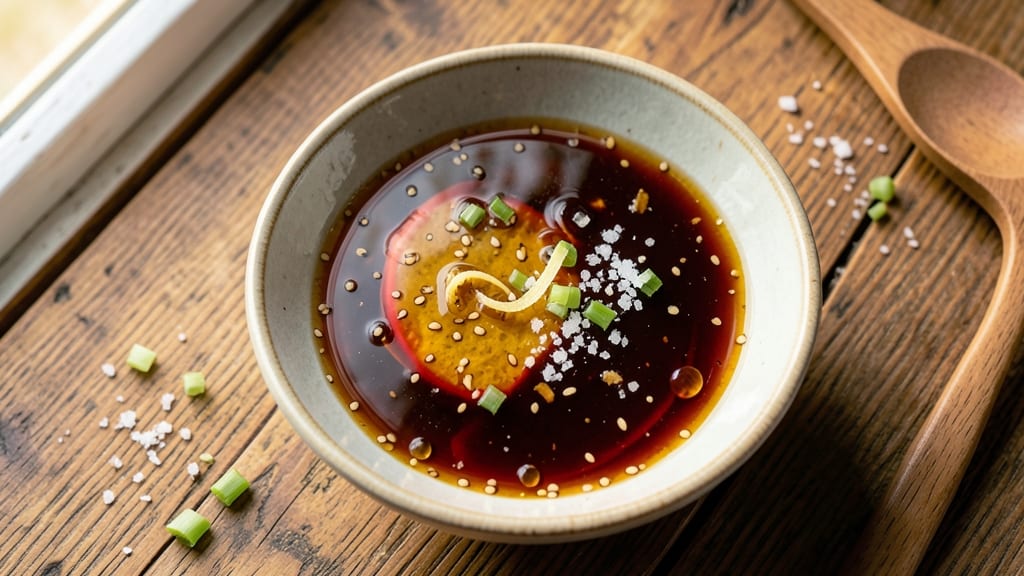
This authentic gyoza dipping sauce recipe transforms every bite with its perfect balance of tangy vinegar, crispy celery seed crunch, and umami depth—just like your favorite Japanese izakaya.
The secret lies in the layered flavors: a touch of chili oil for heat, sesame oil for richness, and a splash of rice vinegar to brighten everything. I developed this recipe after tasting countless versions and finally landing on the ratios that deliver that signature restaurant-quality punch.
The sauce starts with a simple base of soy sauce and vinegar, but it’s the finishing touches that make it exceptional. Toasted sesame oil adds nutty warmth, while crushed celery seeds bring that signature crunch that keeps you reaching for another dumpling.
A pinch of sugar balances the acidity, and optional miso paste or garlic deepens the umami—trust me, it’s worth the extra step. This isn’t just a dip; it’s the star of the meal.
What sets this sauce apart is how it elevates even the simplest gyoza into something extraordinary. The texture is crispy from the celery seeds, the flavor is tangy from the vinegar, and the umami layers make every bite irresistible.
It’s the kind of sauce that turns a casual snack into a memorable experience—no shortcuts, just authentic, restaurant-style quality in your own kitchen.
Once you try this, you’ll never settle for bottled versions again. The ingredients are simple, the prep is quick, and the results are foolproof—just whisk, taste, and adjust.
Store it in the fridge for up to a week, or make a double batch to keep on hand for your next gyoza night. Here’s how to make it perfectly every time.
Ingredients for authentic gyoza dipping sauce
Eight simple ingredients for that signature izakaya sauce—crispy, tangy, and packed with umami.
| Ingredient | Amount | Notes |
|---|---|---|
| Rice Vinegar 🍶 | ½ cup | White or seasoned variety |
| Soy Sauce 🍶 | ⅓ cup | Light or dark preferred |
| Toasted Sesame Oil 🫒 | 1 tbsp | For nutty aroma |
| Crushed Celery Seeds 🌿 | 1 tbsp | Freshly crushed for crunch |
| Granulated Sugar 🍚 | 1 tsp | Balances acidity |
| Chili Oil 🌶️ | 1 tsp | For subtle heat |
| White Miso Paste 🧈 | 1 tbsp | For umami depth (optional) |
| Garlic Cloves 🧄 | 1 clove | Minced for extra flavor (optional) |
Celery seeds are the star here. Buy them whole at Asian markets—they keep for months in a sealed jar. Toast them lightly in a dry pan for 30 seconds before crushing to boost flavor. If you can't find them, substitute celery salt at half the amount, but the texture won't be the same. The rice vinegar should be bright and acidic—skip the sweetened kind. For soy sauce, Kikkoman or Lee Kum Kee are reliable, but any good-quality brand works. Sesame oil? Toasted is a must—untasted versions won't give that nutty punch.
No miso paste? Skip it or use a dash of fish sauce for umami, though it won't be identical. Short on garlic? Garlic powder at half the amount works in a pinch. Chili oil missing? Sriracha or gochujang can stand in, but adjust the heat to taste. The sugar balances the tang—brown sugar works too, but white dissolves cleaner. Pro tip: Taste as you go! Start with half the celery seeds, then add more for extra crunch if you love texture.
This sauce keeps beautifully—1 week in the fridge sealed tightly. The celery seeds stay crispy for days, but the chili oil may separate. Just whisk before using. For a double batch, scale everything up—it freezes well for 3 months if you want to prep ahead. I always make extra because it disappears fast—perfect for gyoza, dumplings, or even as a marinade. Store in a small jar so it feels special, like something from a Tokyo izakaya.
Why You'll Love This Recipe
- Five-Ingredient Magic: I swear by this—just vinegar, soy, sesame oil, celery seeds, and sugar. That’s it. No fancy ingredients, no last-minute grocery runs. Honestly, I keep a bottle of each in my pantry just for this.
- Umami Bomb: The crushed celery seeds add this nutty, earthy kick that makes it way beyond basic soy sauce. Between us, that toasted sesame oil finish? It’s the secret weapon—deep, toasty, and impossible to resist.
- Party-Ready Secret: I’ve used this for gyoza nights, dumpling potlucks, and even as a quick marinade for grilled chicken. (Yes, even on a Tuesday night.) It’s the one sauce that turns a simple meal into the star—no fuss, just flavor.
- Lasts All Week: This sauce keeps for ages in the fridge, and I mean ages—I’ve had it linger past two weeks without losing its punch. Plus, it’s dirt cheap to make. My wallet and my taste buds both win.
Step-by-step instructions for authentic gyoza dipping sauce
This sauce delivers that perfect balance of tangy, umami-rich flavor with a satisfying crunch.
Whisk Together the Base Ingredients
In a small bowl, combine the 0.5 cup rice vinegar and 0.33 cup soy sauce. Give it a quick stir to mix evenly. The vinegar will cut through the richness of the soy sauce, creating that signature tangy brightness that makes this sauce so addictive. I like to use a fork for this step—it helps break up any potential clumps in the soy sauce and ensures everything blends smoothly.
Next, add the 1 tbsp toasted sesame oil and 1 tbsp white miso paste. The sesame oil brings that nutty aroma that's essential for authentic flavor, while the miso paste adds deep umami complexity. Stir vigorously for about 30 seconds until the miso paste dissolves completely—you want a smooth, silky texture without any graininess. If you're using the optional 1 clove minced garlic, add it now and stir for another 10 seconds to infuse the flavors.
Sweeten and Season the Mixture
Add the 1 tsp granulated sugar and 1 tsp chili oil to the bowl. The sugar balances the acidity from the vinegar, while the chili oil adds just a hint of heat that complements the dish beautifully. Stir well to distribute the sugar evenly—it should dissolve completely within 20-30 seconds. If you prefer a smoother texture, you can strain the mixture through a fine-mesh sieve at this point to remove any undissolved particles.
This is where the sauce starts coming together. Taste a small spoonful—it should be tangy with a touch of sweetness and a subtle warmth from the chili oil. If it needs more balance, adjust with a pinch more sugar or a splash of vinegar. The goal is that perfect harmony between all the flavors before adding the final crunchy element.
Incorporate the Crispy Celery Seed Crunch
Sprinkle the 1 tbsp crushed celery seeds over the sauce. Here's the thing—celery seeds are the secret weapon in this recipe. They add a delightful crunch that contrasts perfectly with the smooth sauce. Stir gently to distribute them evenly, but don't overmix or you'll crush too many of the seeds. You want visible specks throughout the sauce for that satisfying texture with every bite.
Let the sauce sit for 5 minutes at room temperature before serving. This resting time allows all the flavors to meld together beautifully. The celery seeds will maintain their crispness, while the other ingredients continue to harmonize. If you're serving this with freshly pan-fried gyoza, the contrast between the crispy dumplings and this sauce will be absolutely perfect.
Adjust Consistency and Serve
If the sauce is too thick after resting, thin it slightly with 1-2 teaspoons of warm water or additional rice vinegar. You want it to coat the back of a spoon but still be pourable enough to dip. The ideal consistency should be like a light syrup—thick enough to cling to your gyoza but not so heavy it feels gloppy.
Serve immediately while the celery seeds are at their crispest. This sauce is best enjoyed fresh, right alongside your hot, golden-brown gyoza. The combination of the crispy dumplings with this tangy, umami-rich sauce is what makes this recipe truly authentic and irresistible. Don't forget to garnish with an extra sprinkle of celery seeds on top for that final touch of crunch!
Pro Tips For Making Authentic Gyoza Dipping Sauce
- STIR AT THE END: Mix the sauce vigorously for 10 seconds after adding sesame oil—this emulsifies the oil into the vinegar-soy base so it doesn’t separate when you pour it over piping-hot gyoza. I learned this the hard way when my first batch split into oily puddles mid-dip.
- CRUSH CELEERY SEEDS FRESH: Skip the pre-ground stuff—lightly toast whole celery seeds in a dry pan for 30 seconds, then crush them with a mortar and pestle (or a heavy spoon) right before mixing. Pre-ground seeds lose their bright, herbal punch fast, and you’ll taste the difference.
- BALANCE THE SWEET-SOUR RATIO: Start with 1 teaspoon sugar per 2 tablespoons soy sauce, then adjust to taste—too much sugar makes the sauce cloying, too little and the vinegar tastes harsh. My go-to fix? A pinch of extra crushed celery seeds to cut through sweetness if needed.
- USE COLD SESAME OIL: Add toasted sesame oil last and keep it chilled until then—this preserves its nutty aroma instead of letting it cook off. I used to add it warm, and the sauce always smelled like it was missing something until I changed my approach.
Dietary considerations for this dish
Gluten-Free Adaptations
This sauce is naturally gluten-free as long as you use a certified gluten-free soy sauce like San-J Tamari or Kikkoman Gluten-Free Soy Sauce. Regular soy sauce contains gluten from wheat, so always check labels if you're avoiding gluten.
The rest of the ingredients—vinegar, sesame oil, and celery seeds—are inherently gluten-free, making this an easy adaptation for those with celiac disease or gluten sensitivity. 💪
Low-Sodium Options
For a lower-sodium version, reduce the soy sauce to 0.25 cup and replace the remaining 0.08 cup with low-sodium soy sauce or coconut aminos.
You can also omit the miso paste (which is high in sodium) and boost umami with 1 tsp fish sauce or an extra 0.5 tsp garlic. Taste as you go—you might need to add a pinch more sugar to balance the reduced saltiness.
Spicy Adjustments
If you love heat, increase the chili oil to 1.5 tsp or add 0.5 tsp gochugaru (Korean chili flakes) for a smoky kick. For a milder version, reduce the chili oil to 0.5 tsp or swap it for 0.5 tsp honey to sweeten without heat.
Always taste before serving—adjusting the spice level is all about personal preference, and this sauce is forgiving enough to tweak easily. 🌶️
Vegetarian/Vegan
This sauce is already vegetarian and vegan-friendly—just ensure your soy sauce and miso paste are plant-based (most are, but check labels). The optional garlic and celery seeds are also vegan, so no substitutions are needed.
For extra depth, add 1 tsp nutritional yeast to mimic the umami of miso without dairy concerns. It’s a great way to keep the sauce rich and satisfying for plant-based diets.
Allergy-Friendly
For sesame allergies, replace the toasted sesame oil with 1 tsp neutral oil (like avocado oil) and add 0.5 tsp ground sesame seeds (if tolerated) for flavor. If you’re avoiding garlic, skip it entirely—the sauce still shines without it.
Always double-check ingredient labels, especially for soy sauce and miso, as cross-contamination can occur in shared facilities. Safety first!
Nutrition facts
Frequently asked questions
Can I make this sauce without celery seeds?
The celery seeds are what give this sauce its signature crunch and authentic flavor, but you can substitute with 1 tsp celery salt or 1 tsp finely chopped fresh celery for a milder texture. For the best results, lightly toast the celery seeds first—they add depth that other substitutes can't match. If you're avoiding celery entirely, try poppy seeds instead for a different but still satisfying crunch.
How long will this sauce keep in the fridge?
This sauce stays fresh for up to 1 week in an airtight container in the fridge. The celery seeds maintain their crunch for about 3-4 days, after which they may soften slightly. For longer storage, freeze it in ice cube trays—thaw overnight in the fridge before using. The flavors actually improve slightly after resting for a day or two!
Why does my sauce taste too salty?
Soy sauce and miso paste are both high in sodium, so if your sauce tastes too salty, try thinning it with 1-2 teaspoons of warm water or adding a splash of rice vinegar to balance the flavors. For future batches, reduce the soy sauce to 0.25 cup and use low-sodium soy sauce or coconut aminos instead. Taste as you go—adjustments are easy with this forgiving recipe!
Can I use this sauce for other dishes besides gyoza?
This versatile sauce works beautifully with potstickers, dumplings, spring rolls, or even as a marinade for grilled meats. It also makes an excellent dipping sauce for sushi or a flavorful addition to noodle dishes. The tangy, umami-rich profile pairs well with many Asian-inspired dishes—just adjust the spice level to match your dish's heat.
What's the best way to store leftover sauce?
Transfer any leftovers to a clean, airtight container and refrigerate immediately. The sauce will keep for 1 week, but the celery seeds lose their crispness after about 3 days. For longer storage, freeze in small portions—thaw in the fridge overnight before using. The flavors actually develop and meld beautifully over time, making it even more delicious for future meals!