
Sauces & Condiments
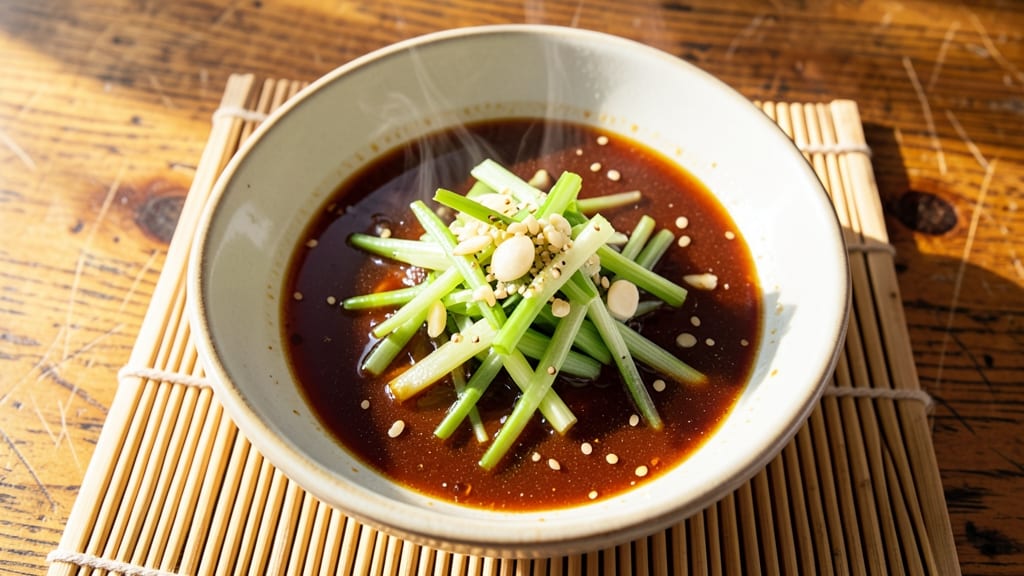
This authentic Japanese gyoza sauce transforms simple dipping into an experience—tangy, umami-rich, and perfectly balanced with celery crown crunch and vinegar zing.
The secret lies in layering traditional ingredients like soy sauce, rice vinegar, and sesame oil to create a sauce that enhances every bite of your gyoza without overpowering their delicate flavors.
I developed this recipe after years of perfecting homemade gyoza, and it’s the finishing touch that makes all the difference.
The foundation of this sauce is simplicity: just five core ingredients that work together to create depth. Soy sauce provides the umami backbone, while rice vinegar adds brightness and acidity that cuts through the richness. A touch of sugar balances the flavors, and sesame oil brings warmth and aroma.
The optional celery crown adds a satisfying crunch that elevates the sauce from ordinary to extraordinary—just like the texture contrast in a perfectly pan-fried gyoza.
What makes this sauce truly authentic is the technique: simmering the ingredients gently to meld their flavors without overcooking. The result is a glossy, aromatic sauce that clings to every bite, enhancing the savory filling of your gyoza while adding a bright, tangy finish.
It’s versatile enough to use as a dipping sauce or a finishing drizzle, and it keeps well in the fridge for up to a week, making it perfect for meal prep or entertaining.
For those who love to experiment, you can adjust the balance of sweetness, tang, or spice to suit your taste. A dash of chili oil adds heat, while extra sugar or mirin sweetens the profile.
The key is to taste as you go—this sauce is all about achieving harmony. Let’s make it.
Ingredients for authentic japanese gyoza sauce
Five simple ingredients transform into a sauce that elevates every bite of gyoza.
| Ingredient | Amount | Notes |
|---|---|---|
| Light Soy Sauce 🍶 | ½ cup | Japanese-style preferred |
| Rice Vinegar 🍶 | ¼ cup | Unseasoned, mild flavor |
| Granulated Sugar 🍚 | 2 tbsp | White or brown preferred |
| Sesame Oil 🫒 | 1 tbsp | Toasted, for aroma |
| Celery Crowns 🧅 | ¼ cup | Thinly sliced, optional crunch |
| Garlic Cloves 🧄 | 2 cloves | Minced, for depth |
| Chili Oil 🌶️ | 1 tsp | Optional, for heat |
The soy sauce is the heart of this sauce—Japanese light soy sauce has the perfect balance of umami without overpowering. Grab the Kikkoman or Hondashi brand from any Asian market or the international aisle at Whole Foods. Rice vinegar should be unseasoned; Mizkan is my go-to, but any clear rice vinegar works. The sugar is key here—it’s not about sweetness, but about balancing the acidity and umami. Japanese mirin would be even better, but regular granulated sugar does the trick in a pinch. For the sesame oil, Kadoya is the gold standard, but any toasted sesame oil from the Asian aisle will work.
No rice vinegar? Apple cider vinegar works in a bind, though it’ll taste slightly different. Skip the sugar? A pinch of mirin or agave nectar can add sweetness without grains. The celery crowns are optional, but they add that signature crunch—if you’re out, thinly sliced green onions or shredded carrot can stand in. The garlic is non-negotiable for that authentic flavor, but if you’re short on time, garlic powder at half the amount will do. And if you want heat, chili oil is your friend—just start with a tiny amount and adjust to taste.
This sauce keeps beautifully in the fridge for up to 1 week, sealed in a jar. The celery crowns will soften, so add them fresh when serving if you want that crunch. For longer storage, freeze the sauce (without the celery) for up to 3 monthsglass jar with a tight seal to keep the flavors fresh.
Why You'll Love This Recipe
- Pantry Magic: I swear by this sauce because it uses stuff I already have—no special trips to the store. Light soy sauce, rice vinegar, and a pinch of sugar? That’s it for the base, plus a splash of sesame oil to tie it all together. Honestly, the celery crowns add a fresh crunch I didn’t expect, but now I’d never skip them.
- Umami Bomb: The moment that crispy gyoza meets this sauce? Pure satisfaction. The light soy gives it depth, the vinegar brightens it up, and the sesame oil adds that nutty warmth. It’s the kind of flavor that makes you pause mid-bite—like a little Japanese restaurant secret in your kitchen.
- Leftovers’ Best Friend: This sauce keeps like a dream—stays fresh in the fridge for days, even weeks if you refrigerate it properly. I double the batch every time because it’s perfect for reheating gyoza, dipping extra dumplings, or even drizzling over noodles. No waste, just more flavor.
- Weeknight Hero: Five minutes, one bowl, zero fuss. While the gyoza pan-fry, I toss together this sauce—no chopping, no waiting. Between us, this is the move that saves me on nights when I’d normally order takeout. The celery crowns take seconds to prep, and the rest? Just stir and enjoy.
Step-by-step instructions for authentic Japanese gyoza sauce
This bright, tangy sauce captures the essence of Japanese comfort food—simple yet deeply flavorful.
Prepare the Celery Crowns and Garlic
Start by thinly slicing the celery crowns into ¼-inch thick pieces. You want them to be small enough to soften slightly during cooking but still maintain a pleasant crunch. I like to cut them into matchstick-sized strips for even cooking. Set them aside in a small bowl.
Next, mince the garlic cloves into a fine paste—about ¼ teaspoon per clove. You'll want them small enough to dissolve completely into the sauce without leaving any noticeable pieces. A garlic press works perfectly for this, but if you're using a knife, aim for a texture that's almost like a fine sand.
Combine the Base Ingredients
In a small saucepan, combine the 0.5 cup light soy sauce, 0.25 cup rice vinegar, and 2 tablespoons granulated sugar. Stir well to dissolve the sugar completely—this is your flavor foundation. Bring the mixture to a gentle simmer over medium heat, then reduce the heat to maintain a low bubble.
Let it cook for about 3-4 minutes until the sugar dissolves and the liquid begins to slightly reduce. You'll notice the aroma intensify as the vinegar's acidity brightens the soy sauce. This reduction step concentrates the flavors and creates a smoother base for the sauce. Don't let it boil vigorously—just a gentle simmer is perfect.
Add Aromatics and Cook Until Soft
Add the minced garlic and celery crowns to the saucepan. Stir well to combine, then continue simmering for another 5-6 minutes. You're looking for the celery to soften slightly while still retaining a bit of texture—it should be tender but not mushy. The garlic should dissolve completely, infusing the sauce with its aromatic depth.
Here's the thing—if the celery crowns look like they're browning too quickly, reduce the heat slightly. You want them to contribute crunch and mild sweetness, not bitterness. The sauce should be glossy and well-coated with the celery pieces evenly distributed. Taste the mixture at this stage—it should be tangy, slightly sweet, and deeply savory.
Finish with Sesame Oil and Chili Oil
Remove the saucepan from heat and stir in the 1 tablespoon sesame oil and 1 teaspoon chili oil. The sesame oil adds a nutty aroma that's essential for authentic flavor, while the chili oil provides a subtle heat that balances the tanginess. Stir well to combine—you'll see the sauce become even more glossy and inviting.
Let the sauce sit for 2-3 minutes off the heat to allow the flavors to meld completely. The sesame oil should be fully incorporated, giving the sauce a rich, aromatic finish. If you're serving immediately, you can proceed to drizzle it over your gyoza, but for the best flavor development, let it rest for 10 minutes before serving. This resting time allows all the components to harmonize perfectly.
Adjust Consistency and Serve
If the sauce is too thick for your liking, you can thin it with a splash of hot water or additional rice vinegar. I prefer it slightly syrupy to cling beautifully to the gyoza, but adjust to your preference. Taste again and make any final adjustments—perhaps a pinch more sugar to balance the acidity, or a bit more soy sauce for deeper umami.
Serve the sauce immediately alongside your gyoza, either as a dipping sauce or drizzled over the top. The contrast of the tangy, slightly sweet sauce with the savory, crispy gyoza is what makes this dish so irresistibly authentic. Store any leftovers in an airtight container in the refrigerator for up to 5 days, though it's best enjoyed fresh.
Pro Tips For Making Authentic Japanese Gyoza Sauce
- Bloom the Celery First: Toss chopped celery crowns in 1/4 cup cold water for 10 minutes before cooking—this softens the tough fibers and keeps them from turning to mush when simmered. I learned this the hard way after serving rubbery celery in my sauce; the water rinse makes all the difference.
- Simmer, Don’t Boil: Keep the sauce at a gentle simmer (tiny bubbles, just above a whisper) after adding vinegar—boiling will cook off the acid and leave you with flat, one-dimensional flavor. My grandmother swore by this, and she was right: patience here means a brighter, more balanced sauce.
- Sweeten Gradually: Add sugar in two batches: half at the start to dissolve, the rest just before removing from heat. This prevents grainy texture and lets the sweetness meld without overpowering the soy and vinegar. I was skeptical until I tried it—now I never rush this step.
- Toast the Sesame Oil: Heat the sesame oil in a dry pan for 30 seconds until it shimmers but doesn’t smoke, then whisk it into the warm sauce. This deepens the nutty aroma and prevents that "raw oil" aftertaste that ruins the whole dish. Sounds weird, but it works—trust the process.
Perfect pairings for this dish
Gyoza Dipping Ritual
For the full Japanese experience, serve this sauce in a small ceramic dipping bowl alongside your gyoza. The traditional method involves dipping each gyoza lightly in the sauce—just enough to coat the bottom half—before taking a bite.
This creates a perfect balance of flavors with every mouthful. I like to use a wide, shallow bowl so guests can easily reach in and dip without making a mess. 🥢
Crispy Pan-Fried Pairing
This sauce shines brightest with crispy, pan-fried gyoza that have achieved the perfect golden-brown crust. The contrast between the sauce's tangy brightness and the gyoza's savory, crispy exterior is what makes this dish so irresistible.
If your gyoza aren't quite crispy enough, finish them under the broiler for 1-2 minutes before serving with the sauce. The extra caramelization will elevate the pairing even further.
Warm Miso Soup Harmony
Serve this sauce alongside a warm bowl of miso soup for a complete Japanese meal experience. The umami depth of the miso complements the sauce's tangy brightness beautifully. I recommend a light, clear miso soup with tofu, wakame seaweed, and green onions.
The contrast between the hot soup and the cool, tangy sauce creates a satisfying balance that keeps every bite interesting. 🍜
Steamed Gyoza Alternative
While pan-fried gyoza are traditional, this sauce also works beautifully with steamed gyoza for a lighter option. The sauce's tangy profile helps cut through the richness of the filling without needing the crispy texture.
Serve with a side of quick-pickled vegetables to add another layer of acidity that complements the sauce's flavors perfectly.
Spicy Variations
For those who love heat, add 1 extra teaspoon of chili oil or a pinch of red pepper flakes to the sauce. This creates a spicy-sweet-tangy profile that pairs exceptionally well with garlic gyoza or those stuffed with chili paste.
I like to serve this spicy version with cool cucumber slices on the side to help balance the heat. 🌶️
Sweet Onion Garnish
Add a final touch by garnishing the sauce with thinly sliced caramelized onions or quick-pickled red onions. The sweetness of the onions enhances the sauce's natural flavors while adding another layer of texture.
Simply cook ½ cup thinly sliced onions in 1 tablespoon butter over medium heat for 8-10 minutes until golden brown, then sprinkle them over the sauce just before serving.
Nutrition facts
Frequently asked questions
Can I make this sauce without celery crowns?
While celery crowns add that signature crunch, you can substitute with thinly sliced green onions or shredded carrot for a similar texture. For a completely smooth sauce, simply omit them—the base flavors will still shine. The celery just adds visual appeal and a subtle sweetness.
How long does this sauce keep in the fridge?
The sauce stays fresh for up to 1 week when stored in an airtight container. The celery crowns will soften over time, so add them fresh when serving if you want that satisfying crunch. For longer storage, freeze the sauce (without celery) for up to 3 months. Thaw overnight in the fridge.
Can I use this sauce for other dishes besides gyoza?
This versatile sauce works beautifully with dumplings, noodles, or even as a marinade for grilled meats. For noodles, thin with a splash of water or broth. The tangy-sweet profile also enhances steamed vegetables or rice dishes. Just adjust the thickness to suit your dish.
What if my sauce tastes too salty?
If the sauce is too salty, balance it by adding 1-2 teaspoons of rice vinegar or 1 teaspoon of sugar. The acidity from vinegar or sweetness from sugar will help cut through the saltiness. Taste as you go—you can always add more, but you can't remove excess salt once it's in!
Is there a vegetarian version of this sauce?
Yes! Simply replace the chili oil with vegetable oil and use garlic-infused oil instead. For extra umami, add 1 teaspoon of mushroom powder or ½ teaspoon of miso paste to the base. The flavor profile remains authentic while being completely plant-based.