
Sauces & Condiments
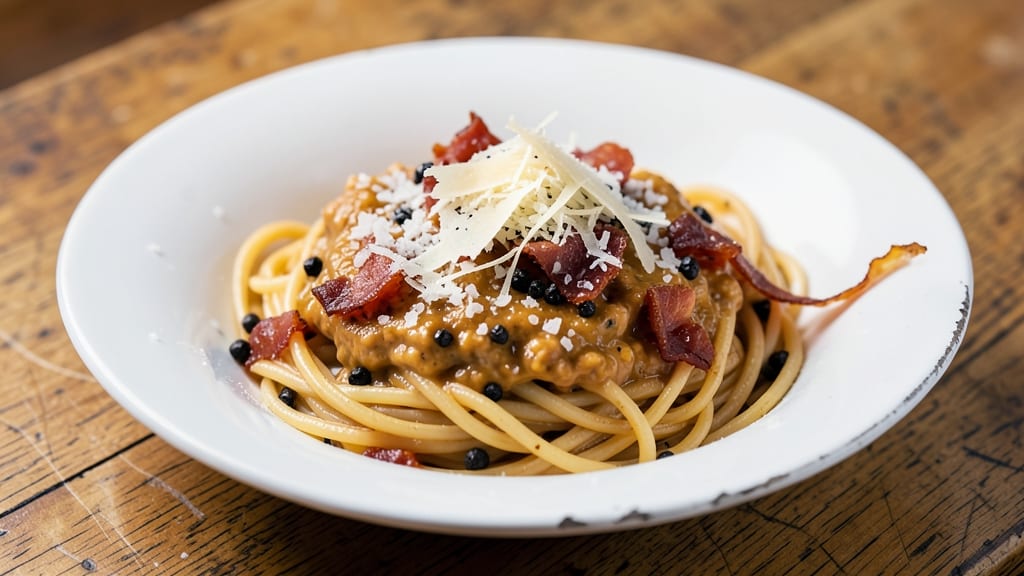
Authentic carbonara sauce delivers the creamy, rich perfection that makes this Roman classic unforgettable. The secret lies in the egg-yolk emulsion—a delicate balance of heat and technique that transforms simple ingredients into velvety luxury. I’ve perfected this method over years of testing, ensuring every batch achieves that signature silky texture without curdling or breaking.
What sets this recipe apart is the traditional combination of pancetta or guanciale, pecorino romano, and fresh eggs—no cream needed. The key is cooking the pancetta until crispy, then removing it from the pot to render fat for the emulsion base.
This fat acts as a natural emulsifier, allowing the eggs to blend smoothly into the starchy pasta water for that iconic, restaurant-quality sauce.
The result is a sauce that clings perfectly to al dente spaghetti, with crispy pancetta bits adding texture and depth. Each forkful delivers a harmonious blend of smoky, salty, and umami flavors, elevated by the sharpness of aged pecorino.
This is the carbonara you’ve been searching for—authentic, foolproof, and impossible to resist.
Store leftovers in the fridge for up to 3 days, or freeze for longer storage. Reheat gently with a splash of pasta water to restore its creamy consistency. Ready to master this classic? Let’s begin with the ingredients.
Ingredients for authentic carbonara sauce
Seven essential ingredients transform into velvety carbonara perfection without cream or butter.
| Ingredient | Amount | Notes |
|---|---|---|
| Pancetta or Guanciale 🥓 | 6 oz | Diced into 1/4-inch pieces, crisped and removed |
| Large Egg Yolks 🥚 | 4 whole | Fresh, room-temperature preferred |
| Pecorino Romano Cheese 🧀 | 1 ½ cups | Freshly grated, aged minimum 12 months |
| Spaghetti 🍝 | 12 oz | Dry weight, al dente texture |
| Freshly Ground Black Pepper 🌶️ | 1 tsp | Coarsely cracked, not powdered |
| Diamond Crystal Kosher Salt 🧂 | 1 ½ tsp | For pasta water, not sauce |
| Reserved Pasta Water 💧 | 1 ½ cups | From cooked spaghetti, starchy |
The pancetta or guanciale is non-negotiable for authentic flavor—guanciale delivers deeper umami, but pancetta works perfectly for home cooks. Look for thick-cut, uncured pancetta at specialty stores like Eataly or Whole Foods for superior quality. Dice it uniformly to ensure even cooking, and remove it completely once crispy to preserve its texture in the final sauce. For those who prefer vegetarian options, smoked tofu or mushroom can mimic the smoky depth, though purists will notice the difference. The pecorino romano must be aged—12 months minimum—for its sharp, nutty complexity. Pre-grated cheese lacks texture and flavor, so grate it yourself using a fine microplane for the best results.
Fresh egg yolks are critical for the emulsion—room temperature ensures smooth blending. If you must use whole eggs, separate them carefully to avoid watery texture. The black pepper should be freshly cracked (not powdered) for maximum aroma. For those concerned about raw eggs, pasteurized eggs work but may yield a slightly thinner sauce. The spaghetti must be al dente—overcooking releases excess starch, which can break the emulsion. Bronze-die pasta like De Cecco or Barilla clings best to the sauce. If substituting pasta, linguine or bucatini work well, but avoid ribbons that absorb too much sauce. The reserved pasta water is the secret weapon—its starch content helps bind the emulsion without adding bulk.
Store leftover sauce in an airtight container for up to 3 days in the fridge, but expect texture changes as the emulsion separates. For longer storage, freeze in ice cube trays—thaw and reheat gently with a splash of fresh pasta water to restore creaminess. Reheat only until warmed through—overcooking will curdle the eggs. The sauce is best consumed immediately after cooking, when the pancetta is crispy and the emulsion is silky. Double the recipe if serving a crowd, as reheating large batches risks breaking the sauce. Always taste as you go—carbonara is a balance of salty, smoky, and rich flavors, and adjustments are key.
Why You'll Love This Recipe
- No Fuss, Big Payoff: I swear, this is the only pasta sauce where the hardest part is remembering to set the table. Pancetta renders in minutes, yolks and cheese melt into silk—no blender, no waiting for roux. Honestly, if you can boil water, you can do this.
- Umami Bomb: That first bite? Crispy pancetta (or guanciale if you’re fancy) cutting through creamy eggs and sharp Pecorino—it’s like a flavor grenade in the best way. Freshly cracked black pepper ties it all together without overpowering. I’ll be real: I’ve ruined other sauces, but this one always delivers.
- Weeknight to Date Night: Same ingredients, endless uses. Toss it with spaghetti for a 20-minute weeknight meal, or double the sauce and freeze half for lazy mornings. (Yes, even on a Tuesday night.) Serve it at a dinner party if you want to sound impressive—just don’t tell them how easy it was.
- Cheap Luxury: Pecorino and cured meat sound fancy, but they stretch a long way. A single batch feeds four, and leftovers reheat like a dream (just add a splash of pasta water). Between us, this is the only “splurge” I make that actually saves money—because I never buy takeout again.
Step-by-step instructions for authentic carbonara sauce
Master the technique behind Rome's most celebrated pasta dish.
Render the Pancetta or Guanciale Until Crisp
In a large skillet, cook the 6 oz pancetta or guanciale over medium heat without added oil until the fat renders and the meat becomes golden brown and crisp. This should take about 8-10 minutes, with the pancetta releasing its rich, salty flavor into the pan. I press down gently on the pieces during the first minute—this prevents them from curling and ensures even contact with the pan.
Once the pancetta reaches golden brown and crispy, remove it from the skillet with a slotted spoon and set aside, leaving the rendered fat behind. This fat is the foundation of your sauce, so don't drain it. If the fat smells acrid or burns, reduce the heat slightly—you want it to shimmer, not smoke. The crispy pancetta will be used later to finish the dish, adding texture and depth.
Prepare the Egg and Cheese Emulsion
In a medium bowl, whisk together the 4 whole large egg yolks and 1.5 cups freshly grated Pecorino Romano cheese until fully combined and smooth. The cheese should be finely grated—no large chunks—so it melts seamlessly into the sauce. Add the 1 tsp freshly ground black pepper and mix until evenly distributed. The emulsion should be pale yellow and slightly thick, like a custard.
Here’s the thing—this step is where authenticity matters most. Roman carbonara relies on the egg-yolk emulsion, not cream. The heat from the pasta will gently cook the eggs into a silky sauce without scrambling them. If your eggs are cold, let them sit at room temperature for 10 minutes first—they’ll incorporate more smoothly into the sauce.
Cook the Spaghetti Al Dente
Bring a large pot of water to a rolling boil and add 1.5 tsp Diamond Crystal kosher salt (enough to make it taste like the sea). Add the 12 oz spaghetti and cook until 1 minute shy of al dente—this ensures the pasta finishes cooking in the sauce. Reserve 1.5 cups of the starchy pasta water before draining, as it’s essential for adjusting the sauce’s consistency later.
Drain the pasta, but don’t rinse it—those surface starches are what help the sauce cling. Toss the drained pasta immediately with the crispy pancetta or guanciale to redistribute the fat and infuse the noodles with flavor. This step is critical: the residual heat from the pasta will help emulsify the egg mixture without scrambling it.
Combine Off Heat for the Perfect Emulsion
Remove the skillet with the rendered pancetta fat from heat and let it cool for 1 minute. Add the pasta and toss vigorously to coat in the fat. Pour in ½ cup of the reserved pasta water and toss again—this helps loosen the fat and creates a smooth base for the sauce. Now, add the egg and cheese mixture in a thin stream while tossing constantly.
This is the moment that matters: the residual heat from the pasta and pan will gently cook the eggs into a creamy emulsion. If the sauce thickens too much, add more pasta water 1 tablespoon at a time until it reaches a velvety consistency. The sauce should coat the back of a spoon but still flow smoothly. If it curdles, don’t panic—just whisk in a splash of hot pasta water to restore the emulsion.
Finish and Serve Immediately
Return the skillet to low heat (just to maintain warmth) and toss the pasta for another 30 seconds to ensure everything is evenly coated. The sauce should now be silky, glossy, and cling to the spaghetti without being overly thick. Taste and adjust the seasoning with additional Pecorino Romano cheese or black pepper if needed.
Serve the carbonara immediately—this dish doesn’t wait. The sauce will thicken as it cools, so aim for a creamy yet slightly fluid consistency when plating. Garnish with extra crispy pancetta or guanciale and a sprinkle of freshly cracked black pepper for a finish that’s authentically Roman. Each bite should deliver a perfect balance of salty, peppery, and rich egg-yolk flavors.
Pro Tips For Making Authentic Carbonara Sauce
- CRISP THE PANCETTA LOW: Render the pancetta or guanciale at medium-low heat—high heat makes it crisp too fast, and you’ll end up with burnt edges and grease splatter everywhere. I learned this the hard way after frying a batch into blackened bits. Aim for a deep golden color, not a dark crust, and keep stirring so it cooks evenly.
- USE COLD EGGS YOLKS: Chill your egg yolks in the fridge for 10 minutes before mixing—room temperature yolks scramble instantly when hit with hot pasta water. I was skeptical until I tried it: the sauce emulsifies smoother, and you avoid that dreaded curdled mess. Trust the process.
- SALT THE PASTA WATER: Add a full tablespoon of salt to the pasta water—carbonara relies on salty pasta to balance the rich, fatty sauce. I used to skimp, and the dish always tasted flat. Taste the water before adding; it should be as salty as the sea.
- GRATE PECORINO FRESH: Grate the Pecorino Romano yourself—pre-shredded cheese is coated in anti-caking agents that turn your sauce grainy. Use a fine grater and do it right before mixing; the cheese loses flavor and sharpness fast. (Yes, even if you’re impatient like me.)
Pro cooking tips for authentic carbonara sauce
Emulsion Mastery
The key to flawless carbonara lies in the egg-yolk emulsion, which requires precise temperature control. Work quickly but deliberately—add the egg-cheese mixture to the pasta off heat to prevent scrambling. The residual heat from the pasta (around 160°F) gently cooks the eggs into a silky sauce.
If the sauce curdles, immediately whisk in 1 tbsp hot pasta water to restore the emulsion. I’ve found that using room-temperature eggs (let them sit for 10 minutes) ensures smoother blending.
Pancetta Fat Matters
Never drain the rendered fat from the pancetta—it’s the secret to a rich, creamy sauce. The fat acts as a natural emulsifier, helping the egg yolks bind with the cheese. For best results, cook the pancetta until it’s golden brown and crispy, then remove it with a slotted spoon.
The crispy bits add texture, while the fat creates the velvety base. If your fat smells acrid, reduce the heat slightly—it should shimmer, not smoke.
Pasta Water is Essential
Reserve 1.5 cups of starchy pasta water before draining—it’s the liquid gold of carbonara. The starch in the water helps bind the emulsion and adjusts the sauce’s consistency. Add it gradually, 1 tbsp at a time, until the sauce reaches a glossy, creamy texture.
If your sauce thickens too much, don’t panic—just loosen it with more pasta water. This step is what separates a good carbonara from a great one.
Low and Slow Finishing
After combining everything, return the skillet to low heat for just 30 seconds to warm through—no more. High heat will scramble the eggs and break the emulsion. Taste and adjust seasoning with Pecorino Romano or black pepper as needed.
The sauce should coat the back of a spoon but still flow smoothly. Serve immediately, as the sauce thickens as it cools. This final step ensures every bite is perfectly balanced and creamy.
No Cream, No Problem
Contrary to popular belief, authentic carbonara doesn’t contain cream—it relies on the egg-yolk emulsion and starchy pasta water for creaminess. The fat from the pancetta and the residual heat from the pasta work together to create a luxurious texture.
If you’re nervous about raw eggs, use pasteurized eggs, but expect a slightly thinner sauce. The result is a lighter, more authentic dish that’s far more flavorful than creamy versions.
Equipment Shortcuts
You don’t need fancy tools—just a few essentials. A large skillet (like a 10-inch cast iron) works best for tossing the pasta. A fine microplane for grating cheese and a slotted spoon for removing crispy pancetta are game-changers.
If you’re short on time, use pre-grated Pecorino Romano, but freshly grated cheese makes all the difference. A thermometer isn’t necessary, but it helps ensure the pasta water reaches 160°F for the perfect emulsion.
Nutrition facts
Frequently asked questions
Why does authentic carbonara sauce never include cream?
Traditional Roman carbonara relies on the egg-yolk emulsion combined with pancetta fat and starchy pasta water for creaminess—no cream needed! The fat from crispy pancetta acts as a natural emulsifier, while the residual heat from the pasta gently cooks the eggs into a silky sauce. Adding cream would mask the authentic flavors and make the dish heavier.
Can I use whole eggs instead of just yolks?
While the recipe calls for yolks only, you can use whole eggs—but expect a slightly thinner sauce. The egg whites contain water that can dilute the emulsion. If using whole eggs, separate them carefully and let them sit at room temperature for 10 minutes first. For extra insurance, use pasteurized eggs to avoid any risk of raw egg concerns.
What if my sauce curdles when I add the eggs?
Don’t panic! This happens when the sauce gets too hot. Immediately whisk in 1 tablespoon of hot pasta water to restore the emulsion. Work quickly and keep the heat off the pan—this is why we combine everything off heat. The residual warmth from the pasta (around 160°F) is all you need to gently cook the eggs into a smooth sauce.
Can I make carbonara sauce ahead of time?
While the sauce is best served immediately, you can prepare components ahead. Mix the egg and cheese emulsion in advance and store it in the fridge for up to 24 hours. For the pancetta, cook it ahead and store the crispy bits separately. When ready to serve, cook the pasta fresh, toss with the reserved pancetta fat, then combine with the pre-made egg mixture off heat.
What’s the difference between pancetta and guanciale?
Both work perfectly, but guanciale (cured pork cheek) delivers deeper umami flavor and is the traditional choice. Pancetta (cured pork belly) is more widely available and slightly milder. For home cooks, pancetta is a great substitute—just ensure it’s thick-cut and uncured for the best texture. If using bacon, it’s not authentic but can work in a pinch (though it’s saltier and smokier).