
Sauces & Condiments
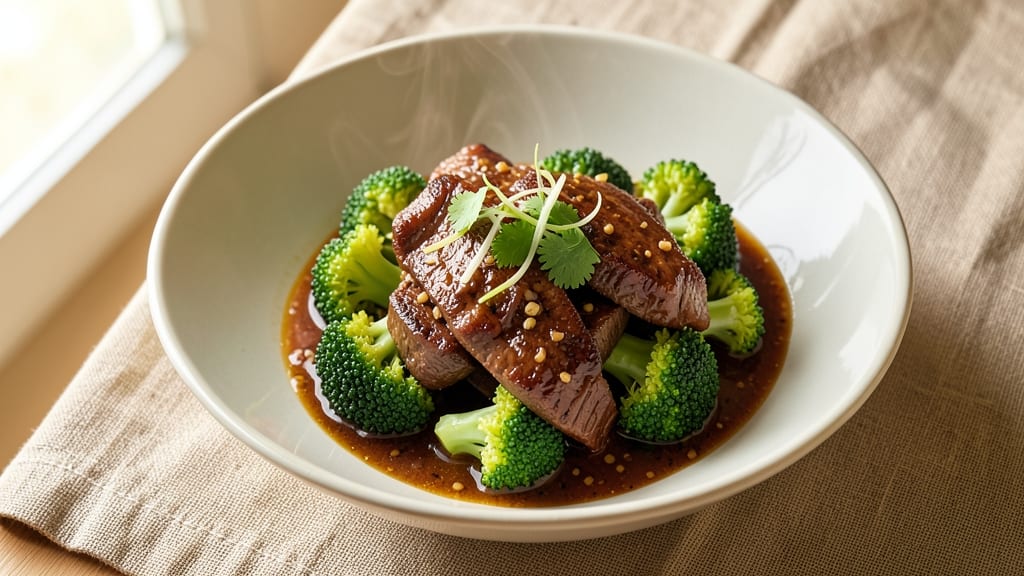
This authentic beef and broccoli sauce delivers the perfect harmony of umami, spice, and depth that makes takeout taste so irresistible. The secret lies in balancing salty soy, aromatic ginger, and a touch of sweetness from oyster sauce—all simmered until thick and glossy.
I’ve perfected this recipe over years of testing, ensuring every spoonful delivers that restaurant-quality richness without the shortcuts. What sets this sauce apart is the toasted sesame crunch that adds texture, while a cornstarch slurry guarantees the ideal velvety consistency. No heavy cream or artificial thickeners here—just pure, layered flavor.
The sauce clings beautifully to beef and broccoli, creating a glossy, savory coating that’s impossible to resist. The result is a sauce that’s bold yet balanced, with just the right amount of heat from ginger and depth from garlic.
A splash of Shaoxing wine (optional but recommended) elevates it to new heights, while sesame oil adds a nutty finish. This isn’t just a sauce—it’s the soul of a perfect beef and broccoli dish.
Use it as the star of your stir-fry, drizzle it over rice, or serve it alongside steamed veggies for an instant flavor boost. The instructions are straightforward, but the impact is undeniable—every bite will taste like you’ve just stepped into a dim-sum house. Let’s get started.
Ingredients for authentic beef and broccoli sauce
Nine ingredients, restaurant-quality sauce. The perfect harmony of soy, ginger, and sesame.
| Ingredient | Amount | Notes |
|---|---|---|
| Light Soy Sauce 🍶 | ½ cup | Kikkoman preferred for balance |
| Dark Soy Sauce 🍶 | ¼ cup | For deeper umami flavor |
| Fresh Ginger 🧄 | 2 tbsp | Finely grated, aromatic |
| Garlic Cloves 🧄 | 4 cloves | Minced, fresh preferred |
| Oyster Sauce 🦪 | ¼ cup | Lee Kum Kee for authenticity |
| Shaoxing Wine 🍷 | ¼ cup | Optional but recommended |
| Sesame Oil 🫒 | 1 tbsp | Toasted for nutty aroma |
| Toasted Sesame Seeds 🌾 | 1 tbsp | For crunchy texture |
| Cornstarch 🌾 | 1 tbsp | For velvety consistency |
| Water 💧 | 1 tbsp | For cornstarch slurry |
| Brown Sugar 🍯 | 1 tbsp | For subtle sweetness |
| Red Pepper Flakes 🌶️ | ½ tsp | Adjust for heat preference |
| Salt 🧂 | ½ tsp | Kosher or sea salt |
The soy sauces are the foundation—Kikkoman light and dark soy from the Asian aisle make all the difference. Fresh ginger and garlic? Buy organic if possible, but even regular works if it's vibrant. Lee Kum Kee oyster sauce is the gold standard here, but Wok Sauce is a solid backup. Shaoxing wine adds depth (and yes, it's worth the splurge for this sauce). Toasted sesame seeds? Buy them pre-toasted from the bulk bin at Trader Joe's—they're fresher than the jarred kind. The cornstarch slurry is non-negotiable for that silky texture. Diamond Crystal cornstarch works best, but any brand will do in a pinch.
No Shaoxing wine? Dry sherry or rice vinegar in a pinch, though the flavor won't be identical. Fresh ginger too spicy? Use half the amount and add a pinch more sugar. No toasted sesame seeds? Regular sesame seeds toasted in a dry pan work, but they won't have the same depth. Substituting oyster sauce? A mix of hoisin and soy sauce (1:1 ratio) gets you close, but it won't be authentic. Red pepper flakes too hot? Skip them entirely—this sauce is bold enough without them. The brown sugar is subtle but essential—coconut sugar works too, but it has a different caramel note. Cornstarch allergy? Use arrowroot powder instead, but you'll need slightly more (about 1.5 tbsp).
This sauce tastes even better the next day as flavors meld. Store in an airtight jar in the fridge for up to 5 days, or freeze for 3 months in ice cube trays for single-use portions. Double the batch if you're feeding a crowd—it disappears fast. Garnish with extra sesame seeds right before serving for that restaurant-style crunch. Pair with steamed rice or use as a stir-fry sauce. Don't skip the sesame oil—it's what ties everything together.
Why You'll Love This Recipe
- Pantry Magic: I swear by this sauce—no fancy ingredients, just a few staples that transform into something restaurant-worthy. That dark soy sauce gives it depth, while the light keeps it bright, and the ginger? Chef’s kiss. Honestly, I keep a jar of oyster sauce just for this.
- Umami Bomb: The moment the garlic hits the pan, my kitchen smells like a dim-sum spot. That combo of light and dark soy plus oyster sauce? It’s a flavor explosion—salty, sweet, and rich without being heavy. My picky eaters actually ask for seconds.
- Lunchbox Hero: This sauce clings to noodles, rice, or even stir-fried veggies like it’s glued on. I make a double batch on Sundays—one for dinner, one for packed lunches. The ginger keeps it fresh, and the soy sauces prevent it from getting soggy. (Yes, even on a Tuesday night.)
- Budget Booster: A single jar of oyster sauce and a ginger root last me weeks. The beef? I use affordable cuts, and the broccoli’s cheap but packed with flavor. It’s the kind of dish where every bite feels luxurious, but the grocery bill stays friendly. My wallet thanks me.
Step-by-step instructions for authentic beef and broccoli sauce
This sauce delivers restaurant-quality depth with balanced flavors and perfect texture.
Build the Flavor Base
Heat a wok or large skillet over medium-high heat. Add the 2 tablespoons of freshly grated ginger and 4 minced garlic cloves, stirring constantly for 30-45 seconds until fragrant but not browned. Here's the thing—ginger burns fast, so watch it closely. You want aromatic, not bitter.
Pour in the 0.5 cup light soy sauce, 0.25 cup dark soy sauce, and 0.25 cup oyster sauce, stirring to combine. Add the 0.25 cup Shaoxing wine and 1 tablespoon brown sugar, letting the mixture simmer for 2 minutes until slightly reduced. The sauce should smell rich and complex—like umami with a touch of sweetness.
Thicken the Sauce
In a small bowl, whisk together the 1 tablespoon cornstarch and 1 tablespoon water to create a smooth slurry. Return the sauce to a gentle simmer and slowly pour in the cornstarch mixture while stirring continuously with a wooden spoon or chopsticks.
Cook for 1-2 minutes until the sauce thickens to a glossy, velvety consistency that coats the back of a spoon. This is where the magic happens—proper thickening creates that signature clingy texture. If it thickens too fast, add 1 teaspoon water to adjust. The sauce should coat a spoon but still flow smoothly.
Finish with Aromatics
Reduce heat to low and stir in the 1 tablespoon toasted sesame oil and 0.5 teaspoon red pepper flakes. The sesame oil adds nutty depth while the red pepper flakes introduce subtle heat. Let it simmer for 30 seconds to blend all flavors together.
Finally, add the 0.5 teaspoon salt and taste. Adjust seasoning if needed—you might want to add a splash more light soy sauce for saltiness or a touch of brown sugar for sweetness. The sauce should be perfectly balanced: salty, sweet, umami-rich, and slightly spicy.
Garnish for Texture
Remove the sauce from heat and stir in the 1 tablespoon toasted sesame seeds. These add the perfect crunchy contrast to the smooth sauce. Let it sit for 2-3 minutes to allow the flavors to meld completely.
This sauce is now ready to toss with beef and broccoli or use as a dipping sauce. The authentic combination of soy sauces, ginger, garlic, and sesame creates that signature umami-packed flavor profile you'd find in a Chinese restaurant—without the preservatives. Serve immediately while warm for the best texture and flavor.
Pro Tips For Making Authentic Beef And Broccoli Sauce
- STOP COOKING THE GARLIC: I learned this the hard way—when you add minced garlic to the hot wok, it burns before the aromas even develop. Instead, toss it in after the beef has seared and pulled away from the pan. The oil should be hot but not smoking, and the garlic should sizzle for 10 seconds max. That’s all it takes to wake up the sauce without turning it bitter.
- SALT THE BEEF IN ADVANCE: Skip the "season after cooking" habit—pat the beef dry, then sprinkle it with 1 teaspoon of light soy sauce and a pinch of salt at least 15 minutes before cooking. This guarantees the sauce clings to the meat instead of pooling at the bottom. (Yes, even if you’re impatient like me.)
- LOWER THE HEAT FOR SAUCE: After adding the soy sauces and oyster sauce, resist the urge to keep the wok on high. Drop the heat to medium-low and let the sauce simmer for 2-3 minutes—this lets the dark soy sauce deepen in color without scorching. I used to rush this, and the sauce always tasted flat.
- GRATE THE GINGER FINE: No need to mince—just grate the ginger directly into the wok with a microplane. The tiny particles dissolve faster and infuse the sauce more evenly. (Pro move: Zest a little extra into the sauce at the end if you’re feeling fancy.) Sounds weird, but it works—trust the texture.
Common mistakes when making this dish
Overcooking Ginger
Ginger burns faster than you think, and once it turns bitter, there's no fixing it. I've ruined more sauces than I'd like to admit by letting ginger sit too long over medium-high heat.
Stir constantly for 30-45 seconds max—just until fragrant. If you see it darken, immediately lower the heat or remove the pan. 🔥
Skipping the Slurry
Using cornstarch without making a slurry first is a rookie mistake. Dry cornstarch will clump and create a gluey mess instead of a smooth sauce. Always whisk it with 1 tablespoon water first to create a smooth paste.
This ensures even thickening and that perfect velvety consistency. Trust me, your sauce will thank you.
Rushing the Thickening
Adding the cornstarch slurry too fast or at too high heat will make your sauce lumpy or overly thick. Stir constantly over medium-low heat and add the slurry slowly. If it thickens too quickly, add 1 teaspoon water to loosen it.
The goal is a sauce that coats the back of a spoon but still flows smoothly—1-2 minutes of gentle simmering usually does the trick.
Ignoring the Salt
The salt isn't just for flavor—it balances all the other components. I've made this sauce without adding salt at the end, and it always tastes flat or one-dimensional.
Taste as you go and adjust with ½ teaspoon kosher salt if needed. This sauce should be bold but balanced, not overwhelmingly salty or bland.
Using Low-Quality Soy Sauce
Not all soy sauces are created equal. Using generic store-brand soy sauce will give you a weaker, less complex flavor. Stick with Kikkoman light soy sauce and a high-quality dark soy sauce for that authentic umami depth.
The difference is night and day—your sauce will taste like it came from a dim-sum house, not a grocery store aisle. 🍶
Adding Sesame Oil Too Early
Sesame oil has a low smoke point and burns easily. Adding it too early in the cooking process will make your sauce bitter. Always stir it in after the sauce has thickened and heat is reduced to low.
The last 30 seconds of cooking are perfect—just enough time to infuse its nutty aroma without scorching it.
Nutrition facts
Frequently asked questions
Can I make this sauce without Shaoxing wine?
Yes! Shaoxing wine adds depth, but you can substitute 2 tablespoons dry sherry or even 1 tablespoon rice vinegar in a pinch. The flavor won't be identical, but it'll still work well. For extra umami, add ½ teaspoon fish sauce—it pairs surprisingly well with the soy and oyster sauce.
How do I adjust the sauce for spicier heat?
Start with the ½ teaspoon red pepper flakes—this gives a subtle kick. For more heat, add ½ teaspoon Sichuan peppercorns (toasted and crushed) or 1 teaspoon chili crisp at the end. If using fresh chili, reduce to ¼ teaspoon—it's much stronger than dried flakes.
Can I use this sauce for other dishes besides beef and broccoli?
This versatile sauce works perfectly with stir-fried chicken, tofu, noodles, or even as a dipping sauce for dumplings. For extra richness, toss it with steamed jasmine rice—it's a game-changer. The balance of sweet, salty, and umami makes it ideal for many Asian-inspired dishes.
Why did my sauce turn dark and bitter?
Most likely, your ginger or garlic burned—both have low smoke points. Next time, cook them over medium-low heat for 30 seconds max while stirring constantly. Also, check your dark soy sauce—too much can make the sauce overly dark. Use ¼ cup max for this recipe.
How long can I store this sauce?
Store in an airtight container in the fridge for up to 5 days. For longer storage, freeze in ice cube trays—thaw overnight in the fridge before using. The flavors actually deepen after 24 hours, making leftovers even more delicious!