
Sauces & Condiments
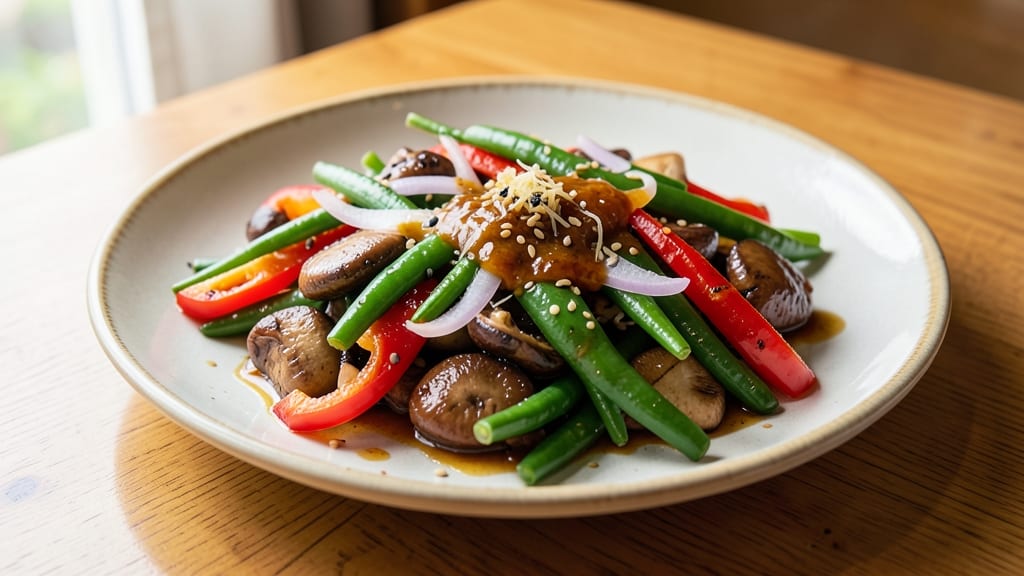
This Asian vegetable sauce recipe transforms simple stir-fries into vibrant, flavor-packed meals with just a few pantry staples. The secret lies in balancing smoky sesame oil, bright ginger, and umami-rich soy sauce—creating a sauce that clings to every crisp vegetable like a second skin.
I developed this after years of testing stir-fry sauces, and it’s now my go-to for turning weeknight veggies into restaurant-worthy dishes.
The foundation is a simple simmer of garlic, ginger, and soy sauce, but it’s the finishing touches that elevate it: a splash of rice vinegar for brightness, a drizzle of sesame oil for depth, and a touch of honey or sugar to balance the savory notes.
This sauce works equally well as a dipping companion or a stir-fry glaze, making it the ultimate multipurpose condiment for any vegetable dish.
What makes this sauce stand out is its versatility—it enhances the natural flavors of broccoli, bell peppers, snap peas, or even tofu without overpowering them. The smoky-sweet aroma alone will have everyone reaching for seconds, while the glossy finish adds a professional touch to any home-cooked meal.
Ready in under 10 minutes, it’s the perfect way to add restaurant-quality flavor to your vegetables.
Store it in the fridge for up to a week, or freeze portions for quick use later. The flavors deepen over time, making it even more irresistible. Whether you’re prepping a week’s worth of lunches or adding flair to tonight’s dinner, this sauce is your new kitchen essential.
Ingredients for asian sauce for vegetables
Nine simple ingredients create this restaurant-quality Asian vegetable sauce everyone will love.
| Ingredient | Amount | Notes |
|---|---|---|
| Sesame Oil 🫒 | 2 tbsp | Toasted sesame oil for smoky aroma |
| Fresh Ginger 🧄 | 2 tbsp | Finely grated, vibrant color |
| Garlic Cloves 🧄 | 3 cloves | Minced, fresh preferred |
| Low-Sodium Soy Sauce 🍶 | ½ cup | Or tamari for gluten-free |
| Rice Vinegar 🍶 | 2 tbsp | White or seasoned variety |
| Honey 🍯 | 1 tbsp | Or agave for vegan option |
| Toasted Sesame Seeds 🌾 | 1 tbsp | For garnish, optional |
| Cornstarch 🌾 | 1 tsp | For thickening sauce |
| Water 💧 | ½ cup | For thinning if needed |
Sesame oil is the flavor bomb here. Kadoya or La Choy are my go-tos, but any toasted sesame oil works—just avoid the cheap, flavorless kind. Fresh ginger matters too; look for knobby, firm roots with no soft spots. The garlic should be fresh—those pre-minced jars in the fridge are a no-go. For soy sauce, I always grab low-sodium Kikkoman or Tamari for gluten-free. The honey adds just enough sweetness to balance the umami, but agave works perfectly if you're avoiding honey.
No sesame oil? Avocado oil or neutral oil in a pinch, but it won't have that signature smoky flavor. Short on ginger? Ginger powder at half the amount gets you close, though fresh is ideal. Tamari or coconut aminos can swap for soy sauce if you're avoiding gluten. The cornstarch is key for thickening—arrowroot powder works too. If your sauce gets too thick, just add a splash of water or vegetable broth to loosen it up. The rice vinegar brings the brightness, so don't skip it—even a few drops make a difference.
This sauce keeps for 1 week in the fridge, sealed tight. The flavors actually deepen over time, so it's perfect for meal prep. For freezing, portion into ice cube trays—just pop out what you need and toss it straight into stir-fries. If you make extra, it's great on noodles, rice bowls, or even as a dipping sauce for spring rolls. The toasted sesame seeds are optional but add that extra crunch—sprinkle them on just before serving.
Why You'll Love This Recipe
- No Chopping Needed: I swear by this one—just slice veggies into bite-sized chunks, no fancy knife work required. The ginger and garlic get minced in seconds, and the sauce comes together faster than you can say "sesame oil."
- Umami Bomb: That combo of soy sauce and garlic? It’s the kind of flavor that lingers. The rice vinegar brightens it up just enough to make your taste buds do a happy dance—salty, tangy, and just a little addictive.
- Leftovers That Don’t Suck: Make a big batch on Sunday, and you’ve got a week’s worth of ready-to-eat sides. Toss it with cold noodles, stir-fry it up, or serve it over rice—it’s the ultimate lazy dinner fix.
- Budget-Friendly Magic: Sesame oil, ginger, and soy sauce? All pantry staples that won’t break the bank. Here’s what sold me—you can stretch this sauce over stir-fried cabbage, carrots, or even leftover roasted veggies without blowing your grocery budget.
Step-by-step instructions for smoky ginger-sesame vegetable sauce
This vibrant sauce comes together in minutes with simple pantry staples.
Bloom the Aromatics in Sesame Oil
Heat the 2 tablespoons sesame oil in a small saucepan over medium-low heat. Add the 2 tablespoons finely grated fresh ginger and 3 minced garlic cloves, stirring constantly for 30-45 seconds until fragrant. You'll notice the aromatics soften slightly and release their oils—this is when they begin to infuse the oil with their signature warmth.
Watch carefully here: the garlic should just begin to turn golden around the edges but not brown. If it darkens too quickly, reduce the heat immediately. This step builds the sauce's aromatic foundation, so don't rush it. The sesame oil will carry that nutty, toasted aroma throughout the sauce, giving it that authentic Asian glow.
Combine Wet Ingredients and Simmer
Pour in the ½ cup low-sodium soy sauce and 2 tablespoons rice vinegar, stirring to dissolve any cornstarch that might have settled. Add the 1 tablespoon honey and bring the mixture to a gentle simmer over medium heat. Let it bubble for 3-4 minutes until slightly reduced by about ¼ cup—this concentrates the flavors and thickens the sauce naturally.
Taste the sauce at this point. It should be tangy from the vinegar, slightly sweet from the honey, and deeply savory from the soy sauce. If you want to adjust the balance, add a pinch more salt (about ¼ teaspoon) or another ½ teaspoon honey for sweetness. The sauce should coat the back of a spoon but still be pourable—this is the perfect consistency for stir-fries.
Thicken and Finish the Sauce
In a small bowl, whisk together the 1 teaspoon cornstarch with the ½ cup water until smooth. Slowly pour this slurry into the simmering sauce while stirring continuously. The mixture will thicken immediately—keep stirring for 1-2 minutes until it reaches a glossy, coatable consistency. It should look like a thin glaze, perfect for clinging to vegetables.
Remove the sauce from heat and let it cool for 2 minutes. This resting period allows the flavors to meld completely. Give it one final taste and adjust seasoning if needed. The sauce should be balanced—salty, sweet, tangy, and with that deep umami from the soy sauce. If it's too thick, whisk in 1 tablespoon water to loosen it.
Garnish and Serve
Transfer the sauce to a serving bowl and sprinkle with the 1 tablespoon toasted sesame seeds. These add a delightful crunch and visual appeal, giving the sauce that final restaurant-quality touch. The seeds should be evenly distributed—give it a quick stir to ensure they're incorporated but still visible.
Serve immediately over your favorite stir-fried vegetables or noodles. The sauce will cling beautifully to everything it touches, creating that glossy, flavorful coating you crave. For extra depth, drizzle a little more sesame oil over the top just before serving—it enhances the nutty aroma and ties all the flavors together. This sauce keeps well in the refrigerator for up to 5 days, so make extra for leftovers!
Pro Tips For Making Asian Sauce For Vegetables
- MINCE THAT GINGER: Fresh ginger is the star here, but I learned the hard way—skip the food processor for this. Use a sharp knife and finely chop it into a paste (yes, it’ll look like a mess). This releases the flavor better than pre-minced jarred stuff, and it won’t turn your sauce into a gritty disaster.
- SALT THE SOY SAUCE: Low-sodium soy sauce is a game-changer, but don’t assume it’s enough. Taste it first—if it’s bland, add a pinch of salt (or a splash of regular soy sauce) before mixing. The sauce needs depth, and this is the non-negotiable step I used to forget until my veggies tasted flat.
- COOK THE GARLIC LOW: Garlic burns faster than you think, especially when paired with sesame oil. Once you add it to the pan, drop the heat to medium-low and stir constantly. Burnt garlic turns bitter, and nothing ruins a bright Asian sauce faster than that acrid aftertaste.
- FINISH WITH SESAME OIL LAST: This isn’t just about aroma—adding sesame oil at the end keeps its nutty, toasty flavor intact. If you toss it in too early, it’ll cook off and leave you with a dull, one-dimensional sauce. A quick drizzle at the very end makes all the difference.
Troubleshooting perfect results
Burnt Garlic Rescue
If your garlic turns dark brown or black while blooming in the sesame oil, don’t toss it! Immediately remove the pan from heat and let it cool for 1 minute. The burnt flavor will mellow slightly—just strain out the blackened bits before proceeding.
For extra insurance, add ½ teaspoon extra honey later to balance any bitter notes. This happens fast, so keep heat at medium-low and watch closely. 🔥
Sauce Too Thin?
If your sauce ends up too thin after simmering, don’t panic. Mix 1 teaspoon cornstarch with 1 tablespoon cold water and whisk it into the sauce while it’s still warm.
Stir for 2-3 minutes over low heat until thickened. For a quicker fix, stir in 1 tablespoon unsweetened applesauce—it thickens without altering flavor. Always taste as you go!
Ginger Too Strong?
Fresh ginger can overpower if not balanced. If your sauce tastes too sharp, add 1 teaspoon more honey or ½ teaspoon sugar to mellow the heat. A splash of 1 tablespoon water also dilutes intensity while keeping the sauce glossy.
For a smoky twist, stir in ½ teaspoon smoked paprika to distract from the ginger’s bite. 🌶️
Storage Issues
If your sauce separates after refrigeration, whisk in 1 tablespoon warm water or vegetable broth to re-emulsify. For freezing, portion into ice cube trays—each cube equals 1 tablespoon, perfect for quick stir-fry boosts.
Thaw overnight in the fridge to preserve texture. Never freeze in a single block, as it may not thaw evenly.
Vegetables Not Clinging?
For extra grip, toss your veggies in 1 teaspoon cornstarch before stir-frying. The sauce will adhere like glue! If using leafy greens (like spinach), add them last and stir-fry for just 30 seconds—they’ll wilt and soak up the sauce beautifully.
A quick drizzle of sesame oil before serving also enhances clinginess. ✨
Fridge Flavor Fade
If your sauce loses brightness after 3-4 days, revive it with ½ teaspoon fresh ginger juice or a pinch of white pepper. For extra depth, add 1 teaspoon fish sauce (if not vegan) or ½ teaspoon miso paste for umami.
Always store in an airtight container to lock in flavors. The sauce’s peak freshness is 3-5 days, but it’s still delicious beyond that! 💫
Nutrition facts
Frequently asked questions
Can I make this sauce without sesame oil?
Yes, but the flavor will be different. Replace sesame oil with 1 tablespoon neutral oil (like avocado or vegetable oil) plus ½ teaspoon smoked paprika for depth. The sauce will still taste delicious, though it'll lack that signature nutty aroma. For extra umami, add ½ teaspoon fish sauce or 1 teaspoon miso paste to compensate.
What vegetables work best with this sauce?
This sauce pairs beautifully with bell peppers, broccoli, snap peas, bok choy, and carrots. For heartier dishes, try it with eggplant, zucchini, or mushrooms. Leafy greens like spinach or bok choy absorb the sauce well—just add them last to prevent wilting. The sauce also works as a dipping sauce for spring rolls or edamame!
How can I adjust the spice level?
For a milder sauce, reduce the ginger to 1 tablespoon and skip the smoked paprika. For heat, add ½ teaspoon red pepper flakes or 1 teaspoon sriracha at the end. If using fresh chili (like Thai bird's eye), start with ¼ teaspoon and taste before adding more. The sauce's sweetness from honey helps balance spice naturally.
Can I use this sauce on non-vegetarian dishes?
This sauce works perfectly with chicken, shrimp, tofu, or pork. For meat, marinate it for 15-20 minutes before cooking to infuse flavor. For seafood like shrimp, add the sauce at the very end to prevent overcooking. The sauce's balance of sweet, tangy, and umami makes it versatile for any protein.
Why does my sauce look cloudy after refrigerating?
This happens when oils separate from the liquid. Simply whisk in 1 tablespoon warm water or vegetable broth to re-emulsify. For extra insurance, store the sauce in a glass jar (not plastic) and let it cool gradually. The sauce will regain its glossy texture once warmed gently. This is completely normal and doesn't affect flavor!